Payroll ecosystem
Payroll services by state — registrations, tax rates, and providers
Every state where you have a W-2 employee requires its own tax registrations, filings, and rate tables. This index links to the providers and rules for each state.
Get help with QuickBooks, bookkeeping, payroll, tax planning, controller support, and CFO advisory from professionals who understand your business needs.
Registrations
Two accounts per state per employee
Before your first payroll runs in a new state, you need both a withholding account and an unemployment (SUTA) account.
- State withholding registration with the Department of Revenue
- Unemployment tax registration with the Department of Labor
- Workers' compensation policy extension (where required)
- Local city/county tax registration where applicable
- Annual state new-hire reporting
Rate variation
What changes state to state
Three numbers move between states and drive your true payroll cost.
- State withholding rates — flat (CO 4.4%) to graduated (CA 1–13.3%)
- SUTA wage base — $7,000 (CA, FL, AZ) to $57,000+ (WA)
- SUTA rate range — typically 0.5% to 12% depending on experience rating
- No-income-tax states: AK, FL, NV, NH, SD, TN, TX, WA, WY
Need help with bookkeeping, QuickBooks, tax, or CFO support?
Tell us what service you need and where your business is located.
FAQ
Common questions
Do I need to register for payroll tax in every state where I have an employee?
Yes. Each state where you have a W-2 employee requires a state withholding account and an unemployment (SUTA) account. Register within 20 days of the first wages paid.
What states have no payroll income tax?
Nine states have no state income tax: Alaska, Florida, Nevada, New Hampshire, South Dakota, Tennessee, Texas, Washington, and Wyoming. SUTA still applies in all of them.
Who handles state payroll registrations?
Most full-service payroll providers will file the ongoing returns, but you typically need to complete the initial registrations yourself. CPA-managed payroll firms often handle the registrations as part of onboarding.
Need accounting, bookkeeping, tax, or CFO support?
CPAZenith helps businesses connect with accounting professionals for QuickBooks setup, bookkeeping, payroll, tax planning, fractional CFO services, outsourced controller support, and industry-specific accounting.
Tell us what service you need and where your business is located.
Get state payroll help
Tell us about your situation in 90 seconds. We'll match you with up to 3 verified providers — free, no obligation.
Get matched
Request a consultation for Payroll services by state — registrations, tax rates, and providers
Share a few details — a vetted CPA will reach out within one business day.
Advisor-grade guides
Downloadable ebooks & templates
CPA-ready playbooks and templates you can use today — instant downloads, no signup required.
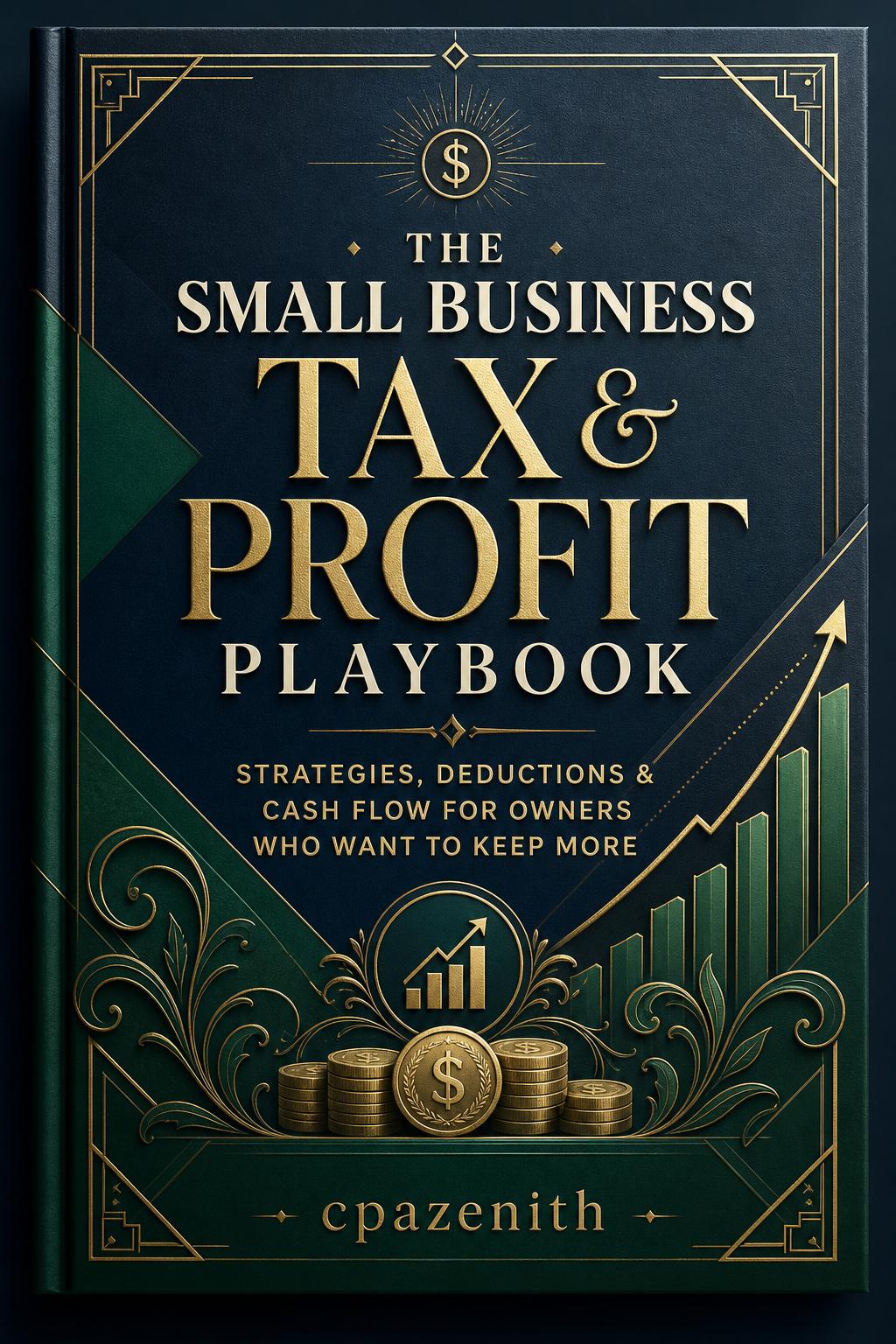
The Small Business Tax & Profit Playbook
A CPA-ready guide to deductions, quarterly taxes, S-Corp strategy, owner pay, cash flow, and year-round tax planning.
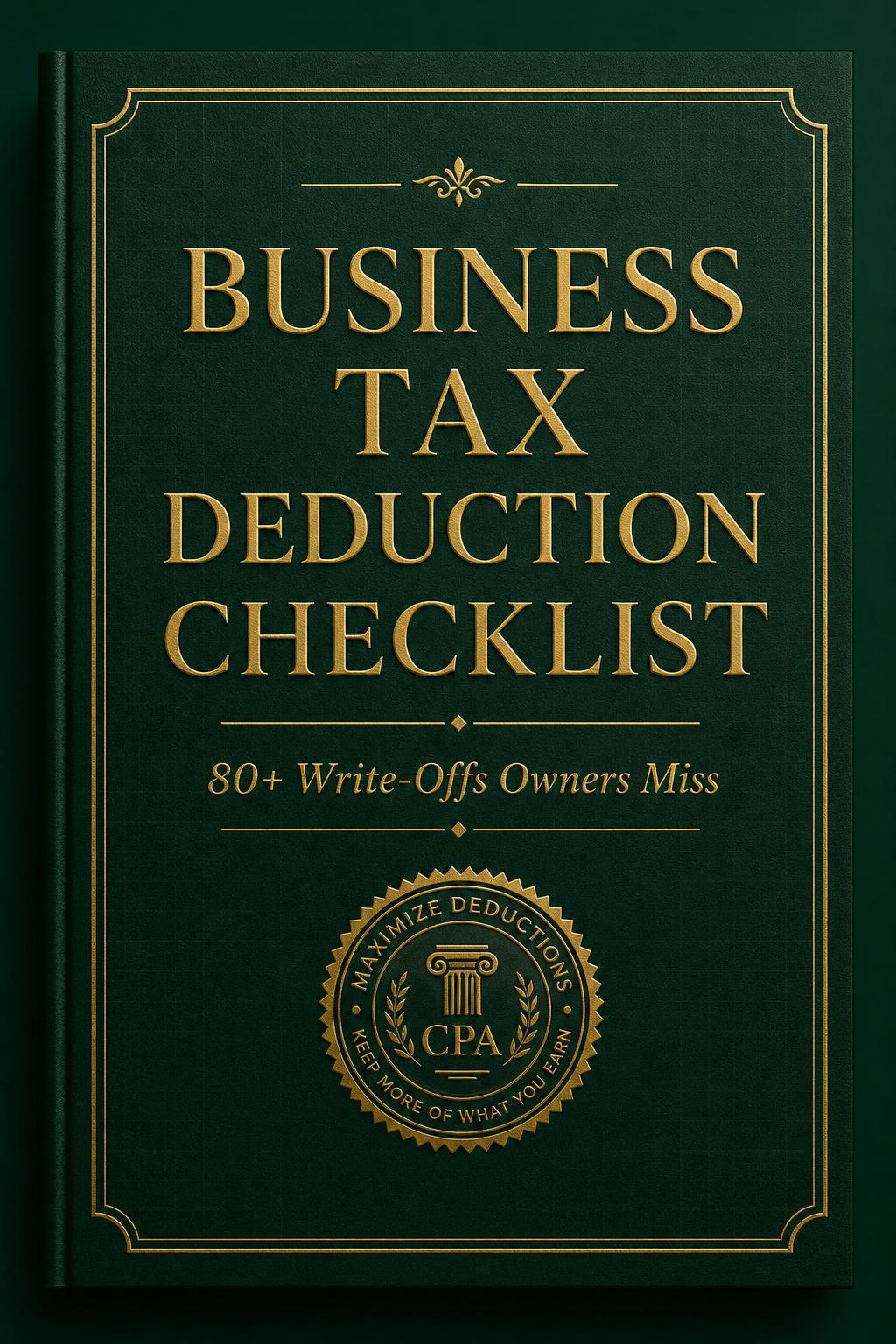
Business Tax Deduction Checklist
A CPA-curated checklist of 80+ business deductions most owners miss — organized by category so you can sweep it before filing.
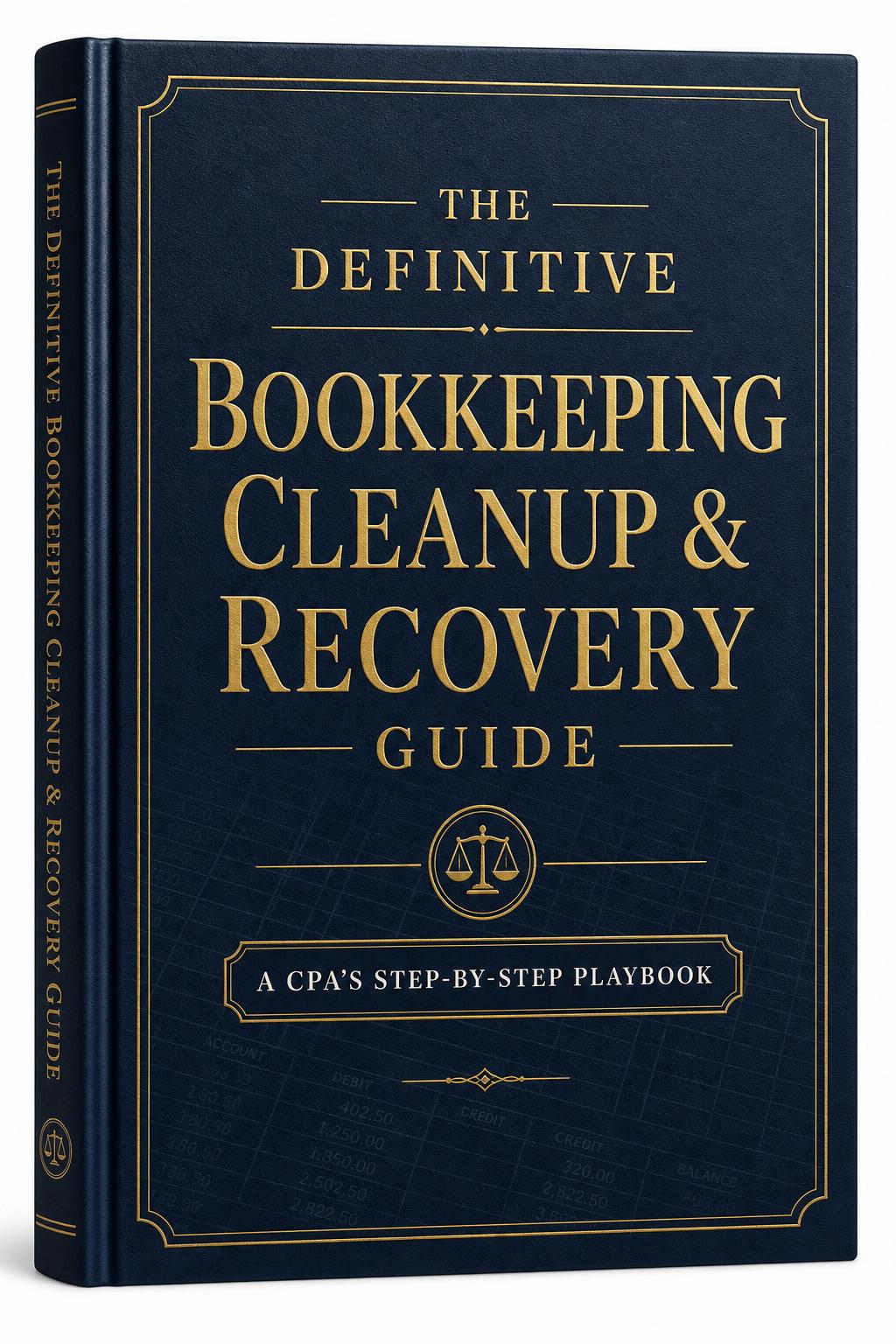
The Definitive Bookkeeping Cleanup & Recovery Guide
The CPA's step-by-step playbook for diagnosing messy books, reconstructing missing history, and restoring a clean, audit-ready ledger.
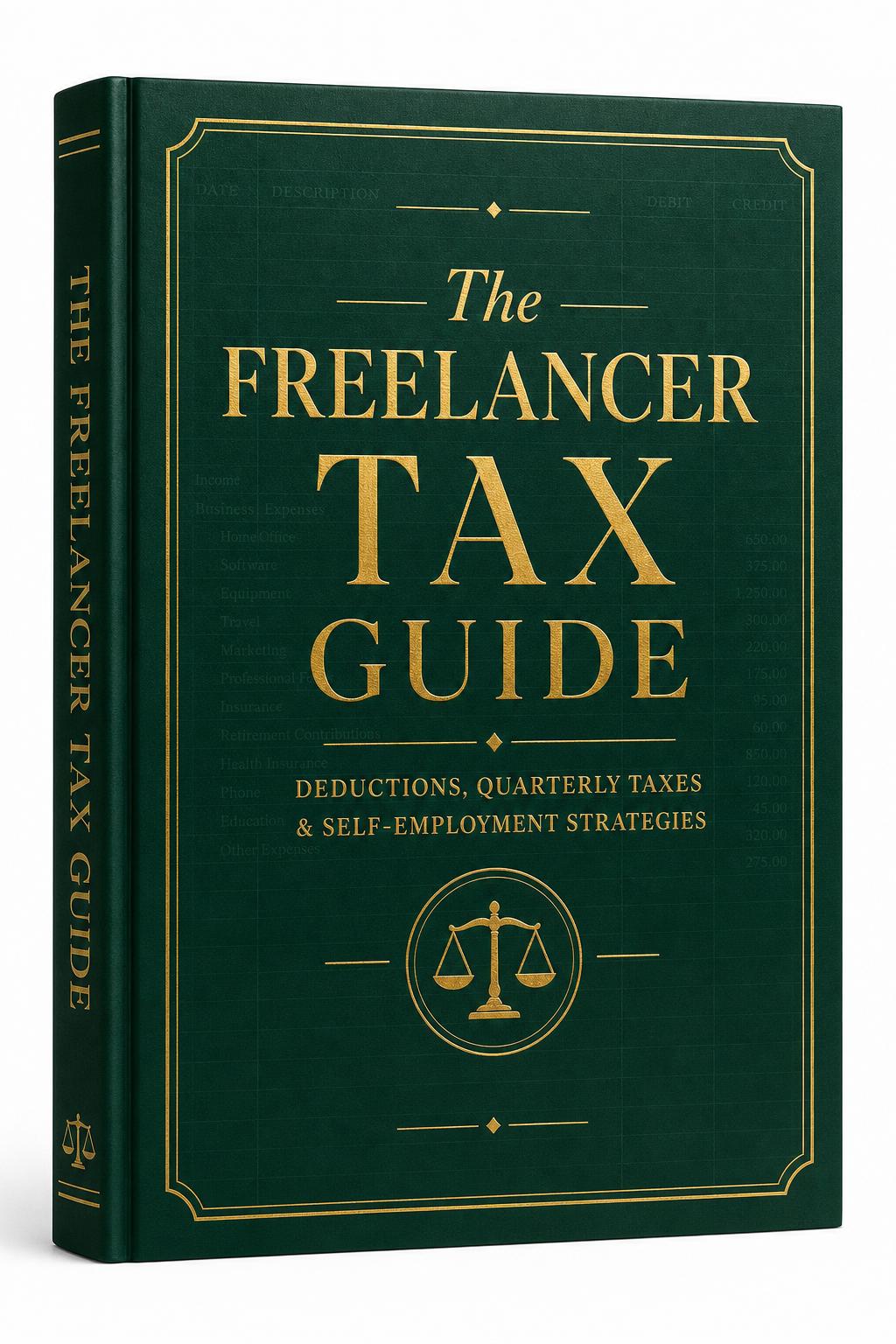
The Freelancer Tax Guide
The practical tax playbook for freelancers, contractors, and solo creatives — deductions, quarterly estimates, and self-employment strategies.

The Year-End Tax Planning Guide
The CPA's December playbook — practical strategies to reduce your tax bill before the year closes.
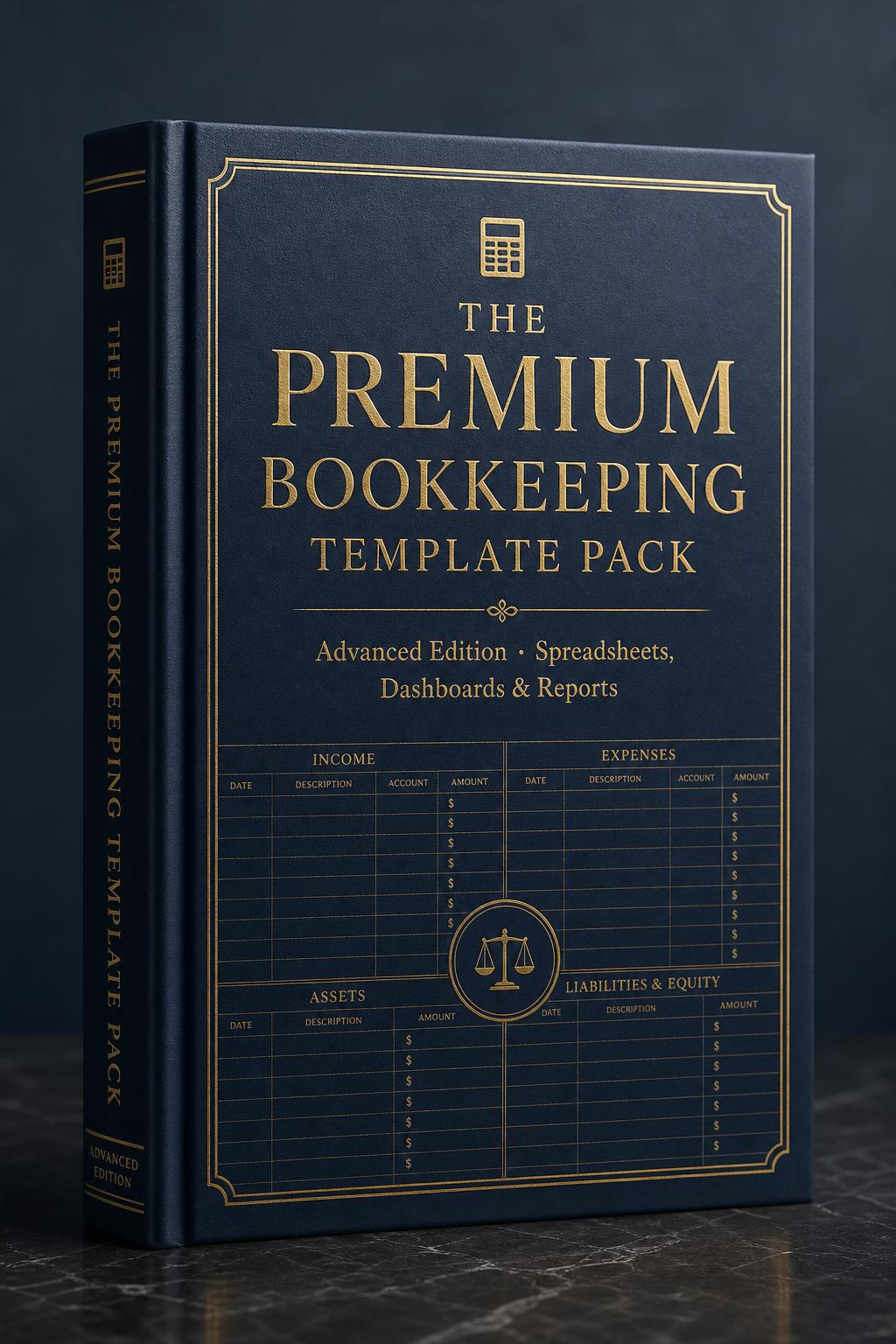
The Premium Bookkeeping Template Pack
Automated dashboards, multi-account reconciliations, and CPA-ready reporting workbooks for serious owners and bookkeepers.
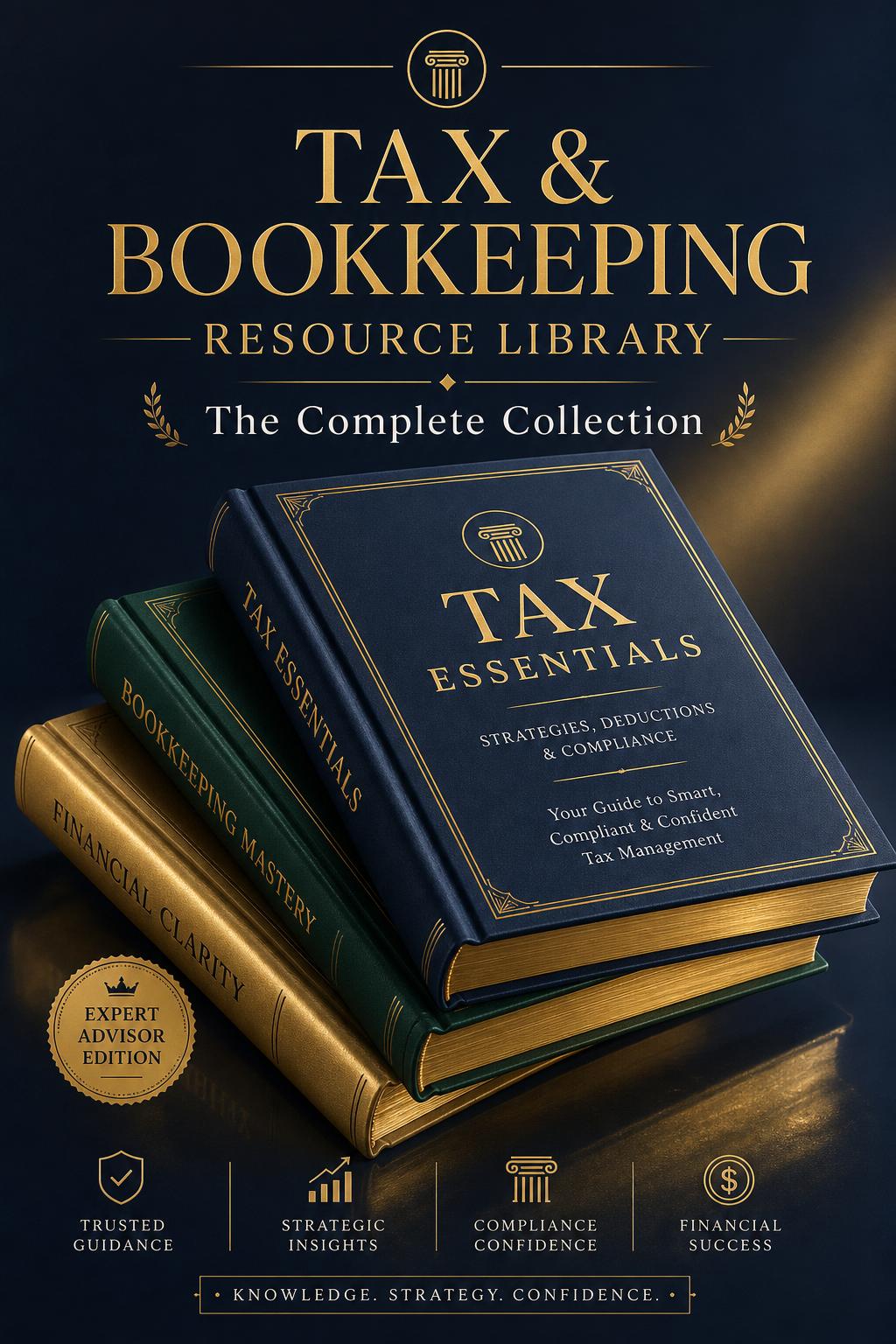
Tax & Bookkeeping Resource Library
Our complete advisor-grade collection — every premium asset an owner needs to run clean books, lower taxes, and recover messy ledgers, in one bundle.