Trust & Transparency
User safety guide
How to spot tax-preparer and accounting scams, what a real professional should look like, and what to do if you've been defrauded.
Warning signs
10 red flags — walk away if you see any of these
If a CPA, tax preparer, or bookkeeper does any of the following, find someone else — every one of these is documented in IRS and FTC scam alerts.
- Promises a refund amount before seeing any of your documents
- Bases the fee on a percentage of your refund
- Asks you to sign a blank or incomplete return
- Refuses to sign the return as the paid preparer (a federal crime — ghost preparers)
- Wants payment in gift cards, wire transfer, or cryptocurrency
- Has no PTIN (Preparer Tax Identification Number)
- Pressures you to act today or claims an IRS deadline that doesn't exist
- Asks you to deposit your refund into their bank account
- Won't let you review the return before it's filed
- Has no verifiable office, license, or independent reviews
Before you hire
Four steps that prevent most problems
Verify the license
Search the relevant state board's licensee lookup and the IRS Return Preparer Office directory before you share documents.
Get the engagement in writing
Scope, fee, timeline, and what's not included. Walk away if a professional refuses a written engagement letter.
Use a secure document portal
Never email Social Security numbers or W-2s. A real CPA will provide a secure upload portal.
Confirm contact channels
Call the firm's main listed number to confirm the person you're talking to actually works there.
If something has gone wrong
Where to file a complaint
Report tax fraud to the IRS
Use Form 3949-A or the online reporting form.
Open resourceReport identity theft
IdentityTheft.gov is the federal government's one-stop recovery resource.
Open resourceReport to the FTC
ReportFraud.ftc.gov logs your report and forwards it to law enforcement.
Open resourceReport a CPA to the state board
NASBA's state board directory lets you file a complaint with the right authority.
Open resourceNotify your bank and credit bureaus
Place a fraud alert or credit freeze to limit further damage.
Open resourceWe are not law enforcement and cannot recover funds. The links above route you to the right federal or state authority.
See something wrong on CPAZenith?
If a listed professional is impersonating someone or otherwise misrepresenting credentials, report it directly.
Advisor-grade guides
Downloadable ebooks & templates
CPA-ready playbooks and templates you can use today — instant downloads, no signup required.
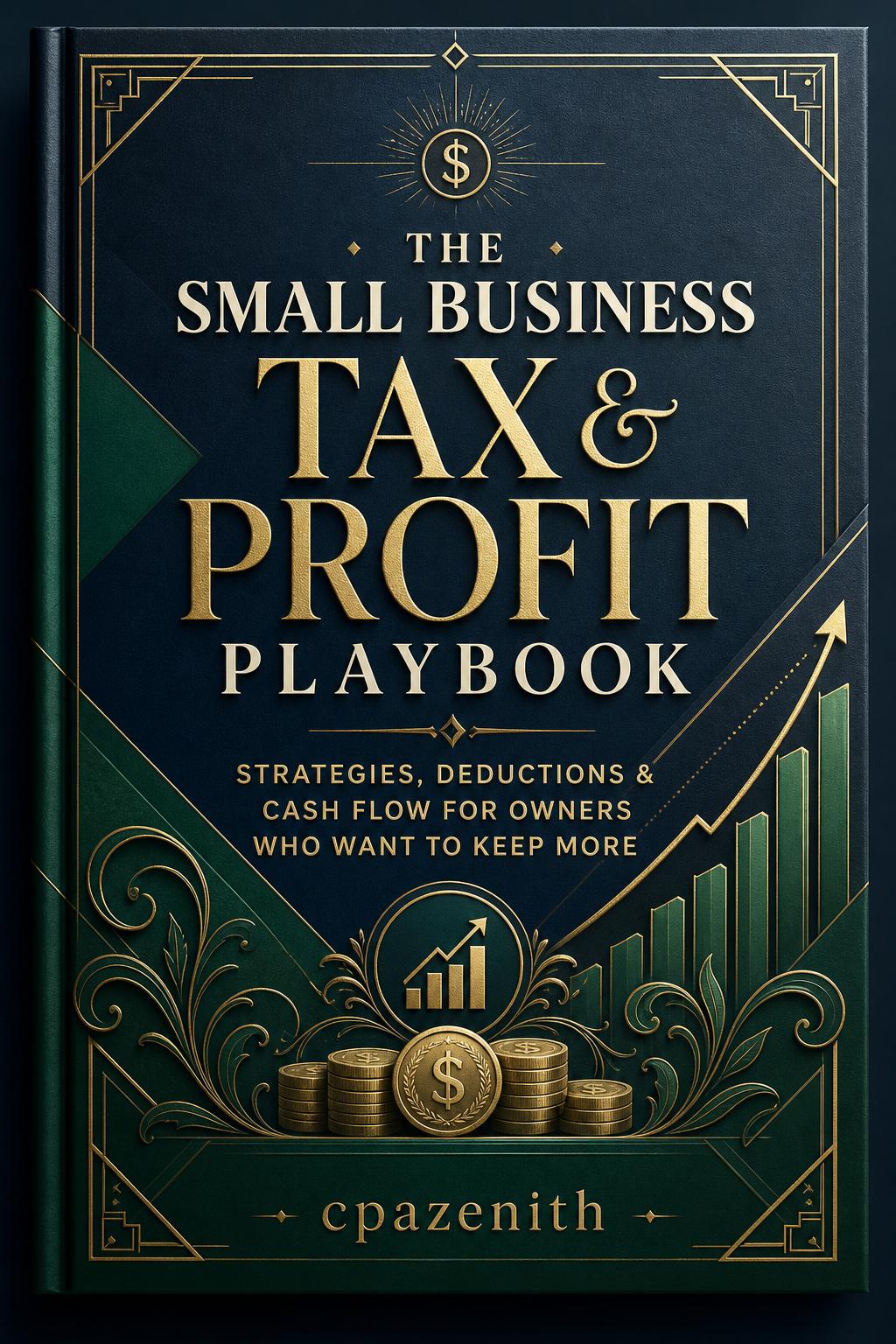
The Small Business Tax & Profit Playbook
A CPA-ready guide to deductions, quarterly taxes, S-Corp strategy, owner pay, cash flow, and year-round tax planning.
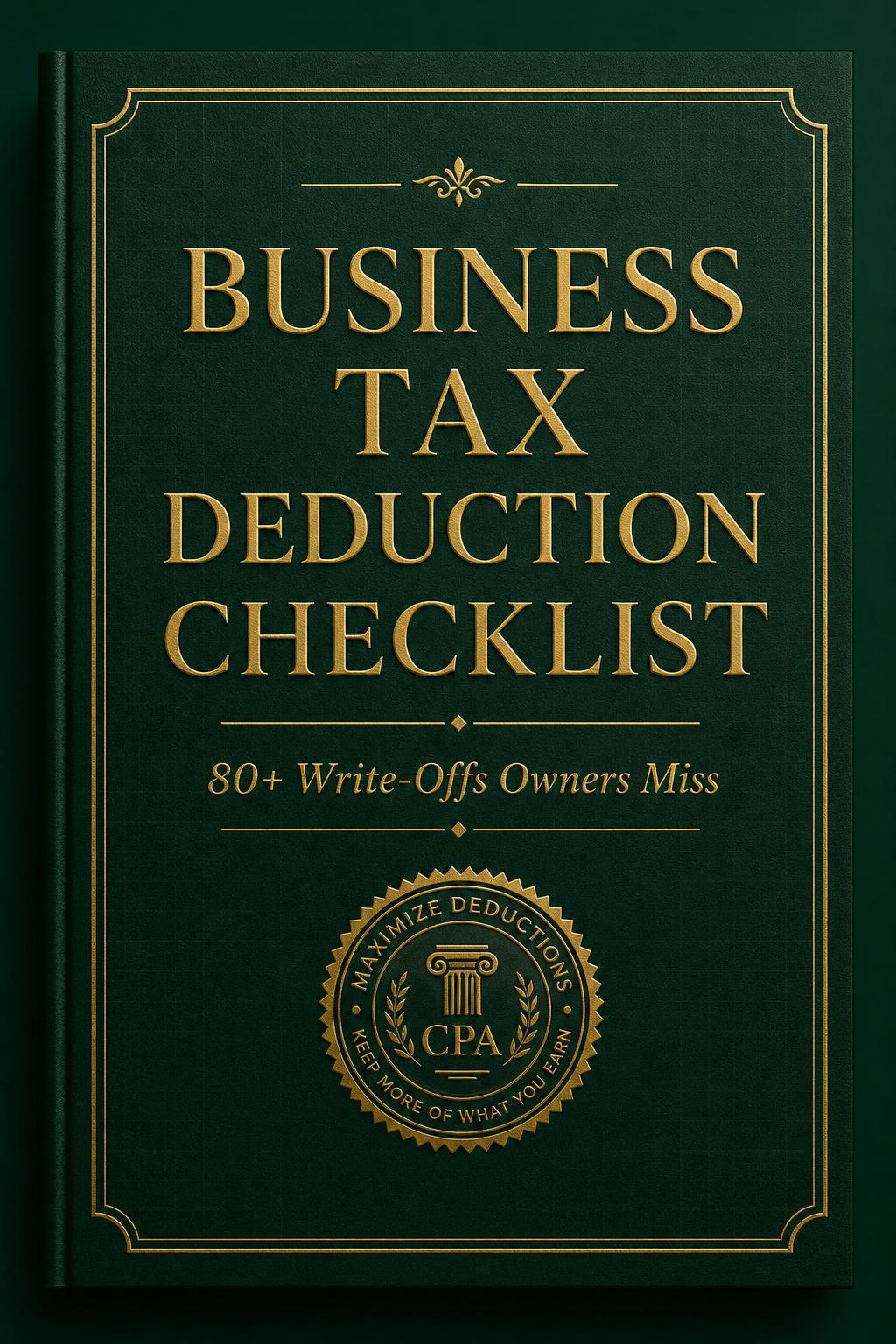
Business Tax Deduction Checklist
A CPA-curated checklist of 80+ business deductions most owners miss — organized by category so you can sweep it before filing.
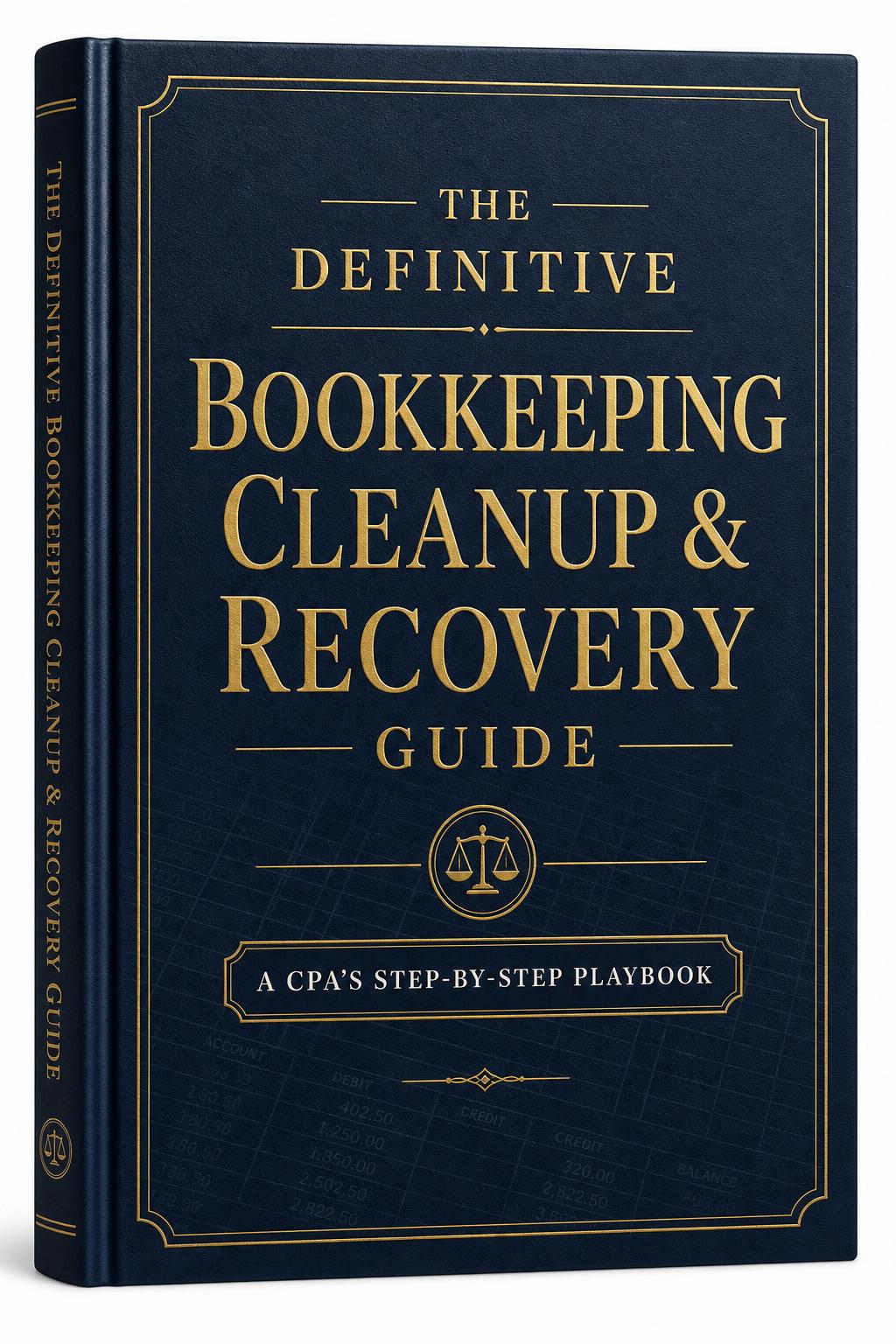
The Definitive Bookkeeping Cleanup & Recovery Guide
The CPA's step-by-step playbook for diagnosing messy books, reconstructing missing history, and restoring a clean, audit-ready ledger.
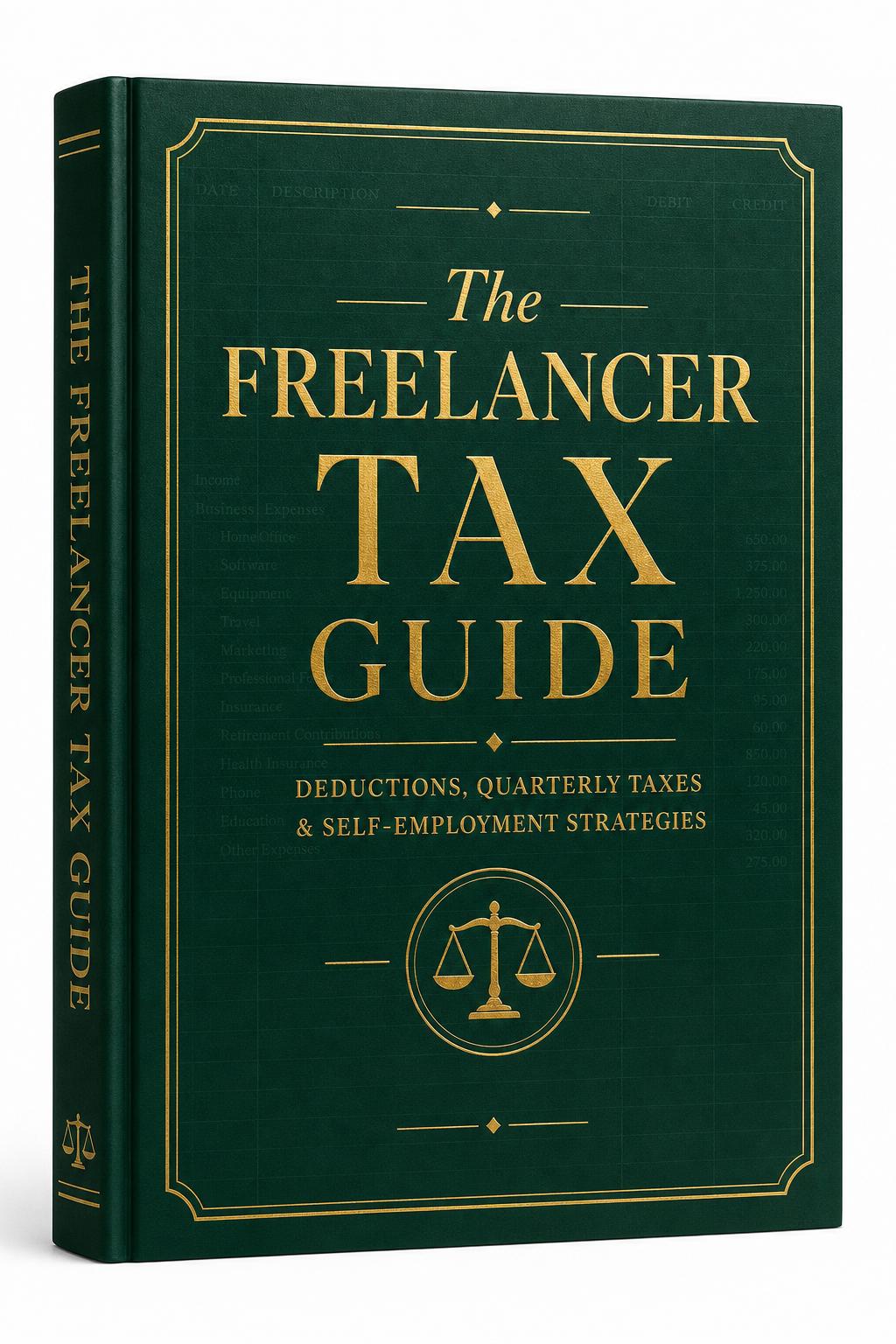
The Freelancer Tax Guide
The practical tax playbook for freelancers, contractors, and solo creatives — deductions, quarterly estimates, and self-employment strategies.
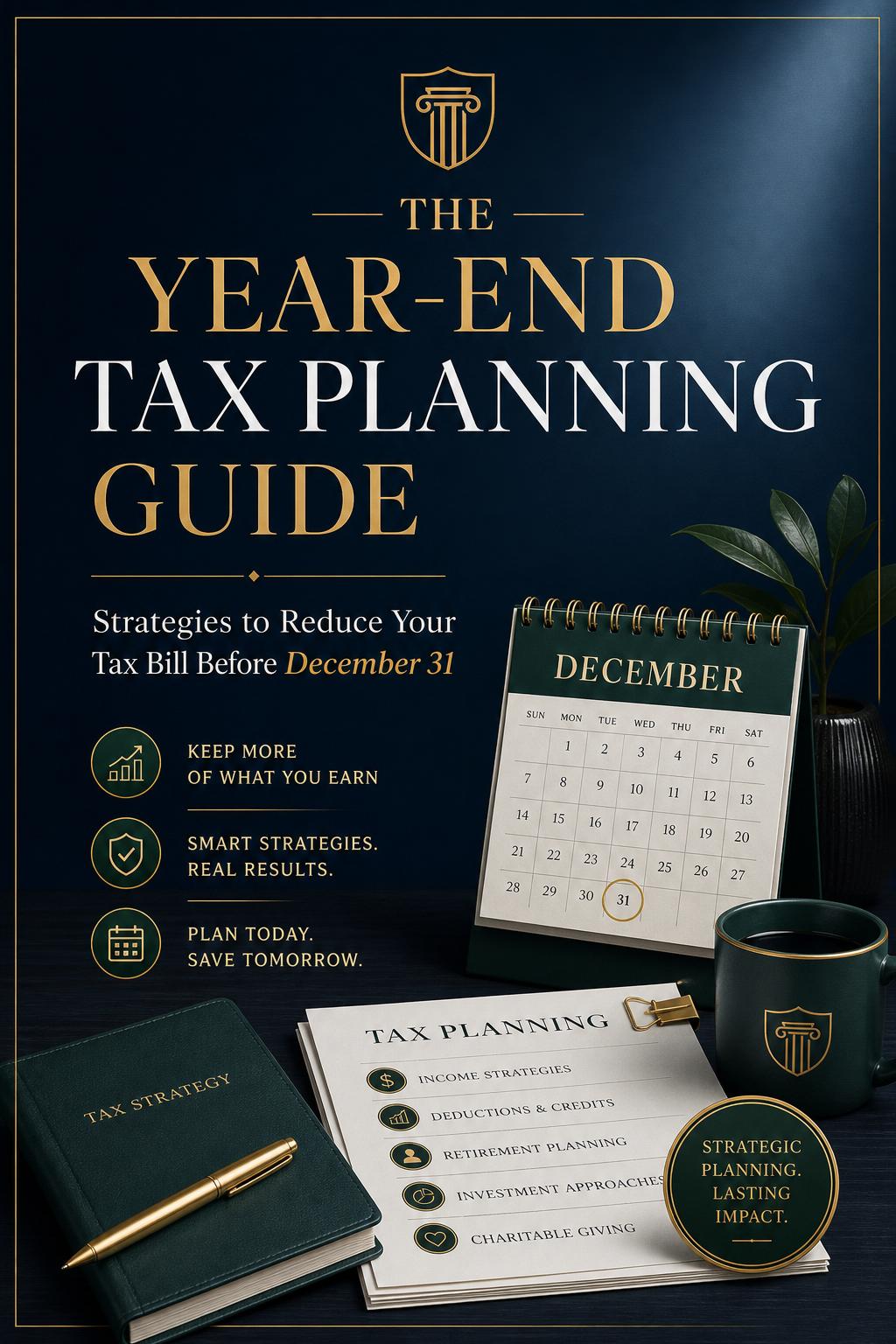
The Year-End Tax Planning Guide
The CPA's December playbook — practical strategies to reduce your tax bill before the year closes.
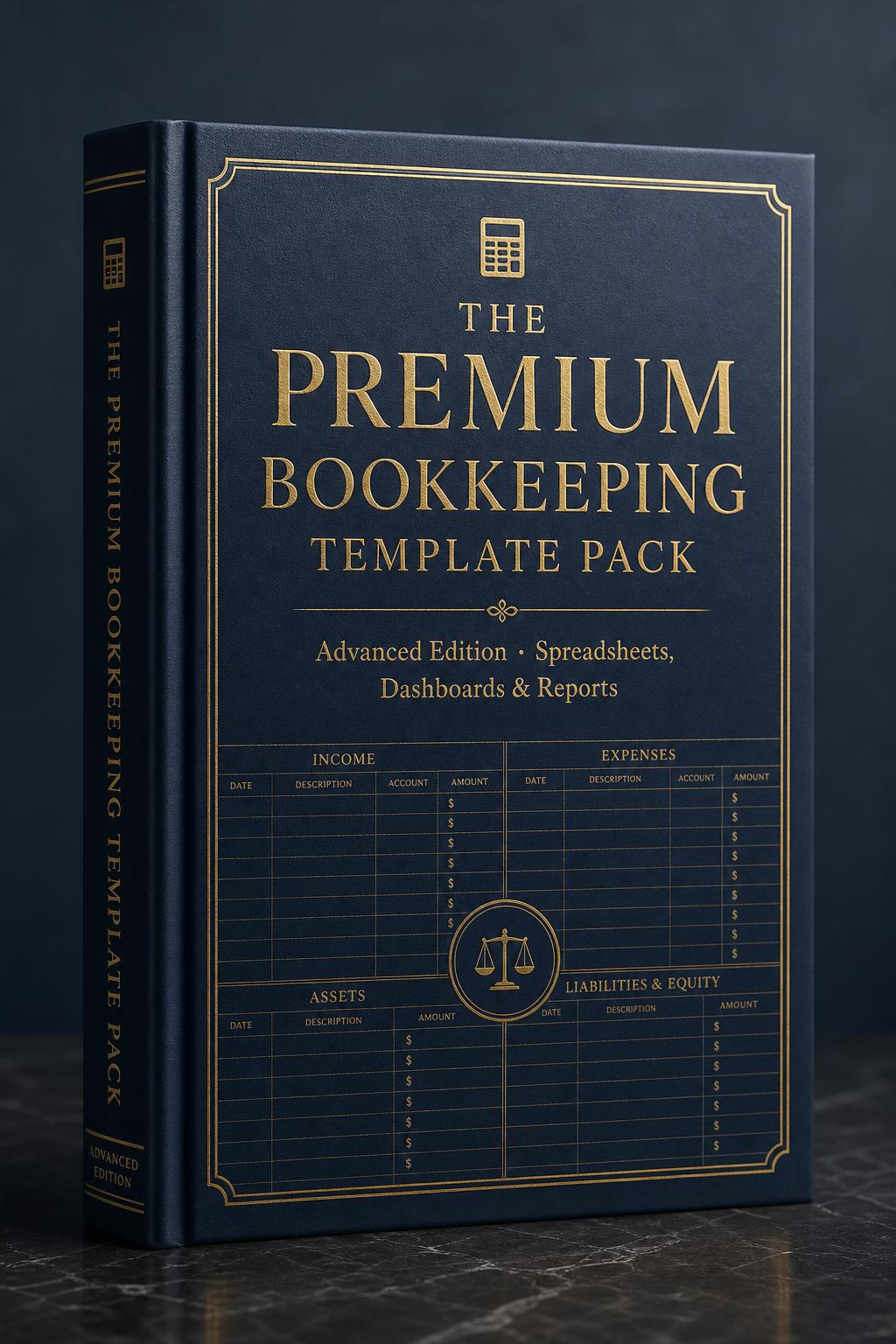
The Premium Bookkeeping Template Pack
Automated dashboards, multi-account reconciliations, and CPA-ready reporting workbooks for serious owners and bookkeepers.
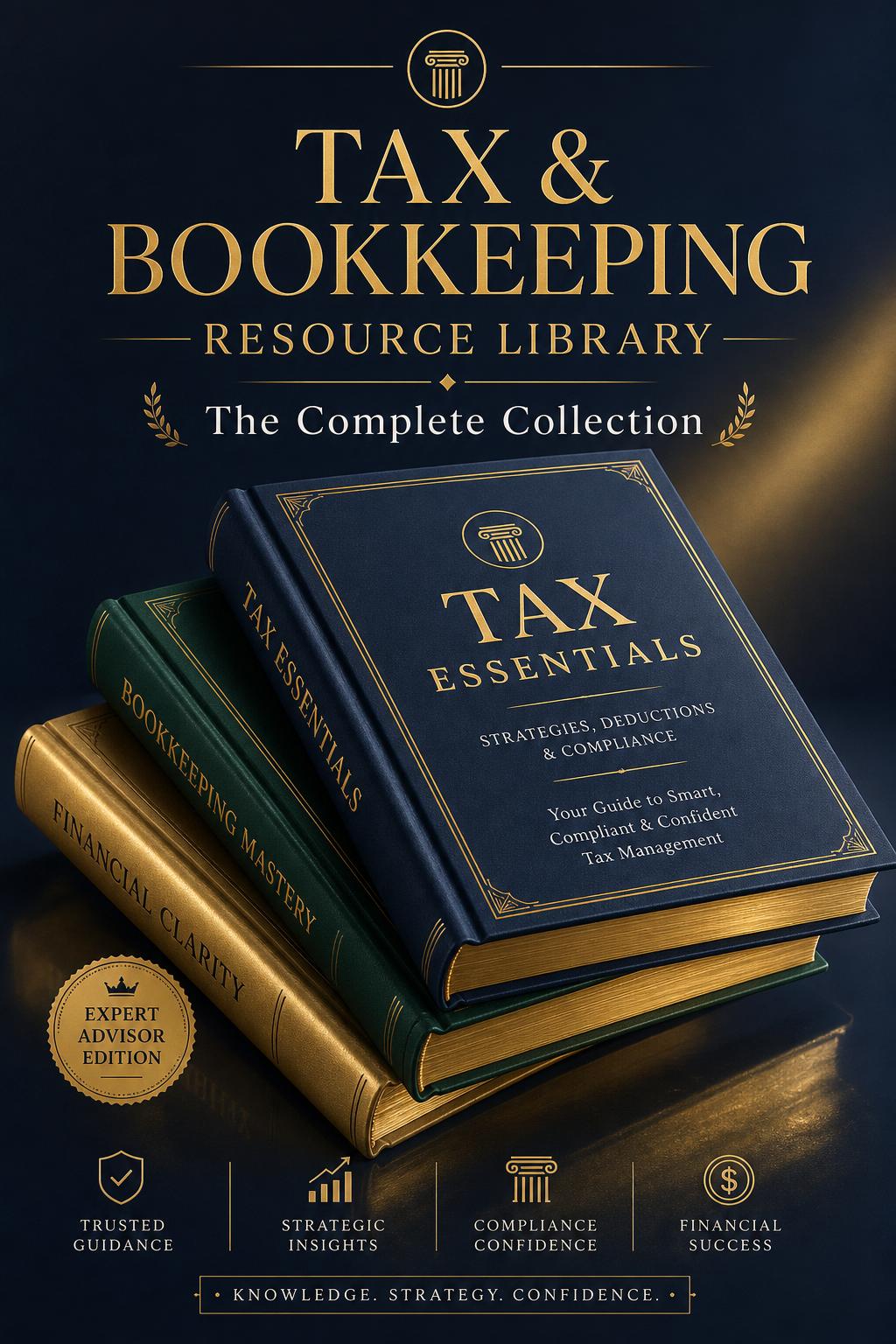
Tax & Bookkeeping Resource Library
Our complete advisor-grade collection — every premium asset an owner needs to run clean books, lower taxes, and recover messy ledgers, in one bundle.