Payroll ecosystem
Payroll done right — every pay period, every state
Payroll is the easiest place to leak money to penalties and the hardest place to recover from a mistake. This hub helps you pick the right provider tier — DIY software, full-service, or CPA-managed — and the state coverage you actually need.
The cluster
6 pages in the Payroll ecosystem
Payroll Services
National payroll providers compared by price and feature.
Explore
Professional Payroll
Full-service payroll with tax filing and W-2/1099 prep.
Explore
Small Business Payroll
Right-sized payroll for 1–50 employee businesses.
Explore
Payroll Companies
Top payroll companies ranked for SMBs in 2026.
Explore
CPA Payroll Services
Payroll run by your CPA — fully integrated with bookkeeping.
Explore
Payroll by State
State-by-state payroll providers and tax registrations.
Explore
Provider tiers
DIY, full-service, or CPA-managed — pick the right tier
The right tier depends on whether you can absorb a $5,000 federal tax penalty for a single missed 941. For most growing businesses, full-service is the floor.
- DIY (Gusto Simple, QBO Payroll Core): $40–$60 base + $6/employee
- Full-service (Gusto Plus, Rippling, ADP Run): $80–$200 base + $12/employee
- CPA-managed (your firm runs payroll inside Gusto Pro): retainer $400–$1,200/mo
- Enterprise (ADP Workforce Now, Paylocity): $200+/employee/year
Multi-state
Remote workers = new state tax registrations
One remote hire in a new state triggers withholding registration, unemployment account setup, and quarterly filings — even for a single employee.
- Register state withholding and SUTA within 20 days of first wages
- Workers' comp policy must extend to the new state
- City/local taxes: NYC, Philadelphia, San Francisco, Detroit, KCMO
- Reciprocity agreements reduce double withholding (e.g., NJ/PA)
- Convenience-of-employer rules (NY, CT, NE, DE, PA, AR) tax remote NY employees as NY-source
Tax deposits
941, 940, state UI, and the schedules that matter
Federal payroll deposits are made on a monthly or semi-weekly schedule based on lookback. State UI is usually quarterly.
- Form 941 — quarterly federal payroll return
- Form 940 — annual FUTA (0.6% effective on first $7,000)
- State UI/SUTA — quarterly, varies $7,000–$57,000 wage base
- Form W-2 — January 31 to employees and SSA
- Form 1099-NEC — January 31 for contractor payments at or above $600
Benefits & deductions
401(k), HSA, and pre-tax setups that pay back
Pre-tax deductions reduce federal income tax, FICA (7.65% employer + 7.65% employee), and most state income tax — real savings for both sides.
- 401(k): Safe Harbor avoids non-discrimination testing
- HSA: triple tax-advantaged when paired with HDHP
- FSA dependent care: up to $5,000 pre-tax
- Section 125 POP for premium-only pre-tax health deduction
Adjacent ecosystems
Pair this with the rest of CPAZenith
FAQ
Common questions
How much does payroll cost per employee?
Full-service payroll runs $6–$15 per employee per pay period plus a base fee of $40–$200/month. CPA-managed payroll inside your bookkeeping retainer typically lands at $400–$1,200/month for sub-25-employee shops.
What's the best payroll service for small business?
Gusto Plus is the default for 1–25 employees: clean UX, full state coverage, benefits administration, and contractor payments. Rippling wins for tech-forward teams that want HRIS + payroll + IT in one. ADP Run is the safe choice if you anticipate scaling past 50 FTE.
Do I need to register for payroll tax in every state where I have an employee?
Yes. Each state where you have a W-2 employee requires a state withholding account and an unemployment (SUTA) account. Most providers handle the filings but you have to complete the initial registration yourself.
What's the difference between a payroll service and a PEO?
A payroll service runs your payroll on your EIN. A PEO (Professional Employer Organization) co-employs your staff on the PEO's EIN, giving you access to Fortune-500-priced benefits in exchange for a per-employee fee of 2–11% of payroll.
Can my CPA run payroll for me?
Most CPAs partner with Gusto Pro, Rippling, or ADP Accountant Connect to run payroll on your behalf and integrate it with your monthly bookkeeping close. See CPA Payroll Services for combined pricing.
Get payroll pricing in 90 seconds
Tell us about your situation in 90 seconds. We'll match you with up to 3 verified providers — free, no obligation.
Get matched
Request a free consultation
Share a few details — a vetted CPA will reach out within one business day.
Advisor-grade guides
Downloadable ebooks & templates
CPA-ready playbooks and templates you can use today — instant downloads, no signup required.
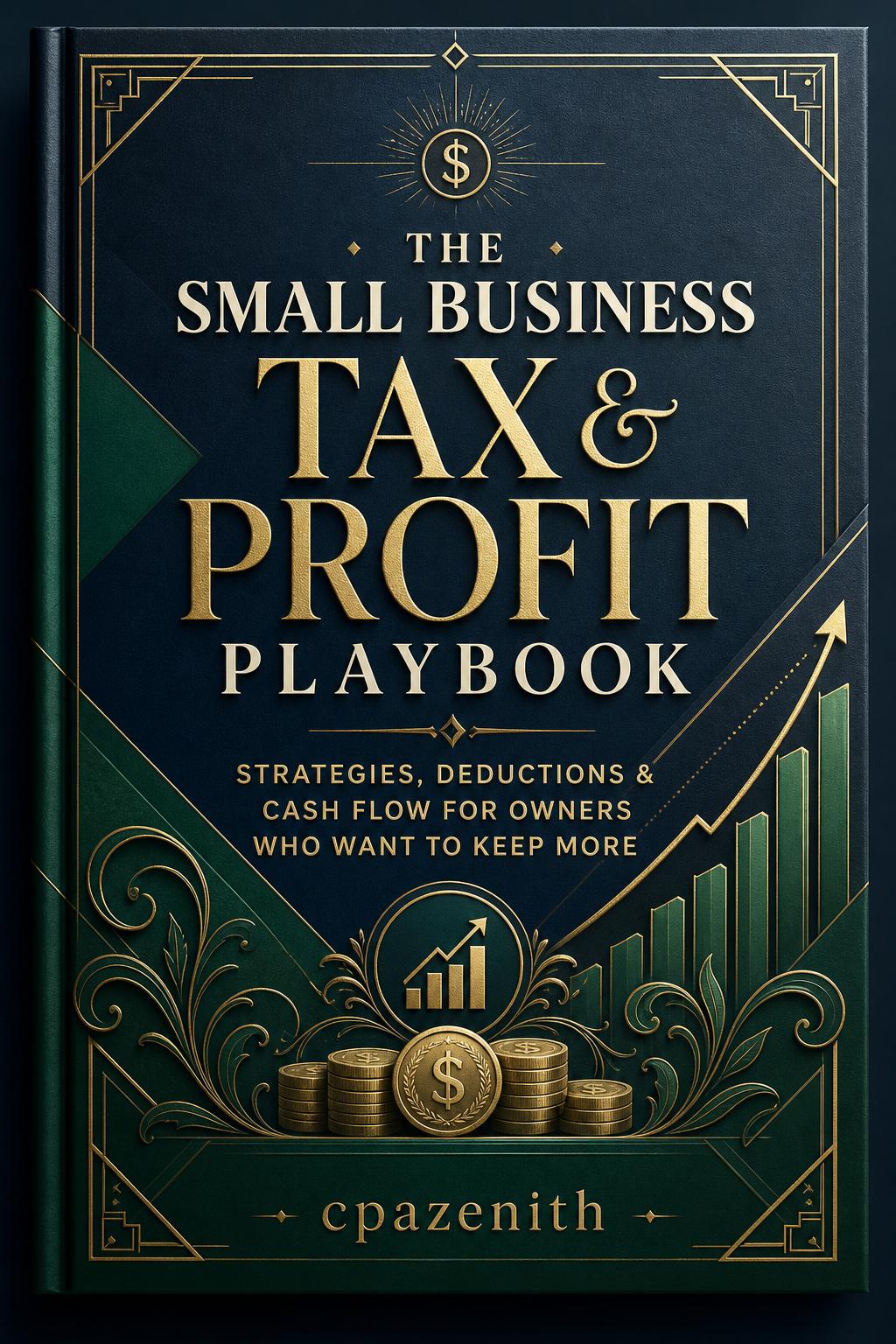
The Small Business Tax & Profit Playbook
A CPA-ready guide to deductions, quarterly taxes, S-Corp strategy, owner pay, cash flow, and year-round tax planning.
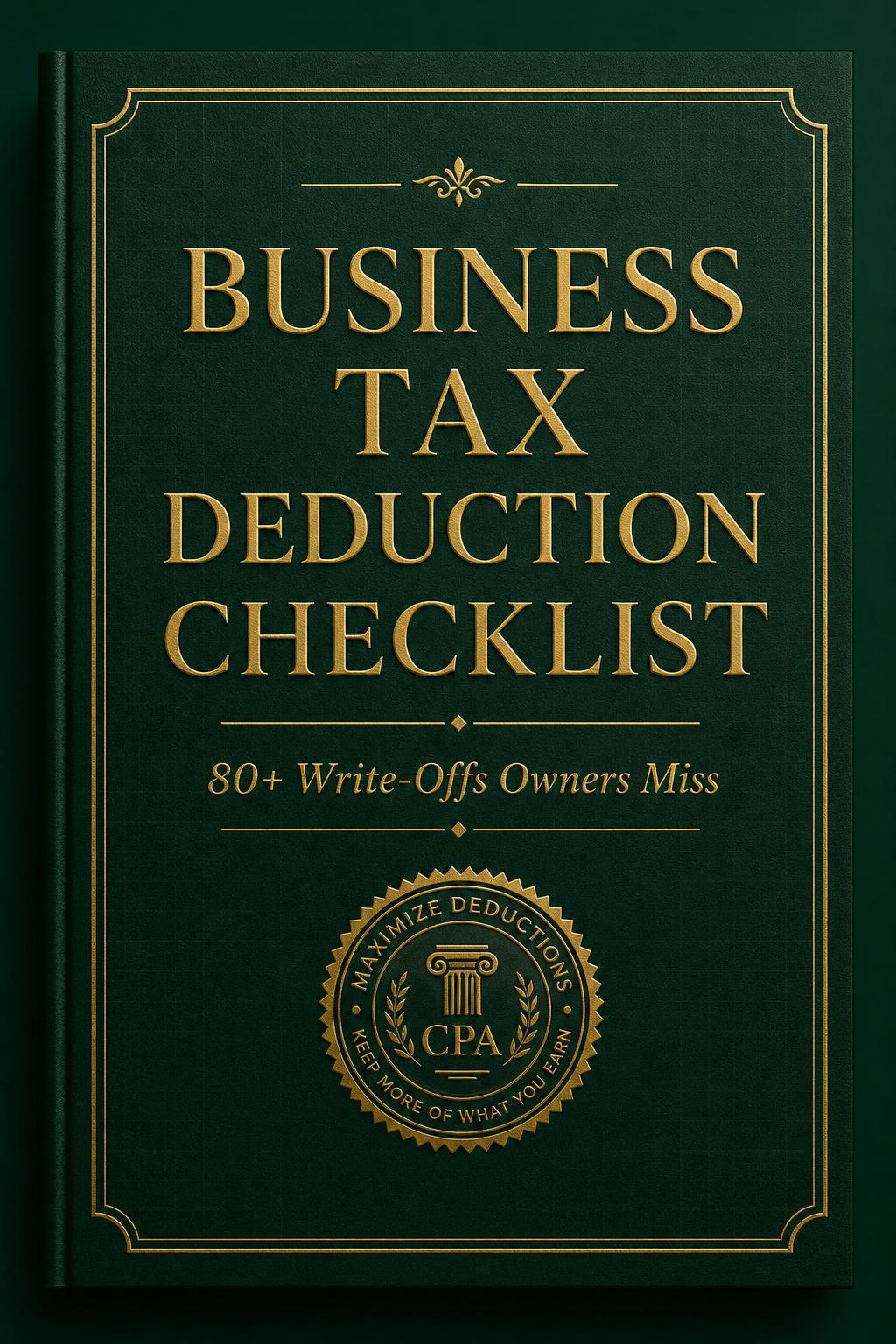
Business Tax Deduction Checklist
A CPA-curated checklist of 80+ business deductions most owners miss — organized by category so you can sweep it before filing.
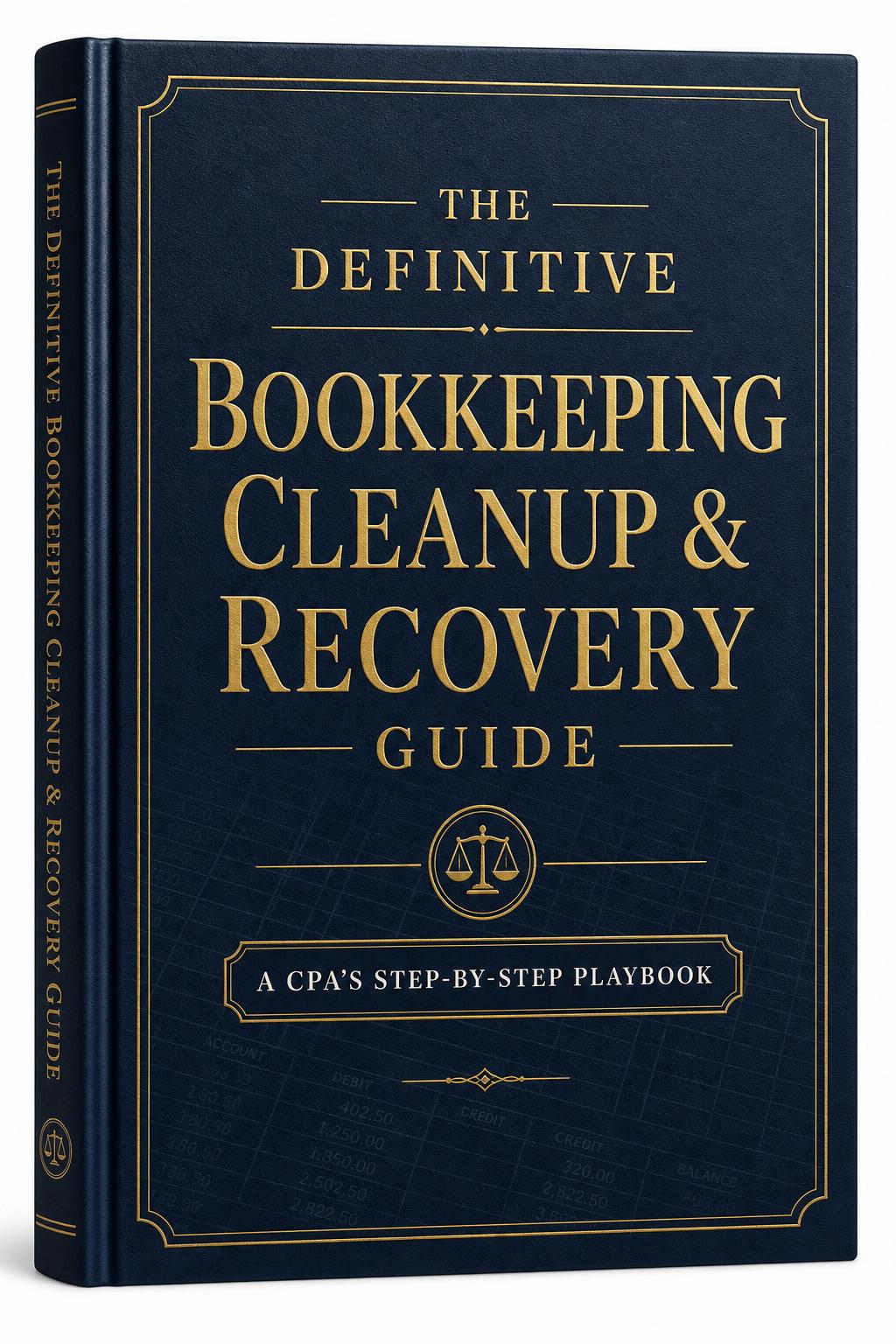
The Definitive Bookkeeping Cleanup & Recovery Guide
The CPA's step-by-step playbook for diagnosing messy books, reconstructing missing history, and restoring a clean, audit-ready ledger.

The Freelancer Tax Guide
The practical tax playbook for freelancers, contractors, and solo creatives — deductions, quarterly estimates, and self-employment strategies.

The Year-End Tax Planning Guide
The CPA's December playbook — practical strategies to reduce your tax bill before the year closes.
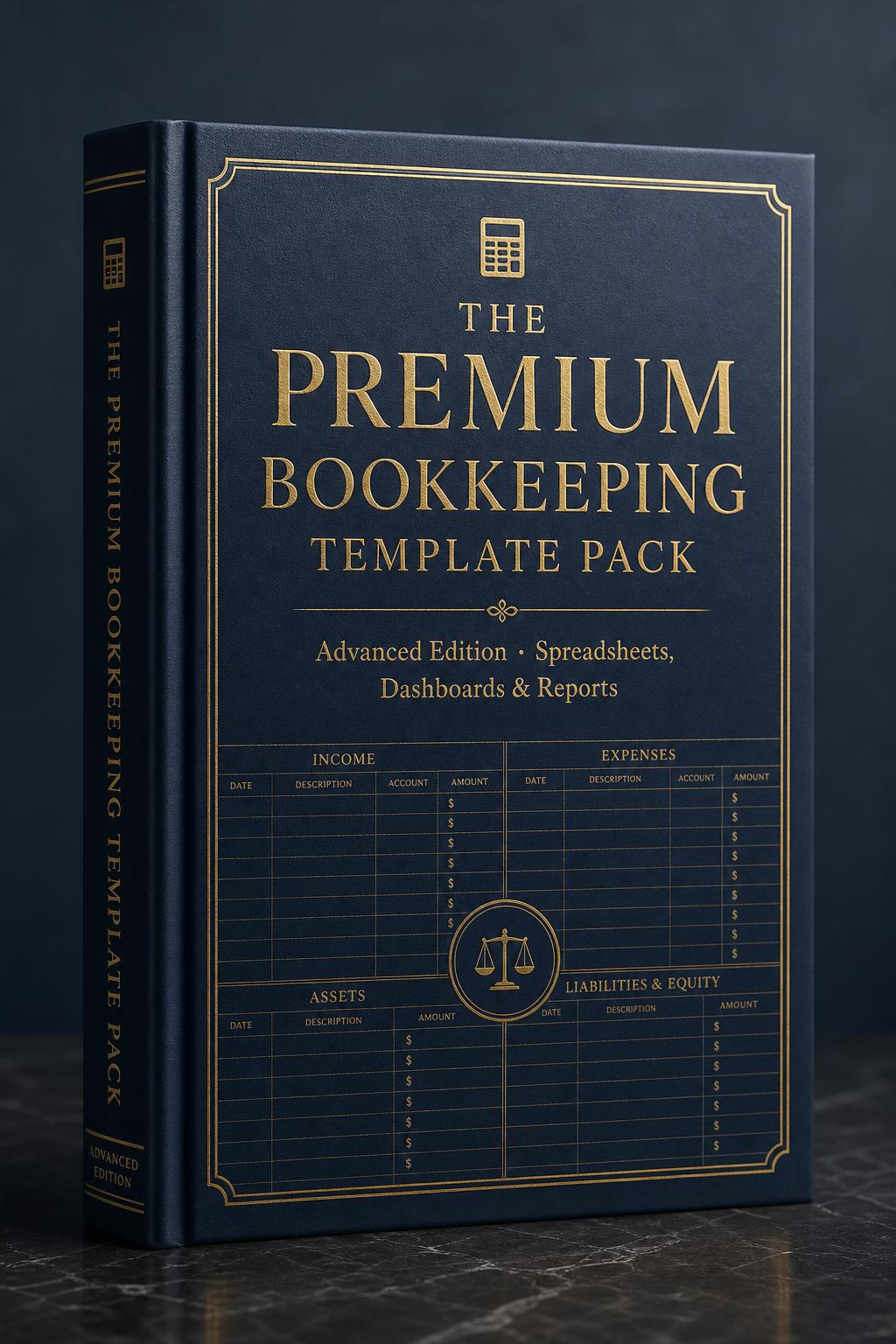
The Premium Bookkeeping Template Pack
Automated dashboards, multi-account reconciliations, and CPA-ready reporting workbooks for serious owners and bookkeepers.

Tax & Bookkeeping Resource Library
Our complete advisor-grade collection — every premium asset an owner needs to run clean books, lower taxes, and recover messy ledgers, in one bundle.