Bookkeeping + Payroll
Bookkeeping and Payroll Services
Get bookkeeping and payroll services for small businesses, startups, contractors, real estate companies, healthcare businesses, and local service providers.
Bookkeeping keeps your books accurate; payroll keeps your people paid and your taxes filed. Bundling them with one provider eliminates the manual journal entries, mismatched wage totals, and year-end reconciliation surprises that come from running them on two separate stacks.
Problems we solve
Common payroll problems we solve
Payroll mistakes are expensive. A payroll specialist gets your employees paid on time, keeps taxes compliant, and makes sure your payroll integrates cleanly with your accounting.
- Payroll taxes are late or miscalculated
- Employee classifications are wrong
- Direct deposit or pay schedules are inconsistent
- Payroll does not sync with accounting software
- State registration and filing requirements are confusing
- You are spending too much time running payroll manually
What you get
What professional payroll services cover
A modern payroll provider runs payroll, files every tax, issues year-end forms, and stays current on compliance — so you don't have to.
Multi-state W-2 payroll
Run payroll across every state where employees work, with state registrations and SUI rates handled.
1099 contractor pay
Pay contractors on-demand, classify them correctly, and file 1099-NECs at year-end.
Tax filings & deposits
Federal 941/940, state withholding, SUI, and local tax deposits filed on time, every period.
Benefits & HR integration
Health, 401(k), HSA/FSA, paid leave, and PTO accruals integrated with each payroll run.
Monthly bookkeeping
Monthly bookkeeping for small businesses
Books closed every month — not once a year — so you always know your margins, runway, and tax position. The foundation under every other service on this page.
- Every transaction categorized to a clean chart of accounts within 10 business days of month-end
- Monthly close checklist: bank rec, credit card rec, loan accruals, payroll JE, depreciation, prepaid amortization
- Cash-basis or accrual-basis books — your CPA's choice, applied consistently
- Class / location / project tracking when you need P&L by segment
- Owner draws, distributions, and contributions tracked separately from operating expenses
Bundle
Payroll + bookkeeping bundle
When your payroll provider also keeps your books, your wage and tax data flows straight to the general ledger — no manual journal entries, no end-of-year scramble.
- Payroll entries auto-posted to QuickBooks Online, Xero, or Sage with proper wage/tax/benefit splits
- Workers comp audit data pulled directly from payroll classes — no separate reconciliation
- 401(k) contribution and match accruals tracked monthly, not just at year-end
- Cash flow forecasts driven by actual pay-period and tax-deposit dates
- One vendor relationship, one bill, one team that knows your books and your payroll
- Year-end W-2 / 1099 / 1095-C production reconciled to the GL before filing
Cleanup & catch-up
Accounting cleanup and catch-up
Behind on your books? A cleanup engagement rebuilds prior months or years, reconciles every account, and hands you a tax-ready file before the next deadline.
- Diagnostic review of the current QuickBooks / Xero file — opening balances, undeposited funds, unreconciled items
- Bank and credit card statements re-imported and reconciled, month by month, through current
- Uncategorized expenses and 'Ask My Accountant' entries cleared with documentation
- Sales tax and payroll liabilities reconciled to filed returns
- Adjusting journal entries booked so prior-year retained earnings tie to the filed tax return
- Written cleanup memo handed to your CPA before tax filing
Reconciliation
Bank and credit card reconciliation
Every bank, credit card, loan, and merchant account reconciled monthly to the statement. The fastest way to catch fraud, duplicate charges, and missed revenue.
- Every operating account, savings account, and credit card reconciled to the statement balance
- Stripe, Square, PayPal, and Shopify clearing accounts reconciled to gross sales and fees
- Loan principal vs. interest split correctly on every payment
- Outstanding checks and deposits in transit aged and investigated
- Reconciliation reports archived monthly — audit-ready if the IRS or a lender asks
AP & AR
Accounts payable and receivable
Bills paid on time, invoices sent the day work is delivered, and aging reports reviewed weekly so cash stops slipping through the cracks.
- Bill capture via Bill.com, Ramp, or QuickBooks Bill Pay with approval routing
- Vendor W-9 collection at onboarding — 1099 list ready in January, not scrambled in February
- Customer invoices issued from QuickBooks / Xero with payment links and auto-reminders
- Weekly AR aging review with collection escalation at 30 / 60 / 90 days
- Cash application matched to deposits, with short pays and credit memos handled cleanly
Financial reports
Monthly financial reports you can actually use
Standard P&L, balance sheet, and cash flow — plus the KPI views you actually run the business on, delivered with a written summary every month.
- Profit & loss, balance sheet, and statement of cash flows — comparative to prior month and prior year
- Gross margin by product line, service, or project when class tracking is in place
- AR and AP aging summaries with collection / payment recommendations
- Budget vs. actual variance reports when you've set a budget
- Plain-English monthly summary highlighting what changed and what to act on
Tax-ready books
Tax-ready books handed to your CPA
Books closed and reviewed so your CPA can prepare Form 1120-S, 1120, 1065, or Schedule C without a single follow-up question.
- Year-end trial balance reconciled to bank, payroll, and sales tax filings
- Fixed asset schedule and current-year depreciation matched to the tax return
- Owner compensation, distributions, and shareholder loans cleanly separated
- Meals, travel, vehicle, and home office accounts coded to match tax treatment
- 1099-NEC list prepared and reconciled to the GL by January 15
- Direct collaboration with your CPA — no document back-and-forth in March
Classification
Contractor vs. employee compliance
Misclassifying a worker as a 1099 contractor when they should be a W-2 employee is the single most expensive payroll mistake — back wages, back taxes, penalties, and state audits.
- IRS three-prong test (behavioral, financial, relationship of the parties) documented
- State ABC tests (California AB5, Massachusetts, New Jersey) applied where stricter than federal
- Section 530 safe harbor relied on only with a defensible reasonable-basis position
- Form SS-8 strategy considered before voluntary worker reclassification
- VCSP (Voluntary Classification Settlement Program) used to limit back tax exposure on reclassifications
- 1099-NEC issued by January 31 for every contractor paid $600+ during the year
Startups
Startup bookkeeping
Pre-revenue or just past your first round — startup books are different. R&D capitalization, SAFEs, equity grants, and investor reporting all need to be set up right from day one.
- Chart of accounts built to match SaaS / startup KPIs (MRR, ARR, gross margin, burn, runway)
- Section 174 R&D expense capitalization tracked correctly
- SAFEs, convertible notes, and priced rounds booked to equity vs. liability properly
- 83(b) elections, ISOs, RSUs, and option exercises reflected in the cap table and books
- Investor-ready monthly reports: P&L, balance sheet, cash, runway, key metrics
- Delaware franchise tax and state qualification compliance tracked
Small business payroll
Small business payroll support
From your first hire through 50+ employees, a dedicated payroll specialist runs every cycle, files every tax, and answers your team's pay questions directly.
- Bi-weekly or semi-monthly payroll runs with direct deposit and pay stubs
- S-corp owner reasonable compensation calculated and run through payroll
- Garnishments, child support, and levies processed in compliance with state rules
- Time tracking integrations (Gusto, QuickBooks Time, Homebase, When I Work)
- PTO and sick leave accruals configured to match your policy and state mandates
- Direct phone and email support for HR and employee pay questions
Industries served
Industries we serve
Bookkeeping and payroll specialists who already know your industry's chart of accounts, KPIs, and compliance quirks.
- Startups and SaaS — MRR / ARR tracking, R&D capitalization, equity events
- Real estate — entity-per-property books, depreciation schedules, 1031 tracking, STR reporting
- Healthcare and medical practices — payer mix, RVU tracking, HSA/FSA payroll, HIPAA-aware workflows
- Construction and trades — job costing, WIP schedules, certified payroll, workers comp by class
- Professional services and agencies — utilization, project profitability, retainer accounting
- Restaurants and hospitality — tip reporting, FICA tip credit, daily sales reconciliation
- Ecommerce — Shopify / Amazon / Stripe clearing accounts, sales tax by state, inventory cost
- Trucking and logistics — IFTA, per diem, owner-operator vs. company driver payroll
What it costs
Payroll services pricing
Typical US pricing for outsourced payroll. Most providers bill a monthly base plus a per-employee charge.
| Service | Typical range | Notes |
|---|---|---|
| Base subscription (monthly) | $40 – $180 | Most providers charge a flat monthly base for software + tax service |
| Per-employee per month | $6 – $25 | Volume tiers; PEOs charge $30–$80+ but bundle benefits |
| Per-contractor per month | $5 – $15 | Some providers charge only when the contractor is actually paid |
| Year-end W-2 / 1099 | $0 – $8 per form | Bundled in most full-service plans; standalone fee for tax-only services |
| Multi-state add-on | $0 – $20 per state / mo | Some providers charge per additional state, others bundle |
| Payroll + bookkeeping bundle | $300 – $1,500 / mo | All-in for a 1–25 employee small business; scales with headcount and complexity |
| PEO co-employment | $150 – $200 / employee / mo | Includes Fortune-500-grade health, 401(k), workers comp |
Compare your options
CPA payroll vs. payroll company vs. PEO
Three real paths for outsourcing payroll. The right one depends on headcount, benefits ambition, and how tightly payroll needs to integrate with your books and tax return.
CPA-led payroll
CPA payroll service
- •Payroll runs in software owned by your accounting firm
- •Tax filings tied directly to your year-end return
- •Single point of contact for payroll, books, and tax
- •Compliance advice built into the relationship, not billed by the hour
- •Best when your CPA handles your books and return already
Best for
1–50 employee businesses that already work with a CPA firm
Outsourced payroll company
Full-service payroll company
- •Provider runs payroll and files every federal, state, and local tax
- •Self-service portals for employees and contractors
- •Tax-penalty guarantee on the provider's filings
- •Strong benefits administration add-ons (health, 401(k), HSA)
- •Year-end W-2 and 1099 production included
Best for
1–200 employee businesses that want payroll fully off their plate
PEO co-employment
Professional Employer Organization
- •Provider becomes co-employer of record on your W-2s
- •Fortune-500-grade health insurance, 401(k), and workers comp at small-employer prices
- •Multi-state compliance handled across every jurisdiction
- •Higher cost — typically $150–$200 per employee per month
- •Tradeoff: less control and harder to switch providers later
Best for
10–75 employee growth companies competing for talent on benefits
Software
Payroll software comparison
Most CPA and outsourced payroll providers run on one of these platforms. Knowing the platform helps you compare apples to apples.
| Platform | Best for | Pricing (typical) | Notes |
|---|---|---|---|
| Gusto | 1–50 employee small businesses, modern UX, embedded benefits | $40 base + $6–$12/ee/mo | Easy onboarding, contractor-only plan, strong multi-state support |
| ADP RUN / Workforce Now | SMB through mid-market, deep HR add-ons | Quote-based, ~$59 base + $4–$8/ee | Industry default at scale; complex pricing, requires negotiation |
| Paychex Flex | Small to mid-market, strong PEO option (Paychex PEO) | Quote-based, ~$39 base + $5/ee | Strong workers comp integration; PEO is competitive vs. TriNet/Insperity |
| QuickBooks Payroll | Existing QBO bookkeeping clients | $50 – $130 base + $6–$11/ee/mo | Tightest integration with QBO ledger; native to most CPA firms |
| Rippling | Tech-forward SMBs combining payroll, HR, and IT | $8+/ee/mo for payroll, modular add-ons | Strong global EOR and contractor coverage; can sprawl in pricing |
| OnPay | Restaurants, agriculture, nonprofits, 1–100 employees | $40 base + $6/ee/mo | Single flat plan; strong industry support including tipped wages and clergy |
Vetting checklist
Questions to ask a payroll provider
- 1What's included in your base price, and what triggers additional fees?
- 2Do you guarantee tax filings? What happens if a deposit or filing is late or wrong?
- 3How do you handle multi-state payroll and out-of-state remote employees?
- 4How are contractor payments and 1099-NEC filings handled?
- 5What benefits do you integrate with (health, 401(k), HSA, commuter, life)?
- 6How quickly do you respond to a payroll-related tax notice from the IRS or a state?
- 7Do you offer payroll + bookkeeping together, or are those two separate vendors?
- 8What does the year-end W-2 / 1099 process look like and what's included?
Featured Professionals
Featured payroll providers
Verified professionals will appear here as profiles are claimed and reviewed.
Keep exploring
Related payroll services
Payroll Tax Filing Services
941/940, state withholding, SUI, and year-end W-2/1099 filings done for you.
Payroll Setup for Small Businesses
EIN, state registrations, Gusto/QBO/ADP build, and first payroll run.
1099 Contractor Payroll Support
W-9 collection, TIN matching, ACH pay runs, and 1099-NEC filing.
Payroll Services, Greenwood IN
Indiana payroll with state + county tax handled (Johnson County).
Payroll Services, Milwaukee WI
Wisconsin payroll for Milwaukee employers — state WT, SUI, and PFML-readiness.
Professional Payroll Services
National hub for CPA-led and outsourced payroll providers.
By city
Find this service by city
Houston, TX
Houston CPAs serve energy, healthcare, and the city's vast small-business community.
Dallas, TX
Dallas accounting firms anchor finance, real estate, and corporate headquarters across DFW.
Los Angeles, CA
LA's accountants specialize in entertainment, real estate, and creative-industry tax planning.
San Francisco, CA
San Francisco CPAs serve startups, venture-backed companies, and complex equity-comp clients.
New York City, NY
NYC's accountants cover Wall Street, media, real estate, hospitality, and the small businesses of all five boroughs.
Miami, FL
Miami's CPAs specialize in international tax, real estate, hospitality, and Latin American business.
Chicago, IL
Chicago accountants serve professional services, manufacturing, logistics, and the Midwest's largest corporate base.
Atlanta, GA
Atlanta's CPAs support film, fintech, logistics, and one of the country's most dynamic small-business scenes.
Boston, MA
Boston-area accountants serve life sciences, higher education, financial services, and innovation-economy startups.
Seattle, WA
Seattle CPAs serve tech, aerospace, and the Pacific Northwest's deep entrepreneurial bench.
Washington DC, DC
Washington DC accountants serve federal contractors, nonprofits, associations, and the law firms that anchor the capital's economy.
Baltimore, MD
Baltimore CPAs serve healthcare systems, port and logistics operators, biotech, and the city's deep nonprofit and higher-ed community.
Common questions
Payroll services FAQs
How much do professional payroll services cost?+
Most outsourced payroll providers charge a monthly base ($40–$180) plus a per-employee fee ($6–$25). PEOs charge $150–$200 per employee per month but bundle Fortune-500 benefits. A payroll + bookkeeping bundle for a 1–25 employee small business typically lands between $300–$1,500/month. See the pricing table above for the full breakdown.
What's the difference between a CPA payroll service and a payroll company?+
A CPA payroll service runs payroll inside your accounting firm — same team that does your books and return. A payroll company (Gusto, ADP, Paychex) is a dedicated payroll vendor. CPA-led wins on integration; full-service payroll companies win on self-service tooling and benefits admin. PEOs sit on top of either with co-employment.
Do I have to use the payroll provider my CPA uses?+
No. Most CPAs work with whichever provider you already have. That said, if your CPA runs payroll natively in QuickBooks Online or Gusto, switching to their stack often simplifies the year-end close and eliminates manual GL entries.
What happens if my payroll provider files taxes late?+
Reputable full-service providers (Gusto, ADP, Paychex, QuickBooks Payroll, OnPay) offer a tax-penalty guarantee — if the provider files late or wrong, they pay the penalties and interest. Always confirm this is in writing before signing.
Do I need to issue 1099s if I use a payroll provider for contractors?+
If you pay contractors through your payroll provider, the provider issues 1099-NEC at year-end. If you pay contractors outside payroll (Venmo, check, ACH), you're responsible — and most CPAs and bookkeepers will issue them for you.
Can payroll providers handle multi-state employees?+
Yes. Modern providers (Gusto, ADP, Rippling, QuickBooks Payroll) handle multi-state payroll natively — registering you in each state, applying the right SUI rate, and filing in each jurisdiction. Some charge an add-on per additional state; others bundle.
Should I move to a PEO?+
PEOs make sense for 10–75 employee growth companies that need Fortune-500 benefits to compete for talent. Below 10 employees the per-head cost rarely justifies the benefit. Above 75–100 you're usually better off going direct on benefits and using a standalone payroll provider.
Who reports new hires — me or the payroll provider?+
Full-service payroll providers file new-hire reports with the correct state directory within the statutory window. If you run payroll in-house or DIY, the responsibility is yours — and the state penalties for missed reports are surprisingly steep.
How to choose
How to choose a payroll provider
Use these criteria to compare candidates side by side and avoid the most common hiring mistakes.
Industry concentration
Ask how many clients in your industry they currently serve. Generalists miss niche credits, filings, and software conventions.
Credentials and licensure
Verify active CPA license, Enrolled Agent status, or relevant certifications (QuickBooks ProAdvisor, Xero Partner, AFSP).
Software stack
Confirm they work in your existing platforms — QuickBooks Online, Xero, Gusto, Sage Intacct — rather than forcing a migration.
Engagement scope and SLAs
Get a written engagement letter that lists deliverables, monthly close date, response times, and what is and isn't included.
Pricing transparency
Prefer fixed monthly fees over open-ended hourly billing for recurring work. Ask what triggers a price increase.
References and reviews
Ask for 2–3 current client references in your industry, plus check independent reviews and state-board status.
Ready to outsource payroll?
Tell us a few details about your company and we'll match you with CPA-led payroll providers and outsourced payroll companies that fit.
Payroll services
Ready to hand off payroll?
Get matched with a payroll provider for multi-state W-2s, 1099s, contractor payments, and payroll tax filings.
Take the next step
Outsource payroll the smart way
Free matching
Get 3 free CPA quotes
Tell us what you need. Up to 3 verified CPAs reply within 1 business day. No fees, no pressure.
Request 3 quotesSide-by-side
Compare CPAs
Stack verified pros next to each other on pricing, specialties, and experience before you reach out.
Compare CPAsFree PDF
2026 CPA Pricing Guide
Real fee benchmarks for tax prep, bookkeeping, payroll, and advisory — by service and business type.
Download free guideGet matched
Request a free consultation
Share a few details — a vetted CPA will reach out within one business day.
Accounting Services
Explore bookkeeping and payroll by city, state, and audience
Accounting services
All accounting, bookkeeping, payroll, and tax services under one roof.
Visit pageVirtual bookkeeping services in Miami
Remote bookkeeping for Miami small businesses, with Florida sales tax handled.
Visit pageBookkeeping services in Charleston
Local Charleston bookkeepers covering SCDOR sales tax and accommodations tax.
Visit pageNew Hampshire bookkeeper services
NH bookkeeping with BPT and BET tracking, no state sales tax to manage.
Visit pageStartup CPA services
Accounting, tax, bookkeeping, and payroll for venture-backed startups.
Visit pageAdvisor-grade guides
Downloadable ebooks & templates
CPA-ready playbooks and templates you can use today — instant downloads, no signup required.
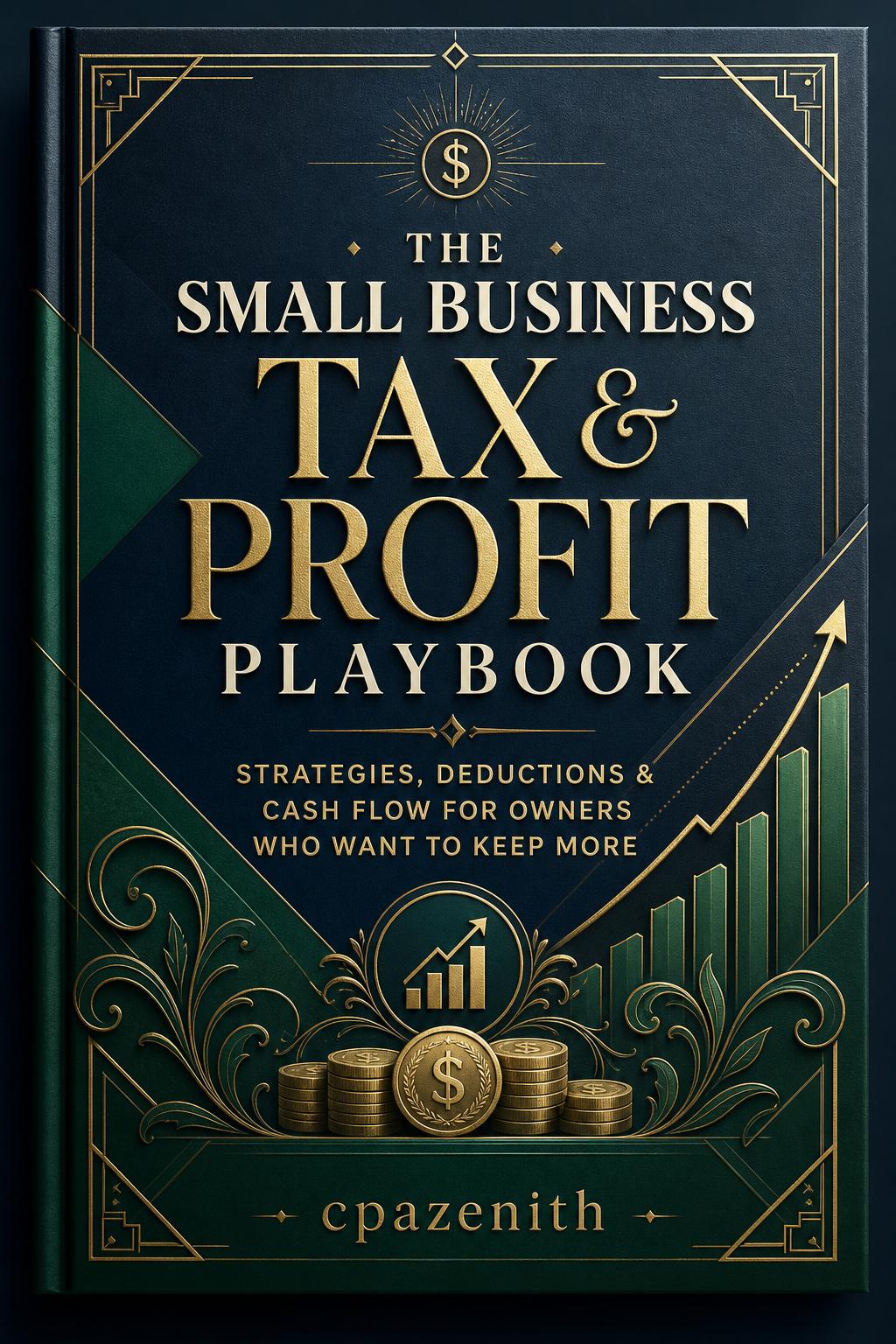
The Small Business Tax & Profit Playbook
A CPA-ready guide to deductions, quarterly taxes, S-Corp strategy, owner pay, cash flow, and year-round tax planning.

Business Tax Deduction Checklist
A CPA-curated checklist of 80+ business deductions most owners miss — organized by category so you can sweep it before filing.
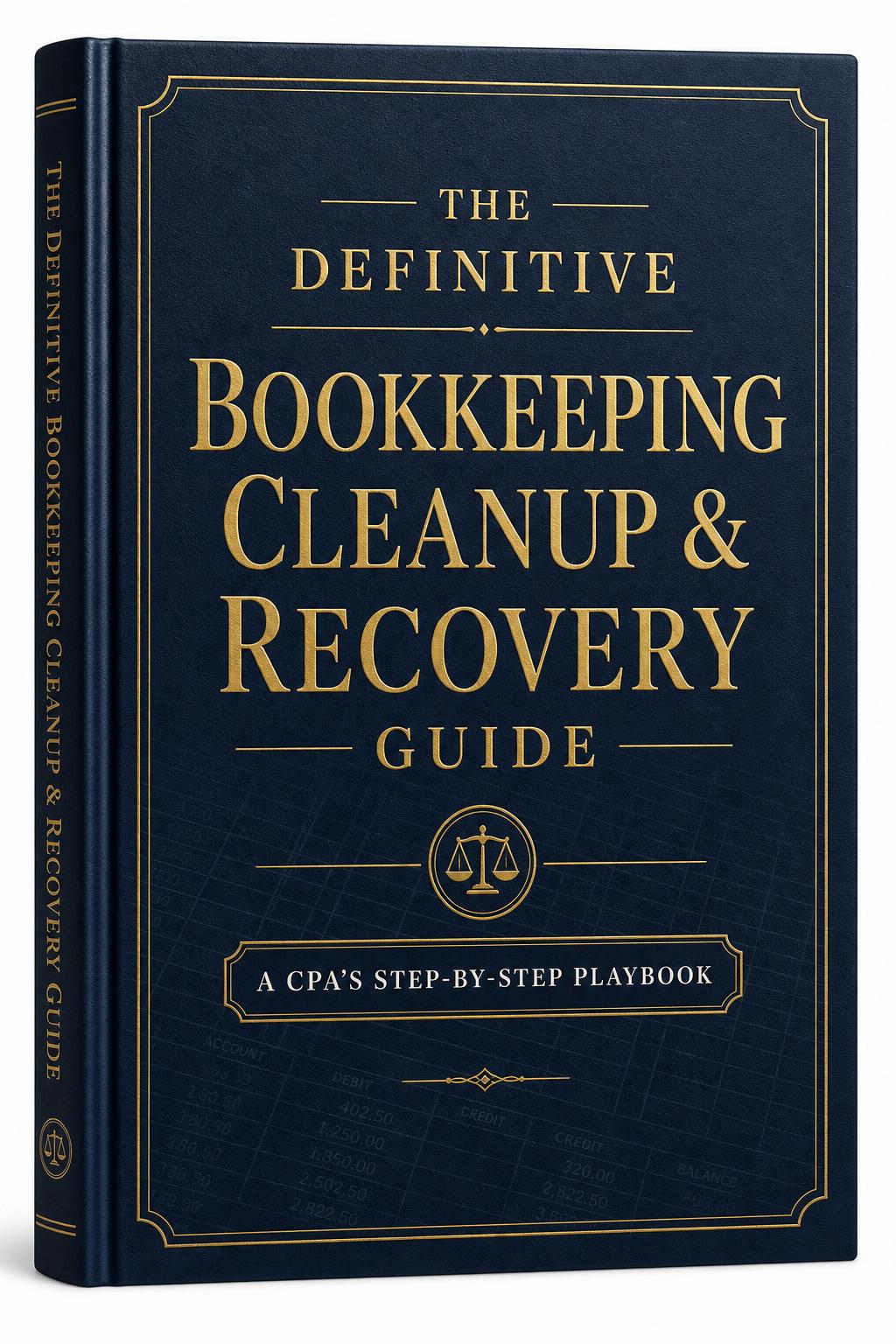
The Definitive Bookkeeping Cleanup & Recovery Guide
The CPA's step-by-step playbook for diagnosing messy books, reconstructing missing history, and restoring a clean, audit-ready ledger.

The Freelancer Tax Guide
The practical tax playbook for freelancers, contractors, and solo creatives — deductions, quarterly estimates, and self-employment strategies.

The Year-End Tax Planning Guide
The CPA's December playbook — practical strategies to reduce your tax bill before the year closes.
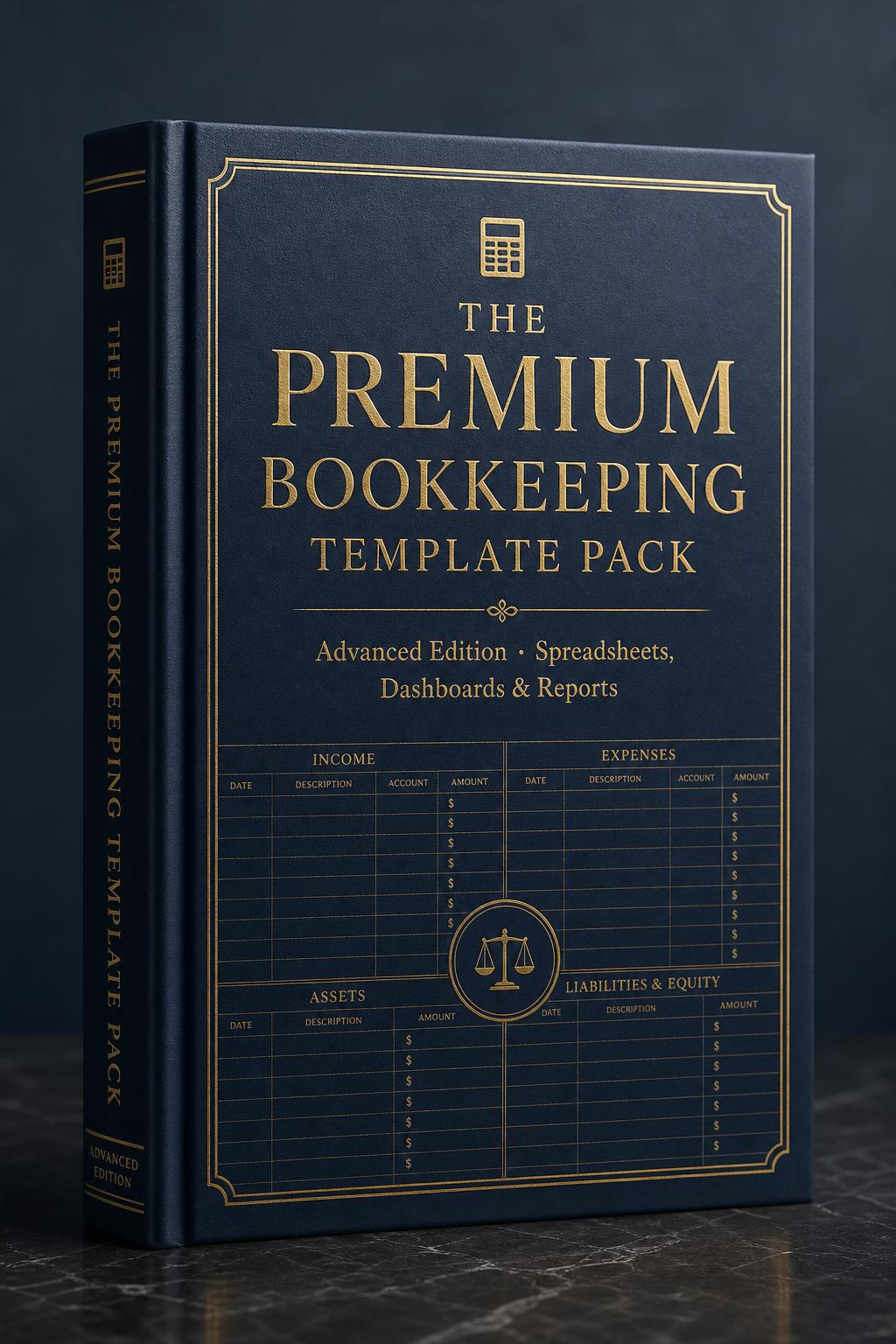
The Premium Bookkeeping Template Pack
Automated dashboards, multi-account reconciliations, and CPA-ready reporting workbooks for serious owners and bookkeepers.

Tax & Bookkeeping Resource Library
Our complete advisor-grade collection — every premium asset an owner needs to run clean books, lower taxes, and recover messy ledgers, in one bundle.