Startup tax
Startup Tax Planning
Entity strategy, Delaware franchise tax, §174 R&D capitalization, the R&D tax credit, QSBS, and multi-state nexus — coordinated from incorporation through exit.
What you get
Four levers most startups underuse
Entity & Delaware
C-corp vs. LLC, S-elections, and Delaware franchise tax filed under assumed-par.
R&D credit + §174
Federal R&D credit, payroll-tax offset, and five-year §174 amortization.
QSBS planning
Section 1202 qualification preserved from incorporation through exit.
Multi-state nexus
Income, payroll, and sales-tax nexus mapped before it becomes a fundraising blocker.
Scope
Startup tax planning topics we cover
- C-corp vs. LLC vs. S-corp election (Form 2553) for founders
- Delaware franchise tax — assumed-par method to avoid $80K+ surprise bills
- Federal Form 1120 and state income tax in every operating state
- R&D tax credit (Form 6765) and the pre-revenue payroll-tax offset (Form 8974)
- §174 R&D capitalization and amortization (5-year domestic, 15-year foreign)
- QSBS (Section 1202) qualification and the 5-year holding clock
- 83(b) elections within 30 days of restricted stock grants
- ISO vs. NSO planning and AMT exposure on exercise
- Sales-tax economic nexus thresholds (Wayfair) by state
- Estimated tax payments for the corporation and the founder
FAQ
Startup tax questions
When should a startup start tax planning?+
Before incorporation if possible. Entity choice, equity timing, and QSBS-clock decisions made in year one drive seven-figure outcomes at exit.
What is §174 R&D capitalization?+
Since 2022 startups must capitalize and amortize R&D costs — 5 years for US R&D, 15 years for foreign. Even unprofitable startups can owe federal tax because of it.
How much is the R&D tax credit worth?+
Qualifying pre-revenue startups can offset up to $500K/year of employer payroll taxes. Most credits land between 7% and 14% of qualifying R&D wages and contractor spend.
Should I convert from LLC to C-corp before raising?+
Almost always before a priced round. Investors expect Delaware C-corp, and QSBS only starts running from incorporation as a C-corp.
What is QSBS and why does it matter?+
Section 1202 lets founders and early employees exclude up to $10M (or 10x basis) of gain on qualified C-corp stock held 5+ years. It is the single most valuable founder tax break in the code.
When do I need to file in another state?+
When you have an employee, a physical office, inventory, or — for sales tax — cross the state's economic nexus threshold (typically $100K in sales or 200 transactions).
Vetting checklist
Questions to ask a startup CPA
- 1How many venture-backed or high-growth startups do you currently work with?
- 2Do you handle R&D credit, §174 capitalization, and Delaware franchise tax in-house?
- 3What's your monthly close timeline, and what does the deliverable pack include?
- 4Can you support a future audit, 409A valuation, and equity comp accounting?
- 5How is pricing structured as we grow from pre-seed to Series A?
Featured Professionals
Featured startup CPAs and firms
Verified professionals will appear here as profiles are claimed and reviewed.
Keep exploring
Related services
Fractional CFO services
Part-time CFO leadership for forecasting, fundraising, and board reporting.
Tax planning services
Year-round entity, equity, and R&D tax planning for founders.
Outsourced bookkeeping
Monthly accrual books, AP, and reconciliations done for you.
Small business payroll
Multi-state payroll and contractor 1099s handled cleanly.
Small business CPAs
Vetted CPAs for entity setup, returns, and ongoing advisory.
QuickBooks ProAdvisors
Certified ProAdvisors for setup, cleanup, and training.
By city
Find this service by city
Houston, TX
Houston CPAs serve energy, healthcare, and the city's vast small-business community.
Dallas, TX
Dallas accounting firms anchor finance, real estate, and corporate headquarters across DFW.
Los Angeles, CA
LA's accountants specialize in entertainment, real estate, and creative-industry tax planning.
San Francisco, CA
San Francisco CPAs serve startups, venture-backed companies, and complex equity-comp clients.
New York City, NY
NYC's accountants cover Wall Street, media, real estate, hospitality, and the small businesses of all five boroughs.
Miami, FL
Miami's CPAs specialize in international tax, real estate, hospitality, and Latin American business.
Chicago, IL
Chicago accountants serve professional services, manufacturing, logistics, and the Midwest's largest corporate base.
Atlanta, GA
Atlanta's CPAs support film, fintech, logistics, and one of the country's most dynamic small-business scenes.
Boston, MA
Boston-area accountants serve life sciences, higher education, financial services, and innovation-economy startups.
Seattle, WA
Seattle CPAs serve tech, aerospace, and the Pacific Northwest's deep entrepreneurial bench.
Washington DC, DC
Washington DC accountants serve federal contractors, nonprofits, associations, and the law firms that anchor the capital's economy.
Baltimore, MD
Baltimore CPAs serve healthcare systems, port and logistics operators, biotech, and the city's deep nonprofit and higher-ed community.
Startup cluster
Explore related startup guides
CPA for Startups
Hub: find startup CPAs and accounting firms.
Read guideStartup Accounting Services
Monthly close, reporting, and advisory for startups.
Read guideStartup Bookkeeping Services
Accrual books, ASC 606, and Stripe / Shopify clean-up.
Read guideStartup Payroll Services
Gusto, Rippling, Deel, equity comp, multi-state.
Read guideStartup Accounting Checklist
Stage-by-stage finance setup, pre-seed through Series A.
Read guideCPA for SaaS Startups
ASC 606, MRR/ARR, NRR, Rule of 40.
Read guideCPA for Tech Startups
Marketplace, hardware, AI, fintech tax and books.
Read guideCPA for Funded Startups
Audit prep, 409A, board reporting, fractional CFO.
Read guideFind a Startup CPA
Browse vetted CPAs and accounting firms that already serve venture-backed and high-growth startups.
Find a Startup CPAStartup Accounting Checklist
The stage-by-stage finance setup founders use from incorporation through Series A — bookkeeping, payroll, tax, and reporting.
Download the ChecklistAdvisor-grade guides
Downloadable ebooks & templates
CPA-ready playbooks and templates you can use today — instant downloads, no signup required.
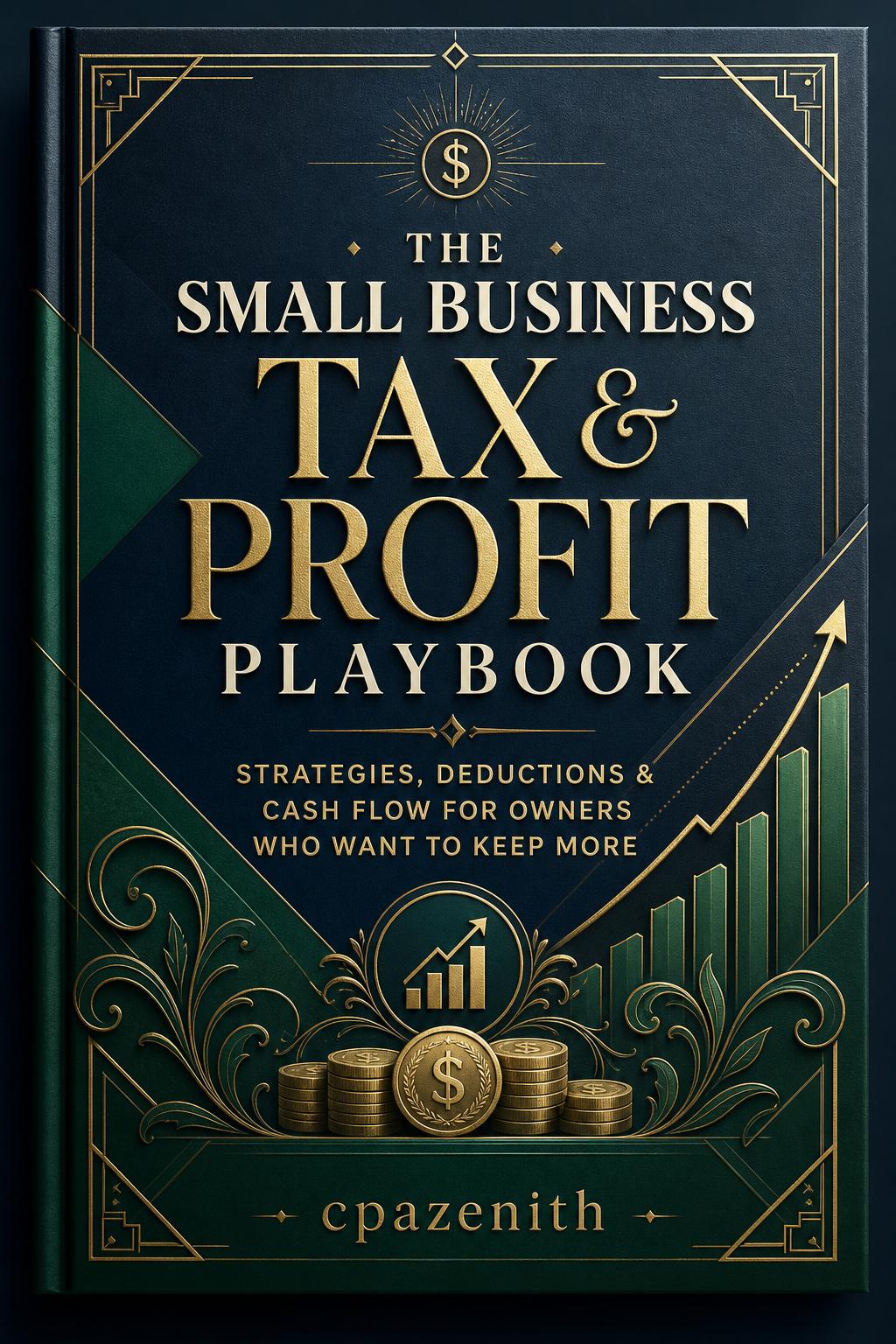
The Small Business Tax & Profit Playbook
A CPA-ready guide to deductions, quarterly taxes, S-Corp strategy, owner pay, cash flow, and year-round tax planning.
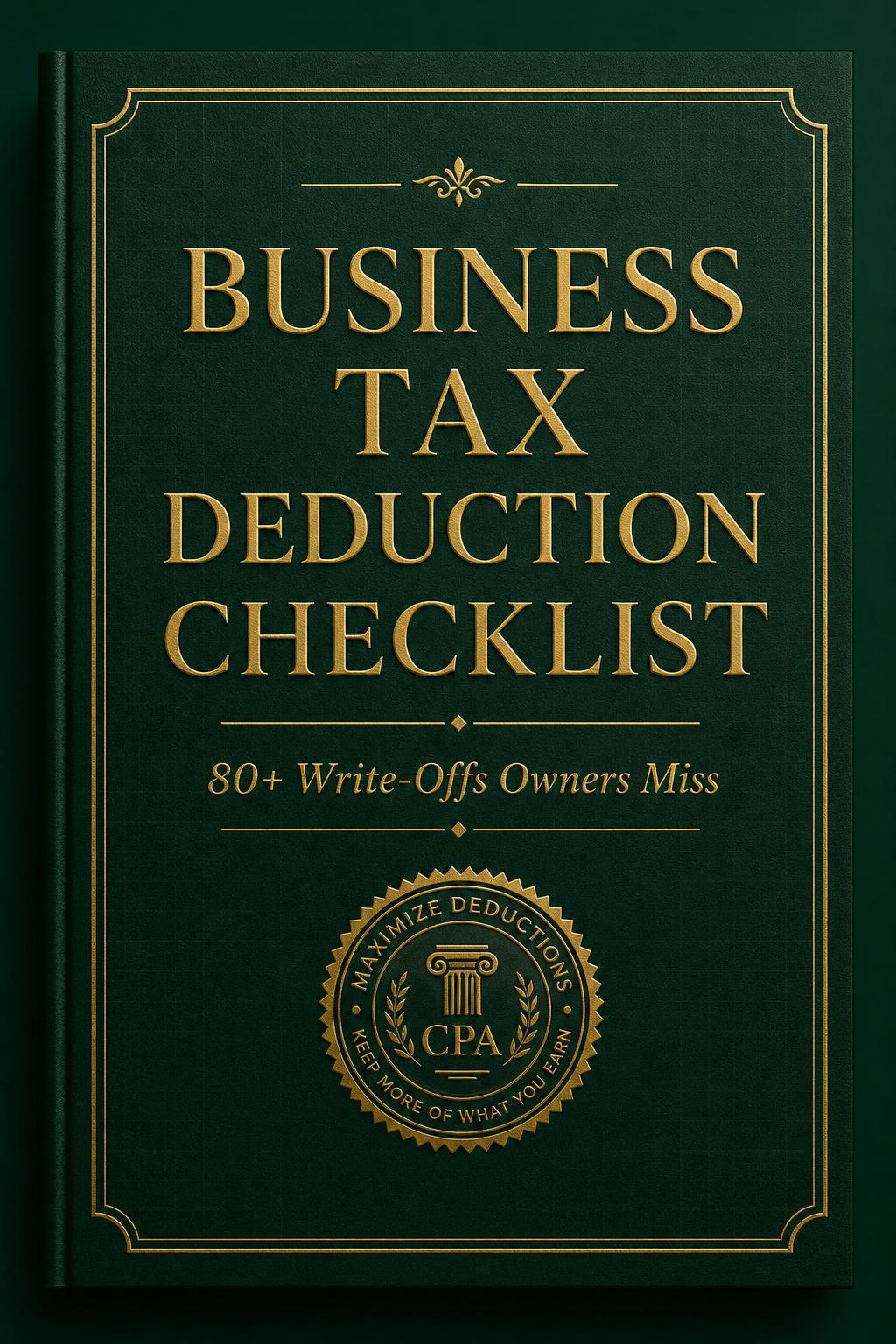
Business Tax Deduction Checklist
A CPA-curated checklist of 80+ business deductions most owners miss — organized by category so you can sweep it before filing.
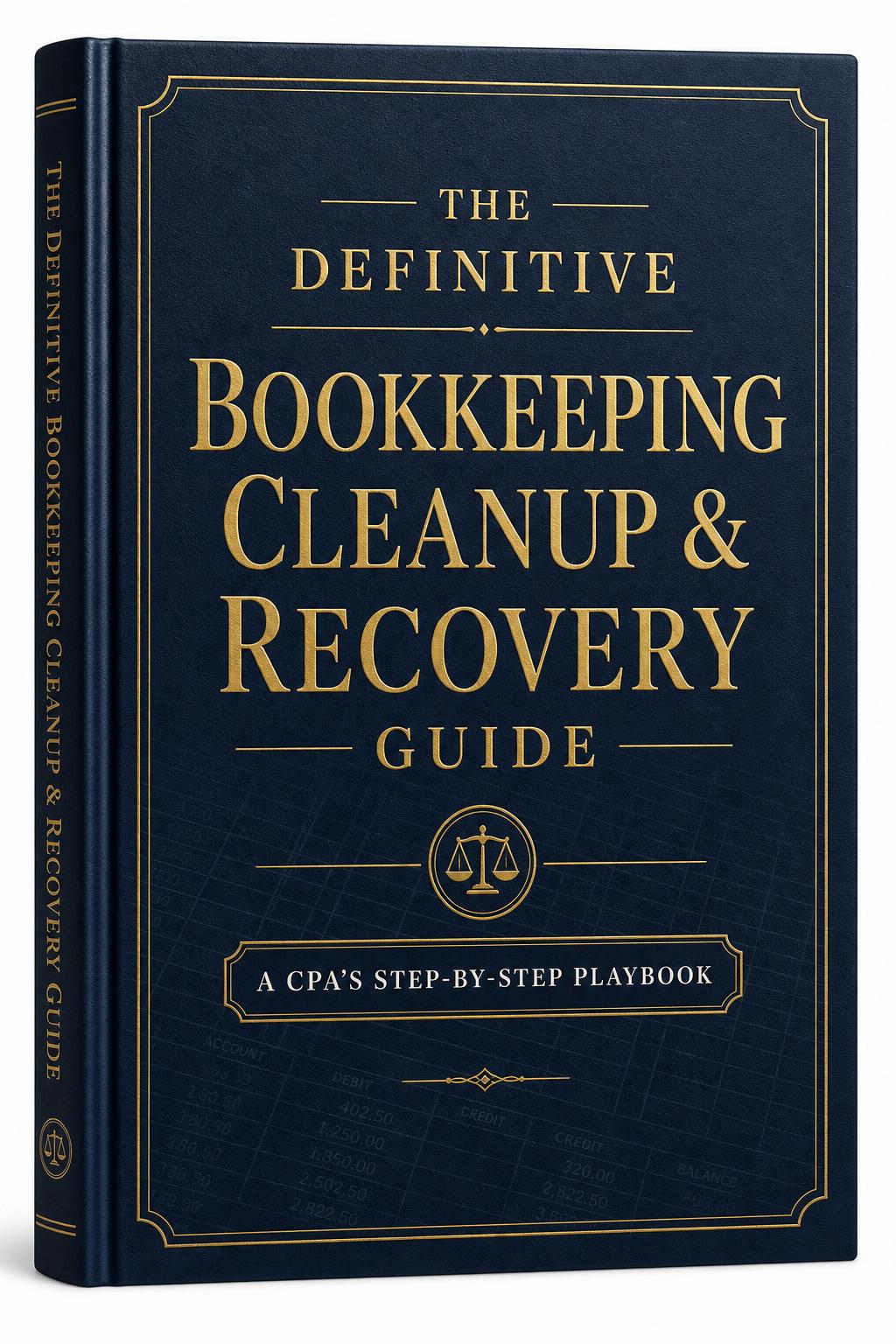
The Definitive Bookkeeping Cleanup & Recovery Guide
The CPA's step-by-step playbook for diagnosing messy books, reconstructing missing history, and restoring a clean, audit-ready ledger.
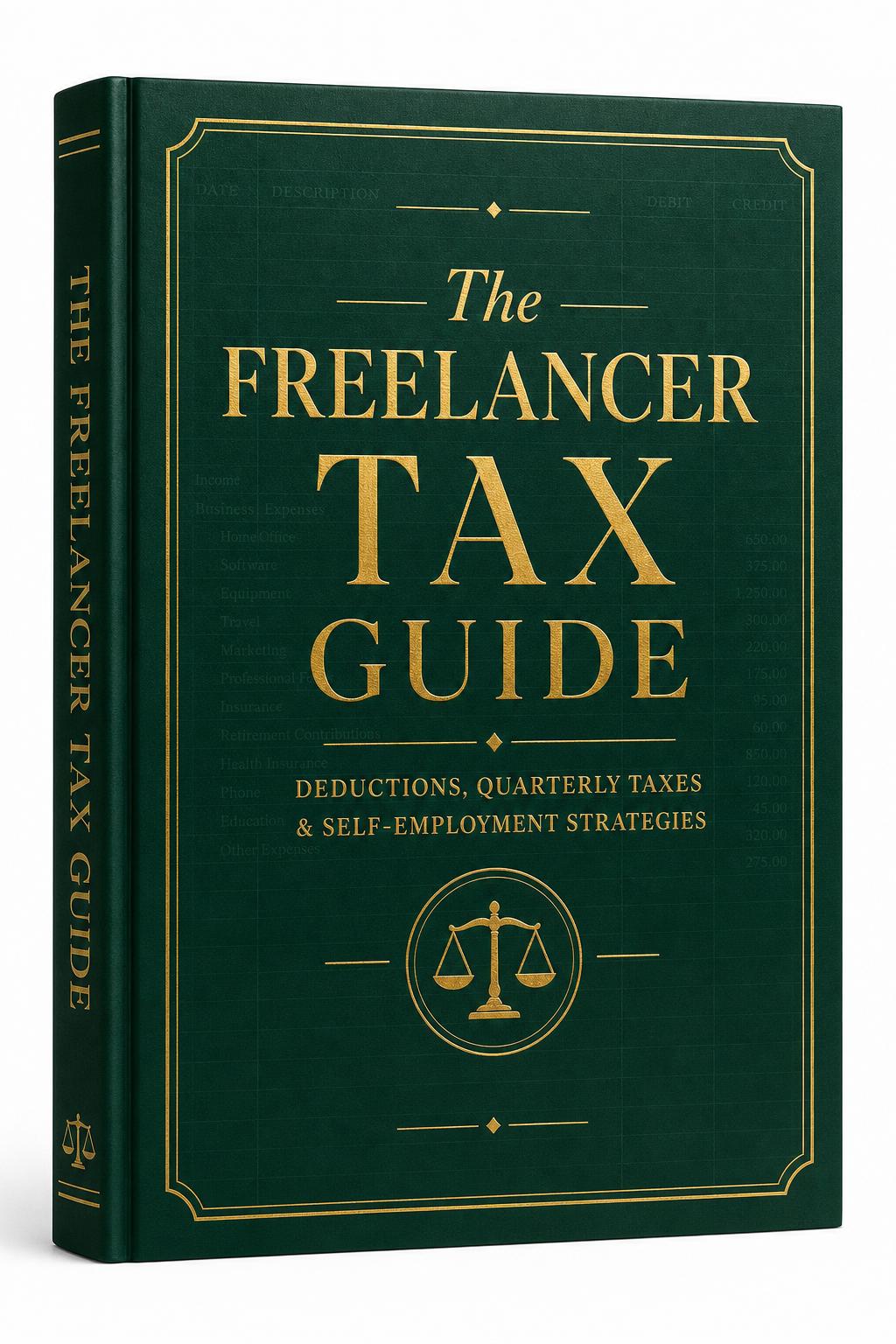
The Freelancer Tax Guide
The practical tax playbook for freelancers, contractors, and solo creatives — deductions, quarterly estimates, and self-employment strategies.
The Year-End Tax Planning Guide
The CPA's December playbook — practical strategies to reduce your tax bill before the year closes.
The Premium Bookkeeping Template Pack
Automated dashboards, multi-account reconciliations, and CPA-ready reporting workbooks for serious owners and bookkeepers.
Tax & Bookkeeping Resource Library
Our complete advisor-grade collection — every premium asset an owner needs to run clean books, lower taxes, and recover messy ledgers, in one bundle.