Tech startup CPA
CPA for Tech Startups
One firm fluent across SaaS, marketplaces, hardware, AI, and fintech — handling R&D credit, §174, equity comp, multi-state, and investor reporting.
Segments
Tech subsegments we serve
SaaS
ASC 606 deferred revenue, MRR/ARR, NRR, and Rule of 40.
Marketplace
GMV vs. net revenue, take-rate accounting, and 1099-K compliance for sellers.
Hardware
Inventory, capitalized prototype costs, COGS, and import duties.
AI & Fintech
GPU spend allocation, model R&D wages, and regulated-entity reporting where it applies.
Scope
Tech startup CPA topics
- Delaware C-corp incorporation and good-standing maintenance
- ASC 606 revenue recognition tailored to each tech subsegment
- R&D tax credit (Form 6765) and payroll-tax offset (Form 8974)
- §174 capitalization for US and foreign R&D
- Equity compensation: 83(b), ISO/NSO, RSU, and Carta integration
- Multi-state payroll and income-tax nexus mapping
- Sales-tax economic nexus and SaaS / digital-goods taxability
- Investor-ready financials and Series A diligence data room
- Fractional CFO and controller support for post-raise scaling
- Audit prep for Series B and growth-stage companies
FAQ
Tech startup CPA questions
Who counts as a 'tech startup' for accounting purposes?+
Any startup whose primary product is software, data, hardware/IoT, AI, or fintech infrastructure — including marketplaces, dev tools, vertical SaaS, and AI-native products.
Is hardware accounting different from SaaS accounting?+
Yes. Hardware adds inventory, work-in-process, capitalized prototype costs, COGS, duties, and warranty reserves. SaaS adds deferred revenue, MRR/ARR, and SaaS-specific sales-tax rules.
Do AI startups qualify for the R&D credit?+
Almost always. Engineering wages, ML researcher wages, GPU compute used in training, and contractor R&D spend typically all qualify for the federal R&D credit and §174 capitalization.
Do fintech startups need a specialized accounting firm?+
Often yes — especially if you're a money transmitter, broker-dealer, lender, or BSA-regulated. Tech-startup CPAs experienced with fintech understand both startup accounting and regulated-entity reporting.
What software stack do tech startups usually run?+
QuickBooks Online or Xero + Bill.com / Ramp + Gusto / Rippling + Carta is the pre-Series A default. NetSuite or Sage Intacct comes later, typically after Series B.
Vetting checklist
Questions to ask a startup CPA
- 1How many venture-backed or high-growth startups do you currently work with?
- 2Do you handle R&D credit, §174 capitalization, and Delaware franchise tax in-house?
- 3What's your monthly close timeline, and what does the deliverable pack include?
- 4Can you support a future audit, 409A valuation, and equity comp accounting?
- 5How is pricing structured as we grow from pre-seed to Series A?
Featured Professionals
Featured startup CPAs and firms
Verified professionals will appear here as profiles are claimed and reviewed.
Keep exploring
Related services
Fractional CFO services
Part-time CFO leadership for forecasting, fundraising, and board reporting.
Tax planning services
Year-round entity, equity, and R&D tax planning for founders.
Outsourced bookkeeping
Monthly accrual books, AP, and reconciliations done for you.
Small business payroll
Multi-state payroll and contractor 1099s handled cleanly.
Small business CPAs
Vetted CPAs for entity setup, returns, and ongoing advisory.
QuickBooks ProAdvisors
Certified ProAdvisors for setup, cleanup, and training.
By city
Find this service by city
Houston, TX
Houston CPAs serve energy, healthcare, and the city's vast small-business community.
Dallas, TX
Dallas accounting firms anchor finance, real estate, and corporate headquarters across DFW.
Los Angeles, CA
LA's accountants specialize in entertainment, real estate, and creative-industry tax planning.
San Francisco, CA
San Francisco CPAs serve startups, venture-backed companies, and complex equity-comp clients.
New York City, NY
NYC's accountants cover Wall Street, media, real estate, hospitality, and the small businesses of all five boroughs.
Miami, FL
Miami's CPAs specialize in international tax, real estate, hospitality, and Latin American business.
Chicago, IL
Chicago accountants serve professional services, manufacturing, logistics, and the Midwest's largest corporate base.
Atlanta, GA
Atlanta's CPAs support film, fintech, logistics, and one of the country's most dynamic small-business scenes.
Boston, MA
Boston-area accountants serve life sciences, higher education, financial services, and innovation-economy startups.
Seattle, WA
Seattle CPAs serve tech, aerospace, and the Pacific Northwest's deep entrepreneurial bench.
Washington DC, DC
Washington DC accountants serve federal contractors, nonprofits, associations, and the law firms that anchor the capital's economy.
Baltimore, MD
Baltimore CPAs serve healthcare systems, port and logistics operators, biotech, and the city's deep nonprofit and higher-ed community.
Startup cluster
Explore related startup guides
CPA for Startups
Hub: find startup CPAs and accounting firms.
Read guideStartup Accounting Services
Monthly close, reporting, and advisory for startups.
Read guideStartup Bookkeeping Services
Accrual books, ASC 606, and Stripe / Shopify clean-up.
Read guideStartup Payroll Services
Gusto, Rippling, Deel, equity comp, multi-state.
Read guideStartup Tax Planning
Delaware franchise, §174, R&D credit, QSBS.
Read guideStartup Accounting Checklist
Stage-by-stage finance setup, pre-seed through Series A.
Read guideCPA for SaaS Startups
ASC 606, MRR/ARR, NRR, Rule of 40.
Read guideCPA for Funded Startups
Audit prep, 409A, board reporting, fractional CFO.
Read guideFind a Startup CPA
Browse vetted CPAs and accounting firms that already serve venture-backed and high-growth startups.
Find a Startup CPAStartup Accounting Checklist
The stage-by-stage finance setup founders use from incorporation through Series A — bookkeeping, payroll, tax, and reporting.
Download the ChecklistAdvisor-grade guides
Downloadable ebooks & templates
CPA-ready playbooks and templates you can use today — instant downloads, no signup required.
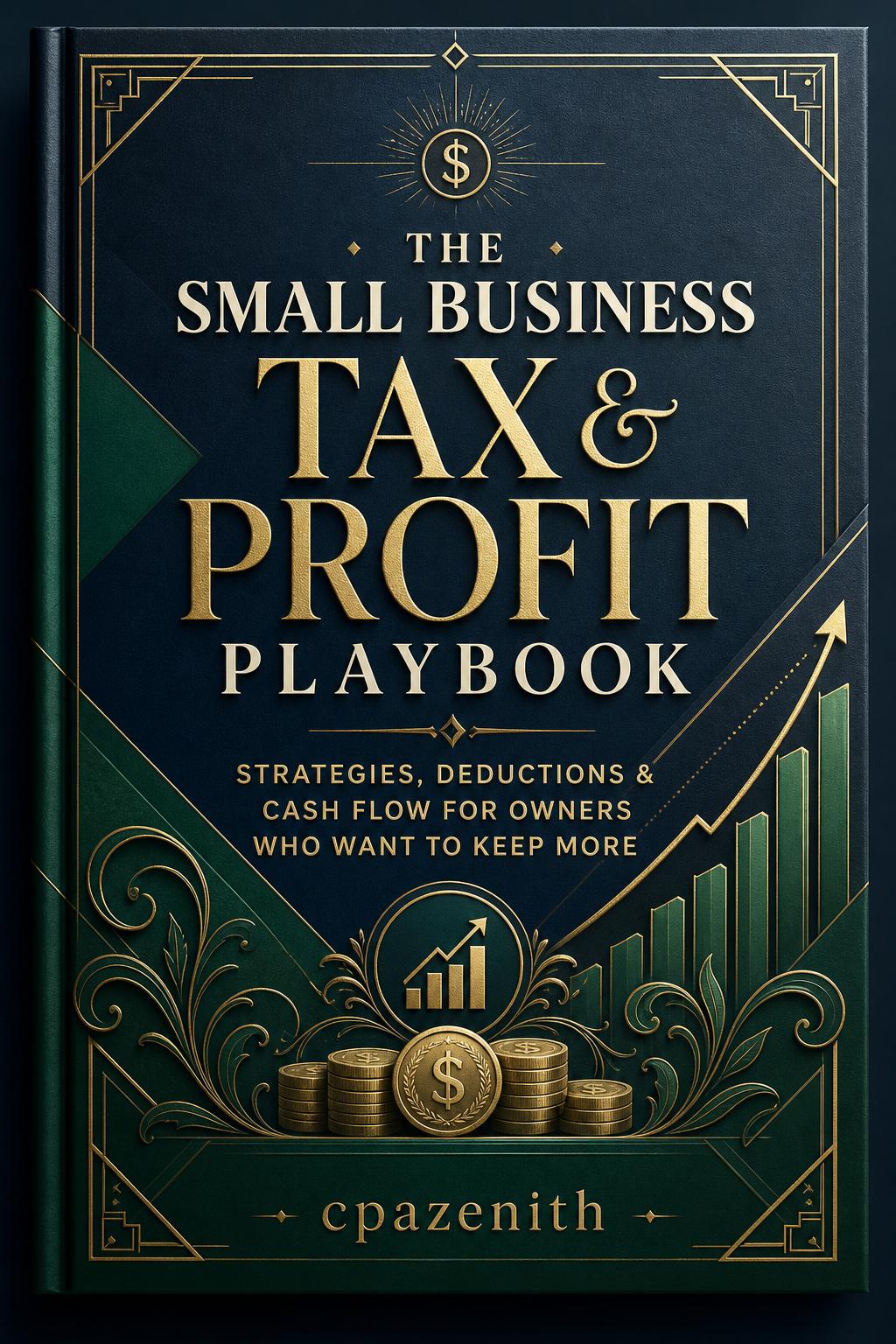
The Small Business Tax & Profit Playbook
A CPA-ready guide to deductions, quarterly taxes, S-Corp strategy, owner pay, cash flow, and year-round tax planning.
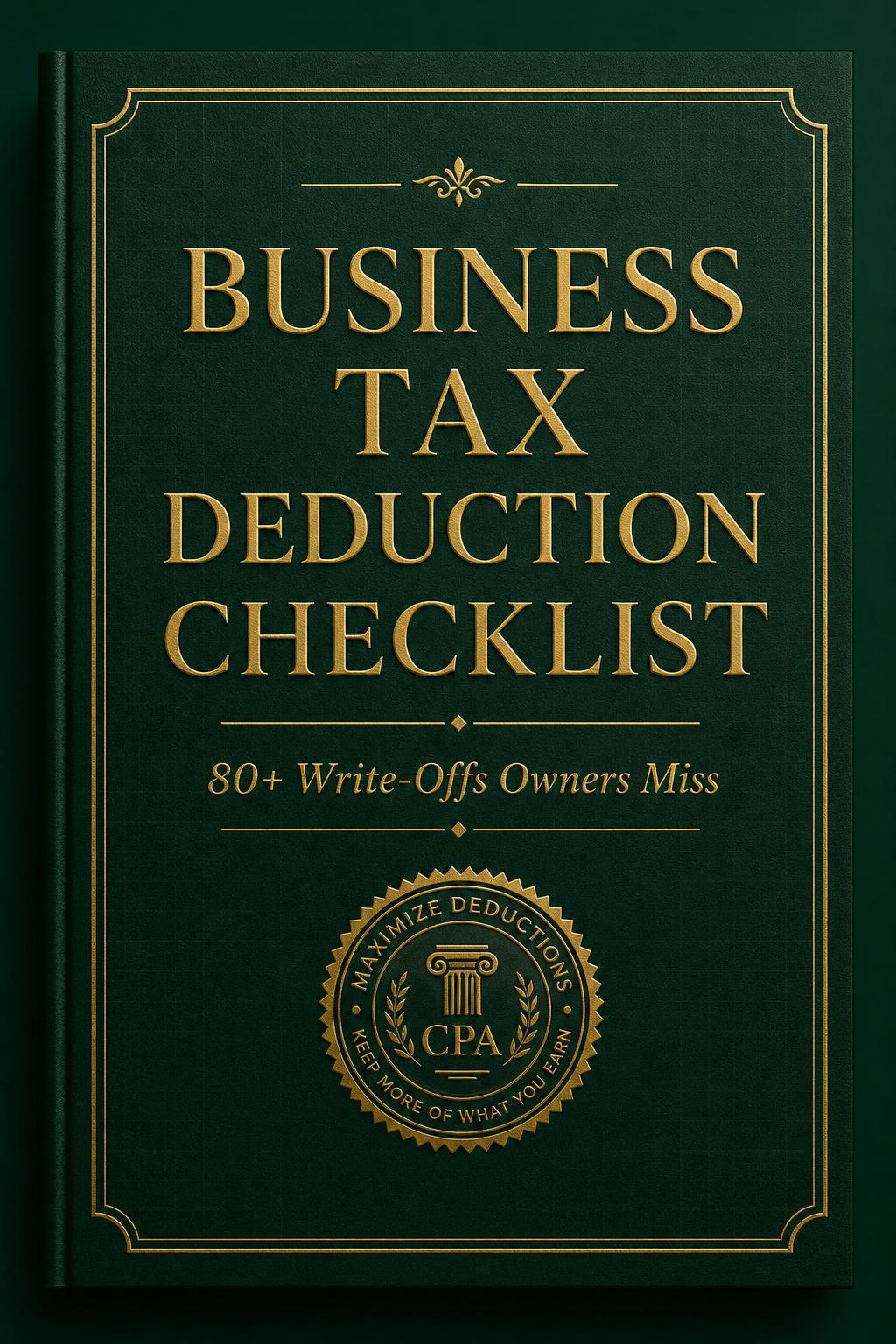
Business Tax Deduction Checklist
A CPA-curated checklist of 80+ business deductions most owners miss — organized by category so you can sweep it before filing.
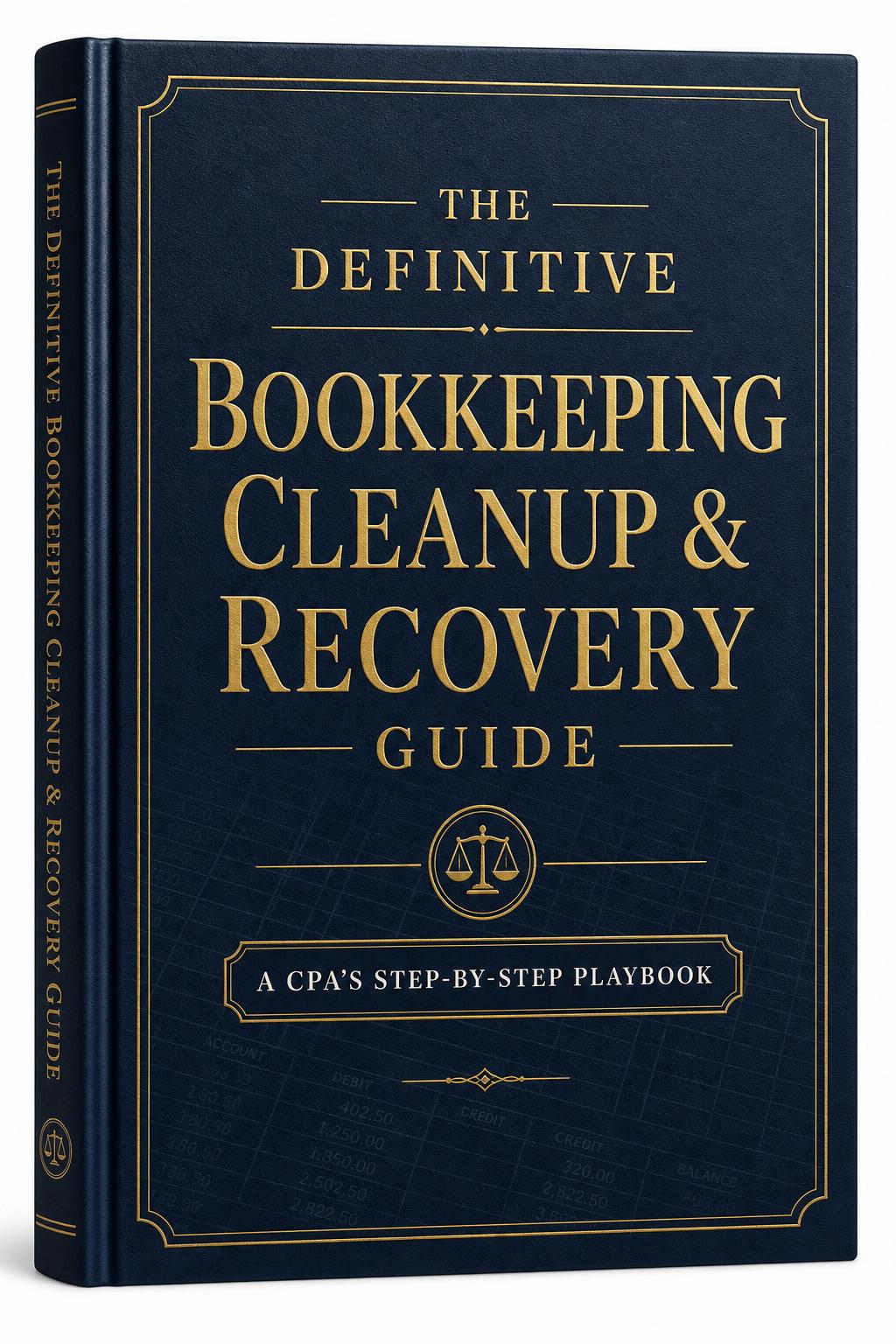
The Definitive Bookkeeping Cleanup & Recovery Guide
The CPA's step-by-step playbook for diagnosing messy books, reconstructing missing history, and restoring a clean, audit-ready ledger.
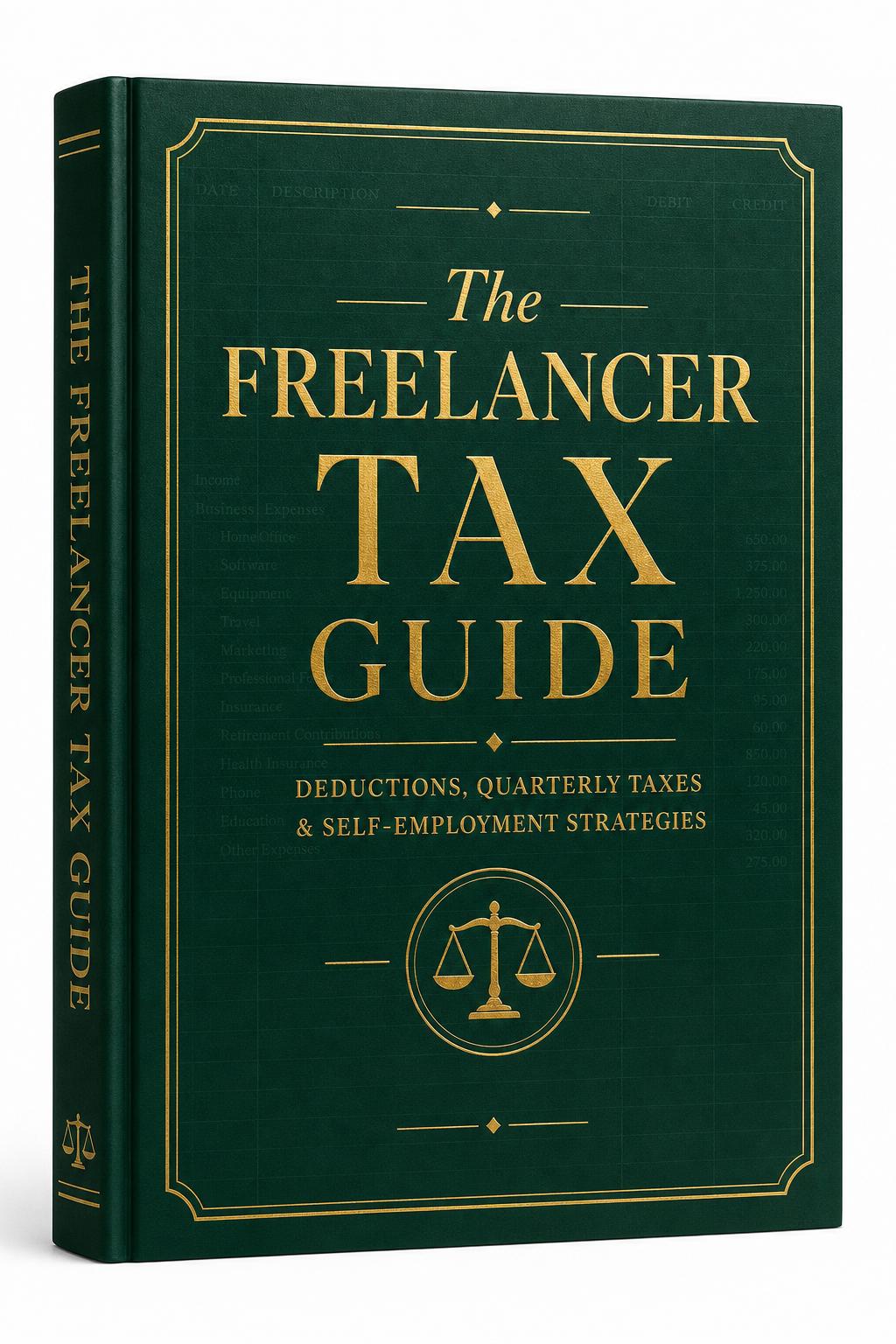
The Freelancer Tax Guide
The practical tax playbook for freelancers, contractors, and solo creatives — deductions, quarterly estimates, and self-employment strategies.

The Year-End Tax Planning Guide
The CPA's December playbook — practical strategies to reduce your tax bill before the year closes.
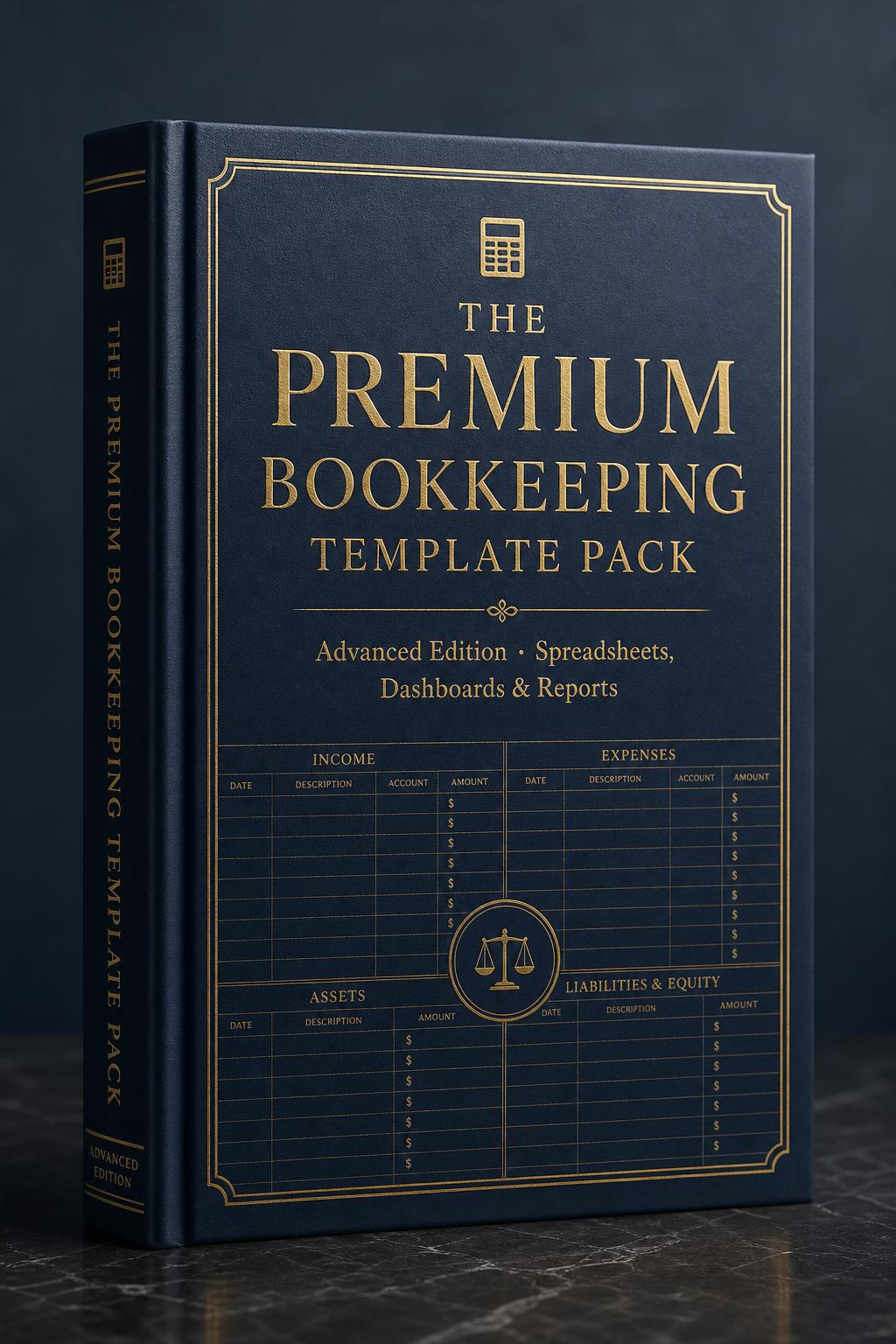
The Premium Bookkeeping Template Pack
Automated dashboards, multi-account reconciliations, and CPA-ready reporting workbooks for serious owners and bookkeepers.
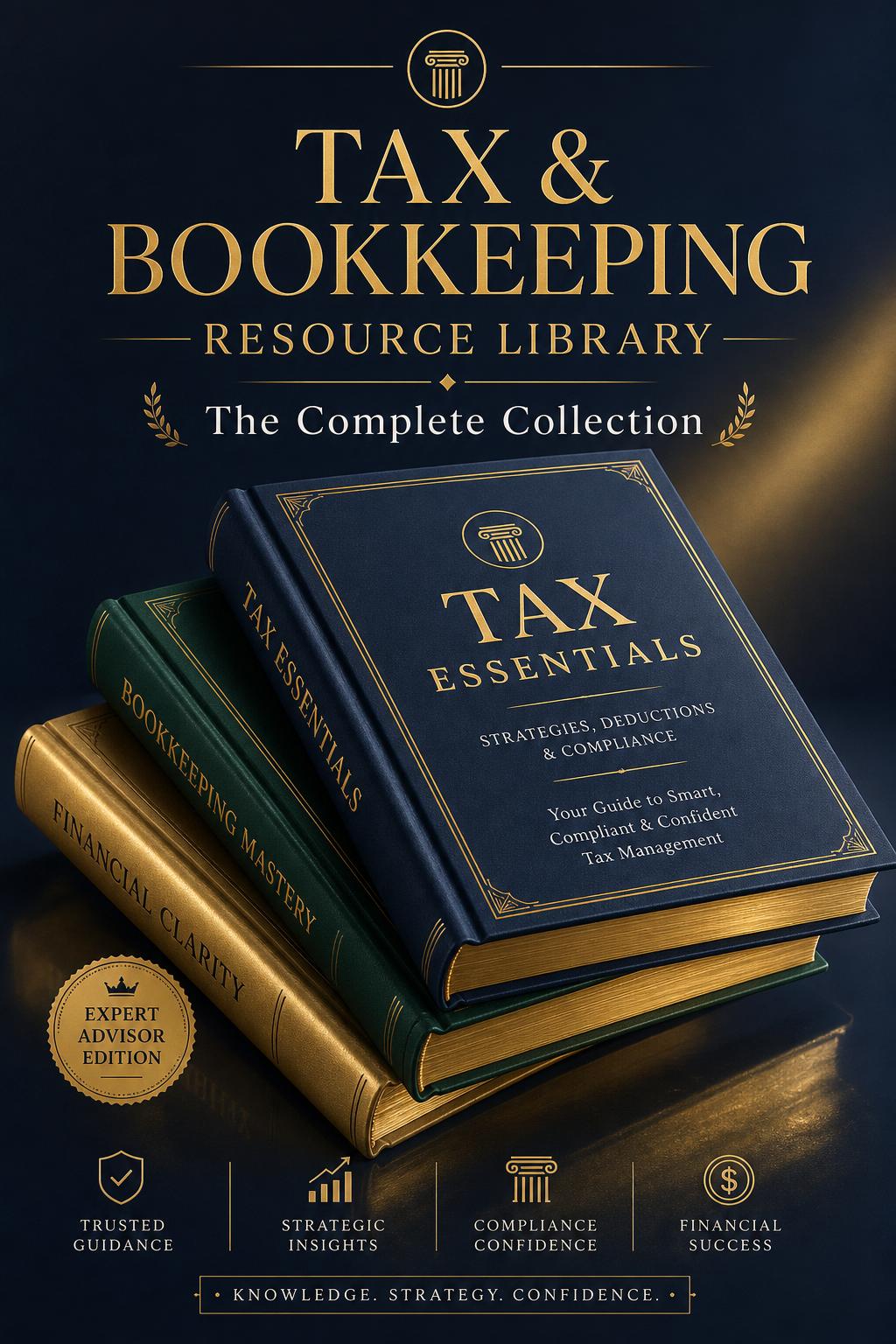
Tax & Bookkeeping Resource Library
Our complete advisor-grade collection — every premium asset an owner needs to run clean books, lower taxes, and recover messy ledgers, in one bundle.