Tax Services
Business Tax Planning Services
Tax preparation files what already happened. Tax planning changes what happens next. The right CPA models your year mid-stream and surfaces every credit, deduction, and timing election before December 31.
Get help with QuickBooks, bookkeeping, payroll, tax planning, controller support, and CFO advisory from professionals who understand your business needs.
Who this is for
Who hires a tax planner
Anyone with material income variability, equity comp, business income, or real estate benefits from proactive planning.
- Business owners and partners
- High-W-2 earners with RSUs / ISOs / NSOs
- Real estate investors and short-term rental hosts
- Retiring individuals and Roth-conversion candidates
- Households with significant capital gains events
What's included
What tax planning services include
A real plan is a written document with projections, recommended moves, and a deadline calendar.
- Mid-year and year-end tax projections
- Entity structuring (S-corp, partnership, LLC)
- Retirement contribution stacking (solo 401(k), DB plan)
- Roth conversion ladder modeling
- Equity-comp planning (ISO AMT, 83(b), 10b5-1)
- Charitable bunching and DAF strategy
- Real estate strategies (cost seg, 1031, STR loophole)
Pricing
What business tax planning costs
Fees scale with entity count, income complexity, and how often projections are updated during the year.
- Single-entity annual plan: $750 – $2,000 (one projection + year-end review)
- Ongoing quarterly planning: $2,000 – $6,000/year (updated projections each quarter)
- Multi-entity or equity-comp planning: $4,000 – $12,000+/year
- Retirement/cash-balance plan design add-on: $1,500 – $5,000 one-time
- Most firms bundle planning with tax prep rather than billing hourly
How to choose
How to choose a tax planner
Planning is distinct from prep — confirm the firm actually delivers a written plan.
- Do you produce a written, scenario-modeled tax plan?
- Is planning included in the fee, or billed separately?
- How often do you update projections during the year?
- Do you coordinate with my financial advisor?
- What software do you use for projections (Holistiplan, BNA, etc.)?
Related
Browse CPAZenith
Compare CPAs, EAs, and tax attorneys by industry and location.
- Business tax preparation: /business-tax-preparation
- Business tax services: /business-tax-services
- Quarterly tax services: /quarterly-tax-services
- Find a CPA: /find-a-cpa
Need help with bookkeeping, QuickBooks, tax, or CFO support?
Tell us what service you need and where your business is located.
FAQ
Common questions
When should I do tax planning?
Mid-year (June–August) is ideal for a baseline projection; October–November for final year-end moves. Waiting until February eliminates most planning options.
Is tax planning worth the cost?
For households or businesses with $250K+ income or any equity comp / real estate exposure, planning routinely returns 5–20x its fee.
What's the difference between planning and prep?
Prep files last year's return. Planning models current year and future years to change the outcome before filings are due.
How much does business tax planning cost?
Most small businesses pay $750–$2,000 for a single annual projection, or $2,000–$6,000/year for ongoing quarterly planning. Multi-entity structures or equity-comp planning typically run $4,000–$12,000+/year. Ask whether the fee includes tax prep or is billed separately.
Can tax planning help reduce what my business owes this year?
Yes, if there's still time before year-end to act on the recommendations. Entity elections, retirement contributions, equipment purchases (Section 179/bonus depreciation), and timing of income or expenses all need to happen before December 31 — planning after year-end can only change how you report what already occurred.
What's the difference between a tax planner and a tax resolution specialist?
A tax planner works proactively to reduce future tax liability before filings are due. A tax resolution specialist works reactively — settling back taxes, stopping levies, and negotiating with the IRS on debt you already owe. Some firms offer both.
Need accounting, bookkeeping, tax, or CFO support?
CPAZenith helps businesses connect with accounting professionals for QuickBooks setup, bookkeeping, payroll, tax planning, fractional CFO services, outsourced controller support, and industry-specific accounting.
Tell us what service you need and where your business is located.
Get a tax plan
Tell us about your situation in 90 seconds. We'll match you with up to 3 verified providers — free, no obligation.
Get matched
Request a consultation for Business Tax Planning Services
Share a few details — a vetted CPA will reach out within one business day.
Advisor-grade guides
Downloadable ebooks & templates
CPA-ready playbooks and templates you can use today — instant downloads, no signup required.
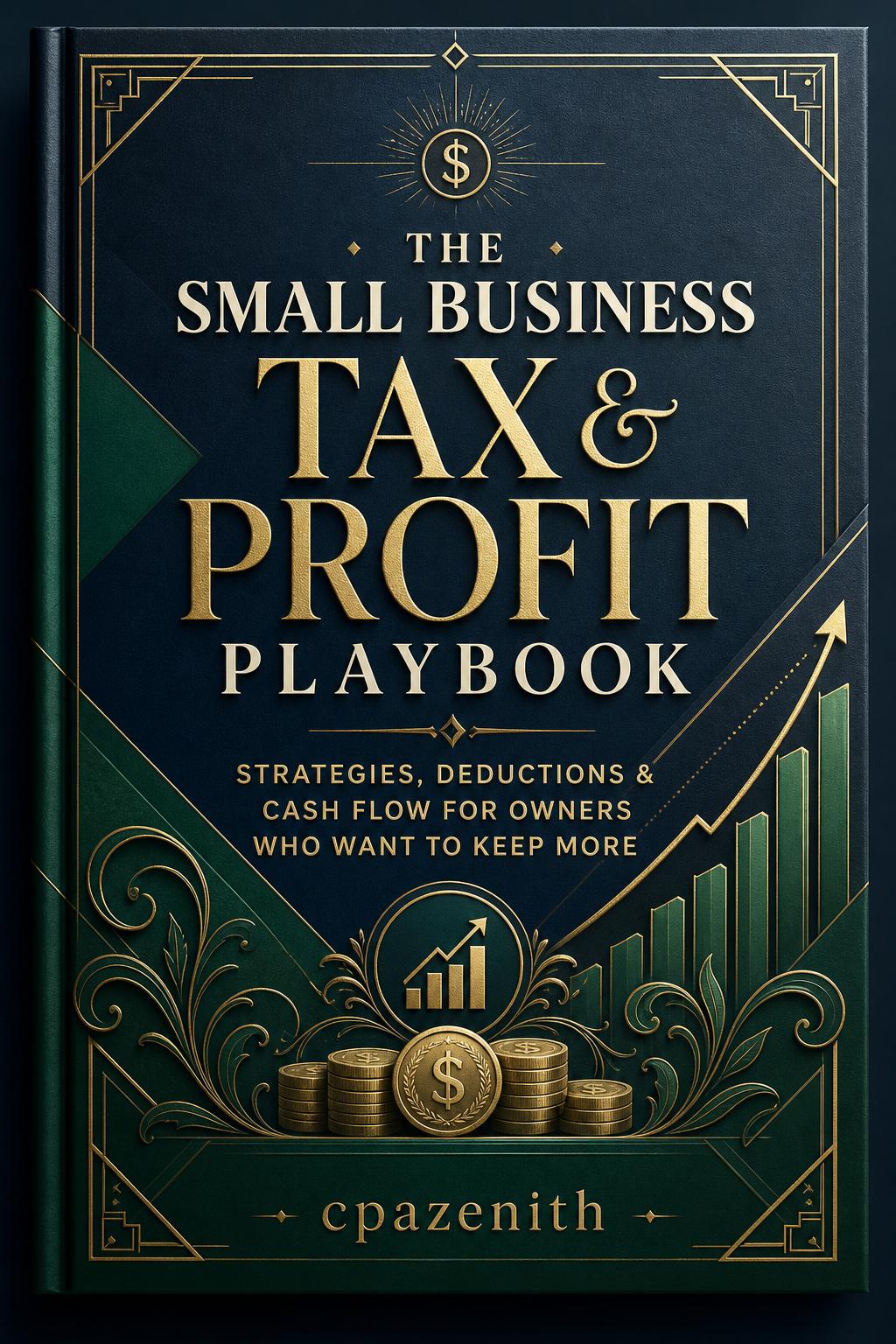
The Small Business Tax & Profit Playbook
A CPA-ready guide to deductions, quarterly taxes, S-Corp strategy, owner pay, cash flow, and year-round tax planning.
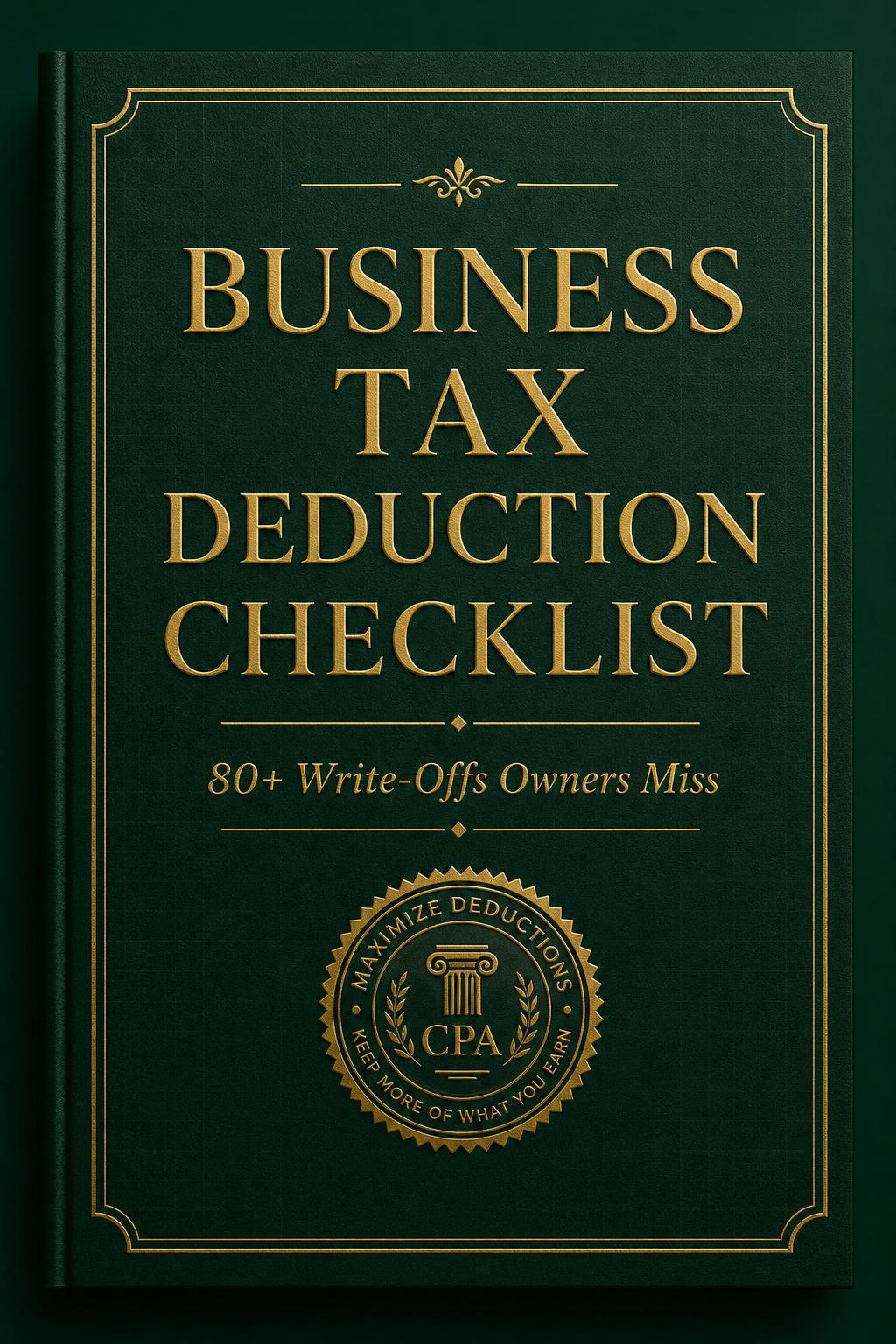
Business Tax Deduction Checklist
A CPA-curated checklist of 80+ business deductions most owners miss — organized by category so you can sweep it before filing.
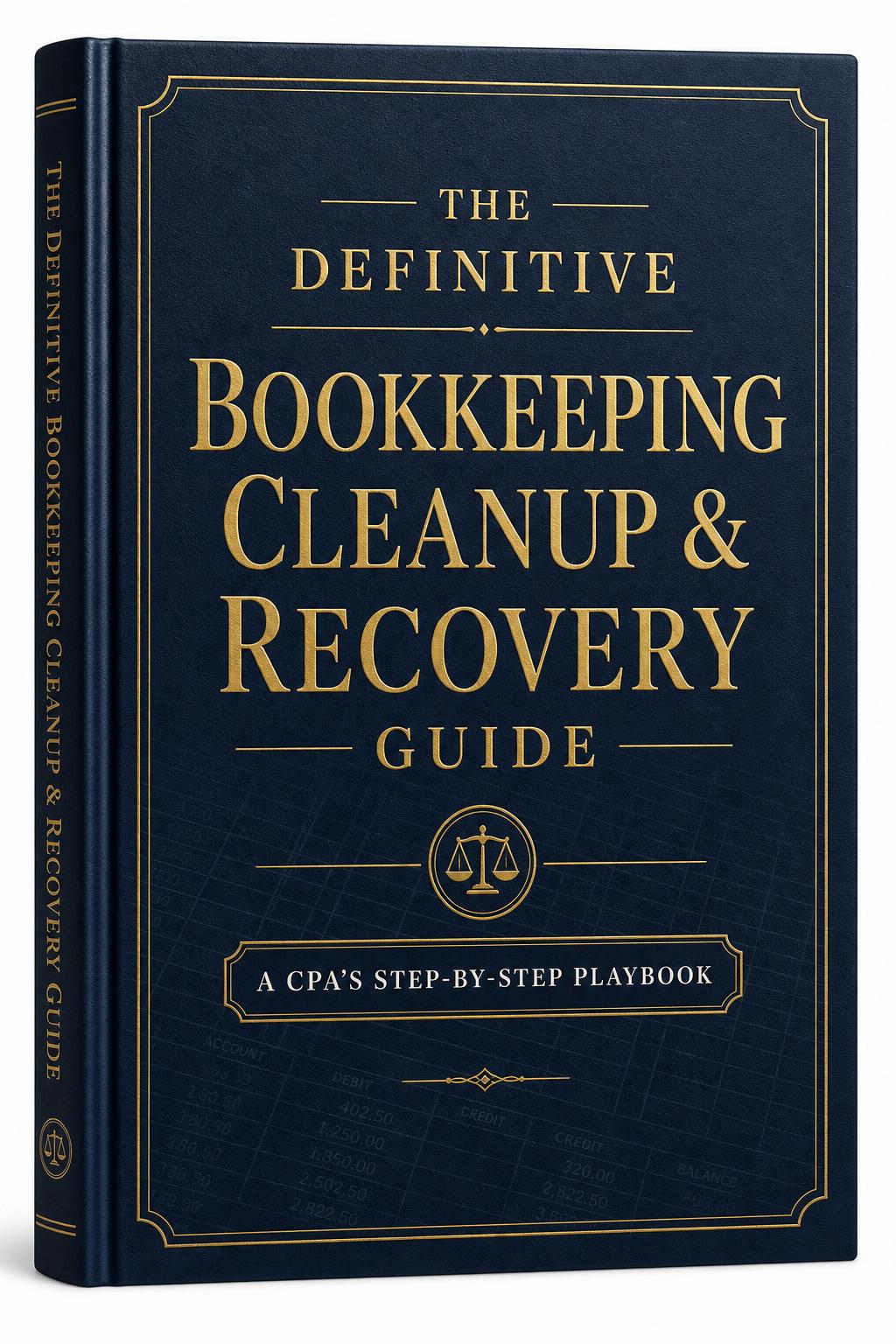
The Definitive Bookkeeping Cleanup & Recovery Guide
The CPA's step-by-step playbook for diagnosing messy books, reconstructing missing history, and restoring a clean, audit-ready ledger.
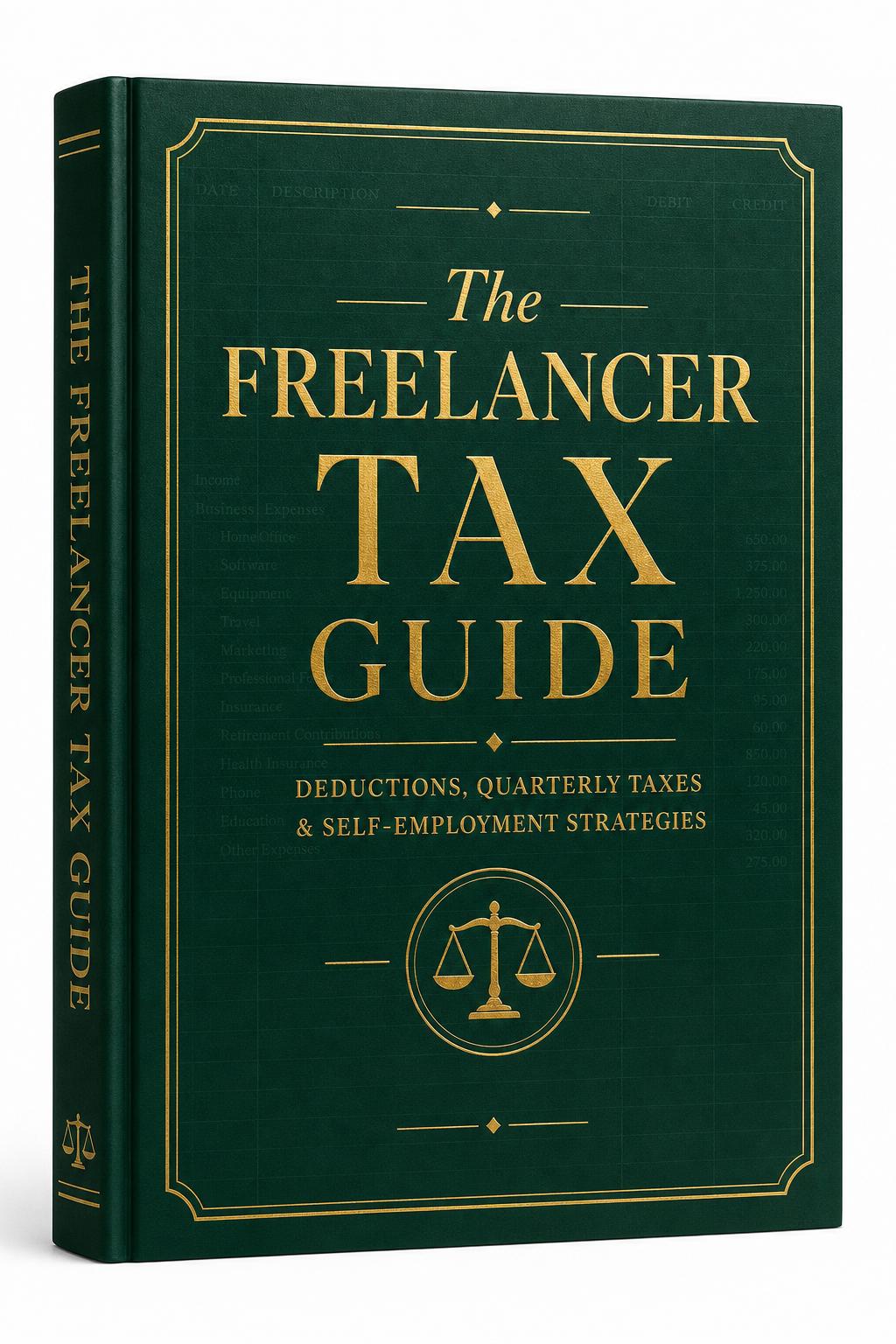
The Freelancer Tax Guide
The practical tax playbook for freelancers, contractors, and solo creatives — deductions, quarterly estimates, and self-employment strategies.
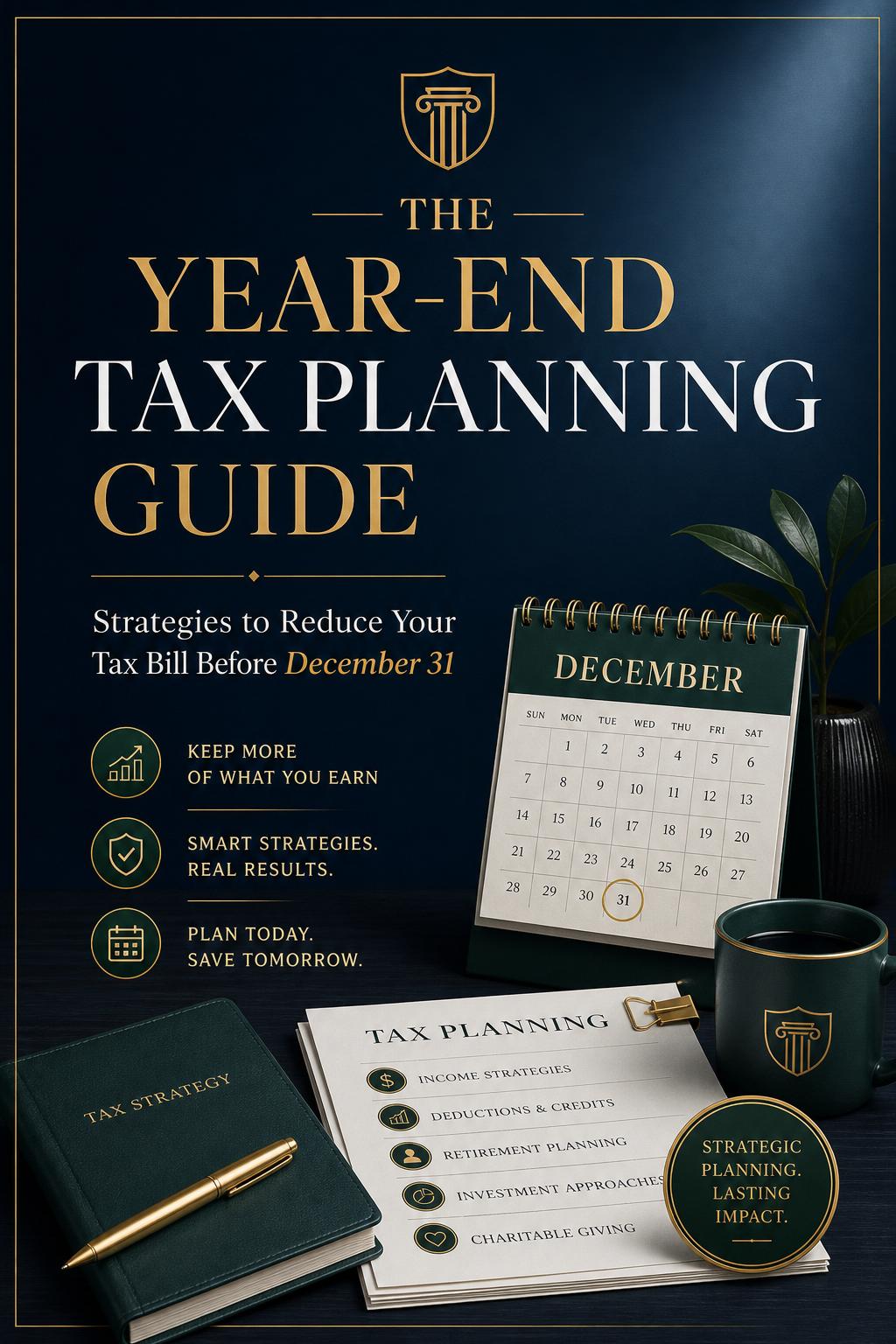
The Year-End Tax Planning Guide
The CPA's December playbook — practical strategies to reduce your tax bill before the year closes.
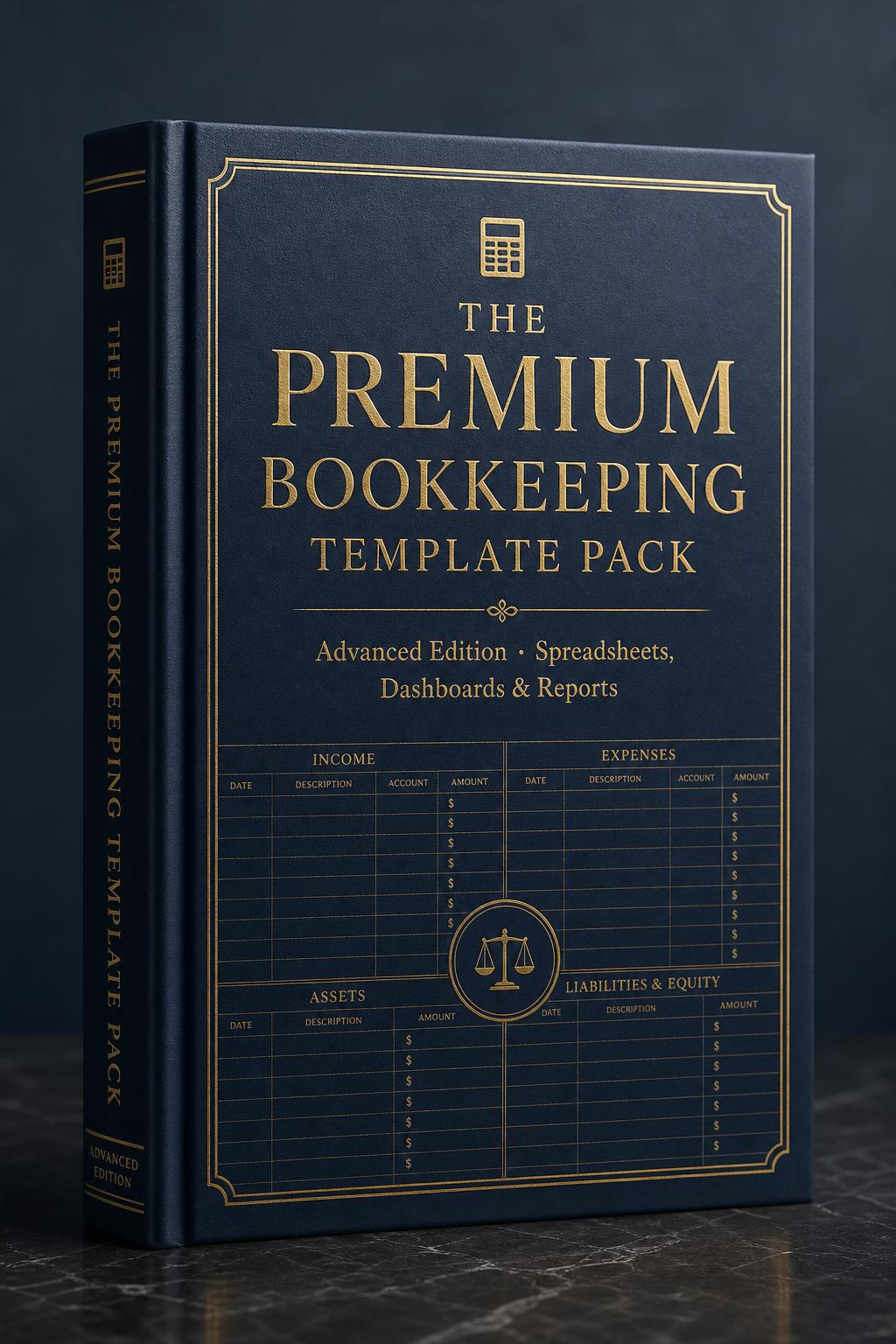
The Premium Bookkeeping Template Pack
Automated dashboards, multi-account reconciliations, and CPA-ready reporting workbooks for serious owners and bookkeepers.
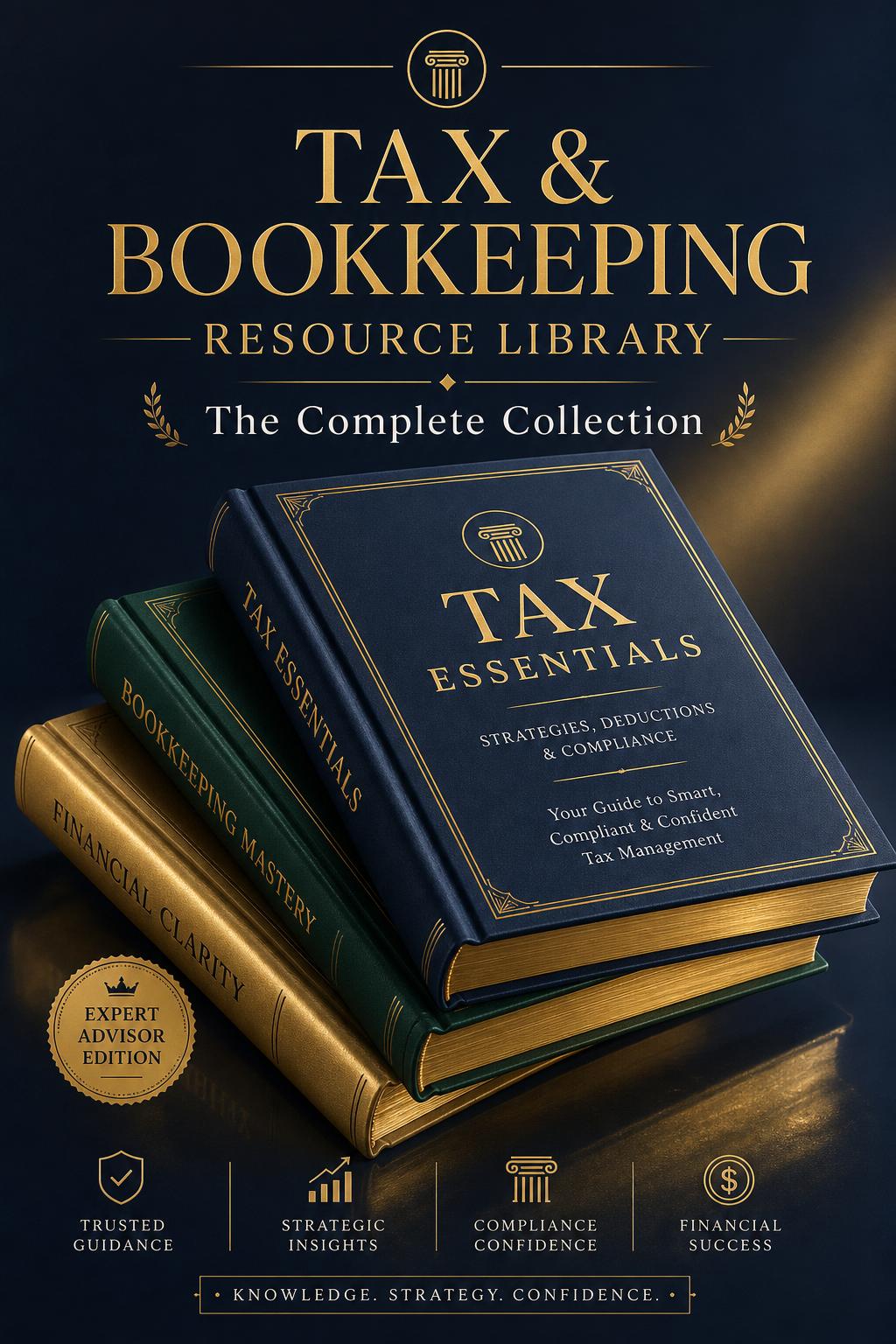
Tax & Bookkeeping Resource Library
Our complete advisor-grade collection — every premium asset an owner needs to run clean books, lower taxes, and recover messy ledgers, in one bundle.