S-corp tax prep cost
S-Corp Tax Preparation Cost (2026)
What you'll pay for a 1120-S — and which add-ons inflate the quote.
Most S-corp returns land between $900 and $3,800 — but reasonable-comp documentation, multi-state K-1s, and basis tracking can push that higher. Here's how to price your own situation accurately.
Individual 1040
$250 – $1,400
W-2 to self-employed
S-corp 1120-S
$900 – $3,800
Single to multi-state
Monthly bookkeeping
$300 – $2,500
Per month
Fractional CFO
$2K – $15K
Per month
Pass-through corporate return + K-1s to shareholders.
S-corp return (1120-S)
Who it's for: Owner-operator small businesses, professional service firms, and consultants on an S-election.
| Scenario | Price | Cadence | Notes |
|---|---|---|---|
| Single-shareholder S-corp, clean books | $900 – $1,500 | per return | 1120-S, single K-1, basis schedule. |
| Multi-shareholder S-corp under $1M revenue | $1,400 – $2,400 | per return | Multiple K-1s, basis tracking, reasonable-comp memo. |
| S-corp $1M – $5M revenue | $2,200 – $3,800 | per return | Multi-state K-1 allocations, fixed-asset schedule, fringe benefits. |
| Complex S-corp (multi-state, fringe, audits) | $3,500 – $7,500+ | per return | Composite returns, 280G, accountable plan, retirement deferrals. |
What drives the price
- Number of shareholders and K-1s
- Reasonable compensation analysis and documentation
- Multi-state filings and composite returns
- Accountable plan, retirement, and fringe-benefit structuring
- Bookkeeping quality at year-end (cleanup is billed extra)
Red flags
- Quote skips reasonable-compensation analysis
- Flat-fee that excludes state K-1s and composite returns
- No basis schedule reconciliation
Federal + state corporate income tax return for C-corps.
Business tax return (1120 C-corp)
Who it's for: Delaware C-corps, startups, and established corporations.
| Scenario | Price | Cadence | Notes |
|---|---|---|---|
| Pre-revenue Delaware C-corp | $900 – $1,800 | per return | Includes DE franchise + federal 1120; clean books required. |
| Operating C-corp under $2M revenue | $1,500 – $3,000 | per return | 1120 + 1–2 state returns, basic depreciation. |
| C-corp $2M – $10M revenue | $2,500 – $5,500 | per return | Multi-state, accrual GAAP-leaning books, M-1/M-3 reconciliation. |
| C-corp $10M+ revenue | $5,500 – $15,000+ | per return | Consolidated returns, tax provision, transfer pricing, R&D credit. |
What drives the price
- Revenue tier and number of state filings
- Cleanliness and basis of bookkeeping (cash vs accrual)
- R&D credit, §174 capitalization, and other elections
- Multi-entity consolidation
- Foreign subsidiaries and Forms 5471 / 5472
Bundle to save
Pairing this service with tax prep or bookkeeping usually saves 10–25% versus buying it standalone, and removes the year-end clean-up tax that catches owners off guard.
Estimate a bundlePass-through partnership / LLC return + K-1s.
Partnership return (1065)
Who it's for: Multi-member LLCs, real-estate partnerships, joint ventures, and professional partnerships.
| Scenario | Price | Cadence | Notes |
|---|---|---|---|
| 2-partner LLC, single state | $900 – $1,600 | per return | 1065, two K-1s, capital-account roll-forward. |
| Real-estate partnership (1–5 properties) | $1,400 – $2,800 | per return | Schedule E property roll-up, §754 election, passive losses. |
| Operating LLC $1M – $5M revenue | $2,000 – $3,800 | per return | Special allocations, multi-state apportionment, basis tracking. |
| Complex partnership (waterfall, multi-state, foreign) | $3,500 – $9,000+ | per return | Tiered partnerships, §704(b)/(c), foreign K-2/K-3 reporting. |
What drives the price
- Number of partners and K-1s issued
- Special allocations and §704(b) capital accounts
- §754 / §743 step-up elections
- Multi-state apportionment and composite returns
- K-2 / K-3 reporting for foreign activity
Bundle to save
Pairing this service with tax prep or bookkeeping usually saves 10–25% versus buying it standalone, and removes the year-end clean-up tax that catches owners off guard.
Estimate a bundleOngoing reconciliations, categorization, and monthly close.
Monthly bookkeeping
Who it's for: Any business that wants reliable books without hiring in-house.
| Scenario | Price | Cadence | Notes |
|---|---|---|---|
| Starter (under 100 txns / mo) | $300 – $500 | per month | One bank + one card, cash basis, monthly P&L. |
| Growth (100 – 300 txns / mo) | $600 – $1,200 | per month | Multiple accounts, payroll sync, quarterly review. |
| Scale (300 – 700 txns / mo) | $1,300 – $2,200 | per month | Accrual, deferred revenue, multi-entity consolidation. |
| Controller-level (700+ txns or multi-entity) | $2,500 – $5,000+ | per month | Dedicated bookkeeper + controller review, KPI pack, audit prep. |
What drives the price
- Monthly transaction volume
- Number of bank, card, and merchant accounts
- Cash vs accrual basis and ASC 606 revenue recognition
- Inventory / COGS tracking
- Multi-entity or multi-location consolidation
Bundle to save
Pairing this service with tax prep or bookkeeping usually saves 10–25% versus buying it standalone, and removes the year-end clean-up tax that catches owners off guard.
Estimate a bundleTax planning, entity structuring, and ongoing strategic guidance.
Advisory services
Who it's for: Owners and high-income filers who want proactive planning, not just compliance.
| Scenario | Price | Cadence | Notes |
|---|---|---|---|
| One-off tax planning session | $500 – $1,500 | project | Mid-year projection + recommendations memo. |
| Entity / S-election analysis | $750 – $2,000 | project | LLC vs S-corp vs C-corp modeling with break-even. |
| Quarterly advisory retainer | $500 – $1,500 | per month | Quarterly meetings, ad-hoc questions, projection updates. |
| Comprehensive advisory + tax | $1,500 – $4,000 | per month | Bundled with tax prep, bookkeeping, and CFO-light support. |
| Hourly advisory | $250 – $500 | per hour | Senior CPA or partner rate for ad-hoc questions. |
What drives the price
- Complexity of entity structure
- Number of stakeholders and entities
- Equity compensation and exit planning
- Estate, gifting, and succession components
- Frequency of meetings and turnaround expectations
Bundle to save
Pairing this service with tax prep or bookkeeping usually saves 10–25% versus buying it standalone, and removes the year-end clean-up tax that catches owners off guard.
Estimate a bundlePricing models
Hourly vs fixed-fee vs value pricing
Most CPAs use a mix. Knowing which model applies tells you what to expect — and where to push back.
Hourly
Common for cleanup, audits, and unscoped advisory. Insist on a written estimate and a not-to-exceed cap.
Fixed-fee
Standard for annual tax returns and monthly bookkeeping. Read the out-of-scope triggers carefully.
Value / retainer
Used for fractional CFO and advisory. You pay for outcomes and access, not units of time.
Cost drivers
What drives CPA pricing
Same return, same firm — two clients can get quotes 3× apart. These are the levers that move the price.
- Complexity (entities, states, schedules, K-1s)
- Quality of your bookkeeping at hand-off
- Geography and cost of living in the firm's market
- Designation (CPA vs EA vs unlicensed preparer)
- Software stack — clients on QBO / Xero cost less to serve
- Deadline timing — work inside 14 days of a deadline usually carries a rush fee
- Whether tax prep is bundled with bookkeeping or advisory
Geography
CPA hourly rates by U.S. metro
Hourly billing rates by U.S. metro and seniority — typical 2026 ranges.
| Metro | Staff | Senior / manager | Partner |
|---|---|---|---|
| Northeast (NYC, Boston, DC) | $175 – $250 | $250 – $375 | $400 – $650 |
| West Coast (SF, LA, Seattle) | $170 – $250 | $250 – $360 | $380 – $625 |
| Sun Belt (Austin, Atlanta, Miami) | $140 – $215 | $215 – $320 | $325 – $525 |
| Midwest (Chicago, Minneapolis, Denver) | $135 – $205 | $205 – $295 | $300 – $475 |
| Smaller metros / rural | $110 – $175 | $175 – $250 | $250 – $400 |
Vetting
How to compare CPA quotes
- Is the quote fixed-fee, hourly, or value-based — and what's the scope?
- What triggers an out-of-scope charge, and how is it priced?
- Who actually does the work — partner, senior, or staff?
- Are state returns, K-1s, and extensions included?
- How are revisions and amended returns billed?
- Is bookkeeping cleanup priced separately?
- What's the turnaround time and the rush-fee policy?
- Do you e-file, sign as paid preparer, and stand behind the return?
Watch out
Pricing red flags
Quotes a flat fee without seeing a prior-year return or trial balance
Promises a specific refund or IRS outcome before reviewing your facts
Won't put scope and out-of-scope triggers in writing
Charges a large up-front retainer with no deliverables milestone
Bundles 'free' tax prep into a long bookkeeping contract you can't exit
Won't tell you who actually prepares the return
CPA Fee Calculator
Answer 8 questions and get a personalized 2026 fee estimate across tax, bookkeeping, and advisory.
Estimate my feesBookkeeping Cleanup Estimator
Quote your back-bookkeeping project before you call a firm — months behind, transaction volume, software, and complexity.
Estimate cleanupPricing cluster
Related CPA pricing guides
CPA Fee Schedule 2026
The flagship — every CPA service priced.
Read guideCPA Cost
How much does a CPA cost in 2026?
Read guideCPA Price List
Service-by-service pricing benchmarks.
Read guideCPA Fees Overview
Compare CPA fees by engagement type.
Read guideTax Preparation Cost
Pricing for individual and business returns.
Read guideTax Prep Cost
Quick reference for the 4 main return types.
Read guideSmall Business CPA Cost
Bundled pricing for typical small businesses.
Read guideCPA Bookkeeping Rates
Monthly, cleanup, and payroll rates.
Read guideBookkeeping Price List
Bookkeeping packages and add-ons.
Read guideBookkeeping Cost
Hourly and monthly bookkeeping pricing.
Read guideCPA Hourly Rate California
Bay Area, LA, San Diego, Sacramento.
Read guideFractional CFO Cost
Monthly retainer and project pricing.
Read guideFind a CPA at the right price
Tell us your business, location, and the services you need. We'll match you to vetted CPAs with transparent pricing.
FAQ
CPA pricing — frequently asked questions
What's included in a typical 1120-S quote?
A solid S-corp engagement covers the federal 1120-S, K-1 issuance, one state return, basis schedules, and a reasonable-compensation memo. State K-1 allocations, composite returns, fixed-asset tracking, and fringe-benefit work are usually billed separately.
Does an S-corp need its CPA to handle bookkeeping too?
Not required, but strongly recommended. S-corps with messy books at year-end frequently see total prep costs rise 50–100% because of cleanup work and reasonable-comp adjustments after the fact.
How much does a CPA charge for reasonable-comp analysis?
$300–$1,200 as a standalone memo, often included in mid-tier S-corp returns ($1,400+). The analysis pulls market comp data, your distributions vs salary, and documents an IRS-defensible position.
Why do CPA fees vary so much between firms?
Three drivers explain most of the spread: complexity (entities, states, K-1s), the cleanliness of your bookkeeping at hand-off, and the firm's geography and seniority mix. A junior preparer in a smaller metro charges a fraction of a partner in NYC or SF — but the higher-priced firm often catches savings or risks the cheaper firm misses.
Are fixed-fee or hourly engagements better?
Fixed-fee is better when scope is well defined (annual tax return, monthly bookkeeping, payroll). Hourly is honest when scope is unknown — cleanup work, audits, or first-time advisory. Either way, insist on a written scope, out-of-scope triggers, and a not-to-exceed cap.
Is a CPA more expensive than an EA or unlicensed preparer?
Usually yes, but the gap is smaller than people expect. CPAs typically charge 20–60% more than enrolled agents for the same return, and EAs cost 30–80% more than seasonal chain preparers. CPAs can represent you in tax court, sign audited financials, and offer broader advisory — pay for that only when you need it.
What's the cheapest way to keep CPA costs down?
Hand over clean, accrual-leaning books in QuickBooks Online or Xero, organize source documents into a shared folder, respond fast during prep, and don't push work into the last two weeks before a deadline. Cleanup hours and rush fees are usually the biggest avoidable cost.
Take the next step
Get a real quote on your tax return
Free matching
Get 3 free CPA quotes
Tell us what you need. Up to 3 verified CPAs reply within 1 business day. No fees, no pressure.
Request 3 quotesSide-by-side
Compare CPAs
Stack verified pros next to each other on pricing, specialties, and experience before you reach out.
Compare CPAsFree PDF
2026 CPA Pricing Guide
Real fee benchmarks for tax prep, bookkeeping, payroll, and advisory — by service and business type.
Download free guideGet matched
Request a free consultation
Share a few details — a vetted CPA will reach out within one business day.
Advisor-grade guides
Downloadable ebooks & templates
CPA-ready playbooks and templates you can use today — instant downloads, no signup required.
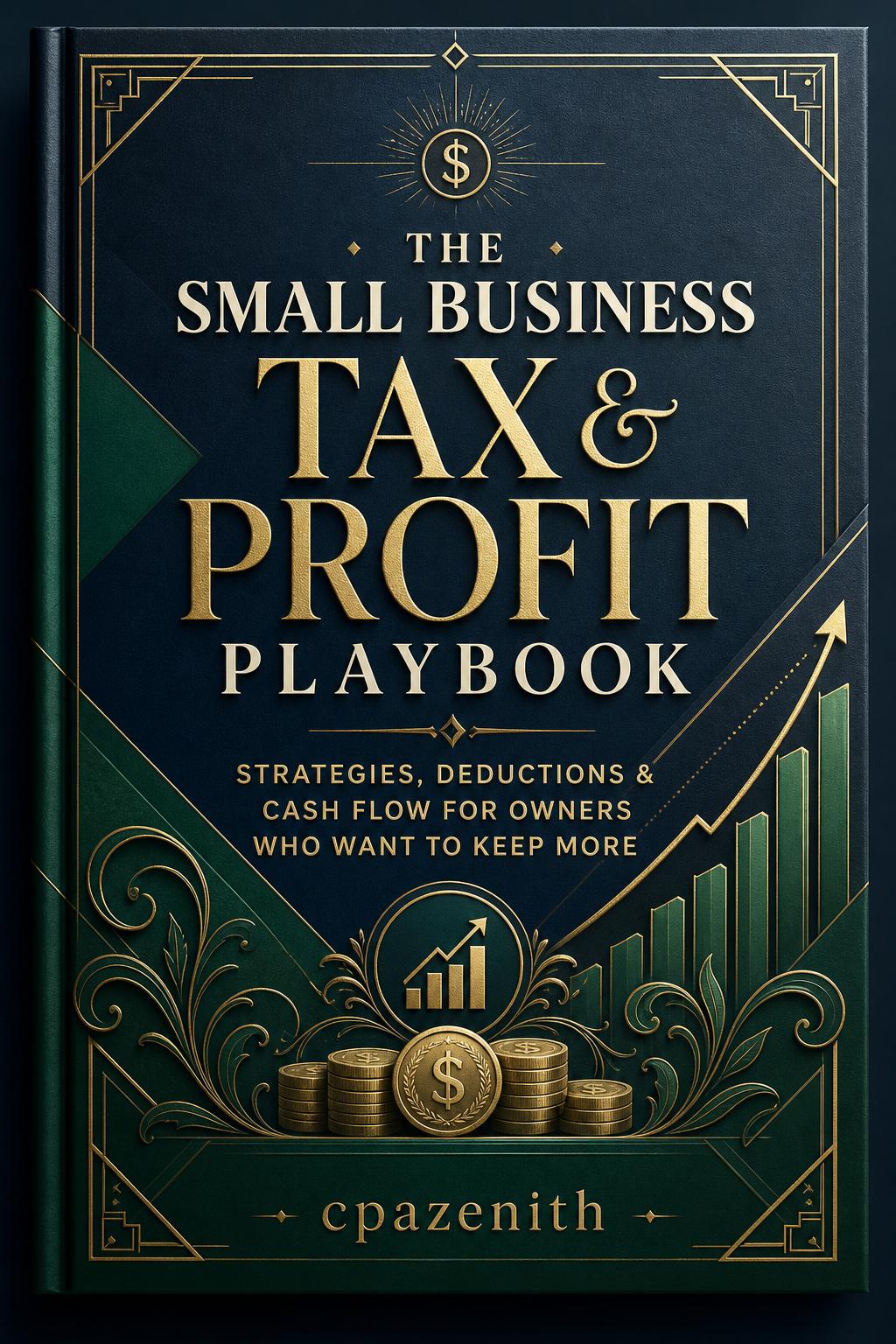
The Small Business Tax & Profit Playbook
A CPA-ready guide to deductions, quarterly taxes, S-Corp strategy, owner pay, cash flow, and year-round tax planning.
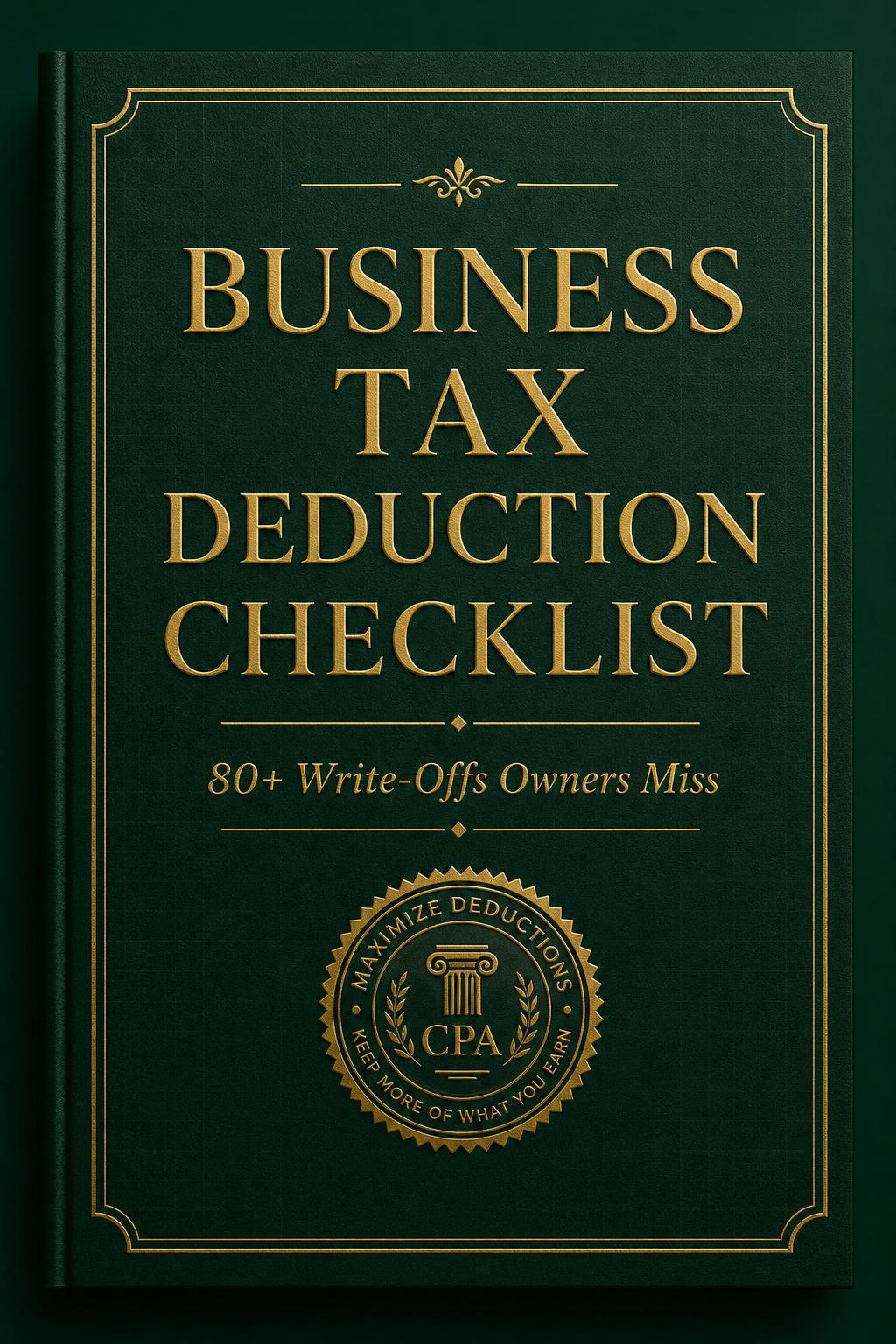
Business Tax Deduction Checklist
A CPA-curated checklist of 80+ business deductions most owners miss — organized by category so you can sweep it before filing.
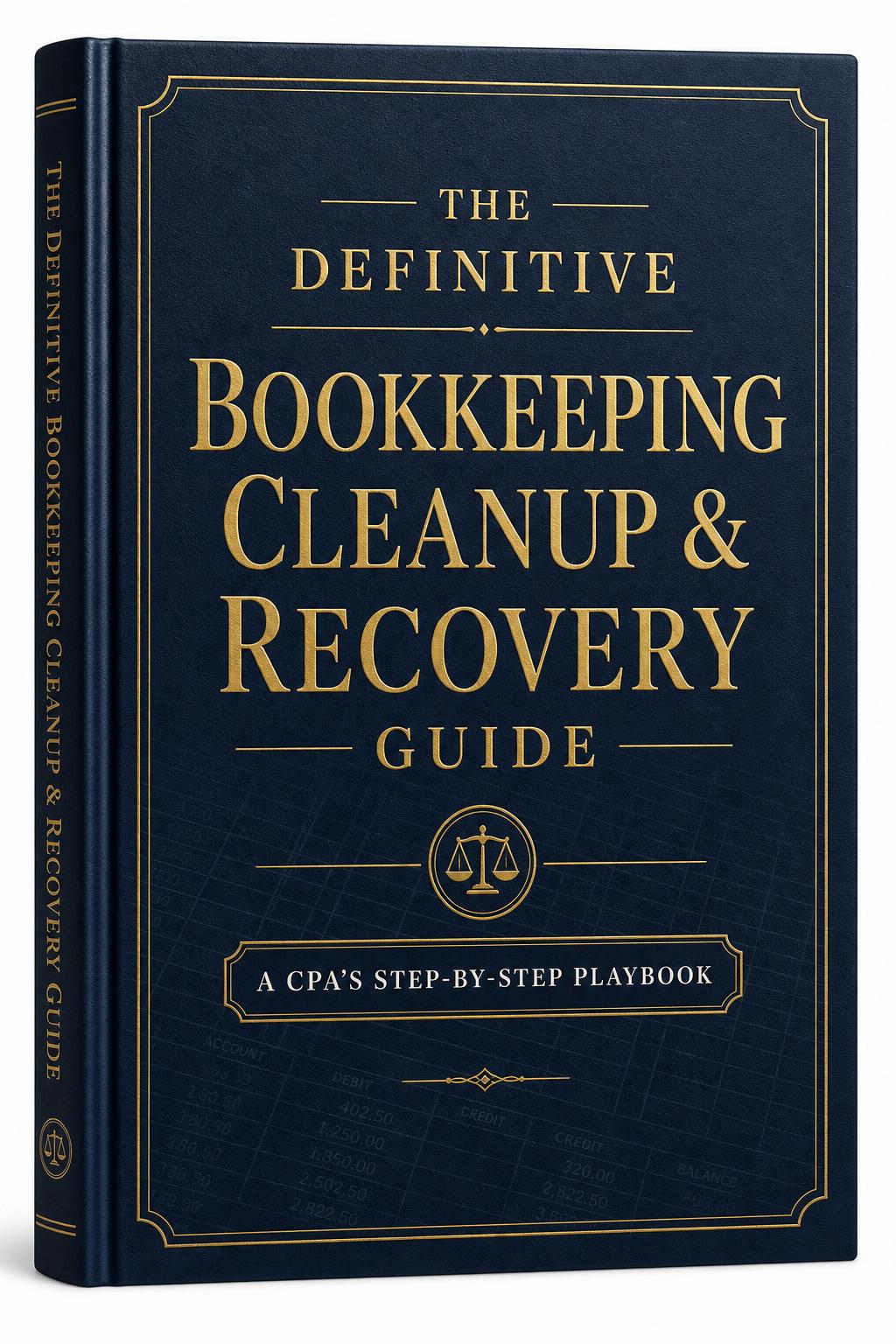
The Definitive Bookkeeping Cleanup & Recovery Guide
The CPA's step-by-step playbook for diagnosing messy books, reconstructing missing history, and restoring a clean, audit-ready ledger.
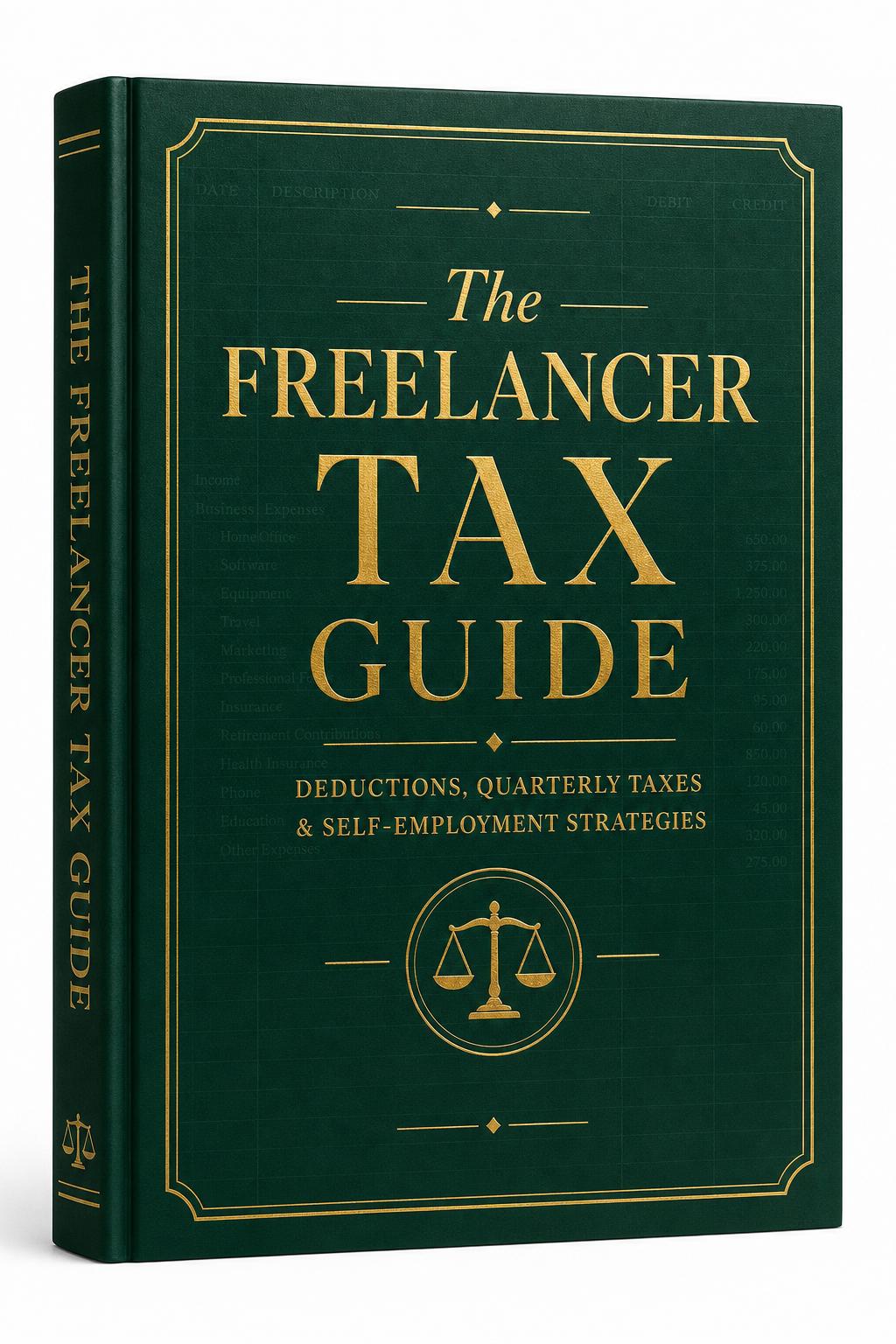
The Freelancer Tax Guide
The practical tax playbook for freelancers, contractors, and solo creatives — deductions, quarterly estimates, and self-employment strategies.

The Year-End Tax Planning Guide
The CPA's December playbook — practical strategies to reduce your tax bill before the year closes.
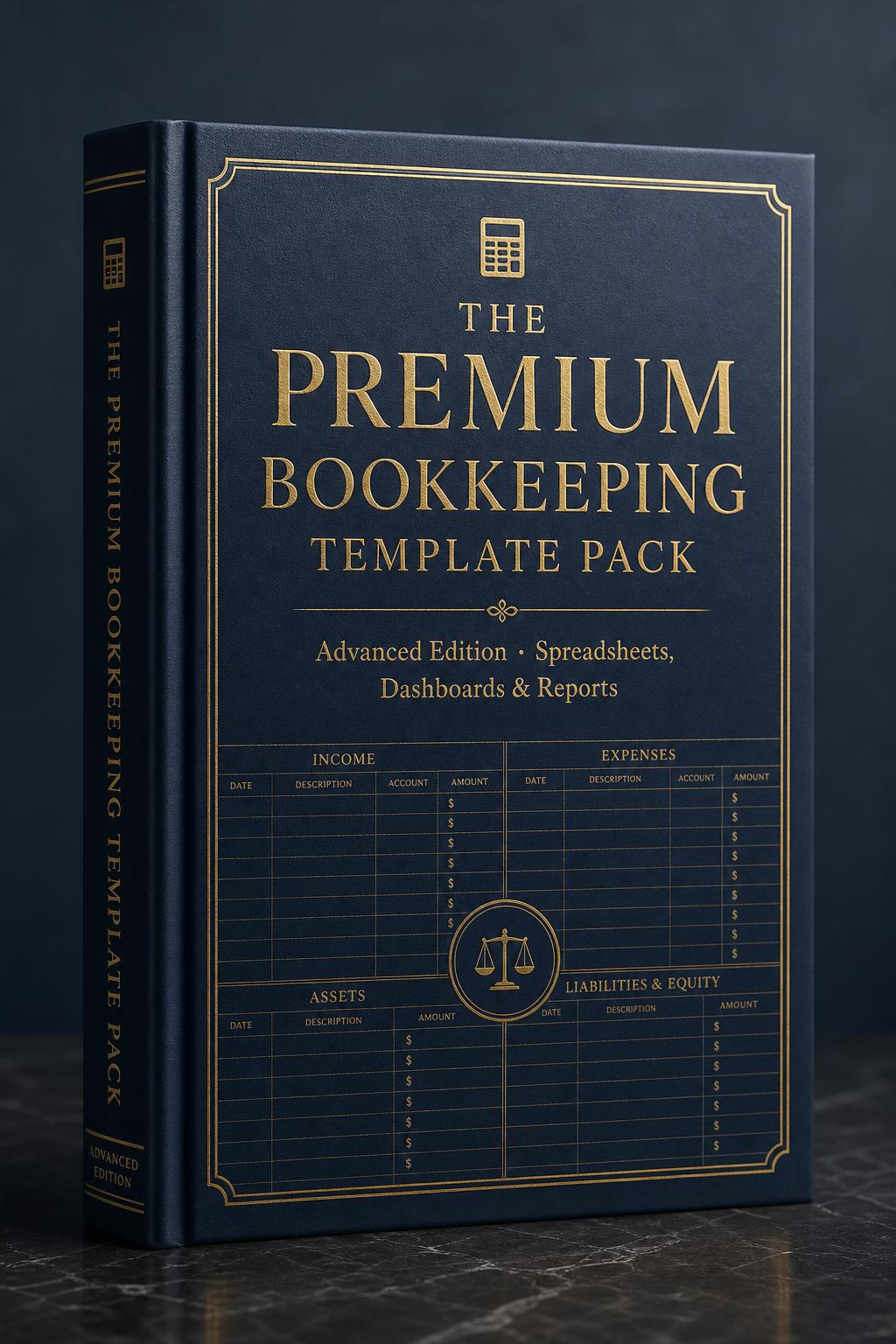
The Premium Bookkeeping Template Pack
Automated dashboards, multi-account reconciliations, and CPA-ready reporting workbooks for serious owners and bookkeepers.
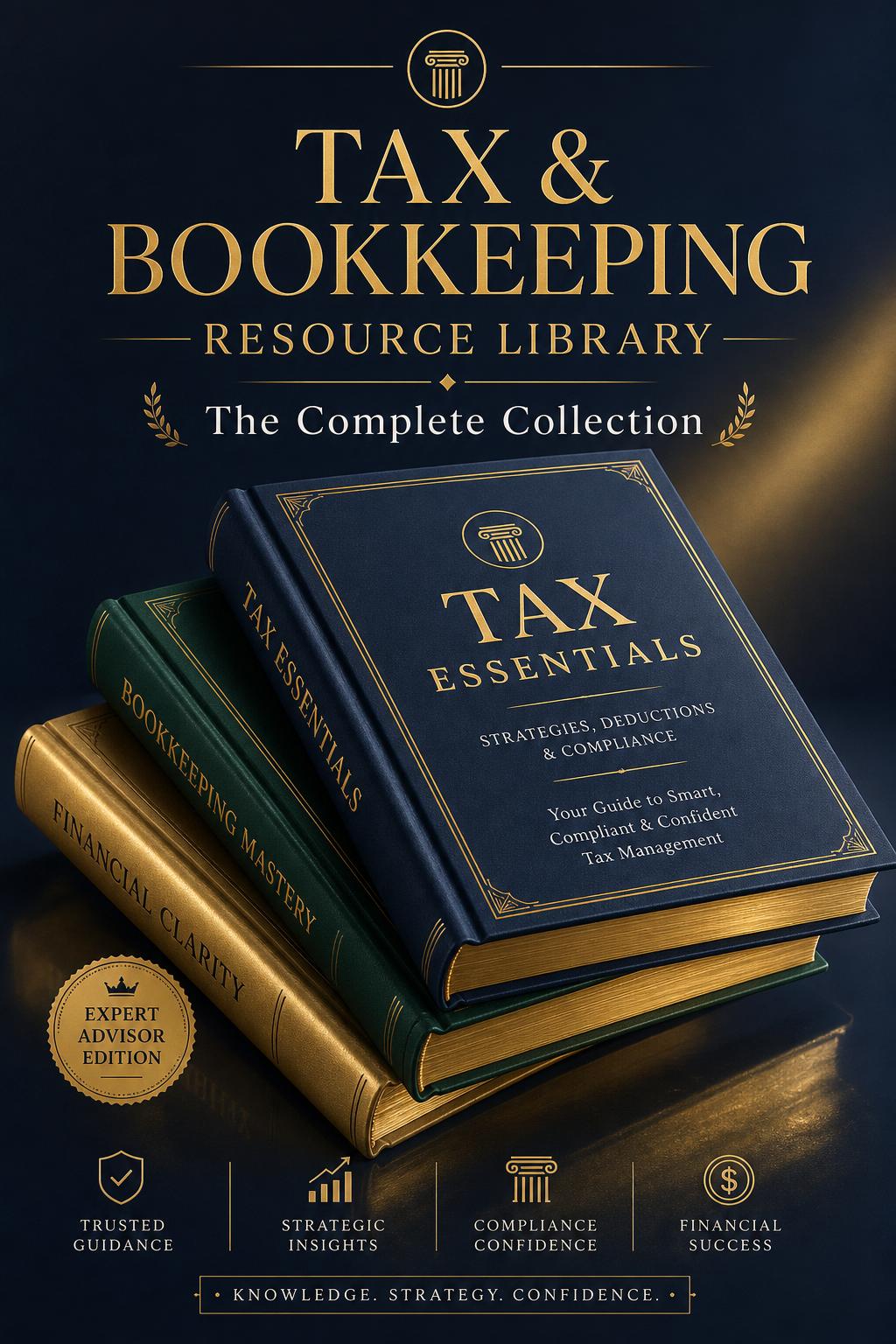
Tax & Bookkeeping Resource Library
Our complete advisor-grade collection — every premium asset an owner needs to run clean books, lower taxes, and recover messy ledgers, in one bundle.