Construction · Remote Bookkeeping
Remote Bookkeeping for Contractors
Remote, cloud-based bookkeeping for contractors — job-cost coding, lien-waiver workflows, and monthly close in QuickBooks Online, Foundation, or Sage Intacct.
What they do
Specialized construction accounting
General CPAs reconcile bank accounts. Construction CPAs run job costing, WIP schedules, percentage-of-completion revenue, and bonding-grade financials.
Job costing
Phase-level cost tracking, committed costs, and budget-vs-actual reports for every job.
WIP schedules
Surety-grade WIP, percentage-of-completion revenue, and over/underbilling reconciliation.
Contractor payroll
Certified payroll, prevailing wage, union fringes, and multi-state crew compliance.
Bonding & tax
Reviewed financials, Section 460 planning, and equipment depreciation strategy.
Bookkeeping
Construction bookkeeping
Job-cost bookkeeping is not the same as a coffee-shop ledger. Every transaction is coded to a job, a phase, and a cost code — or your job profit reports are noise.
- Bank, credit card, and loan reconciliations done monthly with job-cost coding on every line
- AP managed with subcontractor lien waivers, retention held, and joint checks where required
- AR aged by job, with retention receivable tracked separately and released at substantial completion
- Equipment, fuel, and small-tools allocations charged to jobs via overhead rates
- Monthly close in 10 business days with job-cost reports delivered to PMs
- Books kept in QuickBooks Contractor, Foundation, Sage 100/300, or Buildertrend
QuickBooks for construction
QuickBooks setup for contractors
QuickBooks works for construction — if you set it up with cost codes, classes, and items tied to job costing. Most contractors skip step one and fight the data forever.
- Chart of accounts rebuilt with construction-specific direct cost and overhead structure
- Items list mapped to cost codes (CSI or custom) so every invoice and bill codes correctly
- Classes used for divisions, locations, or trades — not jobs (jobs go on the Customer:Job layer)
- Progress invoicing configured against original contract value, change orders, and retention
- Estimates vs. actuals report tuned for PMs; WIP add-on or spreadsheet workflow installed
- Migration from QuickBooks Desktop Contractor to Online when it makes sense
Job costing
Job costing for contractors
Profit fade is the silent killer in construction. Per-job cost tracking exposes margin slippage early so you can act before close-out.
- Labor, materials, equipment, and subcontractor costs tagged to each job by phase or cost code
- Committed-cost tracking so open POs and unbilled subs show in your margin forecast
- Budget vs. actual reports refreshed weekly — variances flagged before they hit gross profit
- Labor burden (workers' comp, payroll taxes, benefits) loaded into job cost, not buried in overhead
- Change orders priced, tracked, and reconciled against the original contract value
- Compatible with QuickBooks Contractor, Foundation, Sage 100/300, Procore, and Buildertrend
Subcontractors
Subcontractor & 1099 management
Sub payments are the largest single bucket on most GC P&Ls. Documentation discipline avoids tax penalties, lien claims, and IRS reclassification.
- W-9 collected before the first check; TIN matching with the IRS to avoid B-notices
- Lien waivers (conditional and unconditional) collected per progress payment
- Insurance certificates tracked with expiration alerts; additional-insured endorsements verified
- 1099-NEC filed by January 31; state copies filed where required
- Worker-classification analysis to avoid IRS reclassification of subs as employees
- Joint checks issued where lower-tier suppliers demand them
Cash flow
Cash flow & bonding readiness
Contractors fail with profit on the books and no cash in the bank. Front-loading billings, controlling retention, and timing draws is the difference.
- Schedule of values structured to bill early without unbalanced-bid pushback
- Retention tracked per job and per contract — released aggressively at substantial completion
- Working-capital forecast tied to backlog and committed costs, refreshed weekly
- Surety-grade reviewed or audited financials produced for bonding capacity increases
- Lender relationships and line-of-credit borrowing-base reports prepared monthly
- Joint-venture and equity-method accounting when partnering on larger work
What it costs
Construction CPA pricing
Typical US fee ranges. Bonded GCs and multi-entity contractors trend high; single-trade subs and owner-operators trend low.
| Service | Typical range | Notes |
|---|---|---|
| Monthly bookkeeping (small contractor) | $500 – $1,500 | Single-trade subs, owner-operators, <$1M revenue |
| Monthly bookkeeping (mid-size GC) | $1,500 – $5,000 | Job-cost coding, AP/AR with lien waivers, WIP updates |
| Outsourced controller / CFO | $3,000 – $12,000/mo | WIP, bonding support, KPI dashboards, lender reporting |
| S-corp return (Form 1120-S) | $1,500 – $4,000 | Construction S-corps with job-cost-based COGS |
| Partnership return (Form 1065) | $1,800 – $5,000 | JV and multi-owner contractor entities |
| Reviewed financials (for bonding) | $8,000 – $25,000 | Annual; required by most sureties at meaningful capacity |
| Audited financials | $18,000 – $60,000+ | Required for public work and large bonding programs |
| Certified payroll (per pay run) | $75 – $250 | Add-on to standard payroll; varies by employee count |
Vetting checklist
Questions to ask a construction CPA
- 1How many construction clients do you serve, and what trades or contract types?
- 2Do you produce surety-grade WIP schedules in-house, and how often?
- 3Are you fluent in Section 460, look-back interest, and the small-contractor exemption?
- 4What construction accounting software do you support — QuickBooks Contractor, Foundation, Sage 100/300, Procore?
- 5Can you handle certified payroll and union fringe remittance?
- 6How do you coordinate with my surety, banker, and bonding agent?
- 7What's your process for monthly close and how soon do PMs get job-cost reports?
- 8How do you handle multi-state payroll and out-of-state job registrations?
Featured Professionals
Find a Construction CPA
Verified professionals will appear here as profiles are claimed and reviewed.
Keep exploring
Related construction services
Construction CPA Services
Full-service CPAs for contractors — job costing, WIP, bonding, and tax planning.
Bookkeeping for Construction Companies
Job-cost bookkeeping, AP/lien waivers, retention, and monthly close for contractors.
Contractor Payroll Services
Certified payroll, prevailing wage, union fringes, and multi-state crew compliance.
Job Costing for Contractors
Phase-level cost tracking, committed costs, and PM-grade budget-vs-actual reports.
QuickBooks for Construction Companies
QuickBooks Contractor setup, cost codes, classes, and progress invoicing for contractors.
Construction CPAs in Miami FL
Miami-area construction CPAs for GCs, subs, and developers.
By city
Find this service by city
Houston, TX
Houston CPAs serve energy, healthcare, and the city's vast small-business community.
Dallas, TX
Dallas accounting firms anchor finance, real estate, and corporate headquarters across DFW.
Los Angeles, CA
LA's accountants specialize in entertainment, real estate, and creative-industry tax planning.
San Francisco, CA
San Francisco CPAs serve startups, venture-backed companies, and complex equity-comp clients.
New York City, NY
NYC's accountants cover Wall Street, media, real estate, hospitality, and the small businesses of all five boroughs.
Miami, FL
Miami's CPAs specialize in international tax, real estate, hospitality, and Latin American business.
Chicago, IL
Chicago accountants serve professional services, manufacturing, logistics, and the Midwest's largest corporate base.
Atlanta, GA
Atlanta's CPAs support film, fintech, logistics, and one of the country's most dynamic small-business scenes.
Boston, MA
Boston-area accountants serve life sciences, higher education, financial services, and innovation-economy startups.
Seattle, WA
Seattle CPAs serve tech, aerospace, and the Pacific Northwest's deep entrepreneurial bench.
Washington DC, DC
Washington DC accountants serve federal contractors, nonprofits, associations, and the law firms that anchor the capital's economy.
Baltimore, MD
Baltimore CPAs serve healthcare systems, port and logistics operators, biotech, and the city's deep nonprofit and higher-ed community.
Common questions
Construction CPA FAQs
Why hire a construction CPA instead of a generalist?+
Construction has its own accounting rules — Section 460, percentage-of-completion, WIP, look-back interest, certified payroll, and surety financial requirements. A generalist CPA can prepare a return, but won't run a WIP schedule, won't catch profit fade, and won't produce financials a surety will accept. The cost difference is small; the planning gap is large.
What's the difference between PCM and completed-contract?+
Percentage-of-completion (PCM) recognizes revenue as costs are incurred — required by GAAP and by Section 460 for most contractors over the gross-receipts threshold. Completed-contract defers revenue until the job finishes; it's allowed for small contractors and home builders on specific contract types. Choice of method directly affects current-year taxable income.
Do I need WIP schedules?+
If you bond work, take on a bank line, or follow GAAP — yes. WIP reconciles costs-to-date, billed-to-date, and earned revenue on each open contract. Without it, your P&L is noise and your surety won't increase capacity. We produce surety-grade WIP monthly or quarterly.
How does construction payroll differ from regular payroll?+
Multi-state withholding, prevailing wage on public work, certified payroll (WH-347), union fringes remitted to multiple locals, workers' comp by class code, and 1099-NEC for subs with lien-waiver coordination. Standard payroll providers handle the basics; construction-aware bookkeepers run the rest.
What's the small-contractor exemption?+
Under Section 460, contractors averaging $31M or less in gross receipts (2025) over the prior three years can use completed-contract or cash basis on most long-term contracts. Above that, percentage-of-completion is required. The threshold is indexed annually.
Can QuickBooks really handle construction?+
Yes for small to mid-size contractors, with the Contractor edition or QuickBooks Online Plus/Advanced configured properly — chart of accounts rebuilt, items tied to cost codes, customer:job layer enforced, and progress invoicing turned on. Above ~$15M revenue or with heavy WIP needs, Foundation, Sage 100 Contractor, or Sage 300 CRE usually fits better.
How much does a construction CPA cost?+
Monthly bookkeeping runs $500–$5,000 depending on size. S-corp returns run $1,500–$4,000. Reviewed financials for bonding run $8,000–$25,000 annually. Fractional controller / CFO support runs $3,000–$12,000/mo. See the pricing table for a full breakdown.
Do you need to be local to my projects?+
No. Most construction CPAs work remotely with contractors nationwide. What matters is fluency in construction accounting, your software stack, and your state's prevailing-wage and contractor-licensing rules. Local matters most when a surety or bank prefers an in-person relationship.
How to choose
How to choose a construction CPA
Use these criteria to compare candidates side by side and avoid the most common hiring mistakes.
Industry concentration
Ask how many clients in your industry they currently serve. Generalists miss niche credits, filings, and software conventions.
Credentials and licensure
Verify active CPA license, Enrolled Agent status, or relevant certifications (QuickBooks ProAdvisor, Xero Partner, AFSP).
Software stack
Confirm they work in your existing platforms — QuickBooks Online, Xero, Gusto, Sage Intacct — rather than forcing a migration.
Engagement scope and SLAs
Get a written engagement letter that lists deliverables, monthly close date, response times, and what is and isn't included.
Pricing transparency
Prefer fixed monthly fees over open-ended hourly billing for recurring work. Ask what triggers a price increase.
References and reviews
Ask for 2–3 current client references in your industry, plus check independent reviews and state-board status.
Ready to find a construction CPA?
Browse the verified directory or answer a few questions and we'll match you with a CPA who knows job costing, WIP, and contractor payroll.
Industry-specific accounting
Need an accountant who knows your industry?
Talk to a specialist who works with businesses like yours — from construction and real estate to healthcare, restaurants, and nonprofits.
Take the next step
Find a construction CPA
Free matching
Get 3 free CPA quotes
Tell us what you need. Up to 3 verified CPAs reply within 1 business day. No fees, no pressure.
Request 3 quotesSide-by-side
Compare CPAs
Stack verified pros next to each other on pricing, specialties, and experience before you reach out.
Compare CPAsFree PDF
2026 CPA Pricing Guide
Real fee benchmarks for tax prep, bookkeeping, payroll, and advisory — by service and business type.
Download free guideRelated industry accounting services
Get matched
Request a free consultation
Share a few details — a vetted CPA will reach out within one business day.
Advisor-grade guides
Downloadable ebooks & templates
CPA-ready playbooks and templates you can use today — instant downloads, no signup required.
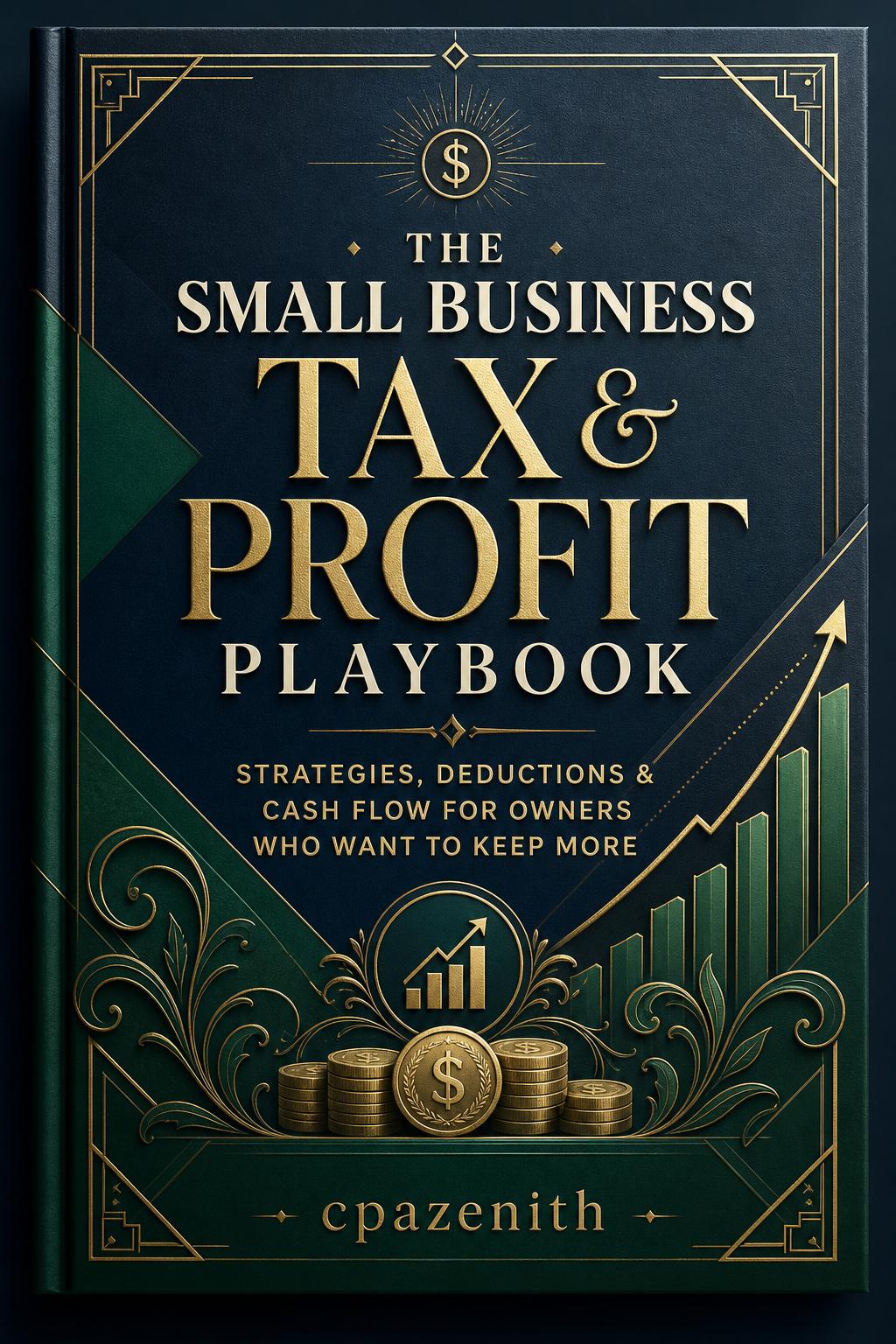
The Small Business Tax & Profit Playbook
A CPA-ready guide to deductions, quarterly taxes, S-Corp strategy, owner pay, cash flow, and year-round tax planning.
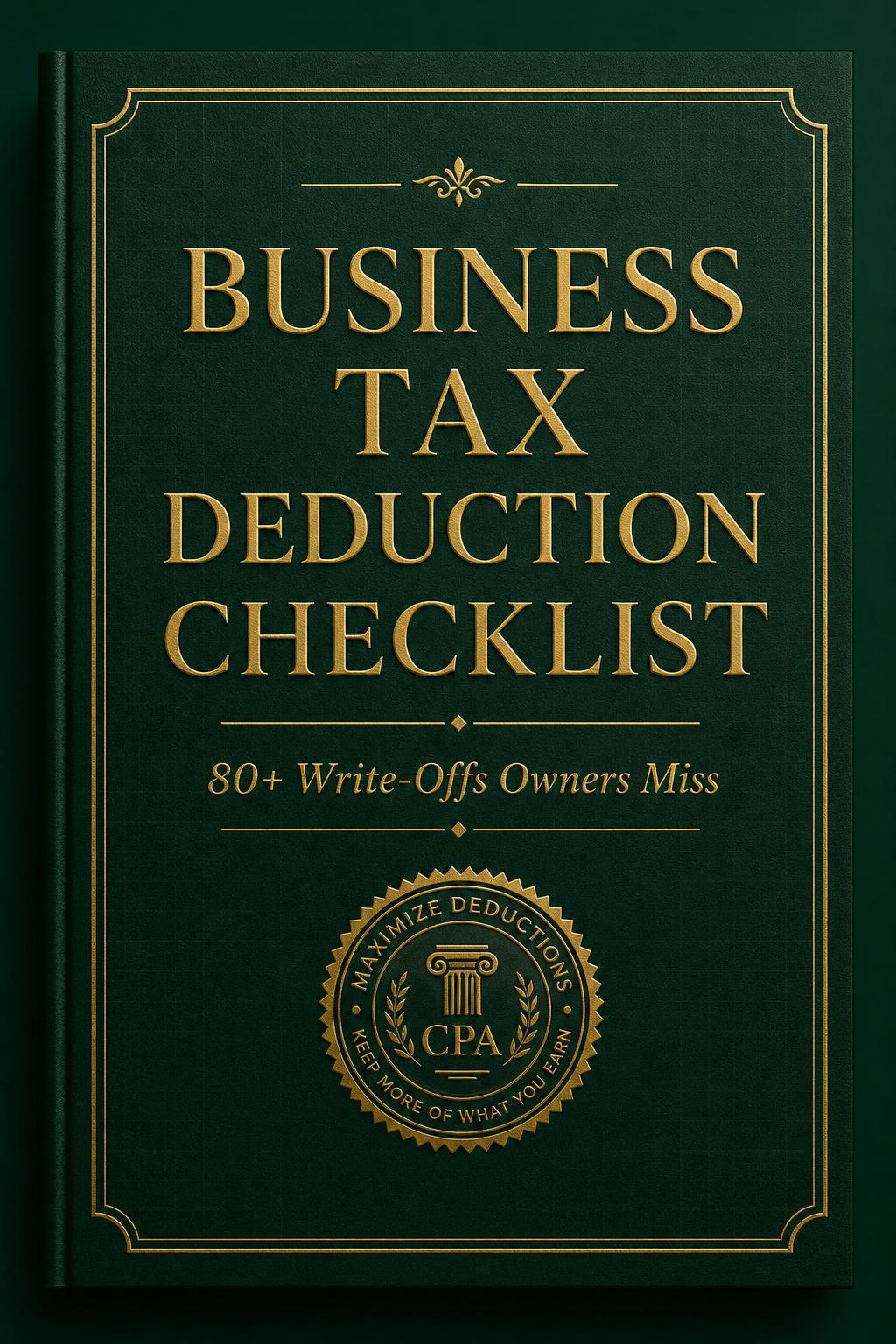
Business Tax Deduction Checklist
A CPA-curated checklist of 80+ business deductions most owners miss — organized by category so you can sweep it before filing.
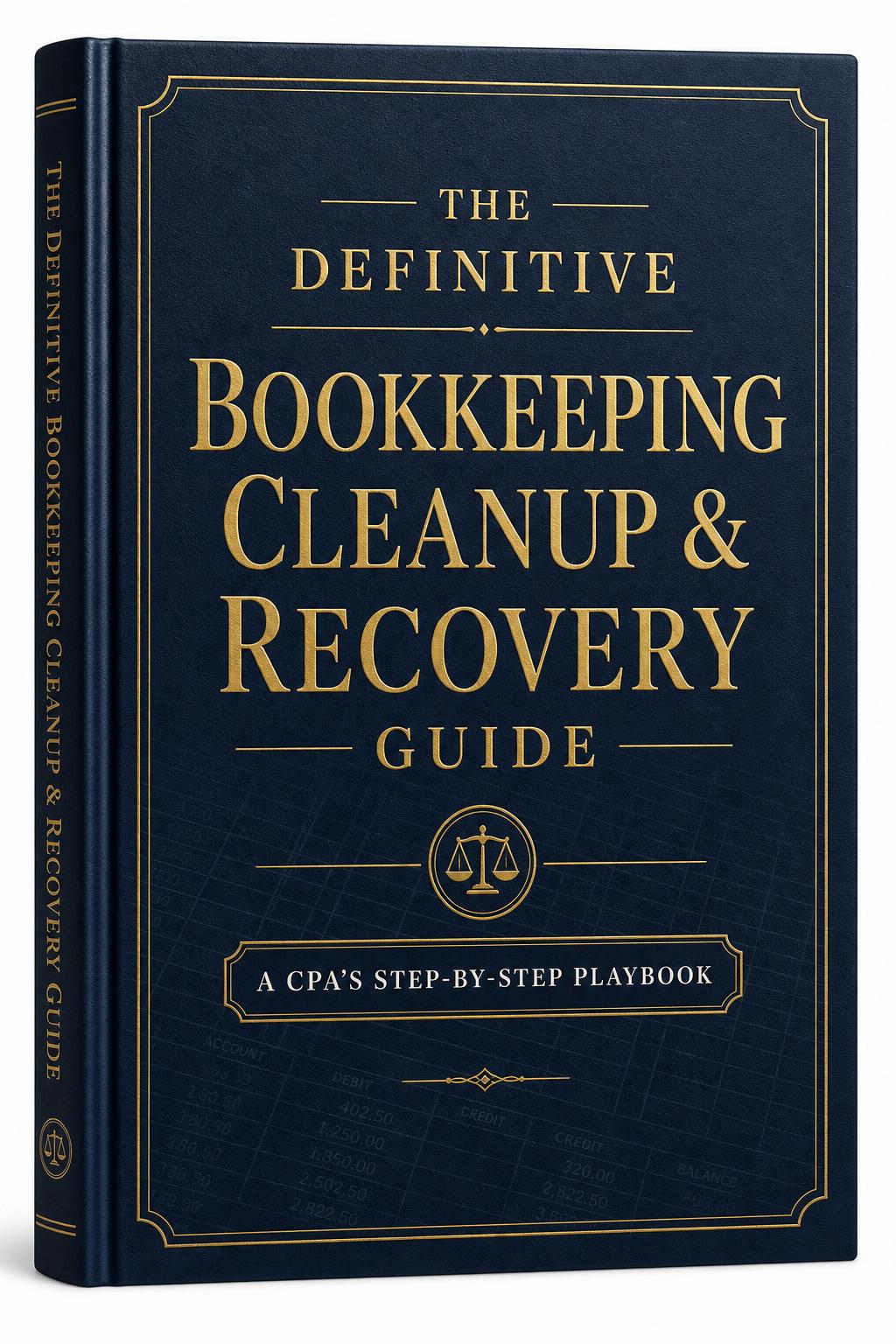
The Definitive Bookkeeping Cleanup & Recovery Guide
The CPA's step-by-step playbook for diagnosing messy books, reconstructing missing history, and restoring a clean, audit-ready ledger.
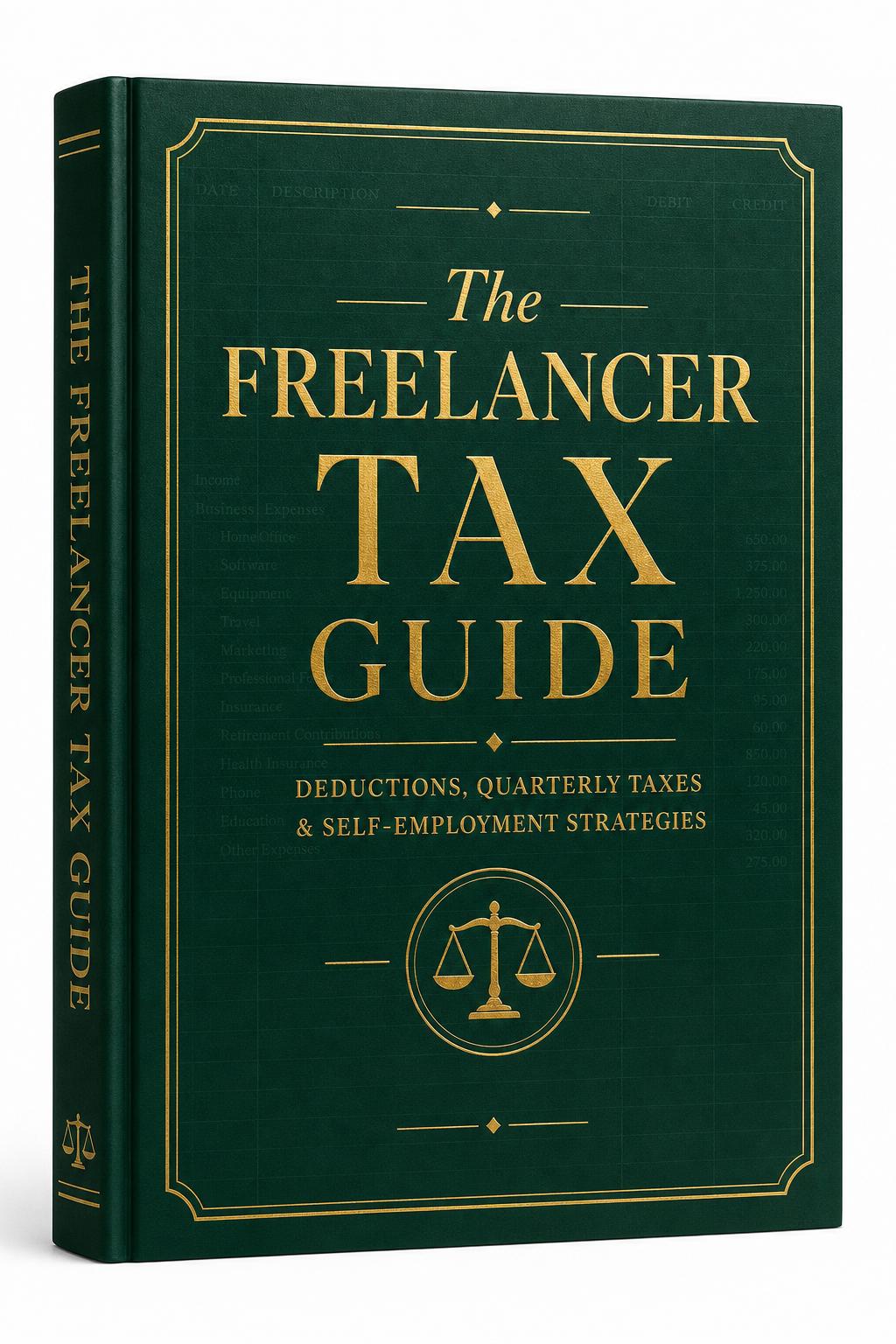
The Freelancer Tax Guide
The practical tax playbook for freelancers, contractors, and solo creatives — deductions, quarterly estimates, and self-employment strategies.
The Year-End Tax Planning Guide
The CPA's December playbook — practical strategies to reduce your tax bill before the year closes.
The Premium Bookkeeping Template Pack
Automated dashboards, multi-account reconciliations, and CPA-ready reporting workbooks for serious owners and bookkeepers.
Tax & Bookkeeping Resource Library
Our complete advisor-grade collection — every premium asset an owner needs to run clean books, lower taxes, and recover messy ledgers, in one bundle.