Industry-Specific Accounting
This page is for owners who want an accountant who already understands their industry — the chart of accounts, tax credits, revenue recognition rules, and operating metrics — instead of paying a generalist to learn on your time.
What Is Industry-Specific Accounting?
Industry-specific accounting is bookkeeping, tax, and advisory work delivered by CPAs and firms that focus on a single vertical. They use industry-standard charts of accounts, know which deductions apply, and benchmark your numbers against peers.
Who Needs This Service?
- Construction firms managing job costing and WIP schedules
- Real estate investors tracking depreciation across properties
- Restaurants reconciling tips, food cost, and POS data
- Healthcare practices billing through insurance and HSA programs
- Ecommerce sellers handling sales tax across states and marketplaces
- Law firms managing IOLTA trust accounts
- SaaS and startups tracking ARR, deferred revenue, and R&D credits
What Services Are Included?
- Industry-tailored chart of accounts and bookkeeping
- Revenue recognition under ASC 606 for SaaS and services
- Job costing and percentage-of-completion for construction
- Cost segregation and 1031 exchanges for real estate
- Multi-state sales tax for ecommerce and SaaS
- R&D tax credits for tech and startups
- IOLTA / trust account reconciliation for law firms
- Industry benchmarking and KPI reporting
How Much Does It Cost?
- Industry specialist bookkeeping: $400–$3,500/month
- Industry-specific tax return: $1,000–$5,000 depending on complexity
- Advisory and CFO work: $200–$500/hour or $2,000–$10,000/month
- Specialty work (R&D credits, cost seg): often contingency or 15–30% of savings
- Specialists typically charge 10–30% more than generalists but pay back through deductions and avoided errors
How to Choose the Right Provider
- Ask what percentage of their clients are in your industry
- Confirm they use industry-standard software (e.g., Procore + QuickBooks for construction)
- Look for case studies or references from companies your size
- Verify they stay current on industry-specific tax law changes
- Ask about KPIs they track for clients in your vertical
Questions to Ask Before Hiring
- How many clients do you serve in my industry?
- What industry-specific tax credits or deductions do you typically claim?
- Which industry software do you integrate with?
- Can you share KPI benchmarks for businesses my size?
- How do you stay current on regulatory changes in my industry?
Related Services
FAQs
Why hire an industry-specific CPA?
A specialist already knows the chart of accounts, tax credits, and reporting rules for your vertical. You skip the ramp-up time and usually capture deductions a generalist misses — often paying for the specialist premium several times over.
Are industry specialists more expensive?
Typically 10–30% more than generalists for similar scope, but they tend to surface credits and avoid errors that more than offset the difference for businesses with industry-specific complexity.
What if my industry is small or unusual?
Even niche industries usually have a handful of CPA firms specializing in them. Look for industry trade associations — many maintain referral lists of accountants who serve their members.
Can a generalist CPA handle my industry?
For simple businesses, yes. But once you have inventory, multi-state sales tax, job costing, deferred revenue, or industry-specific credits, a specialist almost always delivers better results.
Find a CPA, bookkeeper, payroll provider, or accounting firm by specialty and location.
Find a ProviderAdvisor-grade guides
Downloadable ebooks & templates
CPA-ready playbooks and templates you can use today — instant downloads, no signup required.

The Small Business Tax & Profit Playbook
A CPA-ready guide to deductions, quarterly taxes, S-Corp strategy, owner pay, cash flow, and year-round tax planning.

Business Tax Deduction Checklist
A CPA-curated checklist of 80+ business deductions most owners miss — organized by category so you can sweep it before filing.
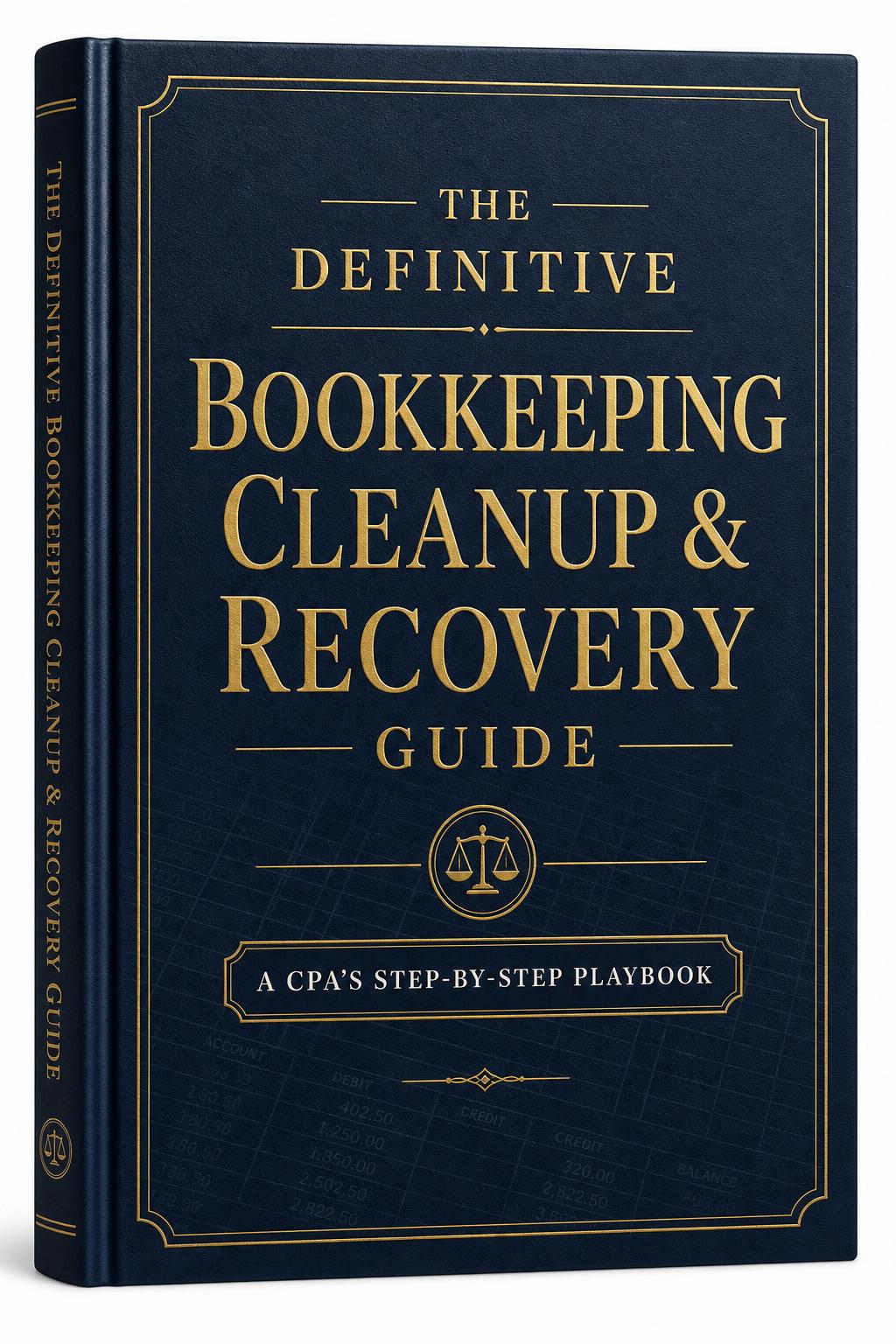
The Definitive Bookkeeping Cleanup & Recovery Guide
The CPA's step-by-step playbook for diagnosing messy books, reconstructing missing history, and restoring a clean, audit-ready ledger.

The Freelancer Tax Guide
The practical tax playbook for freelancers, contractors, and solo creatives — deductions, quarterly estimates, and self-employment strategies.

The Year-End Tax Planning Guide
The CPA's December playbook — practical strategies to reduce your tax bill before the year closes.

The Premium Bookkeeping Template Pack
Automated dashboards, multi-account reconciliations, and CPA-ready reporting workbooks for serious owners and bookkeepers.

Tax & Bookkeeping Resource Library
Our complete advisor-grade collection — every premium asset an owner needs to run clean books, lower taxes, and recover messy ledgers, in one bundle.