Construction
Construction CPA
A general CPA can file a contractor's tax return. A construction CPA also reads WIP schedules, supports bonding requirements, plans for equipment depreciation, and understands percentage-of-completion accounting. The difference matters as soon as a contractor takes on bonded work or bank financing.
What a construction CPA does
- Percentage-of-completion and completed-contract accounting
- Work-in-Progress (WIP) schedules for bonding and lenders
- Job costing setup in QuickBooks, Sage 100, or Foundation
- Equipment depreciation and Section 179 planning
- Bonding letters and surety relationships
- Multi-state contractor tax filings
- Owner compensation and S-corp planning
- R&D credits for design-build contractors
Who hires a construction CPA
- General contractors with bonded projects
- Specialty trades with multi-state crews
- Design-build and architecture-led contractors
- HVAC, electrical, and plumbing companies
- Home builders and developers
- Subcontractors growing past $2M in revenue
How to choose
- Confirm experience with WIP and percentage-of-completion
- Ask for references from bonded contractors
- Confirm relationships with at least two surety agents
- Ask which construction accounting software they support
- Confirm multi-state and prevailing-wage experience if relevant
- Get a fixed-fee quote that includes year-end WIP
Frequently Asked Questions
Why does a contractor need a specialized CPA?
Bonding companies, banks, and the IRS treat construction differently because of long contracts, retainage, and equipment. A non-construction CPA often misses revenue recognition rules that drive bonding capacity and tax bills.
What is a WIP schedule?
A Work-in-Progress schedule reconciles each open job's contract value, costs to date, billings, and estimated profit. Sureties and lenders require an accurate WIP at year end and often quarterly.
How much does a construction CPA cost?
Tax-only engagements run $1,500 to $5,000 per year. Year-round packages with WIP, bookkeeping coordination, and advisory typically run $1,500 to $5,000 per month.
Do I need a construction CPA if I don't bond?
Even non-bonded contractors benefit from job costing, equipment depreciation planning, and percentage-of-completion vs cash decisions. The savings usually exceed the fee once revenue passes $1M.
Related services
Get matched
Need accounting, QuickBooks, tax planning or fractional CFO support? Compare CPA and advisory options for your business, nonprofit or organization.
Advisor-grade guides
Downloadable ebooks & templates
CPA-ready playbooks and templates you can use today — instant downloads, no signup required.
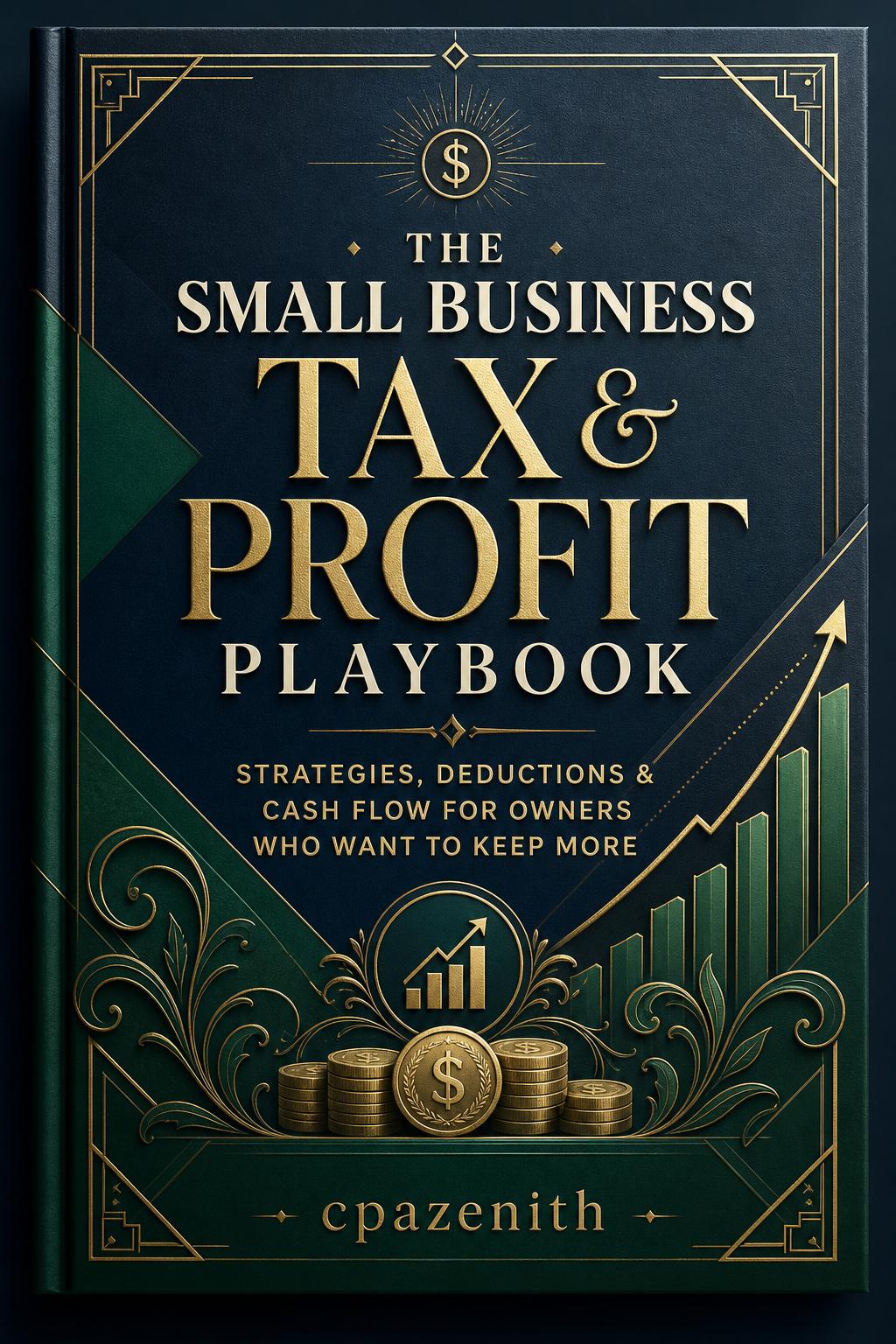
The Small Business Tax & Profit Playbook
A CPA-ready guide to deductions, quarterly taxes, S-Corp strategy, owner pay, cash flow, and year-round tax planning.
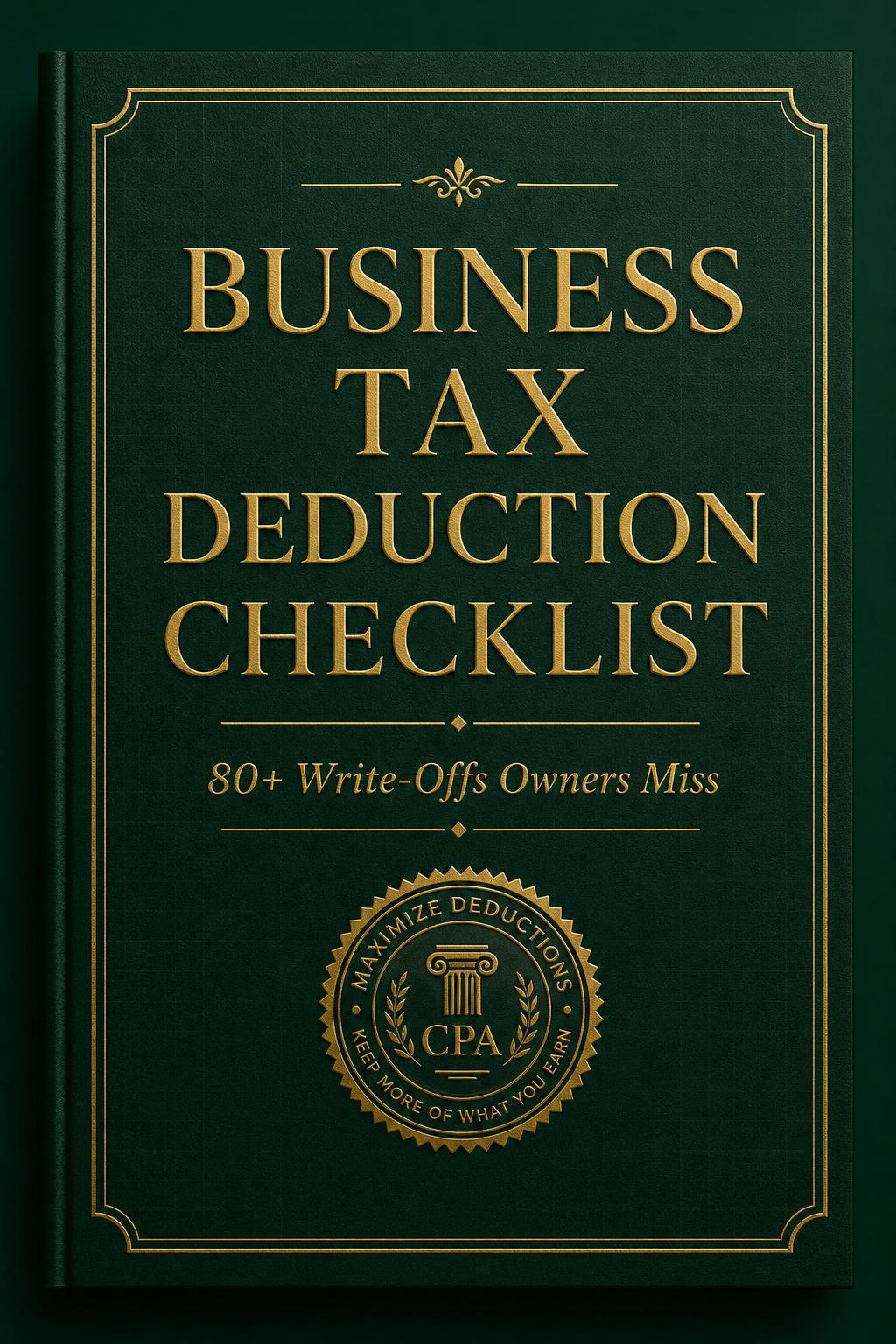
Business Tax Deduction Checklist
A CPA-curated checklist of 80+ business deductions most owners miss — organized by category so you can sweep it before filing.
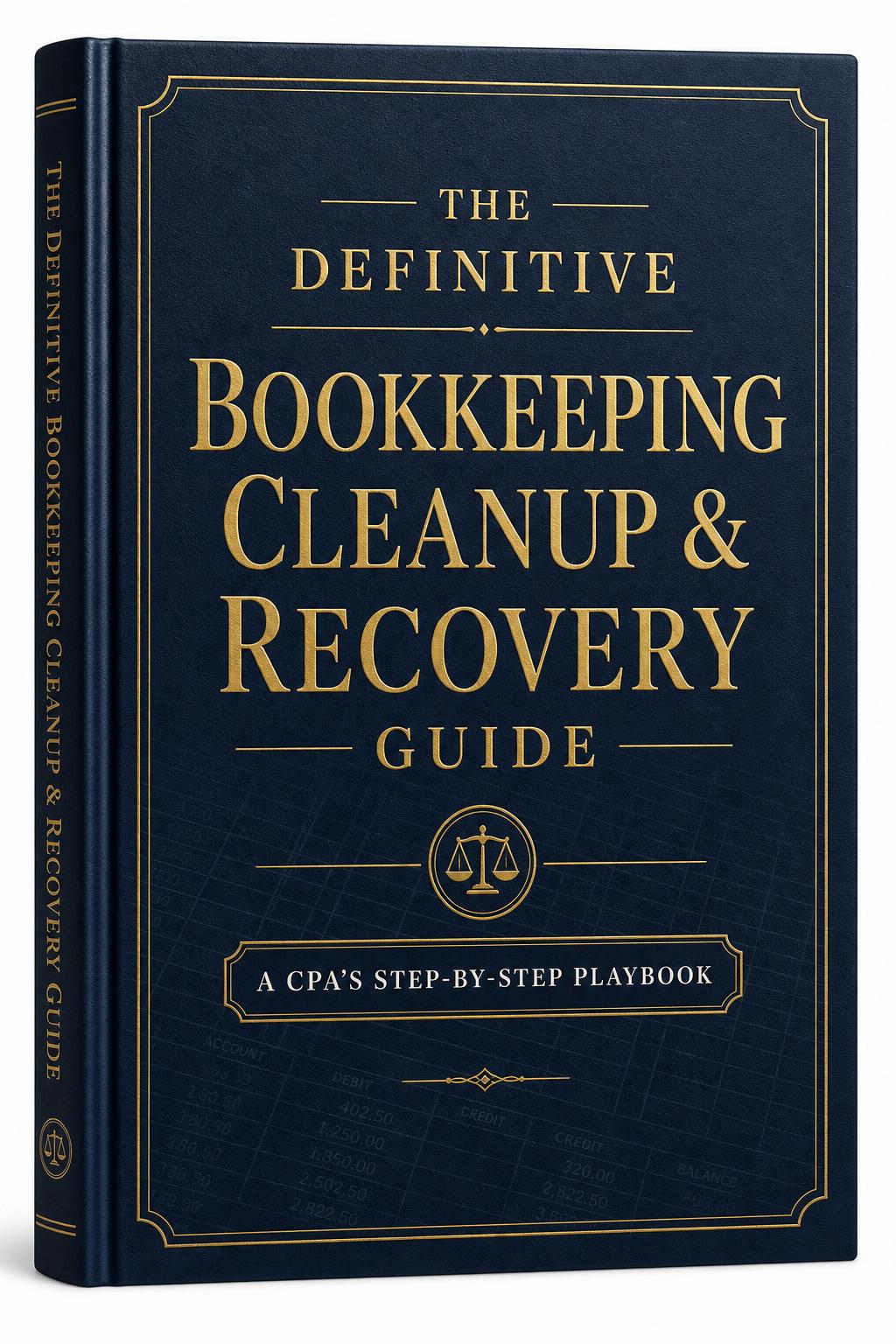
The Definitive Bookkeeping Cleanup & Recovery Guide
The CPA's step-by-step playbook for diagnosing messy books, reconstructing missing history, and restoring a clean, audit-ready ledger.
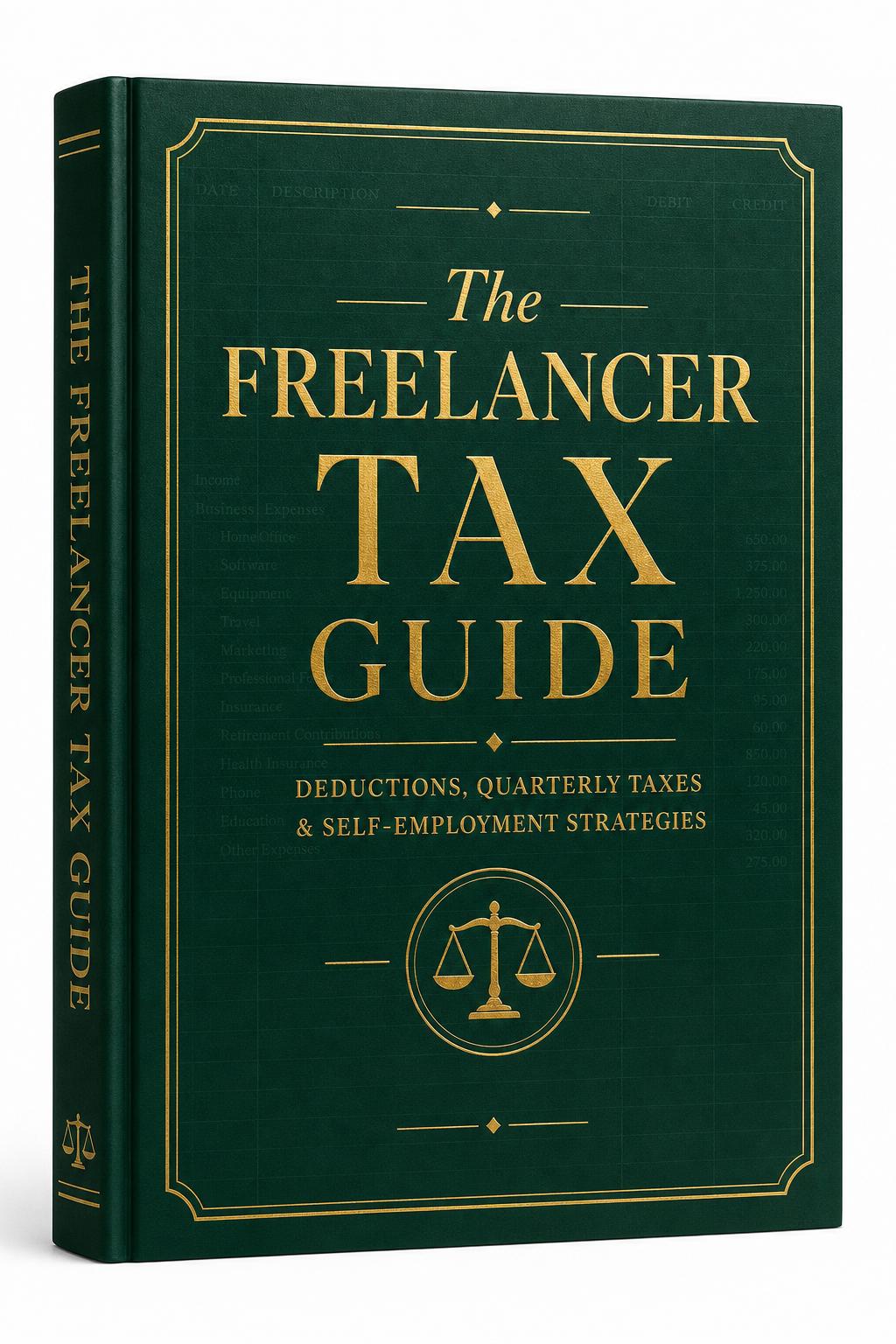
The Freelancer Tax Guide
The practical tax playbook for freelancers, contractors, and solo creatives — deductions, quarterly estimates, and self-employment strategies.
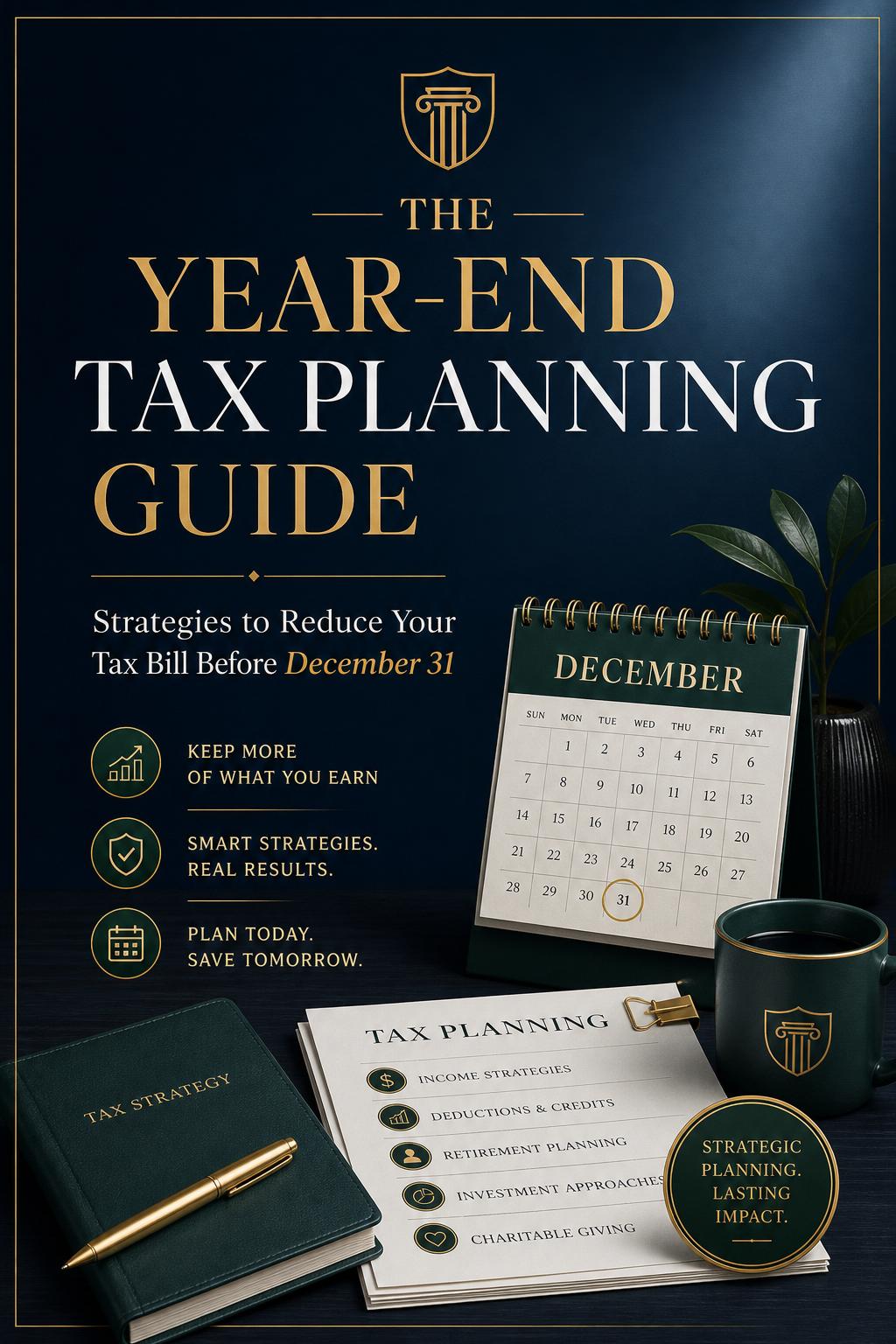
The Year-End Tax Planning Guide
The CPA's December playbook — practical strategies to reduce your tax bill before the year closes.
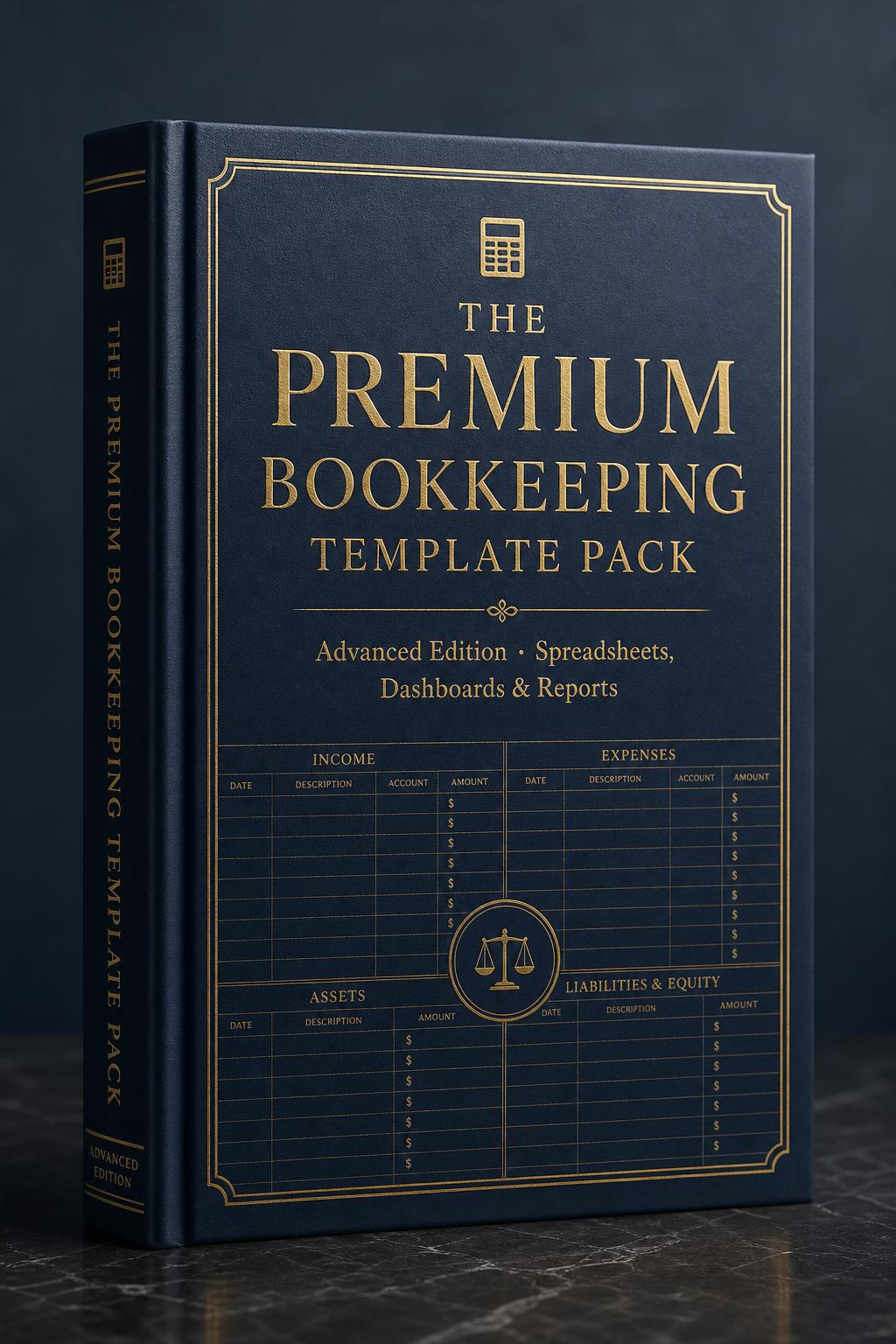
The Premium Bookkeeping Template Pack
Automated dashboards, multi-account reconciliations, and CPA-ready reporting workbooks for serious owners and bookkeepers.
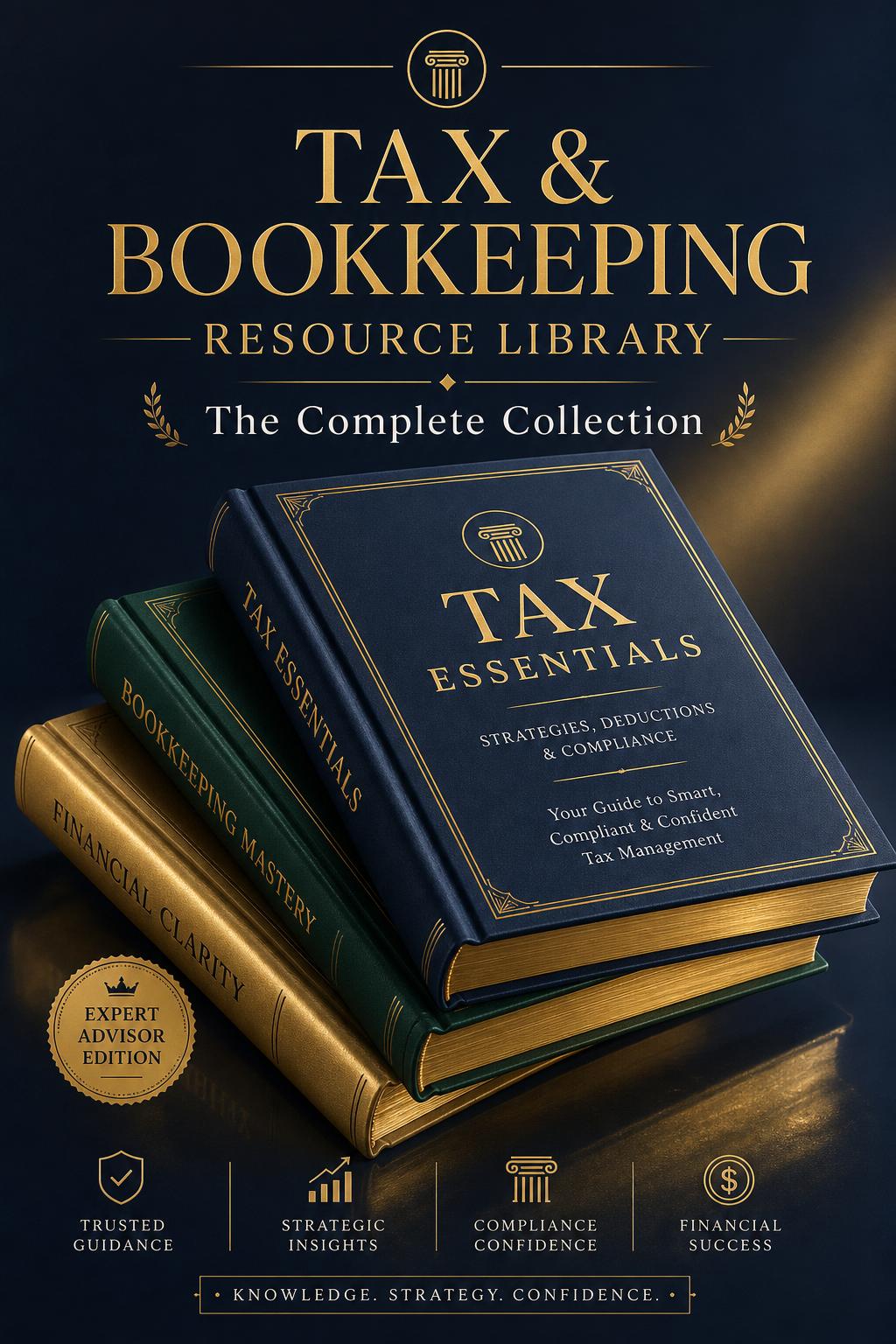
Tax & Bookkeeping Resource Library
Our complete advisor-grade collection — every premium asset an owner needs to run clean books, lower taxes, and recover messy ledgers, in one bundle.