Construction
CPAs and accounting firms built for builders and contractors
Construction accounting firms specialize in job costing, work-in-process schedules, percentage-of-completion accounting, and surety-ready reviewed or audited financials. They work with general contractors, specialty trades, developers, and design-build firms.
What the specialist does
What a construction specialist actually handles
- Job costing with labor, material, equipment, and burden by cost code
- Work-in-process (WIP) schedules and percentage-of-completion revenue
- Certified payroll and prevailing wage (Davis-Bacon / state equivalents)
- Surety bonding support and CPA-reviewed or audited financials
- Equipment depreciation, Section 179, and bonus elections
Common tax issues
Tax issues this specialist handles every year
Generic firms miss most of these. A specialist surfaces them in planning conversations, not on the next IRS notice.
Method of accounting (percentage-of-completion vs completed contract)
Long-term contracts generally require POC; small contractors (<$30M avg gross receipts) may use completed contract or cash. Switching requires Form 3115.
Look-back interest (Form 8697)
Required for completed long-term contracts when actual vs estimated profit differed materially.
Domestic Production / Section 199A QBI
Construction firms qualify for the QBI deduction — but only when aggregations and W-2 limits are modeled correctly.
Multi-state nexus from job sites
Working on a job in another state creates withholding, sales/use, and income tax filing obligations.
Sales and use tax on materials
Resale vs consumed-in-the-job treatment varies by state; misclassification is a common audit pickup.
Bookkeeping requirements
- Cost-code-level job costing with committed cost reporting
- WIP schedule with over/underbilling reconciliation each month
- Retainage receivable and payable tracking
- Equipment internal billing rates and burden
- Subcontractor compliance: W-9, COI, lien waivers, 1099-NEC
Payroll issues
- Certified payroll (WH-347) for federal and state-funded jobs
- Prevailing wage fringe benefit calculations
- Multi-state withholding for crews on out-of-state jobs
- Union dues, pension, and benefit reporting
- Workers' comp by trade code with audit reconciliation
Software used
The tools a real specialist works in
Pricing ranges
What you should expect to pay
Real market ranges from active engagements. Fees scale with complexity, location, and firm size.
Small contractor monthly
$1,200–$3,500/mo
Job-cost bookkeeping, certified payroll, monthly WIP.
Mid-size GC / specialty trade
$3,500–$10,000/mo
Multi-entity, multi-state, surety package, monthly WIP review.
Reviewed financials for bonding
$8,000–$25,000
Annual CPA review, WIP audit, agreed-upon procedures.
Audited financials
$20,000–$75,000+
Required by larger sureties and banks; scope drives fee.
Featured professionals
Construction accounting firms — vetted pros accepting new clients
Verified specialists appear here as profiles are claimed and reviewed in United States.
Questions to ask
- How many construction clients do you serve and what revenue range?
- Are you on our surety's approved CPA list?
- How do you prepare a WIP schedule and review it with us each month?
- Do you handle certified payroll in-house or partner with a specialist?
- Can you advise on percentage-of-completion vs completed contract elections?
Red flags
- !Doesn't ask about your WIP schedule or surety relationship
- !Posts revenue on a cash basis when contracts clearly require POC
- !Hasn't filed Form 8697 look-back interest on completed long-term contracts
- !Treats every state job as if you only have nexus in your home state
- !No experience with prevailing wage or certified payroll
Find a construction accounting firm
Browse vetted construction professionals, compare credentials and pricing, and start a conversation in minutes.
FAQ
About construction accounting firms
What's the difference between a construction CPA and a general CPA?+
Construction CPAs prepare WIP schedules, understand percentage-of-completion, and produce surety-ready financials. General CPAs typically can't and shouldn't try.
Do small contractors need a construction-specialized firm?+
Once you exceed ~$2–3M in revenue, multiple active jobs, or you're seeking bonding, a construction-specialized firm is essential.
How much do construction accounting firms charge?+
Most small contractors pay $1,200–$3,500/month for outsourced accounting. Mid-size GCs typically pay $3,500–$10,000+/month, plus annual review or audit fees of $8k–$75k.
Take the next step
Find an industry-specialist CPA
Free matching
Get 3 free CPA quotes
Tell us what you need. Up to 3 verified CPAs reply within 1 business day. No fees, no pressure.
Request 3 quotesSide-by-side
Compare CPAs
Stack verified pros next to each other on pricing, specialties, and experience before you reach out.
Compare CPAsFree PDF
2026 CPA Pricing Guide
Real fee benchmarks for tax prep, bookkeeping, payroll, and advisory — by service and business type.
Download free guideRelated industry accounting services
Advisor-grade guides
Downloadable ebooks & templates
CPA-ready playbooks and templates you can use today — instant downloads, no signup required.
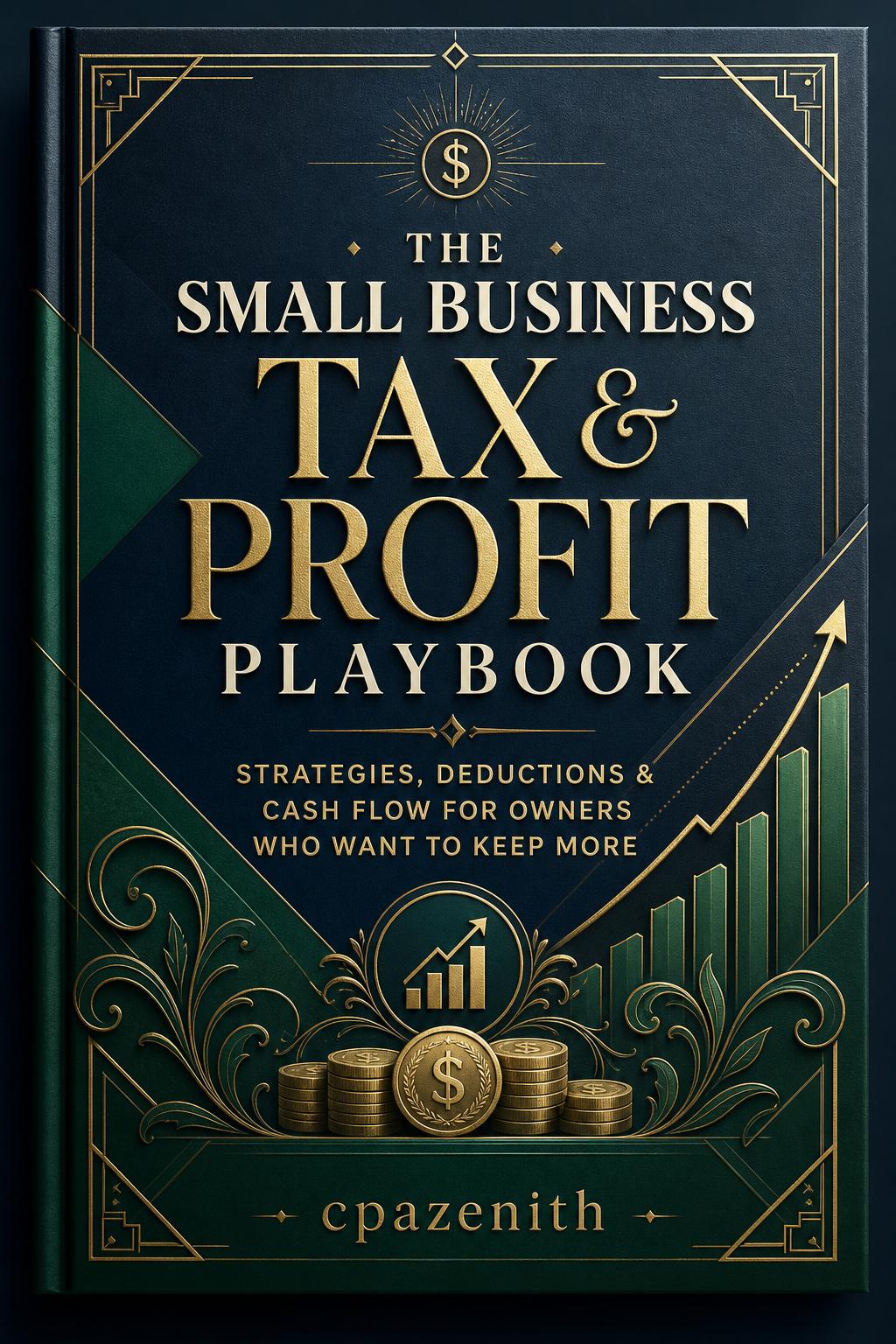
The Small Business Tax & Profit Playbook
A CPA-ready guide to deductions, quarterly taxes, S-Corp strategy, owner pay, cash flow, and year-round tax planning.
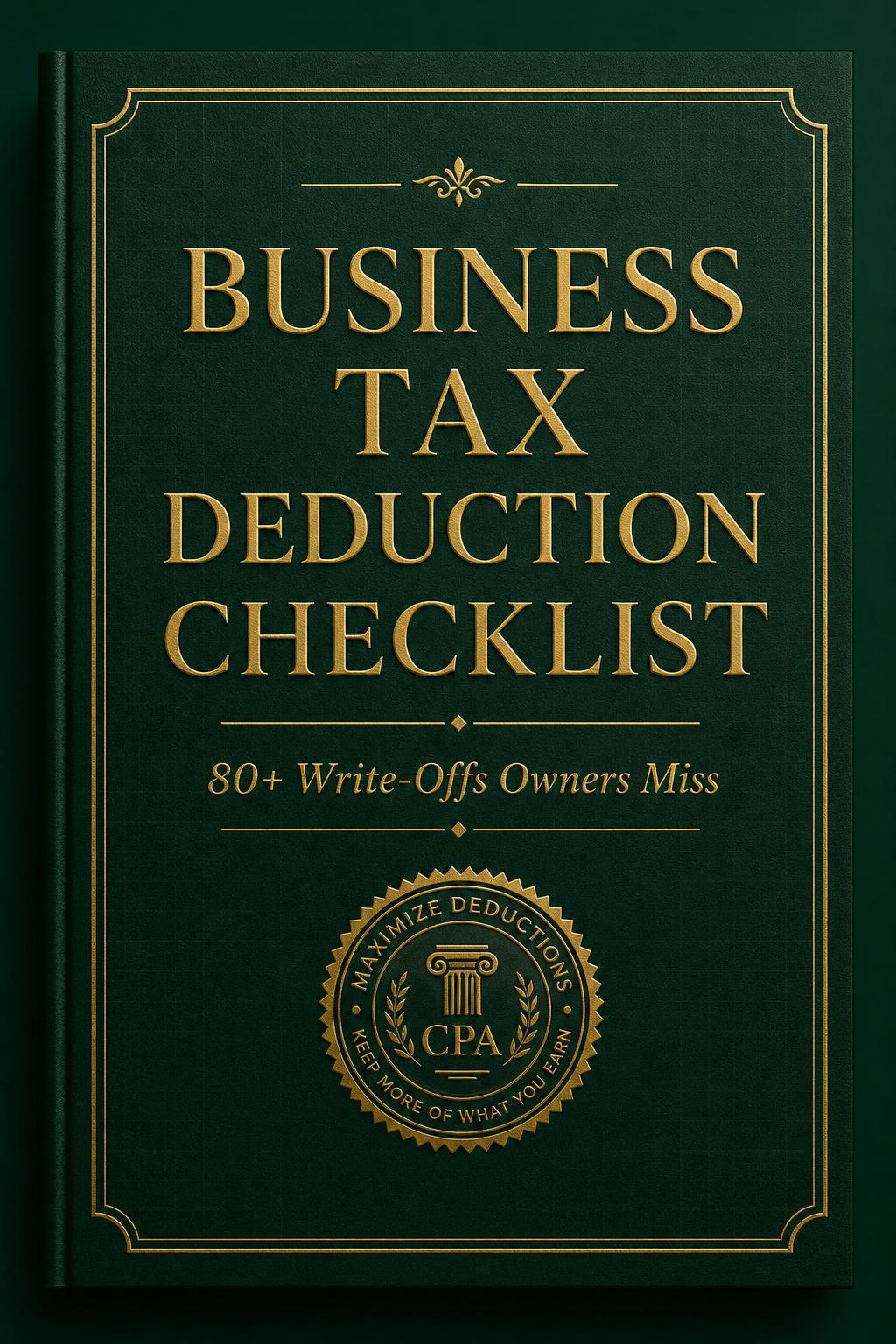
Business Tax Deduction Checklist
A CPA-curated checklist of 80+ business deductions most owners miss — organized by category so you can sweep it before filing.
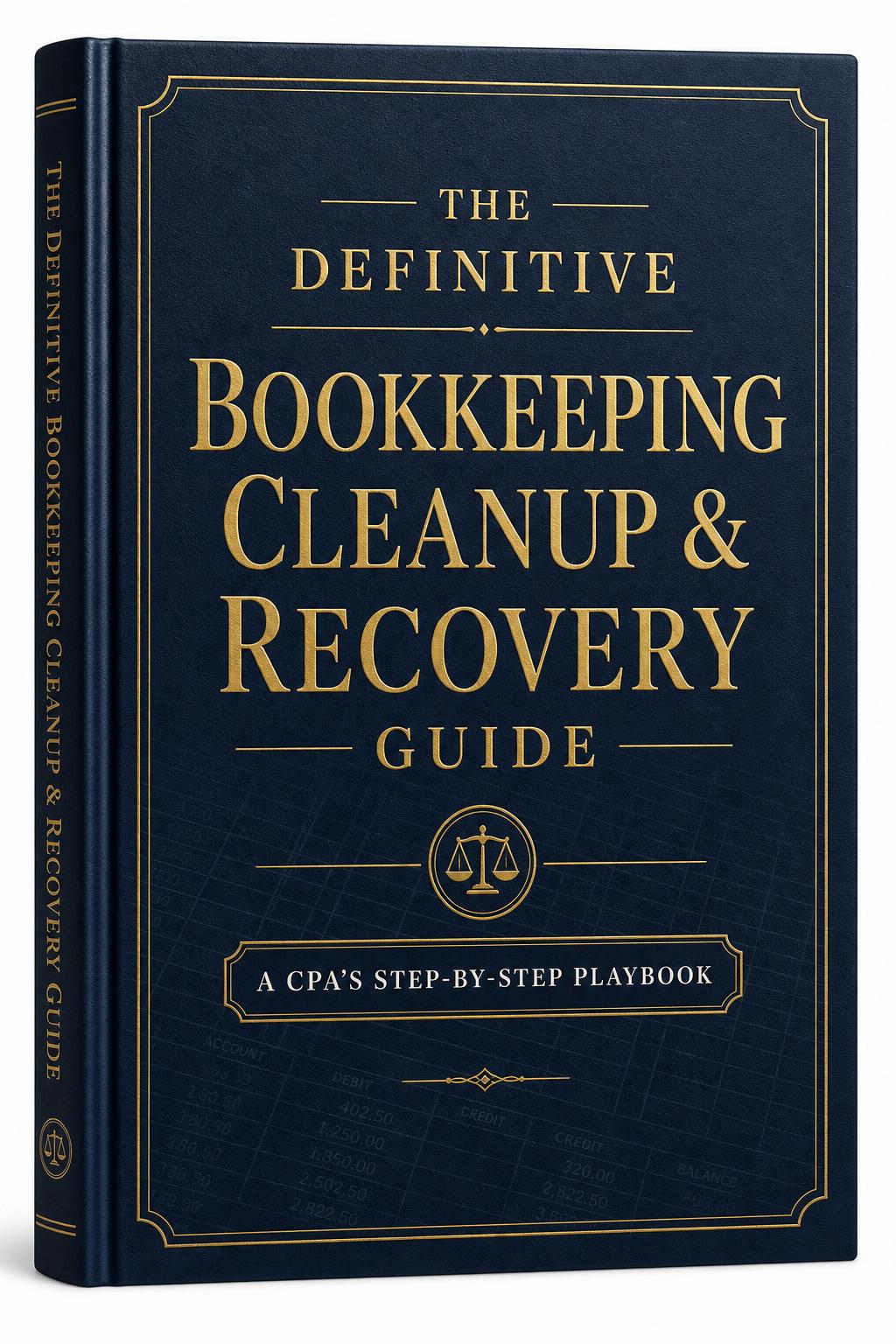
The Definitive Bookkeeping Cleanup & Recovery Guide
The CPA's step-by-step playbook for diagnosing messy books, reconstructing missing history, and restoring a clean, audit-ready ledger.
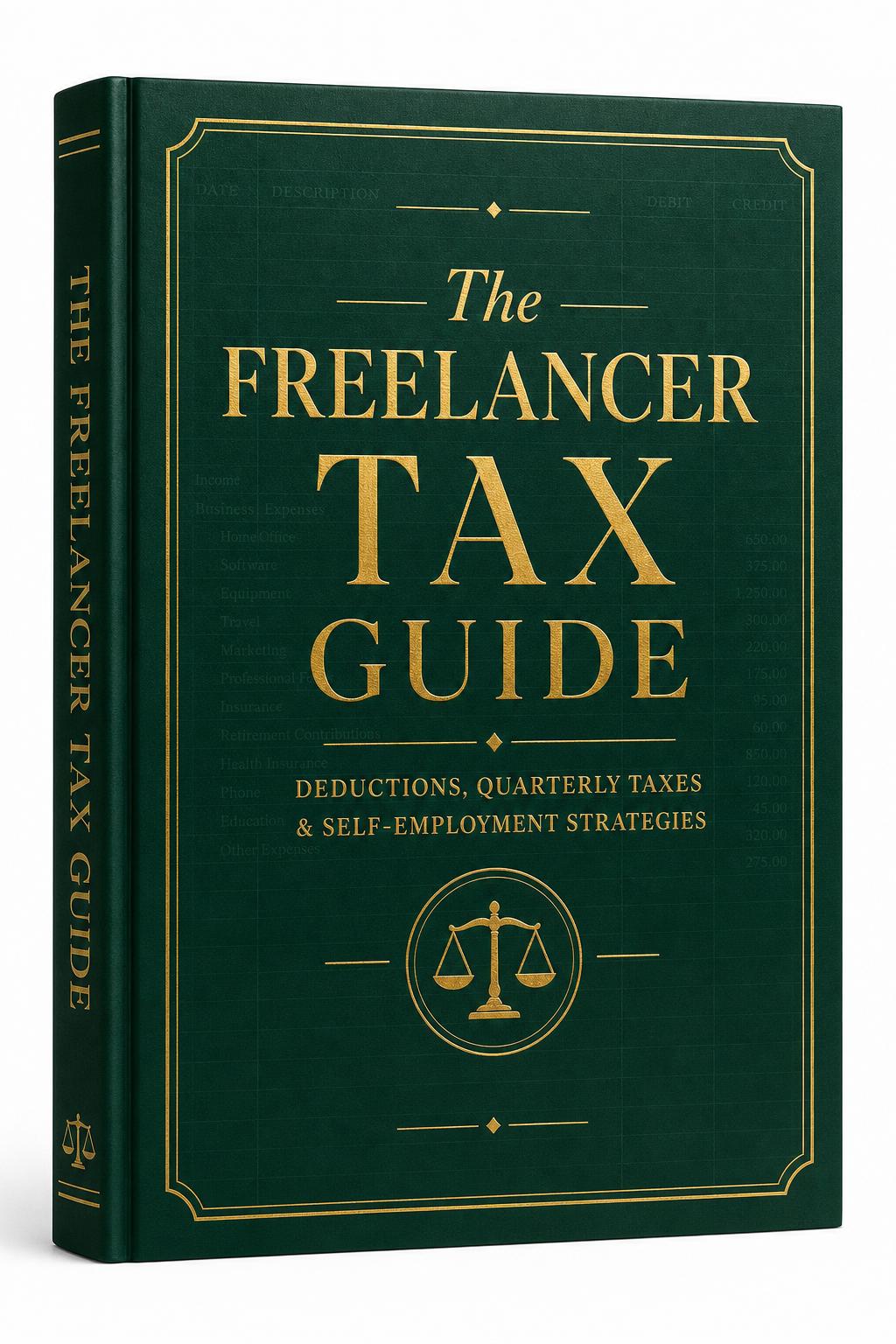
The Freelancer Tax Guide
The practical tax playbook for freelancers, contractors, and solo creatives — deductions, quarterly estimates, and self-employment strategies.

The Year-End Tax Planning Guide
The CPA's December playbook — practical strategies to reduce your tax bill before the year closes.
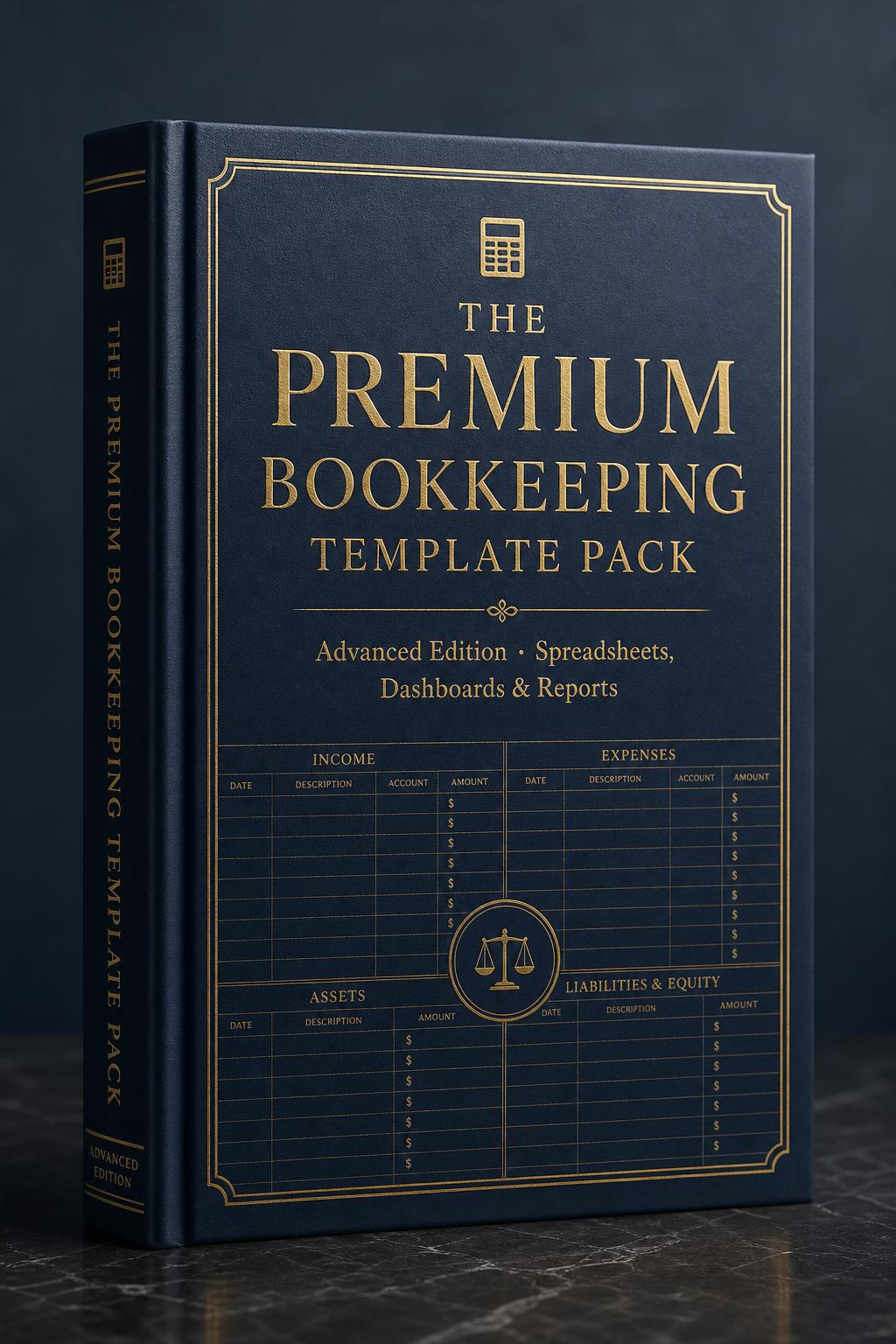
The Premium Bookkeeping Template Pack
Automated dashboards, multi-account reconciliations, and CPA-ready reporting workbooks for serious owners and bookkeepers.
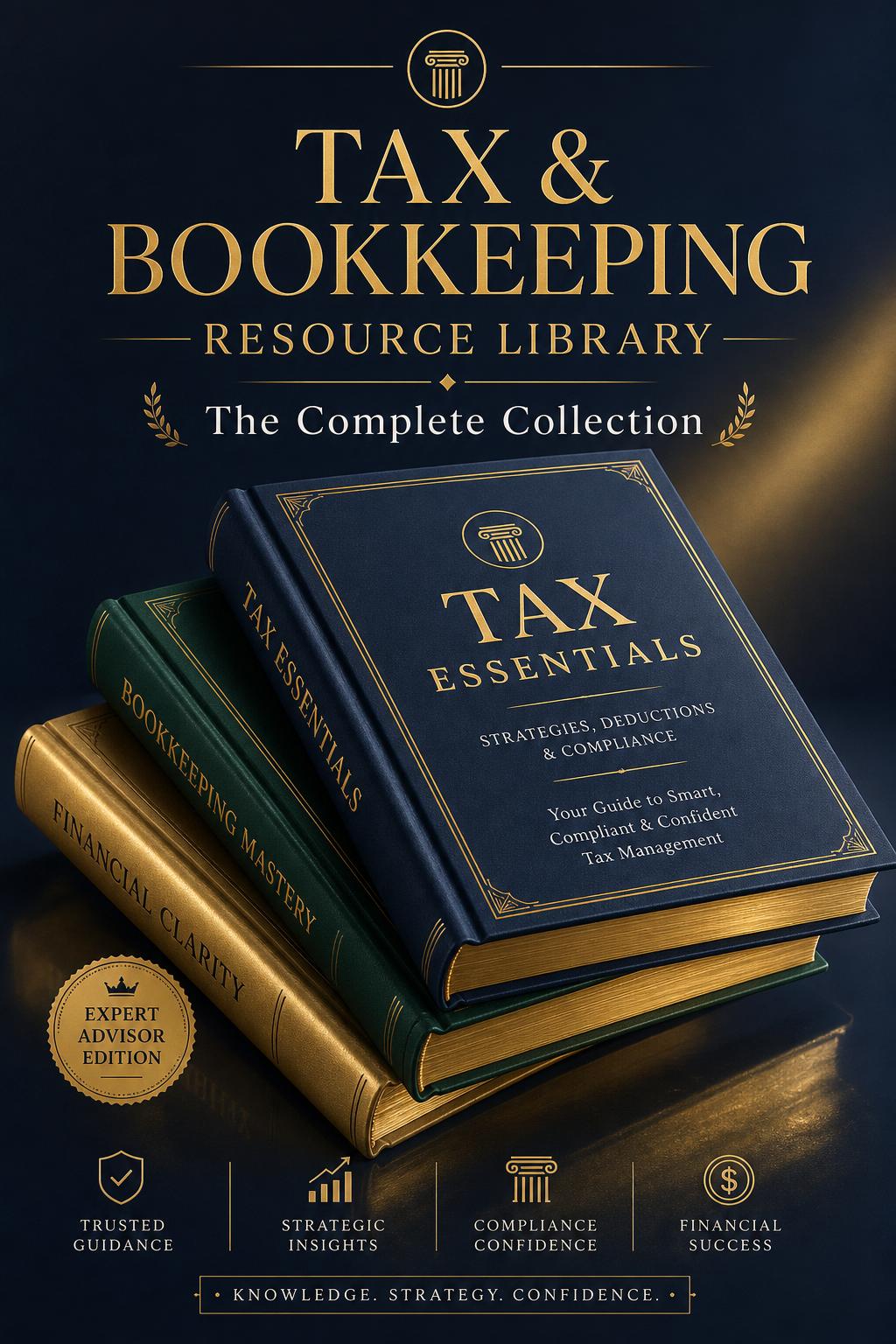
Tax & Bookkeeping Resource Library
Our complete advisor-grade collection — every premium asset an owner needs to run clean books, lower taxes, and recover messy ledgers, in one bundle.