Hospitality Accounting
CPA for the Hospitality Industry
Find CPAs and accounting firms that specialize in restaurants, hotels, bars, and other hospitality businesses — covering POS-driven bookkeeping, tip reporting, sales and occupancy tax, and F&B cost control.
What Does a Hospitality CPA Do?
A hospitality CPA delivers accounting, tax, and advisory services built around the way restaurants, hotels, and bars actually operate. That means daily sales journals from POS data, weekly prime cost reporting, tip and payroll compliance, sales and occupancy tax filings, and monthly P&Ls that managers can read.
Beyond the books, hospitality CPAs advise on menu pricing, labor models, lease decisions, new-location feasibility, and cash flow through seasonal swings. They translate operating data into financial insight owners can act on.
Accounting Challenges in the Hospitality Industry
Hospitality businesses run on thin margins, high transaction volume, and complex labor structures. A generalist accountant often misses industry-specific issues that quietly erode profit.
- High-volume daily transactions across POS, delivery apps, and gift cards
- Thin margins where a 1% cost swing changes profitability
- Tip reporting, tip credit, and service charge complexity
- Multi-jurisdiction sales, meals, and occupancy tax
- Heavy turnover and multi-state payroll obligations
- Seasonality, weather, and event-driven revenue volatility
- Franchise fees, royalties, and brand assessments
- Cash handling, theft, and shrinkage controls
Restaurant Accounting
Restaurant accounting is built around daily sales, prime cost, and tight labor management. A hospitality CPA closes the books weekly — not just monthly — so owners can react before small problems become big ones.
- Daily sales journal entries from POS data (Toast, Square, Clover, Aloha)
- Prime cost tracking — combined food, beverage, and labor as a % of sales
- Menu engineering and recipe-level margin analysis
- Tip pooling, tip credit, and FICA tip credit (Form 8846) compliance
- Multi-location consolidation and store-level P&L reporting
- 1099 reporting for delivery drivers and contract labor
Hotel Accounting
Hotel accounting follows the Uniform System of Accounts for the Lodging Industry (USALI) and revolves around RevPAR, ADR, and occupancy. Hospitality CPAs tie financial reporting to PMS data and produce departmental P&Ls that brand owners and lenders expect.
- Uniform System of Accounts for the Lodging Industry (USALI) chart of accounts
- RevPAR, ADR, and occupancy reporting tied to PMS data (Opera, Mews, Cloudbeds)
- Departmental P&Ls for rooms, F&B, spa, and ancillary revenue
- Occupancy and lodging tax filings across city, county, and state jurisdictions
- Franchise fee, brand assessment, and management fee reconciliation
- Fixed asset and FF&E reserve tracking for capital planning
Payroll and Tip Reporting
Payroll in hospitality is its own discipline. Between tipped wages, service charges, multi-state staff, and FICA tip credits, the rules change quickly. A hospitality CPA coordinates payroll, tip reporting, and tax credits so you stay compliant and capture every available dollar.
- Tip reporting on Form 8027 for large food and beverage establishments
- FICA tip credit calculation and Form 8846 filing for restaurant owners
- Tip pooling policies that comply with FLSA and state wage rules
- Service charge vs. tip classification for payroll and tax purposes
- Multi-state payroll for hotel and restaurant groups with locations across states
- Workers' comp class code review for kitchen, front-of-house, and housekeeping staff
Sales Tax and Occupancy Tax
Hospitality operators face overlapping tax rules — sales tax, meals tax, prepared food tax, beverage tax, and lodging or occupancy tax. A hospitality CPA registers each location properly, files on time, and handles audit defense when needed.
- State and local sales tax registration for each location
- Occupancy and lodging tax filing for hotels, motels, and short-term rentals
- Meals tax, prepared food tax, and beverage tax compliance
- Tax handling for catering, banquets, gift cards, and to-go orders
- Alcohol excise tax and TTB reporting where applicable
- Resale and exemption certificate management
Food and Beverage Cost Tracking
F&B cost is one of the largest controllable expenses in any hospitality business. Hospitality CPAs put a weekly cadence around inventory, COGS, and recipe-level margin so owners can see where dollars are leaking — and fix it fast.
- Weekly inventory counts and cost of goods sold (COGS) calculation
- Theoretical vs. actual food cost variance analysis
- Vendor invoice coding and price-change tracking
- Recipe and plate costing tied to menu pricing decisions
- Waste, comp, and void tracking with manager accountability
- Beverage program cost controls — pour cost, shrinkage, and inventory variance
Cash Flow Management
Hospitality cash flow is shaped by seasonality, deposit cycles, and large vendor payments. A hospitality CPA builds a rolling 13-week cash forecast so owners can plan payroll, vendor payments, and capital projects with confidence.
- 13-week cash flow forecasting for seasonal demand swings
- Daily deposit reconciliation and cash-handling controls
- Vendor payment scheduling aligned with revenue cycles
- Credit card settlement, chargeback, and merchant fee tracking
- Working capital and line-of-credit management
- Pre-opening, renovation, and expansion cash planning
POS and QuickBooks Integration
Modern hospitality accounting starts with clean POS-to-accounting integration. Hospitality CPAs configure daily sales journals, tip and tender breakouts, and inventory feeds so the books reflect operations without manual re-entry.
- Toast, Square for Restaurants, Clover, Aloha, and Lightspeed integrations
- Hotel PMS feeds from Opera, Mews, Cloudbeds, and StayNTouch
- QuickBooks Online and Sage Intacct setup tailored for hospitality
- Automated daily sales journal entries with discount, tax, and tip breakouts
- Inventory software integration (MarginEdge, Restaurant365, Compeat)
- Tip and payroll feeds from 7shifts, Homebase, Gusto, and ADP
How to Choose a Hospitality CPA
Use these criteria to compare hospitality CPAs and accounting firms across an apples-to-apples standard.
- Hospitality experience — do they work with restaurants, hotels, bars, or short-term rentals?
- Tip and payroll expertise — FICA tip credit, Form 8027, tip pooling, and service charges
- Sales and occupancy tax knowledge in your operating jurisdictions
- Software fit — POS, PMS, and accounting platforms they integrate with
- Reporting cadence — daily sales journals, weekly prime cost, monthly P&L by location
- Multi-unit or single-unit fit — do they handle franchise, group, or independent operators?
- Pricing model — flat monthly fee, per-location pricing, or hourly engagement
Related services
Find Your Hospitality CPA
Find CPAs and accounting firms that specialize in hospitality businesses.
Browse CPAZenith to compare accounting professionals who serve your industry, location, and business needs.
Frequently asked questions
What does a hospitality CPA do?
A hospitality CPA handles accounting, tax, and advisory work tailored to restaurants, hotels, bars, and other hospitality businesses. They manage POS-driven bookkeeping, tip reporting, sales and occupancy tax, food and beverage cost tracking, payroll, and multi-location financial reporting.
How much does a hospitality CPA cost?
Single-location restaurants typically pay $500–2,500 per month for bookkeeping and tax services. Multi-unit restaurant groups and hotels often range from $2,500–10,000+ per month depending on transaction volume, locations, and reporting needs.
What is prime cost and why does it matter for restaurants?
Prime cost is the sum of cost of goods sold (food and beverage) and total labor cost, expressed as a percentage of sales. Most healthy restaurants keep prime cost between 55–65% of sales. A hospitality CPA tracks prime cost weekly so owners can react quickly to cost spikes.
Do hotels need a different CPA than restaurants?
Many hospitality CPAs serve both, but the books look different. Hotels use the USALI chart of accounts with departmental P&Ls, RevPAR/ADR/occupancy KPIs, and occupancy-tax filings. Restaurants focus on prime cost, daily sales journals, and tip reporting. Look for a firm with experience in your specific segment.
How do hospitality CPAs handle tip reporting?
They file Form 8027 for large food and beverage establishments, calculate the FICA tip credit on Form 8846, and help set up compliant tip pooling, tip credit, and service charge policies that align with FLSA and state wage rules.
Can a hospitality CPA integrate my POS with QuickBooks?
Yes. Hospitality CPAs commonly integrate Toast, Square, Clover, Aloha, and Lightspeed with QuickBooks Online or Sage Intacct, posting daily sales journal entries that break out sales, discounts, taxes, tips, and tenders automatically.
Industry-specific accounting
Need an accountant who knows your industry?
Talk to a specialist who works with businesses like yours — from construction and real estate to healthcare, restaurants, and nonprofits.
Advisor-grade guides
Downloadable ebooks & templates
CPA-ready playbooks and templates you can use today — instant downloads, no signup required.
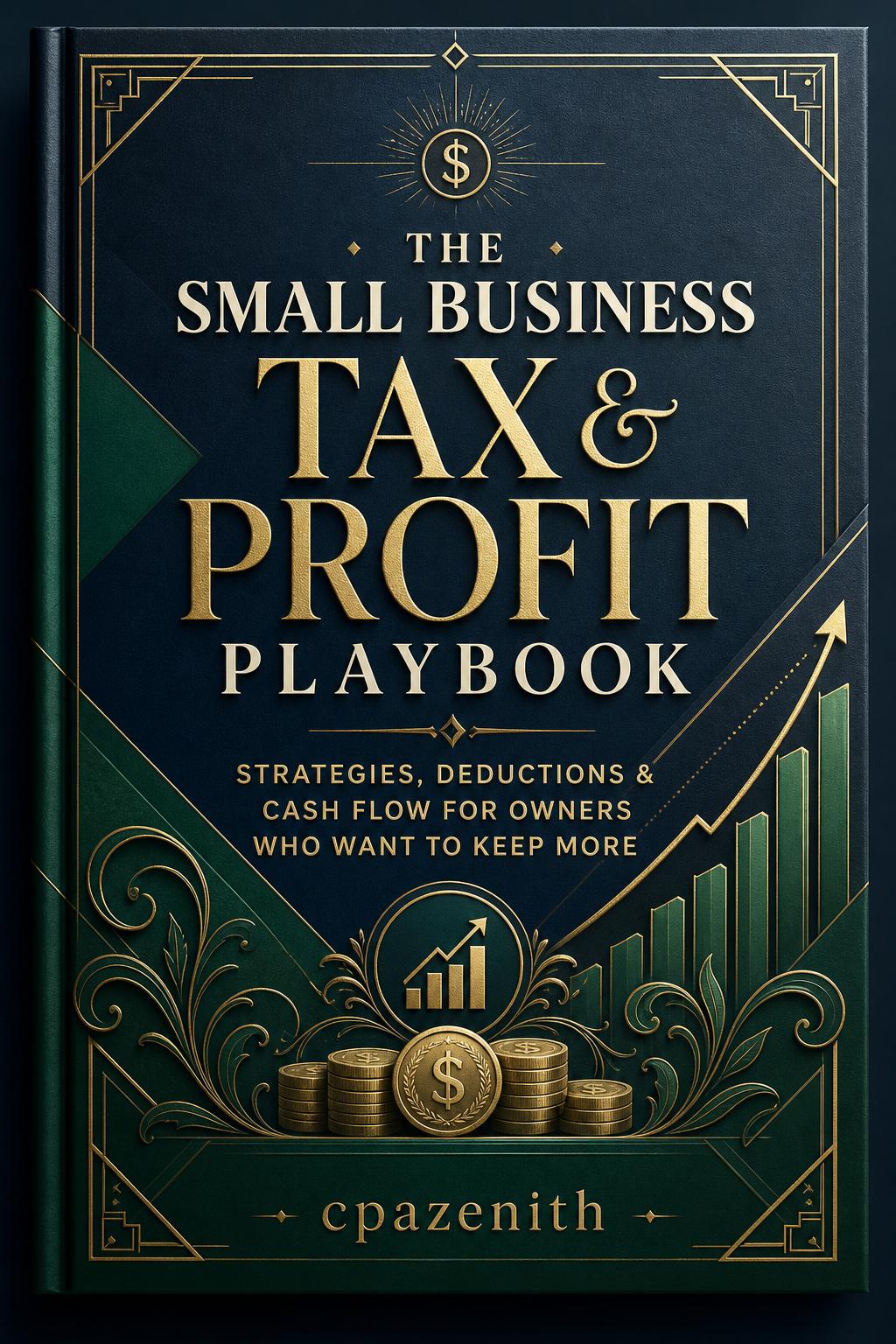
The Small Business Tax & Profit Playbook
A CPA-ready guide to deductions, quarterly taxes, S-Corp strategy, owner pay, cash flow, and year-round tax planning.
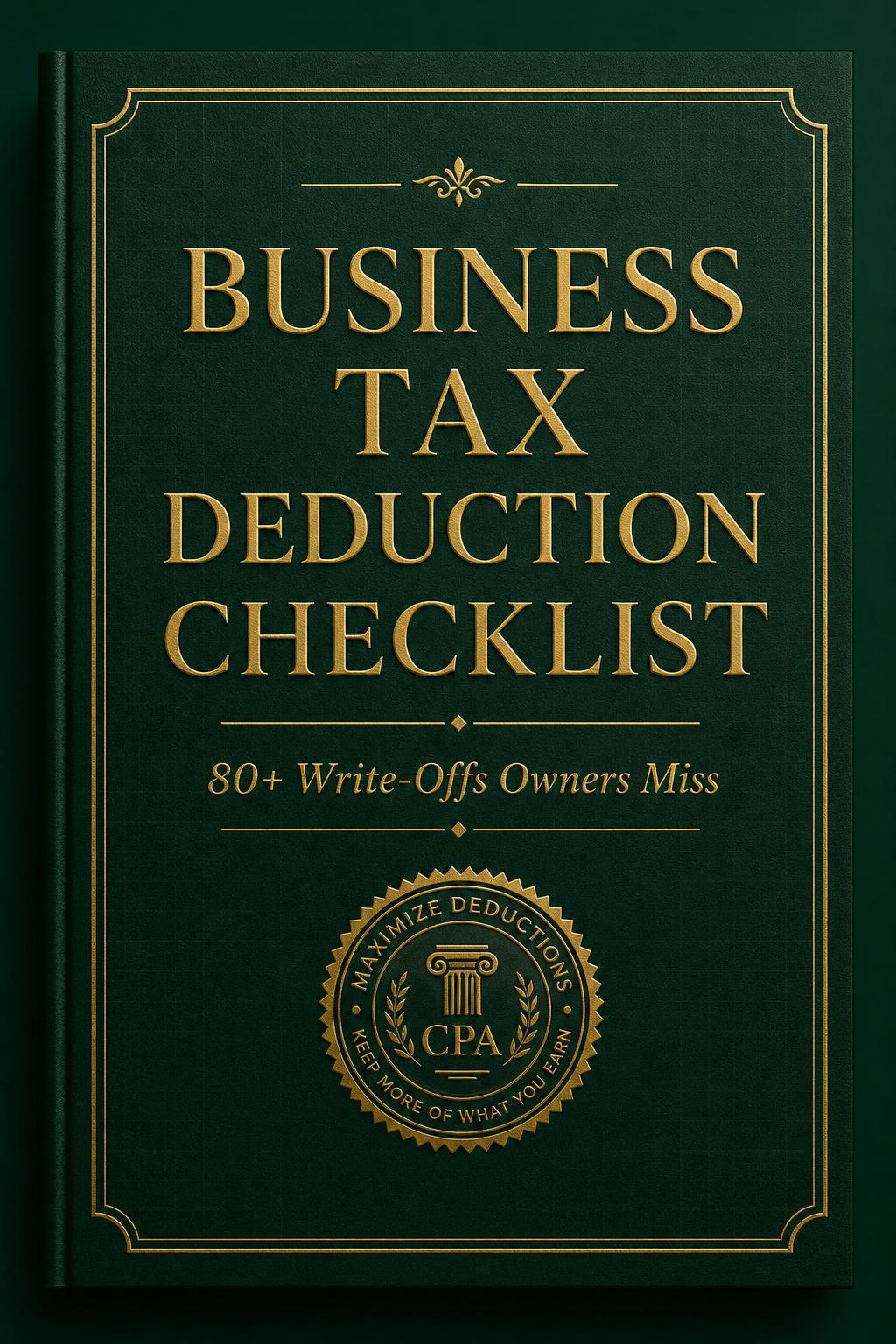
Business Tax Deduction Checklist
A CPA-curated checklist of 80+ business deductions most owners miss — organized by category so you can sweep it before filing.
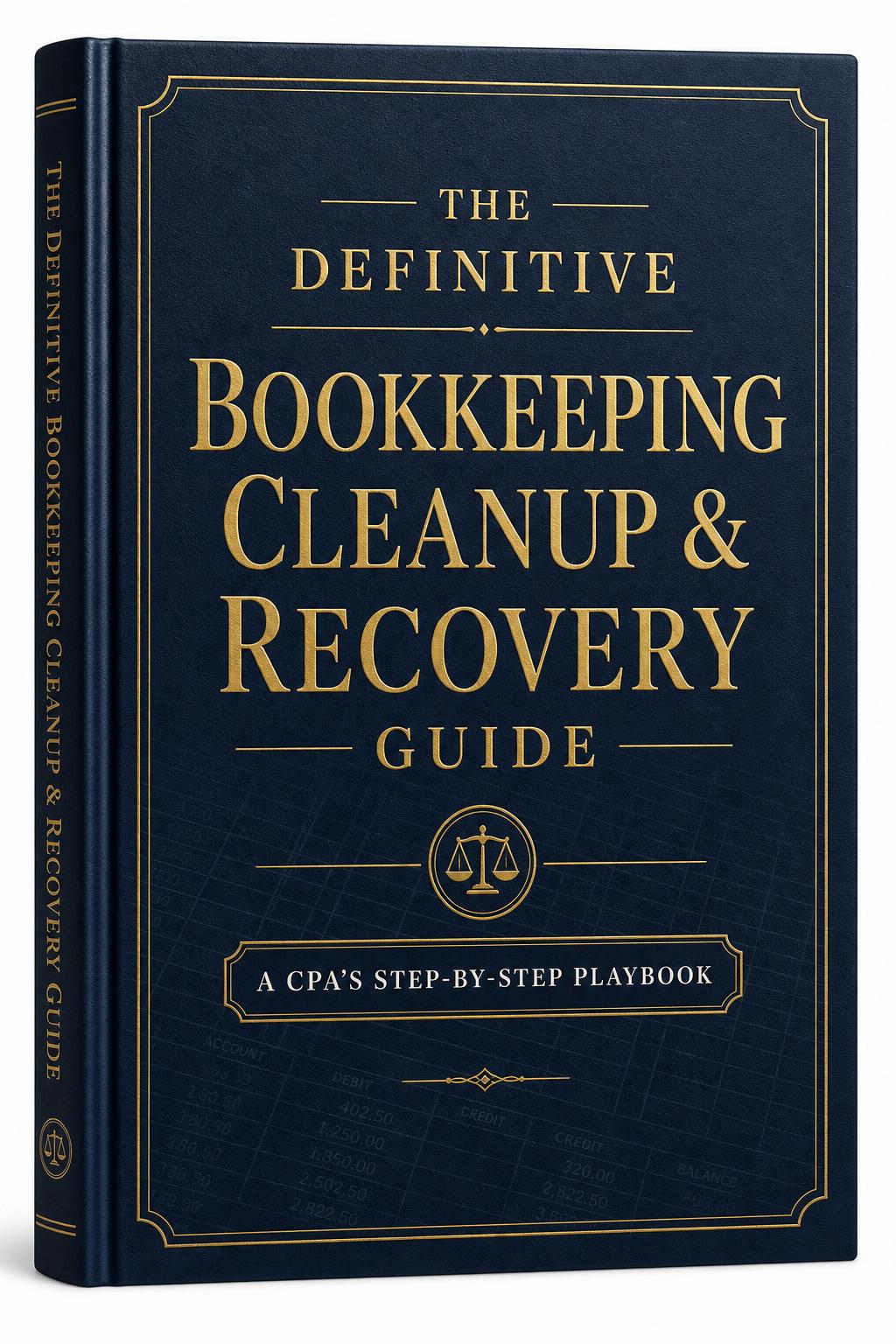
The Definitive Bookkeeping Cleanup & Recovery Guide
The CPA's step-by-step playbook for diagnosing messy books, reconstructing missing history, and restoring a clean, audit-ready ledger.
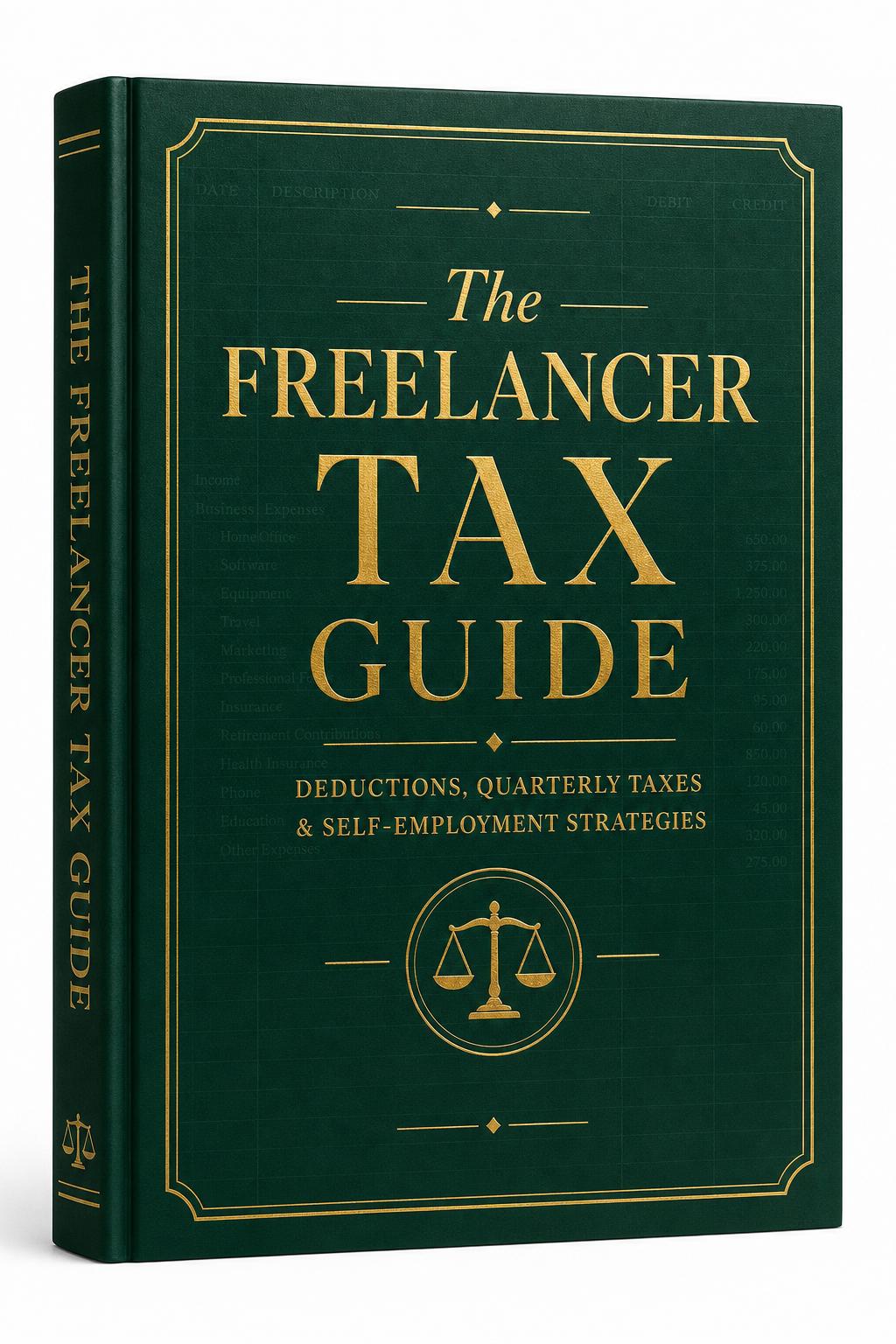
The Freelancer Tax Guide
The practical tax playbook for freelancers, contractors, and solo creatives — deductions, quarterly estimates, and self-employment strategies.

The Year-End Tax Planning Guide
The CPA's December playbook — practical strategies to reduce your tax bill before the year closes.
The Premium Bookkeeping Template Pack
Automated dashboards, multi-account reconciliations, and CPA-ready reporting workbooks for serious owners and bookkeepers.
Tax & Bookkeeping Resource Library
Our complete advisor-grade collection — every premium asset an owner needs to run clean books, lower taxes, and recover messy ledgers, in one bundle.