• CPA & bookkeeping support
  • QuickBooks setup and cleanup
  • Monthly reporting
  • Tax planning
  • CFO advisory
  • Virtual and local support

Serving

  • Small businesses
  • Nonprofits
  • Real estate investors
  • Restaurants
  • Contractors
  • Healthcare practices
  • Eco & green businesses

Real Estate · 5 min read

Rental Property Accounting Tips for Texas Landlords

Good rental property accounting helps Texas landlords track income, control expenses, prepare taxes, and understand whether each property is profitable. Whether you own one rental home or a growing portfolio, organized records are essential. Poor accounting can lead to missed deductions, tax filing problems, and confusion about cash flow.

Track Income by Property

Each rental property should have its own income and expense tracking. This helps you see which properties are profitable and which need attention.

Track:

  • Monthly rent
  • Late fees
  • Pet fees
  • Application fees
  • Laundry income
  • Parking fees
  • Other tenant charges

Separate Repairs from Improvements

Avoid mixing income from multiple properties without clear records.

One of the biggest accounting issues for landlords is distinguishing repairs from improvements.

Repairs usually maintain the property's condition. Improvements may add value, extend useful life, or adapt the property for a new use.

Examples of repairs may include fixing a leak or replacing a broken window. Improvements may include a major renovation, new roof, or room addition.

This distinction can affect tax treatment, so landlords should keep detailed records and consult a CPA.

Track Security Deposits Carefully

Security deposits should not be treated the same as rental income when received if they are refundable. Keep clear records of deposits received, deposits returned, and amounts retained for damages or unpaid rent.

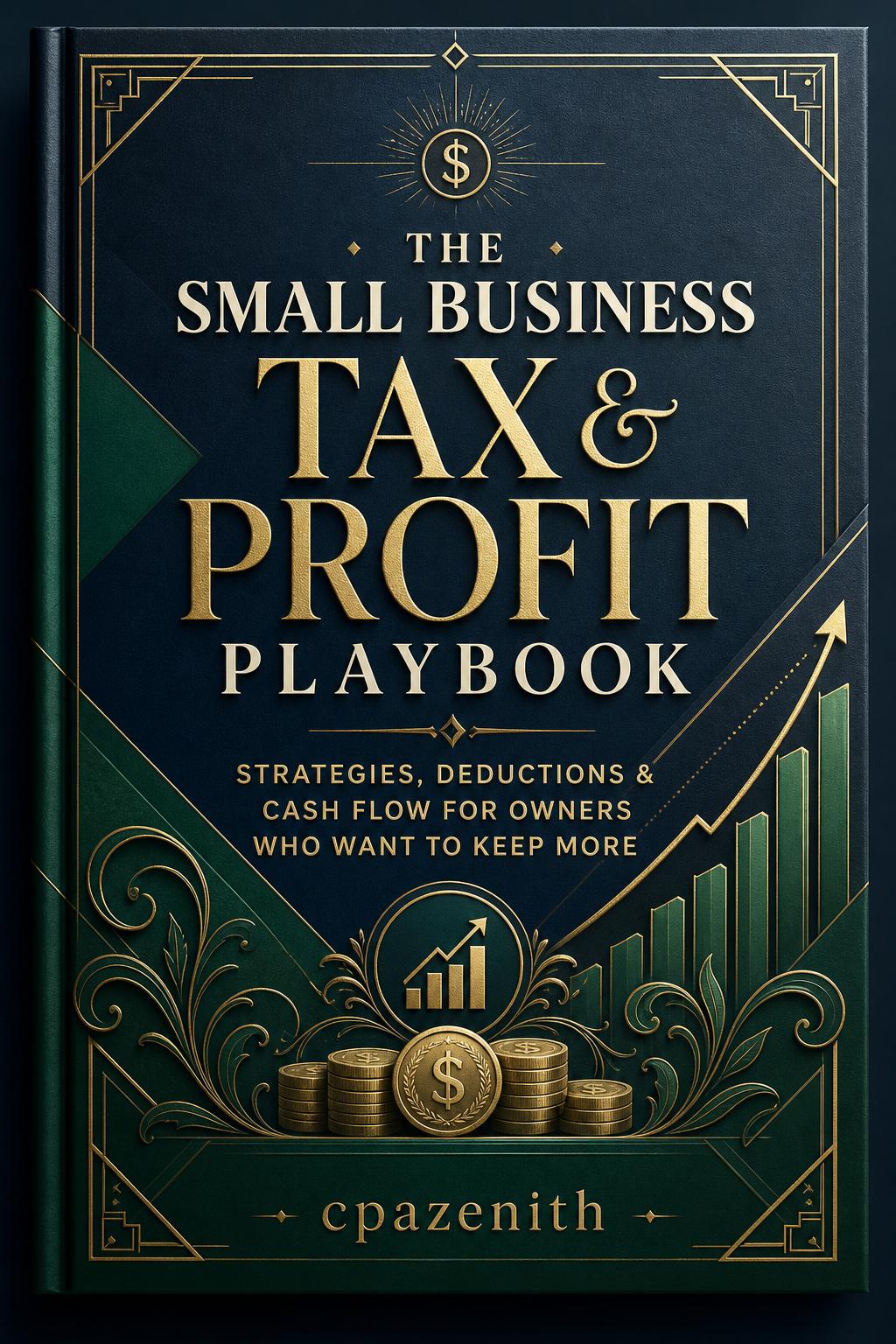
The CPA-Ready Business Finance Starter Kit cover

Free download

The CPA-Ready Business Finance Starter Kit

A practical, advisor-grade workbook for owners and founders — the foundations your CPA wishes every client showed up with. Books, taxes, cash flow, and entity decisions, in one place.

  • Monthly bookkeeping rhythm
  • Tax-ready document checklist
  • Entity & S-Corp decision guide
  • Cash flow & owner pay basics

No signup required. Informational only — consult your CPA for advice.

Ready for the next step?

See the full Lead-Magnet Funnel — from free checklist to advisor-grade systems.

Open the funnel

Keep Receipts and Invoices

Landlords should keep documentation for:

  • Repairs
  • Maintenance
  • Contractor payments
  • Property taxes
  • Insurance
  • Mortgage interest
  • Utilities
  • HOA fees
  • Legal fees
  • Management fees
  • Advertising
  • Cleaning
  • Travel related to property management

Use Accounting Software

Good documentation supports accurate tax reporting.

Accounting software can help landlords organize rent, expenses, reports, and property-level financials. Some landlords use QuickBooks, while others use property management software.

Find rental property accounting and bookkeeping providers for Texas landlords on CPAZenith.

Frequently asked

Should landlords keep separate bank accounts?

It is often helpful to use separate accounts for rental activity, especially with multiple properties.

Do landlords need bookkeeping every month?

Monthly bookkeeping helps prevent year-end confusion.

Can property management reports replace bookkeeping?

Sometimes they help, but they may still need CPA review.

Next step

Need a real human? Find a verified CPA in your city.