Real Estate · 9 min read

Real Estate Investor Bookkeeping Guide

Serious investors win at tax time because their books are organized by property, by entity, and by activity (rental vs. flip vs. wholesale). Here is the system.

Structure the chart of accounts by activity

  • Long-term rentals (Schedule E or 1065)
  • Short-term rentals — material participation matters
  • Flips (inventory, not capital assets)
  • Wholesaling and assignment fees

Track every property as a profit center

Use classes, locations, or sub-accounts so every property has its own P&L and fixed asset schedule. Lenders and your CPA will both ask for this.
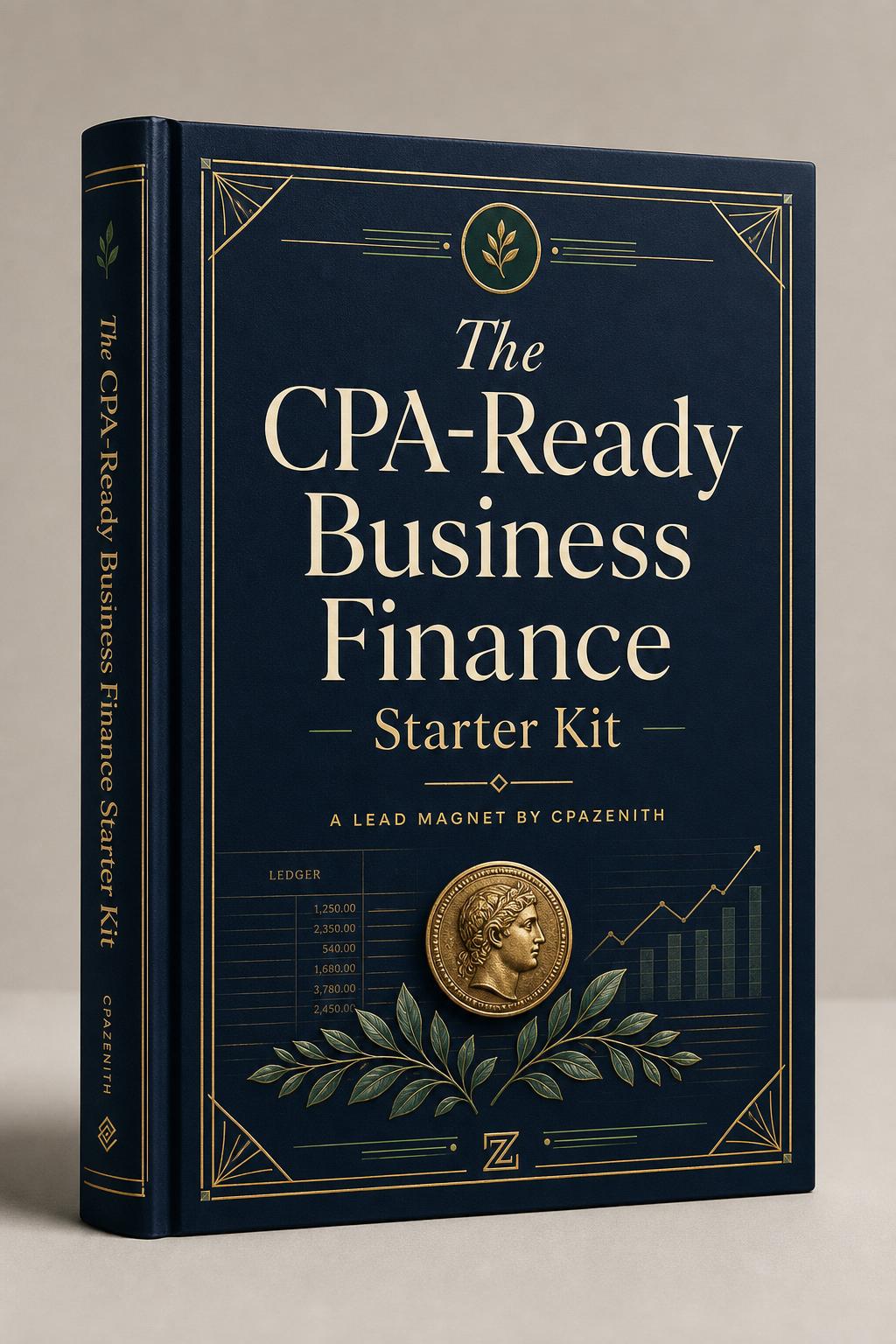
The CPA-Ready Business Finance Starter Kit cover

Free download

The CPA-Ready Business Finance Starter Kit

A practical, advisor-grade workbook for owners and founders — the foundations your CPA wishes every client showed up with. Books, taxes, cash flow, and entity decisions, in one place.

  • Monthly bookkeeping rhythm
  • Tax-ready document checklist
  • Entity & S-Corp decision guide
  • Cash flow & owner pay basics

No signup required. Informational only — consult your CPA for advice.

Ready for the next step?

See the full Lead-Magnet Funnel — from free checklist to advisor-grade systems.

Open the funnel

Tax strategies worth a conversation

  • Cost segregation studies on properties over ~$500K basis
  • Bonus depreciation on qualifying components
  • Real Estate Professional status for active investors
  • 1031 exchanges to defer gains on sale
  • Short-term rental loophole for material participants

Next step

Need a real human? Find a verified CPA in your city.