Real Estate · 7 min read

Real Estate Investment CPA in Los Angeles: Questions to Ask

Real estate investing can create wealth, but it also creates complex tax and accounting issues. Los Angeles investors may deal with rental income, depreciation, repairs, improvements, short-term rentals, partnerships, property sales, 1031 exchanges, financing, and multi-entity structures. A real estate investment CPA can help investors organize their records, plan taxes, and make better decisions.

Why real estate investors need a CPA

Real estate tax rules are different from ordinary business taxes. Investors need to understand rental income, deductible expenses, passive activity rules, depreciation, capital improvements, and gain or loss when selling property.

A CPA with real estate experience can help ensure that transactions are recorded correctly and tax planning opportunities are not missed.

1. Do you work with real estate investors?

Not every CPA understands real estate investing. Ask whether the CPA works with landlords, flippers, developers, syndicators, short-term rental operators, or commercial property owners.

The more closely their experience matches your strategy, the better.

2. Can you help with entity structure?

Real estate investors often use LLCs, partnerships, corporations, or holding companies. The right structure depends on liability concerns, financing, tax goals, ownership, and exit strategy.

Ask whether the CPA can coordinate with your attorney to evaluate your structure.

3. How do you handle depreciation?

Depreciation is one of the most important tax concepts in real estate. Ask how the CPA tracks depreciation, capital improvements, repairs, and asset basis.

If you own larger properties, ask whether they can discuss cost segregation with qualified professionals.

4. Do you understand repairs vs improvements?

Repairs may be treated differently from capital improvements. A CPA should help investors understand how to classify expenses properly.

For example, fixing a broken component may be different from upgrading or substantially improving a property.
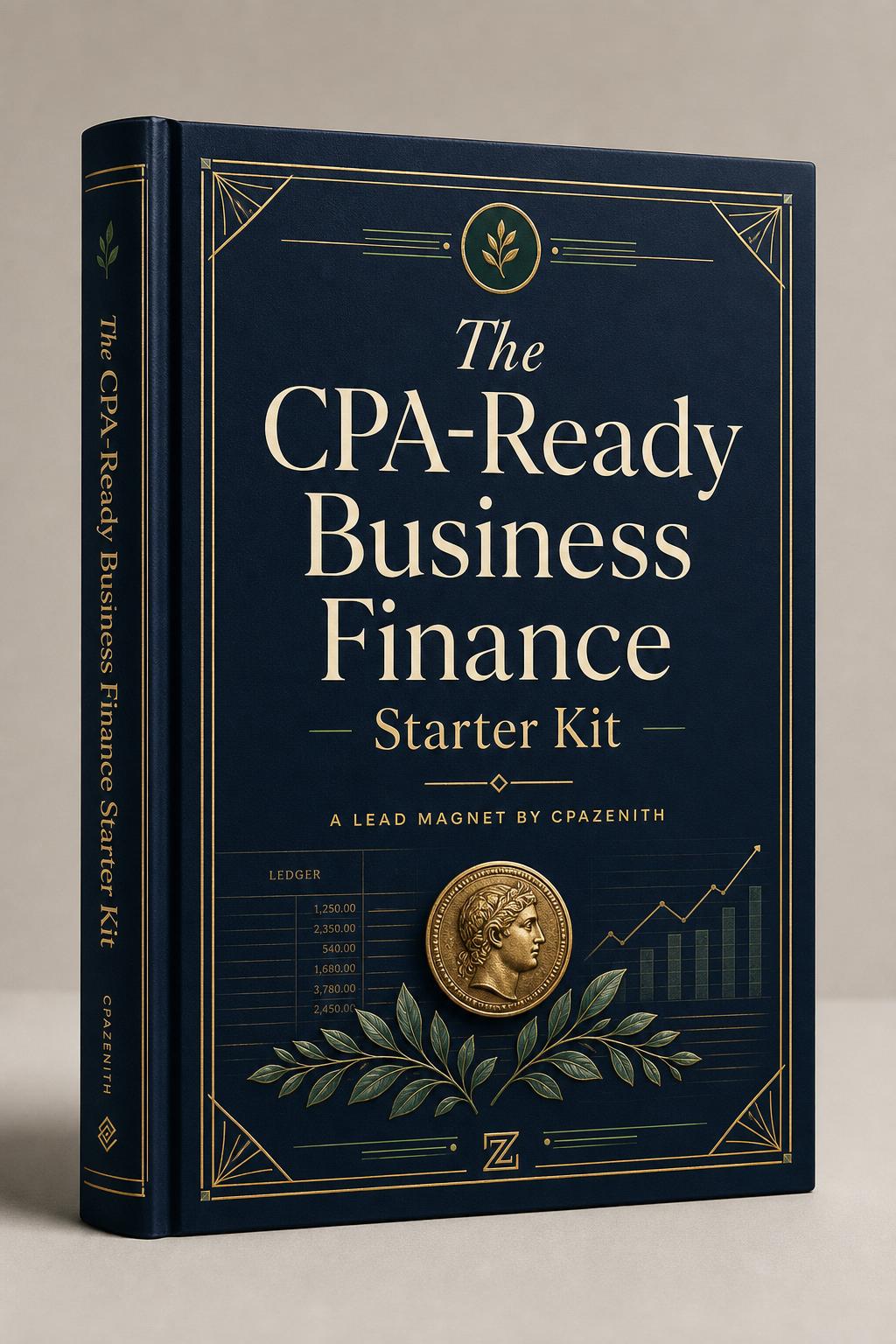
The CPA-Ready Business Finance Starter Kit cover

Free download

The CPA-Ready Business Finance Starter Kit

A practical, advisor-grade workbook for owners and founders — the foundations your CPA wishes every client showed up with. Books, taxes, cash flow, and entity decisions, in one place.

  • Monthly bookkeeping rhythm
  • Tax-ready document checklist
  • Entity & S-Corp decision guide
  • Cash flow & owner pay basics

No signup required. Informational only — consult your CPA for advice.

Ready for the next step?

See the full Lead-Magnet Funnel — from free checklist to advisor-grade systems.

Open the funnel

5. Can you help with rental property bookkeeping?

Clean bookkeeping is essential for real estate investors. Ask whether the CPA firm provides bookkeeping or works with a bookkeeper who understands rental property accounting.

You should be able to track income, mortgage interest, property taxes, repairs, insurance, utilities, management fees, and owner contributions.

6. Can you help with 1031 exchange planning?

If you plan to sell investment property and reinvest, ask whether the CPA has experience with 1031 exchange tax planning.

A CPA should not replace a qualified intermediary or attorney, but they can help you understand tax implications and timing.

7. Do you work with California and federal tax issues?

Los Angeles investors must consider both federal and California tax issues. Ask whether the CPA understands state-level reporting, local considerations, and multi-state ownership if applicable.

Final thoughts

A real estate investment CPA in Los Angeles should understand more than tax forms. They should understand your investment strategy, property records, entity structure, and long-term wealth goals.

Need CPA support for rental properties or real estate investments? CPAZenith helps investors organize their books, plan taxes, and prepare for growth.

Frequently asked

Do I need a real estate CPA or a general CPA?

If you own rental property, flip homes, or invest through partnerships and LLCs, a CPA with real estate experience will spot depreciation, passive activity, and 1031 planning opportunities a general CPA may miss.

Can a CPA handle my 1031 exchange?

A CPA helps with tax planning and timing for a 1031 exchange but does not replace a qualified intermediary or attorney, who must facilitate the actual exchange.

Next step

Need a real human? Find a verified CPA in your city.