• CPA & bookkeeping support
  • QuickBooks setup and cleanup
  • Monthly reporting
  • Tax planning
  • CFO advisory
  • Virtual and local support

Serving

  • Small businesses
  • Nonprofits
  • Real estate investors
  • Restaurants
  • Contractors
  • Healthcare practices
  • Eco & green businesses

Real Estate · 5 min read

CPA for Real Estate Investors in Texas: Services, Costs, and Benefits

A CPA for real estate investors in Texas can help landlords, flippers, developers, and property owners manage tax planning, reporting, deductions, and financial records. Real estate investing creates tax opportunities, but it also creates accounting complexity. Working with a CPA who understands real estate can help investors avoid mistakes and make better financial decisions.

Services a Real Estate CPA May Provide

A real estate CPA may help with:

  • Rental property tax preparation
  • Schedule E reporting
  • Partnership returns
  • LLC tax filings
  • Depreciation tracking
  • Repair vs improvement classification
  • Entity structure planning
  • 1031 exchange coordination
  • Capital gains planning
  • Short-term rental tax issues
  • Real estate professional status discussions
  • Estimated tax planning
  • Bookkeeping review

Benefits of Hiring a Real Estate CPA

Some CPAs also offer advisory services for portfolio growth, financing decisions, and cash flow.

A real estate CPA can help investors:

  • Maximize allowable deductions
  • Organize property-level records
  • Avoid tax filing mistakes
  • Plan for capital gains
  • Track depreciation
  • Prepare for lender reporting
  • Understand cash flow
  • Improve financial strategy

What Does a Real Estate CPA Cost?

Real estate investors often have more complex tax situations than standard W-2 employees or simple businesses.

Costs vary based on:

  • Number of properties
  • Number of entities
  • Quality of bookkeeping
  • Rental vs flip activity
  • Partnership complexity
  • Advisory needs
  • Tax planning frequency
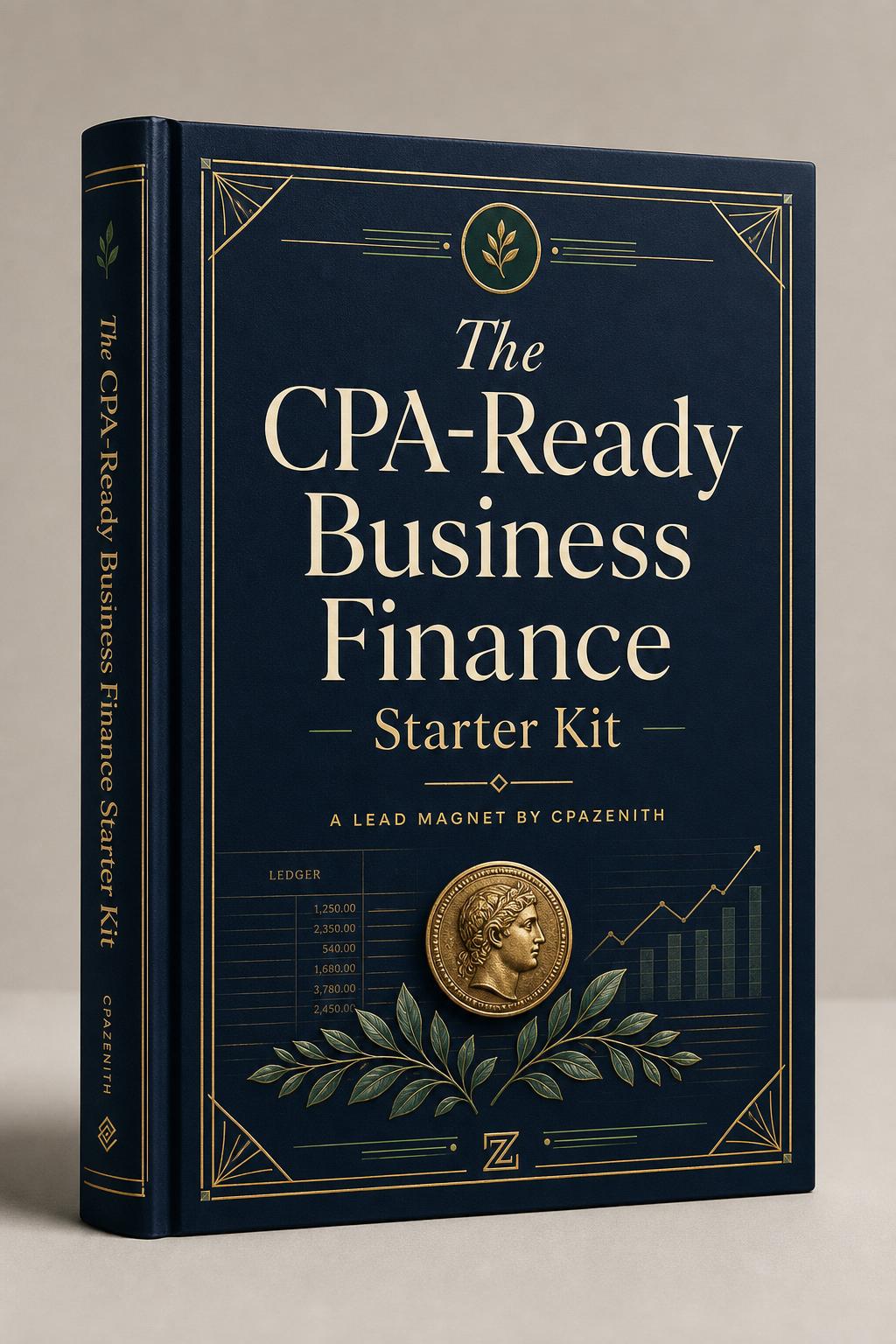
The CPA-Ready Business Finance Starter Kit cover

Free download

The CPA-Ready Business Finance Starter Kit

A practical, advisor-grade workbook for owners and founders — the foundations your CPA wishes every client showed up with. Books, taxes, cash flow, and entity decisions, in one place.

  • Monthly bookkeeping rhythm
  • Tax-ready document checklist
  • Entity & S-Corp decision guide
  • Cash flow & owner pay basics

No signup required. Informational only — consult your CPA for advice.

Ready for the next step?

See the full Lead-Magnet Funnel — from free checklist to advisor-grade systems.

Open the funnel

When Should You Hire a CPA?

A single rental property may require less support than a multi-property portfolio with multiple LLCs and partners.

You should consider hiring a real estate CPA when you:

  • Buy your first rental property
  • Form an LLC
  • Start flipping houses
  • Add partners
  • Own multiple properties
  • Sell a property
  • Receive an IRS notice
  • Need depreciation guidance
  • Want tax planning before year-end

Find a CPA

Compare CPAs for real estate investors in Texas on CPAZenith.

Frequently asked

Can a CPA help with depreciation?

Yes, a CPA can help track depreciation and prepare tax reporting.

Do real estate investors need an LLC?

That depends on legal, tax, and liability factors. A CPA and attorney can help you evaluate options.

Is a real estate CPA worth it?

For many investors, yes, especially when properties, entities, or tax issues become more complex.

Next step

Need a real human? Find a verified CPA in your city.