Restaurants
Restaurant Bookkeeping Checklist
Restaurant bookkeeping runs on a daily and weekly rhythm, not just monthly. This checklist outlines the cadence a manager, bookkeeper, or restaurant CPA follows to keep books accurate and prime cost visible.
Daily / weekly / monthly tasks
- Daily: Z-out POS report reviewed and tied to deposit
- Daily: Cash counted, deposit logged, variances flagged
- Daily: Invoices entered and coded to food, bev, or supplies
- Weekly: Inventory counted; food and bev cost calculated
- Weekly: Labor posted; labor cost percentage computed
- Weekly: Prime cost report reviewed with management
- Monthly: Bank, credit card, and merchant accounts reconciled
- Monthly: P&L and balance sheet reviewed; sales tax filed
Who uses this checklist
- Restaurant owners and general managers
- In-house bookkeepers and controllers
- Multi-unit operators standardizing across locations
- Outsourced restaurant accounting firms
- Franchisees following brand reporting standards
- CPAs onboarding a new restaurant client
When to hire help
- Prime cost is unknown or above 65 percent
- Sales tax or tip filings are late or inaccurate
- Inventory counts are skipped or unreliable
- P&L is more than 15 days late each month
- Cash variances appear repeatedly
- Owner is doing books instead of running the restaurant
Frequently Asked Questions
How often should a restaurant close its books?
Weekly for operational reporting (prime cost, labor) and monthly for the formal close with bank reconciliations, sales tax filings, and management financials.
What accounting software fits restaurants?
QuickBooks Online with a POS integration (Toast, Square, Clover) covers most independents. Restaurant365 and similar all-in-one platforms suit multi-unit operators.
Should servers do any bookkeeping?
Servers should never touch accounting records. They should accurately ring sales and tips into the POS; bookkeeping flows from the POS reports.
Do you need a CPA or just a bookkeeper?
A trained restaurant bookkeeper handles the daily and weekly checklist. A CPA reviews monthly, files taxes, and advises on entity structure and owner compensation.
Related services
Get matched
Need accounting, QuickBooks, tax planning or fractional CFO support? Compare CPA and advisory options for your business, nonprofit or organization.
Advisor-grade guides
Downloadable ebooks & templates
CPA-ready playbooks and templates you can use today — instant downloads, no signup required.
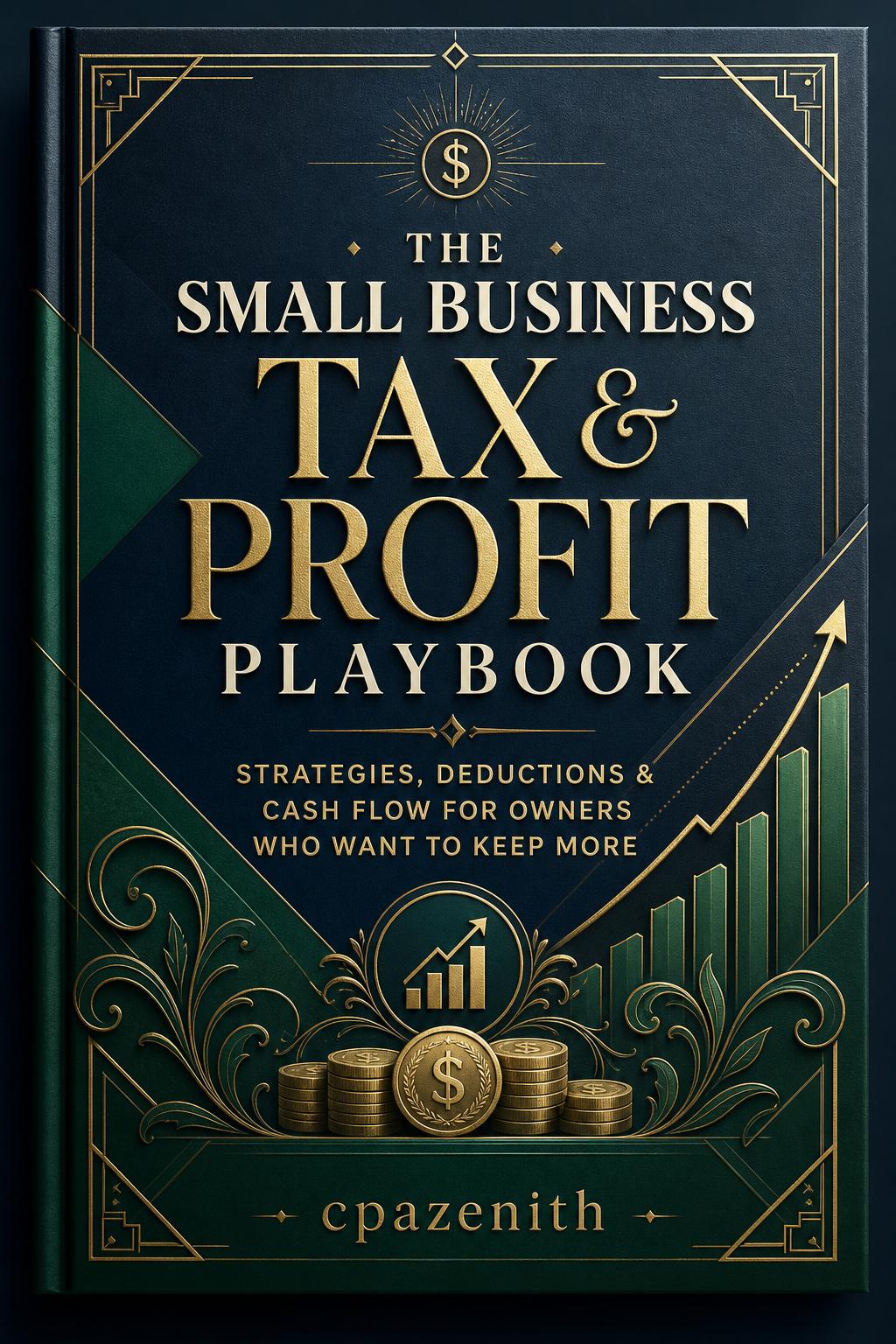
The Small Business Tax & Profit Playbook
A CPA-ready guide to deductions, quarterly taxes, S-Corp strategy, owner pay, cash flow, and year-round tax planning.
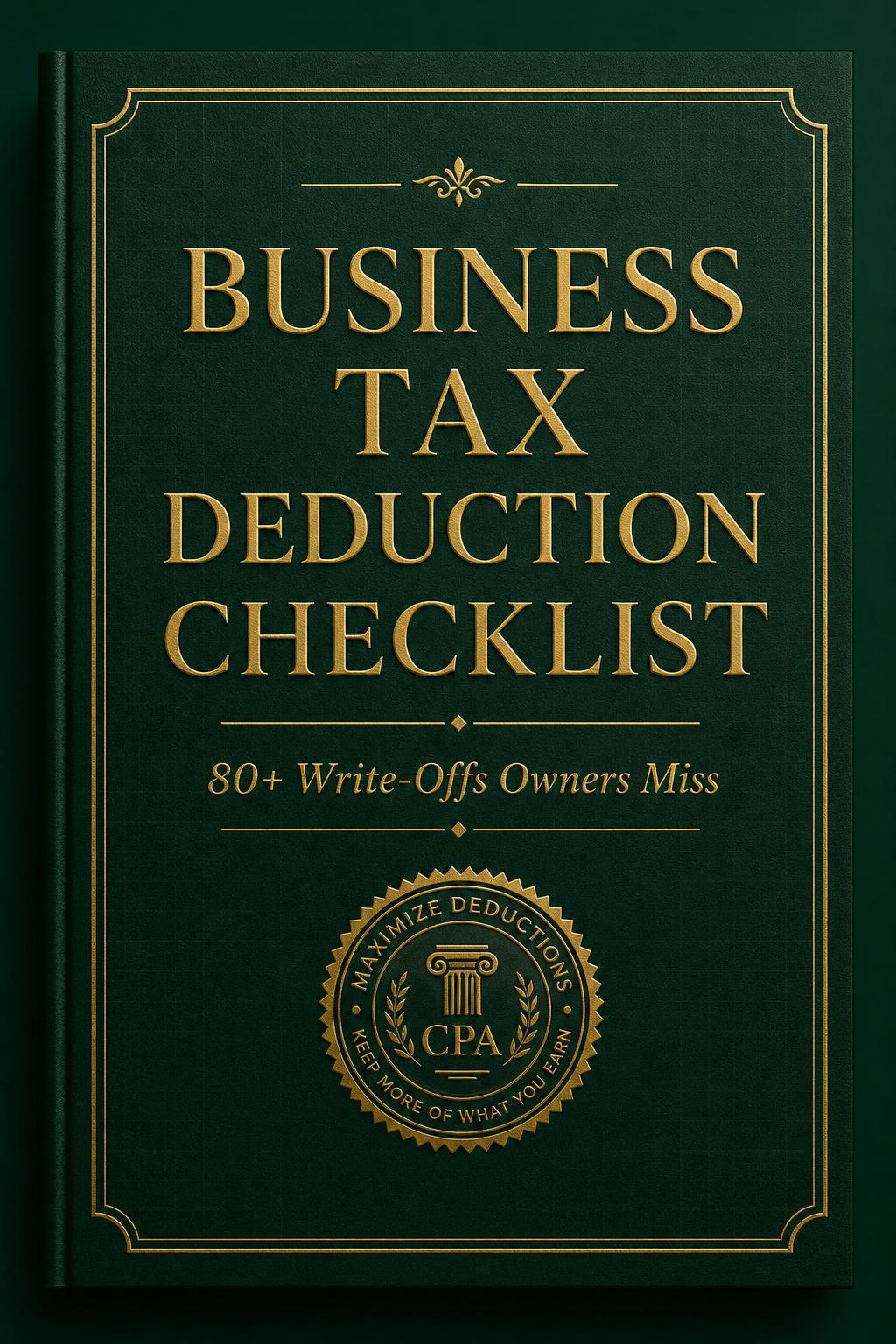
Business Tax Deduction Checklist
A CPA-curated checklist of 80+ business deductions most owners miss — organized by category so you can sweep it before filing.
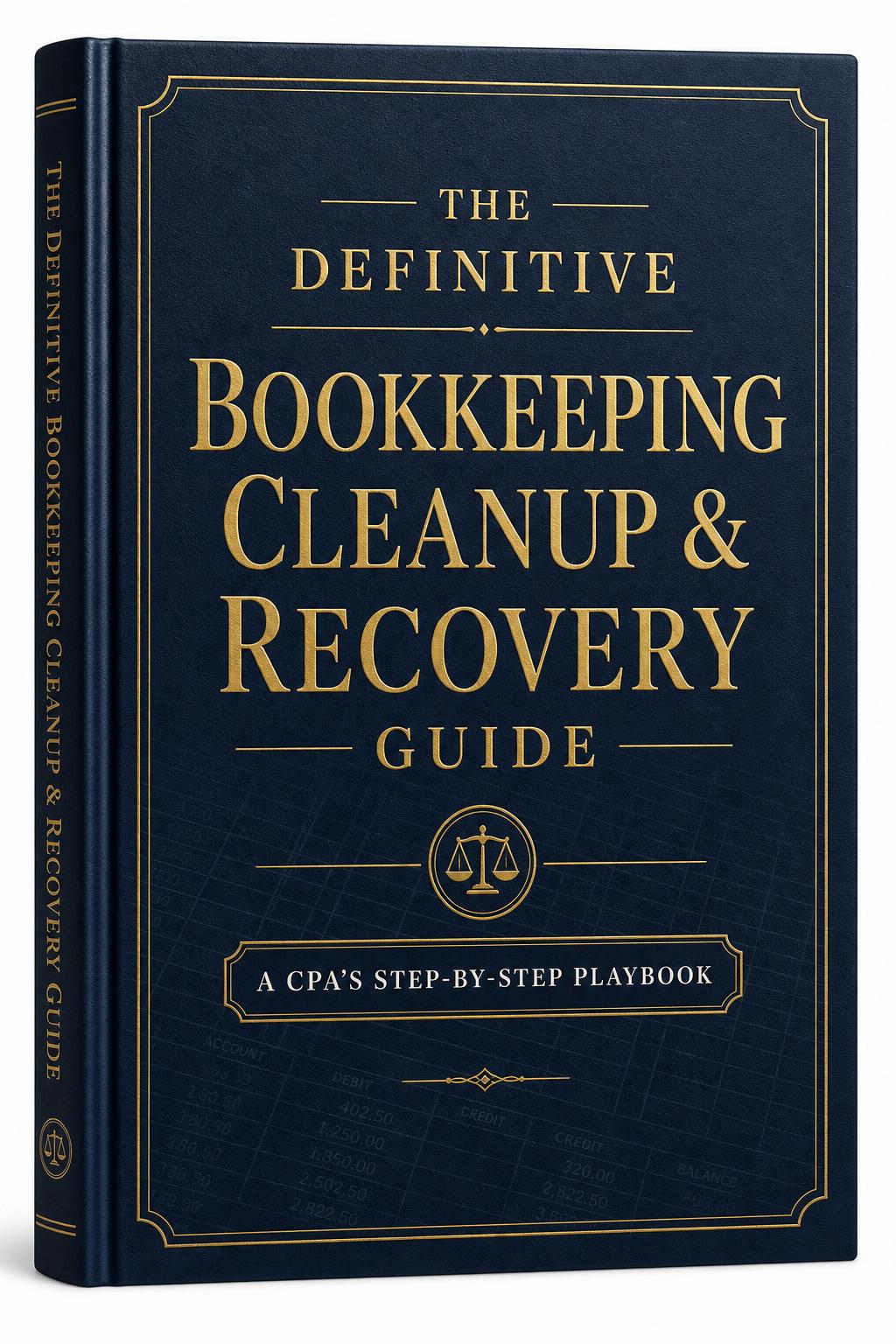
The Definitive Bookkeeping Cleanup & Recovery Guide
The CPA's step-by-step playbook for diagnosing messy books, reconstructing missing history, and restoring a clean, audit-ready ledger.
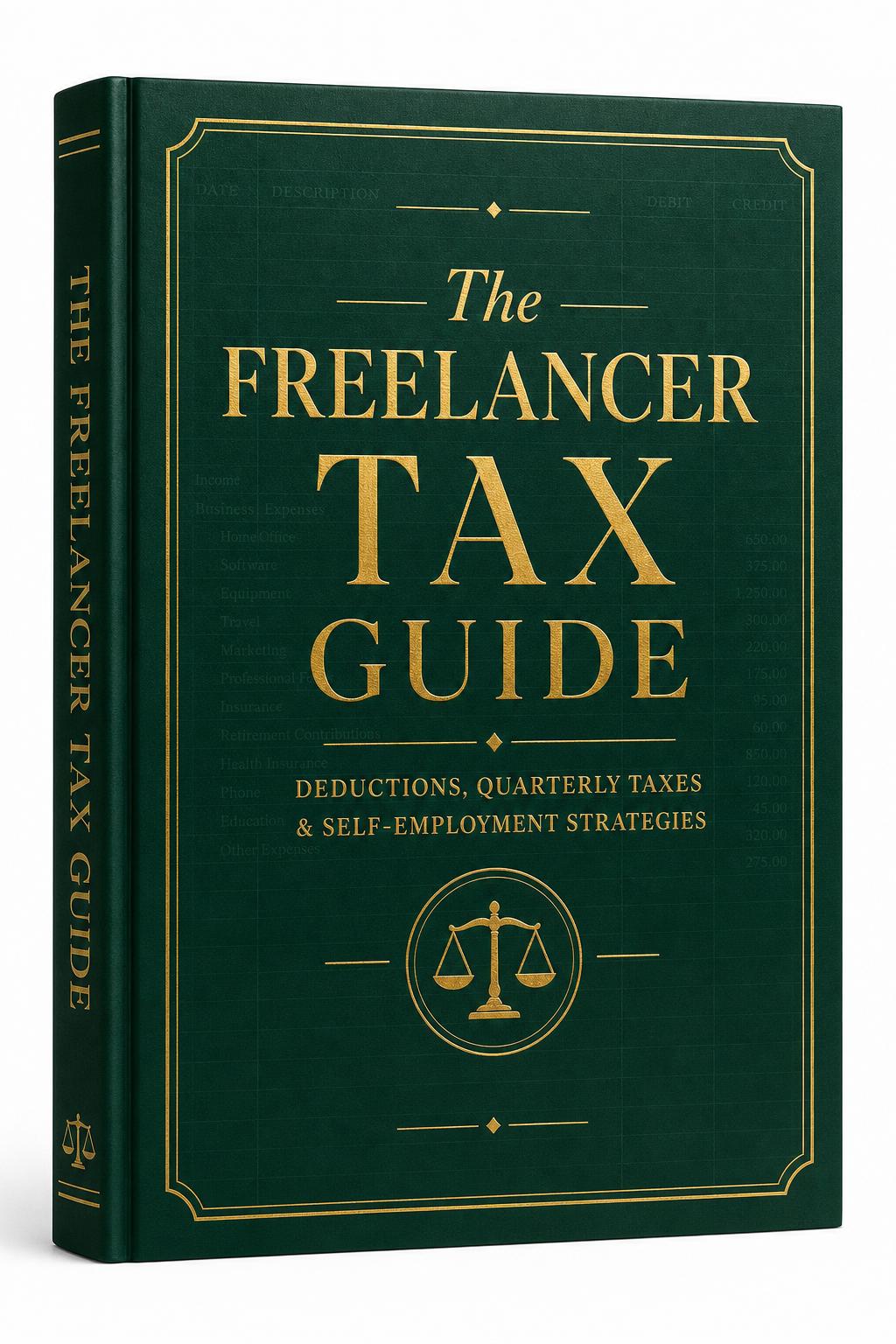
The Freelancer Tax Guide
The practical tax playbook for freelancers, contractors, and solo creatives — deductions, quarterly estimates, and self-employment strategies.
The Year-End Tax Planning Guide
The CPA's December playbook — practical strategies to reduce your tax bill before the year closes.
The Premium Bookkeeping Template Pack
Automated dashboards, multi-account reconciliations, and CPA-ready reporting workbooks for serious owners and bookkeepers.
Tax & Bookkeeping Resource Library
Our complete advisor-grade collection — every premium asset an owner needs to run clean books, lower taxes, and recover messy ledgers, in one bundle.