Restaurants
Accounting for Restaurants
Restaurant accounting is different from generic small business bookkeeping. A restaurant CPA tracks daily sales from your POS, splits food and labor costs into prime cost, files sales and tip taxes, and delivers weekly profit reports the owner can actually use.
Services
- Daily POS sales reconciliation
- Food, beverage, and labor cost tracking (prime cost)
- Tip pooling, tip credit, and payroll posting
- Sales and use tax filings
- Vendor bill pay and inventory accounting
- Weekly P&L by location or concept
- Cash management and theft controls
- Tax planning for owners and partners
Who needs restaurant accounting
- Independent restaurants and bars
- Multi-unit operators and franchisees
- Fast casual and quick service brands
- Food trucks and ghost kitchens
- Breweries, wineries, and distilleries
- Catering companies and event venues
How to choose
- Experience with restaurant POS systems (Toast, Square, Clover)
- Comfort with prime cost reporting
- Familiar with tip credit and FICA tip credit rules
- Weekly close cadence, not monthly
- Industry benchmarks for food and labor cost
- Flat-fee monthly pricing tied to revenue or locations
Frequently Asked Questions
How much does restaurant accounting cost?
Most independent restaurants pay $750 to $2,500 per month. Multi-unit operators commonly pay $500 to $1,200 per location per month based on POS integrations, payroll, and reporting cadence.
What is prime cost?
Prime cost is the sum of cost of goods sold (food and beverage) plus total labor. Healthy independent restaurants aim for prime cost under 60 to 65 percent of sales.
Do you handle tip reporting?
Yes. Restaurant CPAs post tip pooling correctly, apply tip credit where allowed, file Form 8027 if required, and claim the FICA tip credit on the business return.
Cash or accrual?
Most multi-unit and growing restaurants benefit from accrual accounting so food and labor expense match the week they were incurred. Smaller operators may stay on cash for tax purposes while reporting weekly on accrual.
Related services
Get matched
Need accounting, QuickBooks, tax planning or fractional CFO support? Compare CPA and advisory options for your business, nonprofit or organization.
Advisor-grade guides
Downloadable ebooks & templates
CPA-ready playbooks and templates you can use today — instant downloads, no signup required.
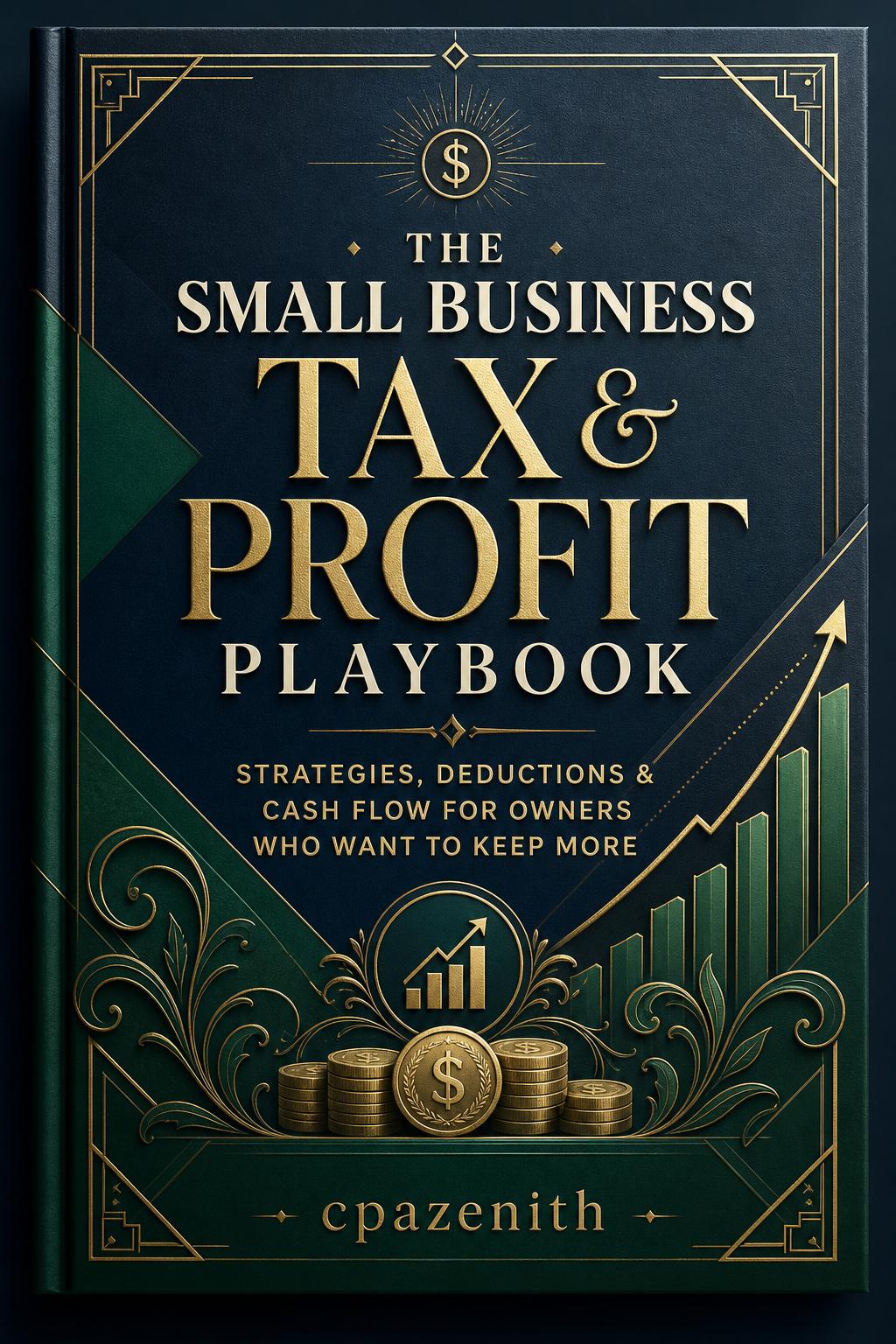
The Small Business Tax & Profit Playbook
A CPA-ready guide to deductions, quarterly taxes, S-Corp strategy, owner pay, cash flow, and year-round tax planning.
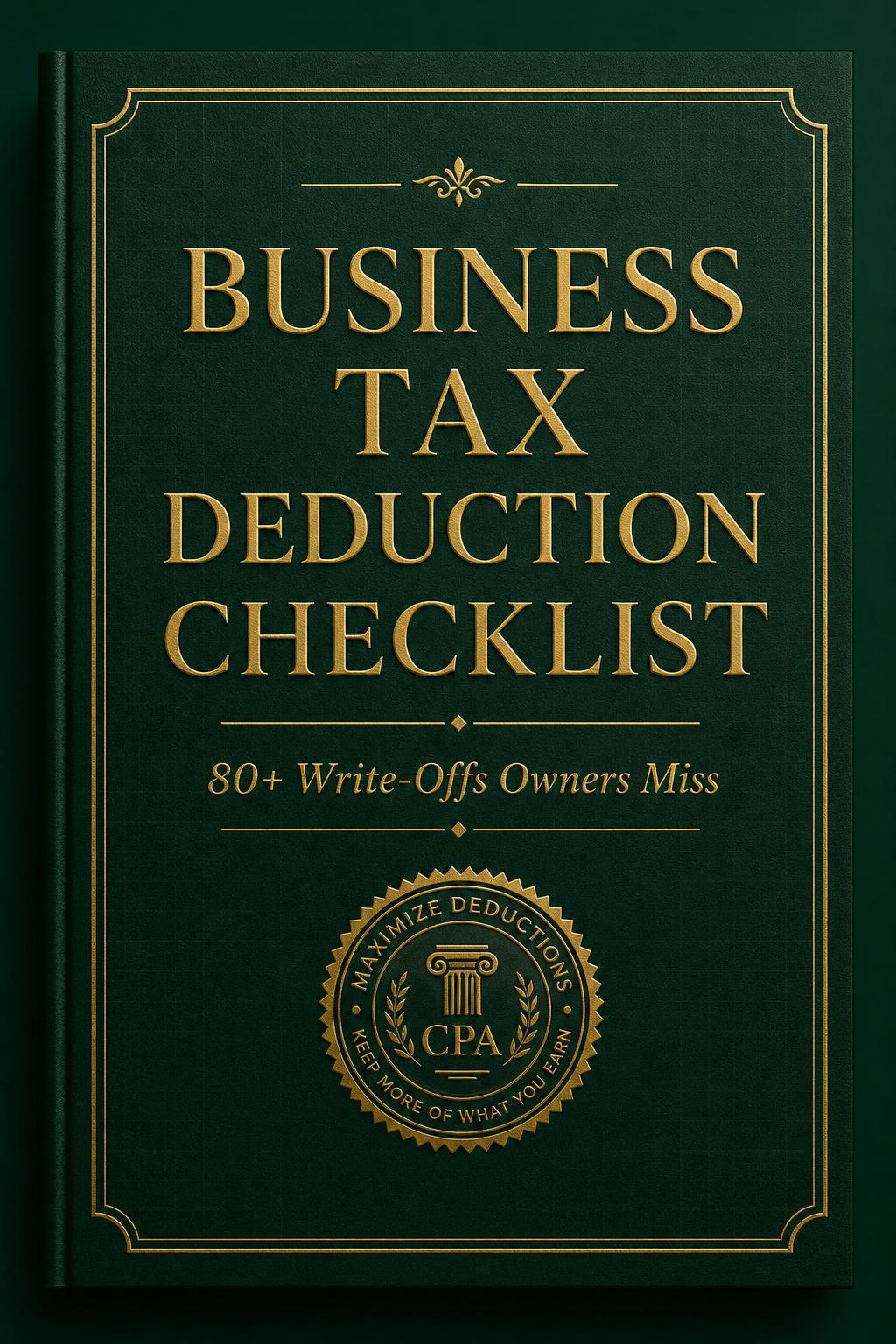
Business Tax Deduction Checklist
A CPA-curated checklist of 80+ business deductions most owners miss — organized by category so you can sweep it before filing.
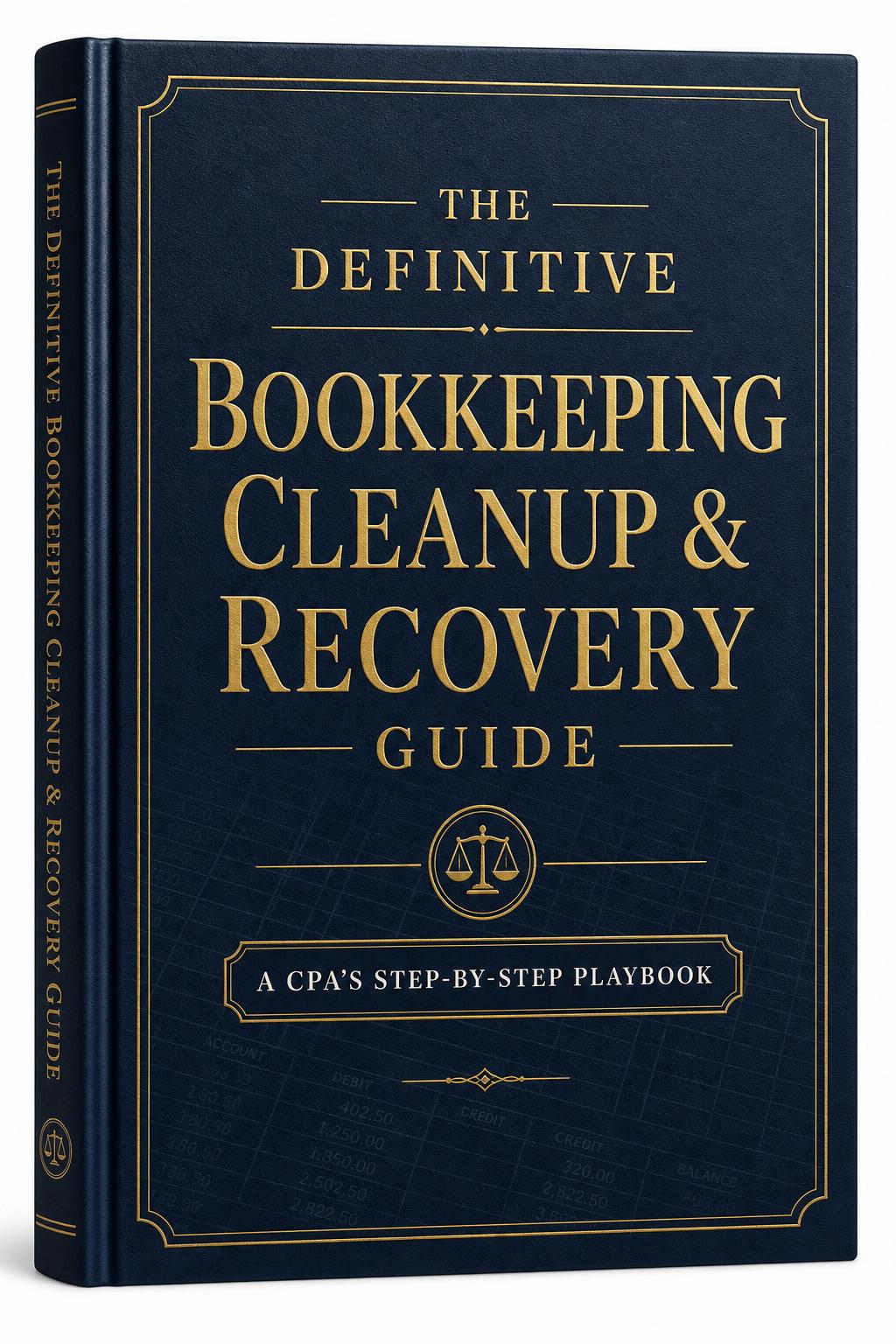
The Definitive Bookkeeping Cleanup & Recovery Guide
The CPA's step-by-step playbook for diagnosing messy books, reconstructing missing history, and restoring a clean, audit-ready ledger.
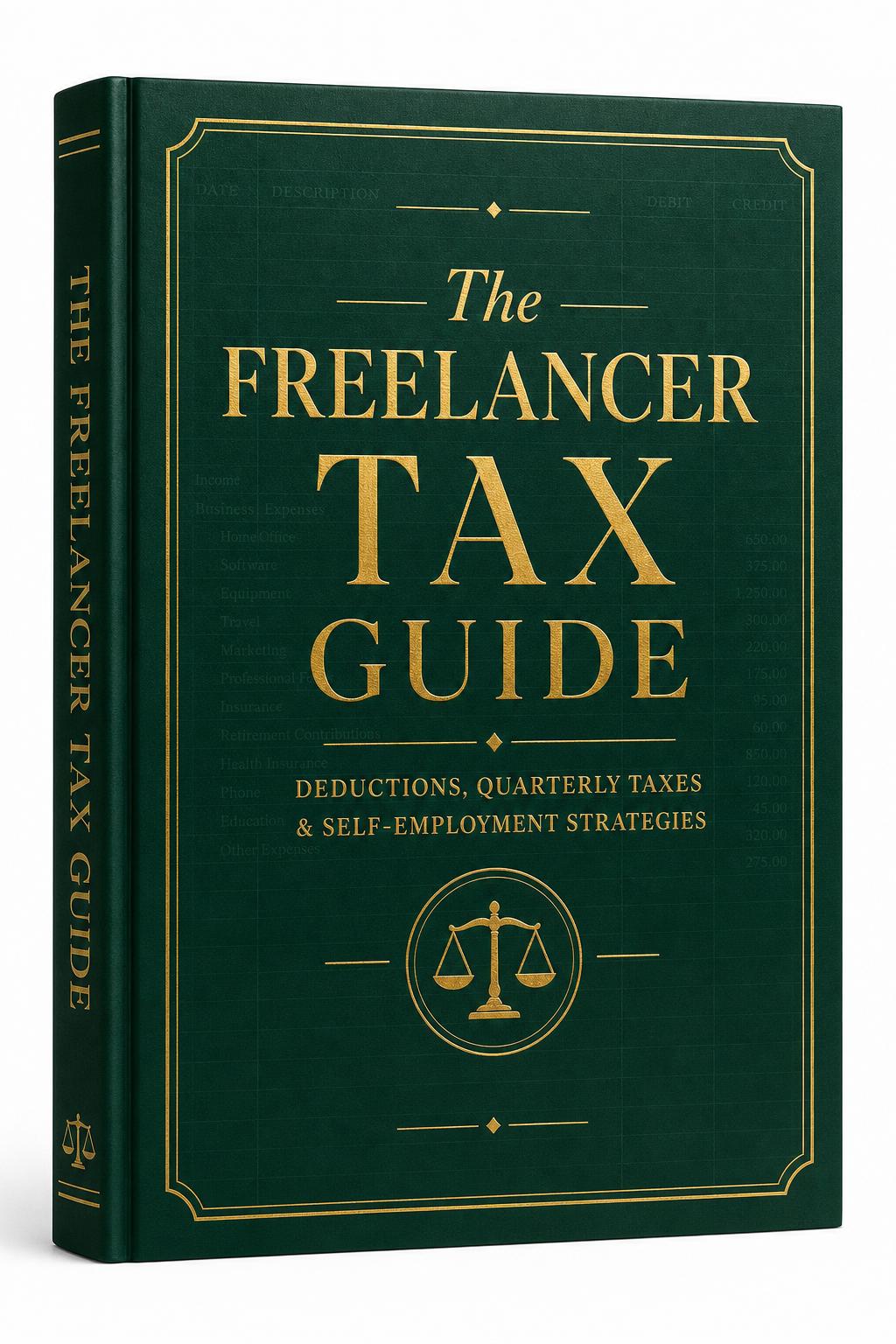
The Freelancer Tax Guide
The practical tax playbook for freelancers, contractors, and solo creatives — deductions, quarterly estimates, and self-employment strategies.

The Year-End Tax Planning Guide
The CPA's December playbook — practical strategies to reduce your tax bill before the year closes.
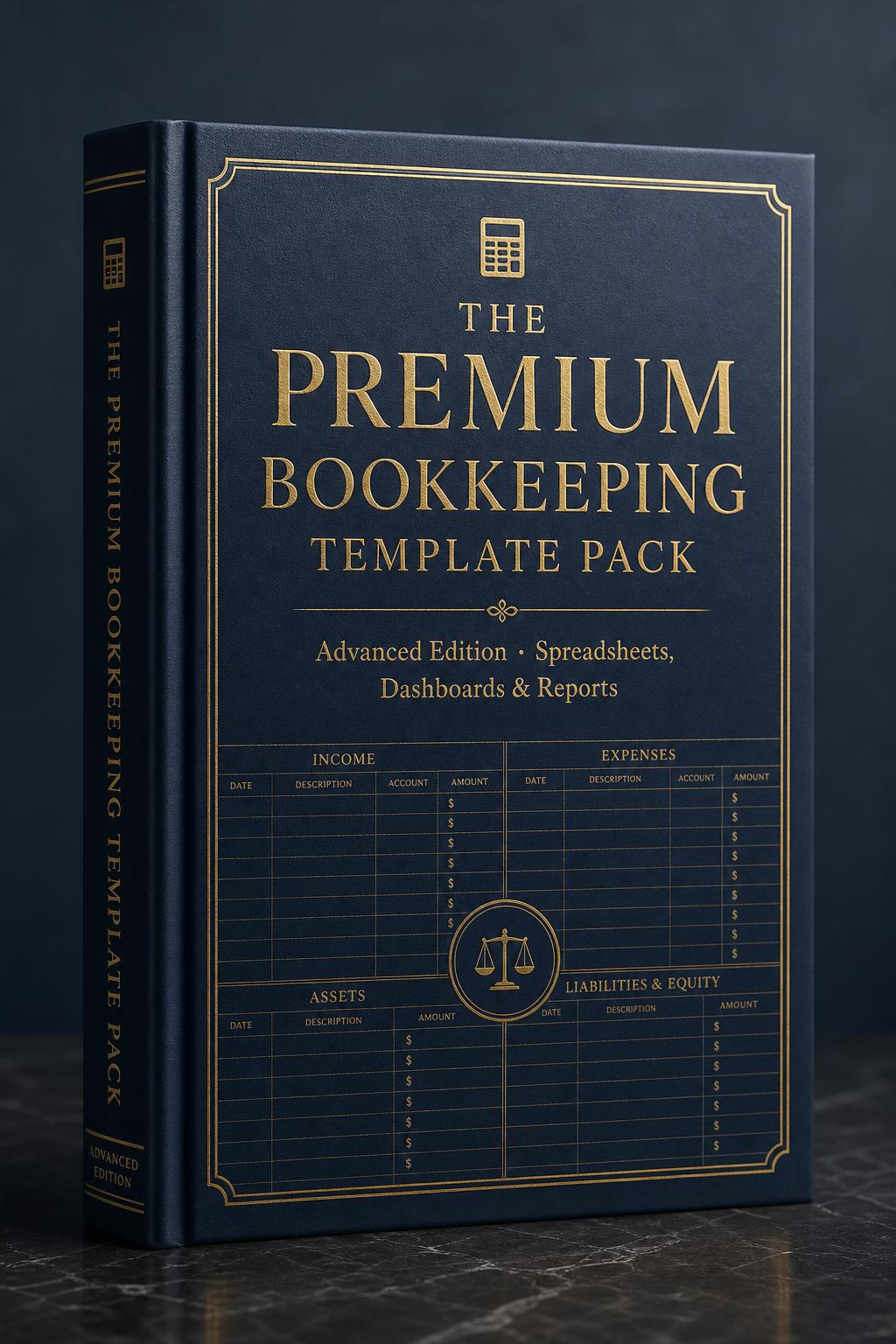
The Premium Bookkeeping Template Pack
Automated dashboards, multi-account reconciliations, and CPA-ready reporting workbooks for serious owners and bookkeepers.
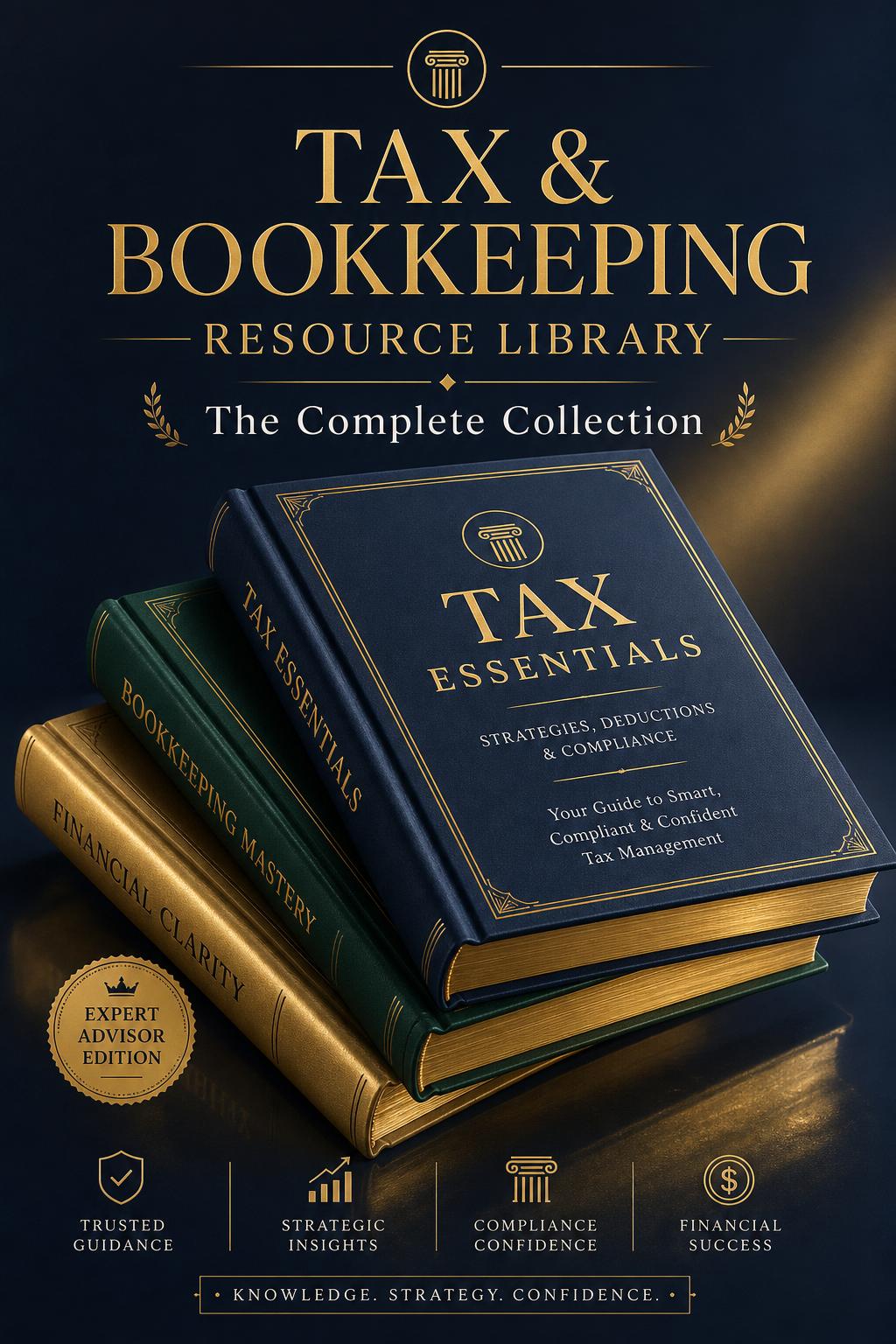
Tax & Bookkeeping Resource Library
Our complete advisor-grade collection — every premium asset an owner needs to run clean books, lower taxes, and recover messy ledgers, in one bundle.