Restaurants
Food Cost Accounting for Restaurants
Food cost accounting is what separates restaurants that make money from those that do not. It combines weekly inventory counts, accurate purchase coding, and a clean COGS calculation so owners can see food and beverage cost as a percent of sales — every week, not every quarter.
What it includes
- Weekly inventory counts (food, bev, paper)
- Vendor invoice coding to COGS categories
- Theoretical vs actual food cost analysis
- Recipe and menu engineering support
- Beverage pour cost tracking
- Waste, comp, and spoilage logs
- Prime cost reporting (COGS + labor)
- Vendor price-change alerts
Who needs food cost accounting
- Independent full-service restaurants
- Multi-unit operators benchmarking locations
- Bars and breweries managing beverage cost
- Catering and event venues
- Ghost kitchens and virtual brands
- Investors and operators preparing to sell
How to choose
- Restaurant-specific accounting experience
- POS integration for sales and recipe data
- Weekly reporting cadence
- Familiar with inventory systems (MarginEdge, Restaurant365)
- Benchmarks for your concept (QSR, fast casual, full service)
- Pricing that scales by location, not transactions
Frequently Asked Questions
What is a good food cost percentage?
Most full-service restaurants target food cost between 28 and 32 percent of food sales. Pizza and high-volume QSR can run lower; fine dining often runs higher. Beverage cost typically targets 18 to 24 percent.
How often should we count inventory?
Weekly counts are the standard for serious operators. Monthly counts hide problems; daily counts are usually only worth the effort for high-value items like proteins and liquor.
Theoretical vs actual food cost — what is the difference?
Theoretical food cost is what your recipes say you should have used based on items sold. Actual food cost is what your inventory and invoices say you actually used. The variance reveals waste, theft, or portion problems.
Do I need software or can my CPA handle it?
For single-location independents, a CPA or bookkeeper with restaurant experience plus QuickBooks may be enough. Multi-unit operators almost always benefit from MarginEdge, Restaurant365, or similar inventory-aware platforms.
Related services
Get matched
Need accounting, QuickBooks, tax planning or fractional CFO support? Compare CPA and advisory options for your business, nonprofit or organization.
Advisor-grade guides
Downloadable ebooks & templates
CPA-ready playbooks and templates you can use today — instant downloads, no signup required.
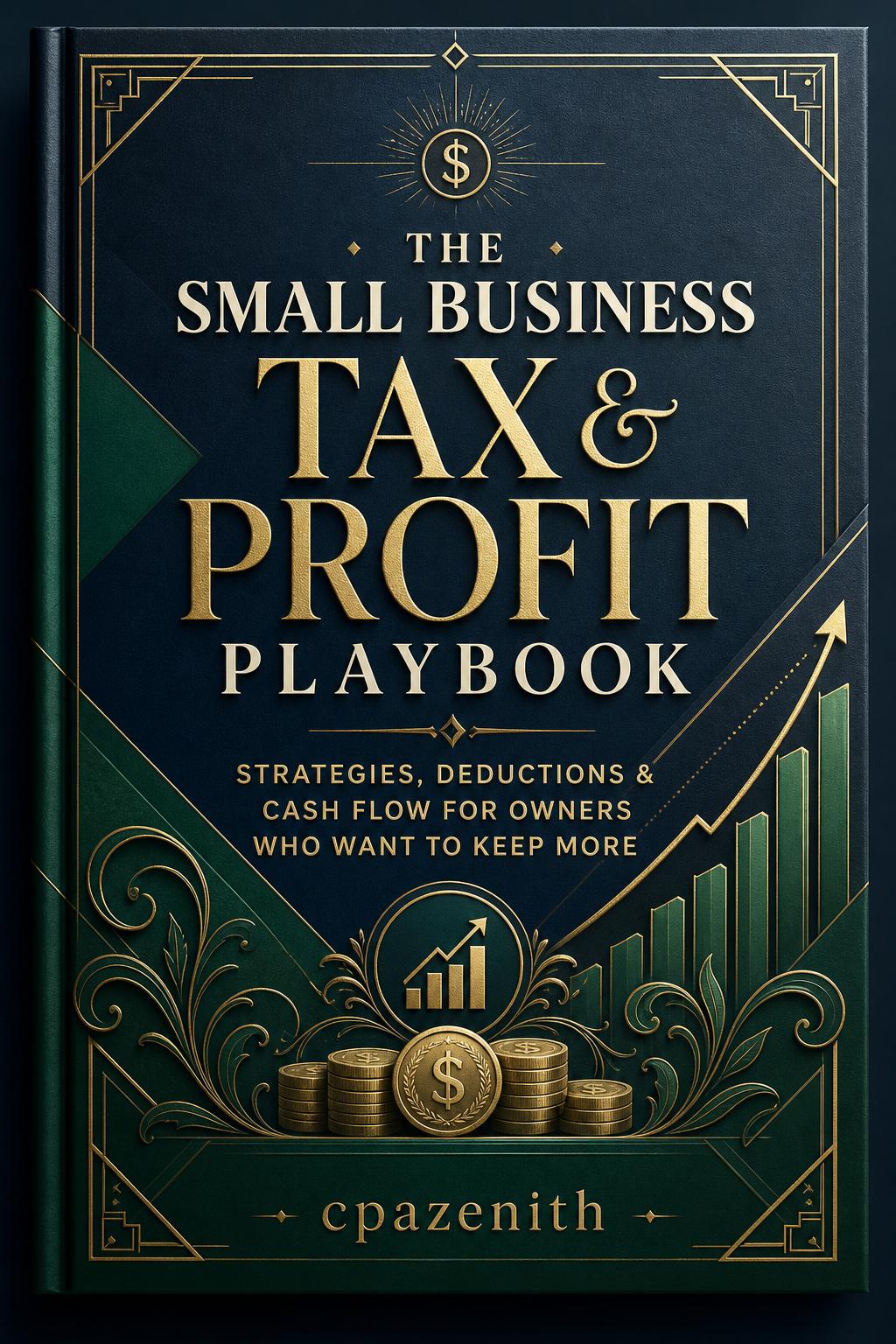
The Small Business Tax & Profit Playbook
A CPA-ready guide to deductions, quarterly taxes, S-Corp strategy, owner pay, cash flow, and year-round tax planning.
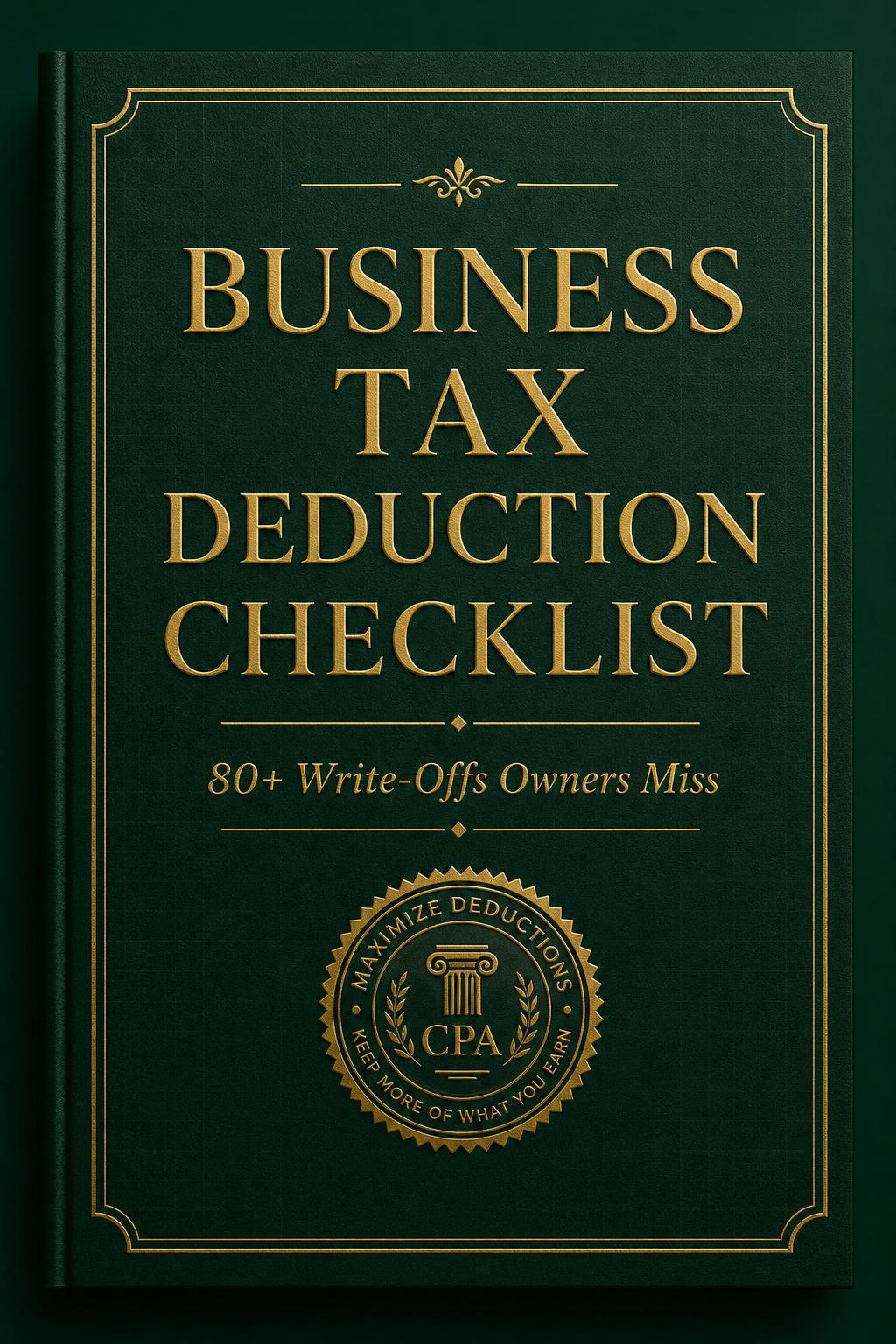
Business Tax Deduction Checklist
A CPA-curated checklist of 80+ business deductions most owners miss — organized by category so you can sweep it before filing.
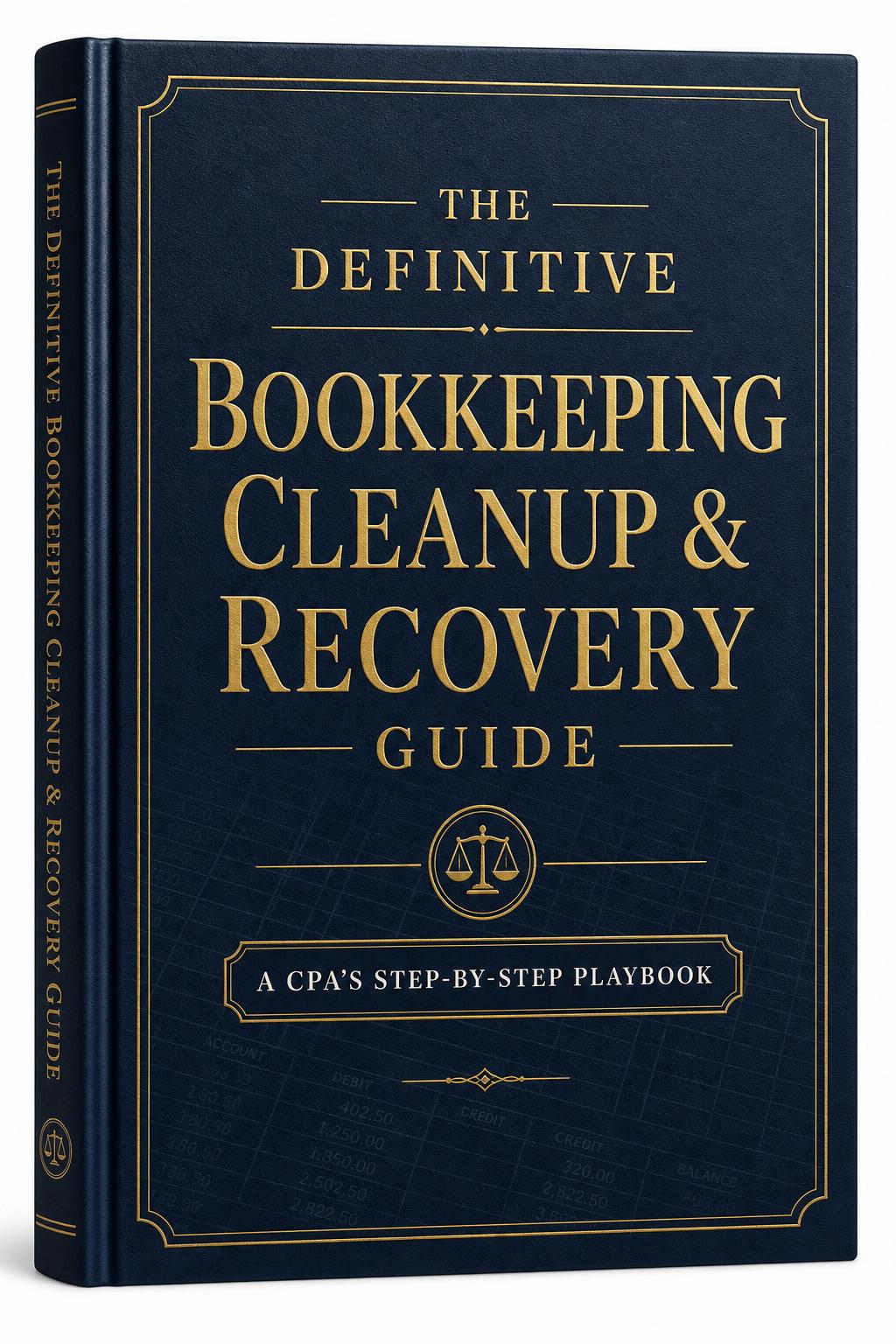
The Definitive Bookkeeping Cleanup & Recovery Guide
The CPA's step-by-step playbook for diagnosing messy books, reconstructing missing history, and restoring a clean, audit-ready ledger.
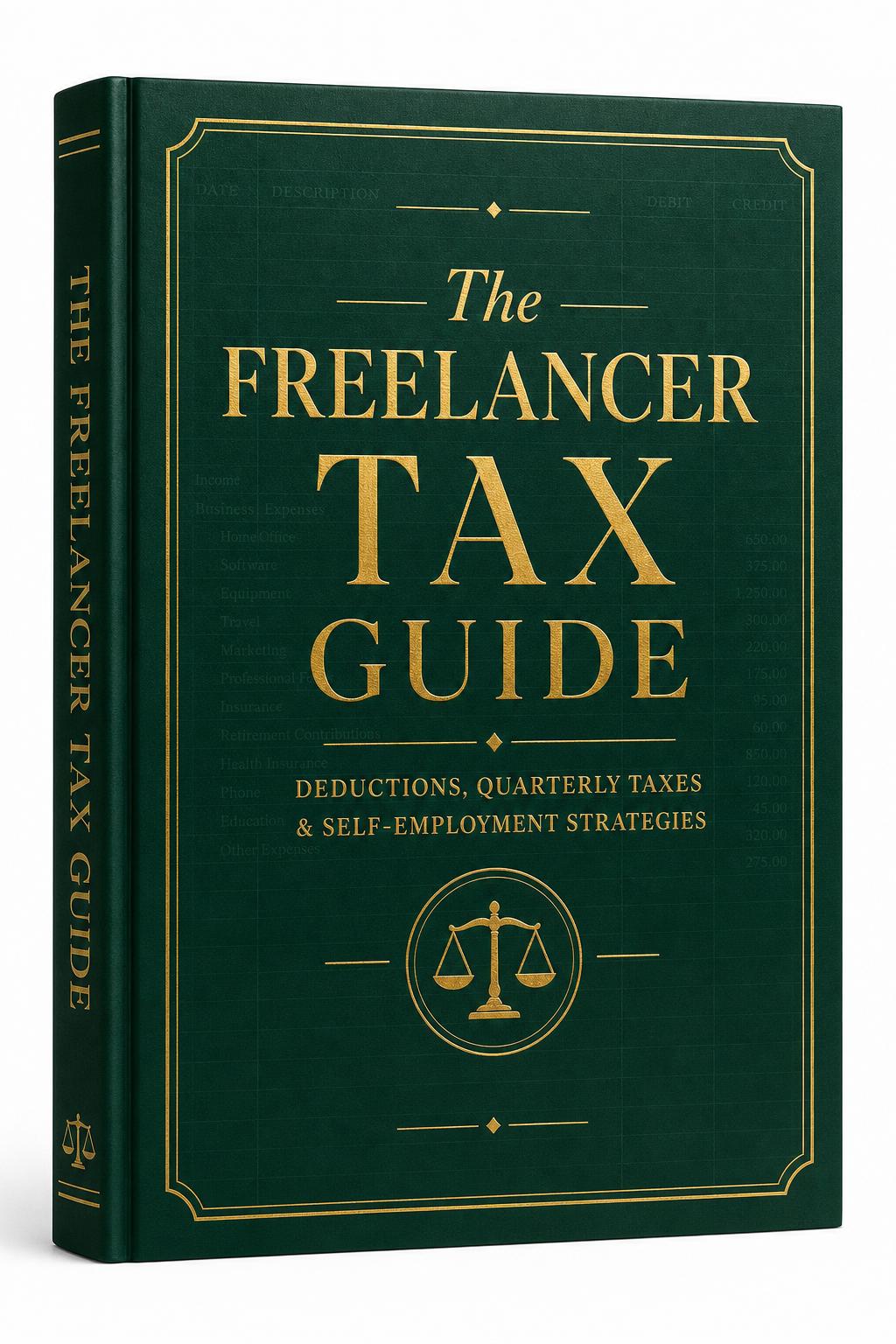
The Freelancer Tax Guide
The practical tax playbook for freelancers, contractors, and solo creatives — deductions, quarterly estimates, and self-employment strategies.

The Year-End Tax Planning Guide
The CPA's December playbook — practical strategies to reduce your tax bill before the year closes.
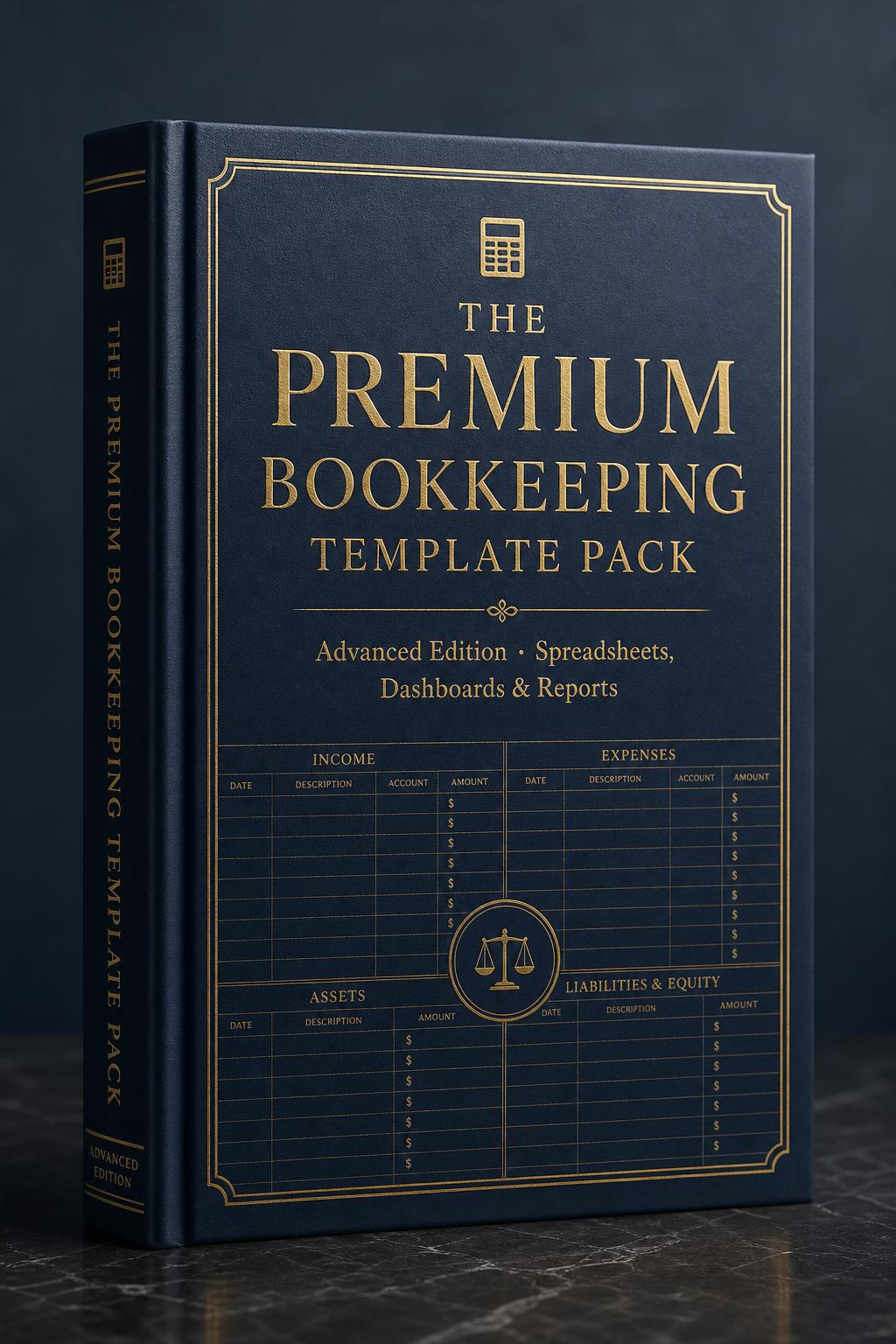
The Premium Bookkeeping Template Pack
Automated dashboards, multi-account reconciliations, and CPA-ready reporting workbooks for serious owners and bookkeepers.

Tax & Bookkeeping Resource Library
Our complete advisor-grade collection — every premium asset an owner needs to run clean books, lower taxes, and recover messy ledgers, in one bundle.