Massachusetts · Real Estate Accountants
Find a Real Estate CPA in Massachusetts
CPAs who specialize in real estate — investors, syndications, agents, brokers, and developers. Cost segregation, 1031 exchanges, REPS, and partnership returns done by people who actually know the rules. Serving businesses across Massachusetts — Boston anchors a deep accounting bench serving life sciences, higher ed, asset management, and the innovation economy.
Why Massachusetts clients hire real estate cpas
Local context for real estate accountants in Massachusetts
Dominant industries statewide
- Life sciences & biotech
- Higher education
- Asset management
- Healthcare
- Tech & robotics
Massachusetts tax climate
Massachusetts has a 5% flat personal income tax plus a 4% surtax on income above $1M (the 'Millionaires Tax'), and an 8% corporate excise tax. The state offers a pass-through entity excise (PTE) election to mitigate federal SALT caps. Sales tax is 6.25% with no local add-on.
When to hire
- You own rental property and want depreciation done correctly
- You're planning a 1031 exchange or just completed one
- You qualify (or want to qualify) for Real Estate Professional Status
- You're investing in a syndication and got your first K-1
- You're a real estate agent or broker filing Schedule C or as an S-corp
What they do
- Schedule E rental income and expense optimization
- Cost segregation analysis and bonus depreciation planning
- 1031 like-kind exchange tax structuring and reporting
- Real Estate Professional Status (REPS) and material participation analysis
- Partnership returns (1065) and K-1s for syndications and joint ventures
Typical fees
What it costs
Low end
$800
per year
High end
$5,000+
per year
Notes
Single rental: $300–$600 added to 1040. Multi-property + REPS: $1,500–$3,500. Syndication returns (1065): $2,500–$10,000.
Compare
Real Estate CPA vs Generalist CPA
| Factor | Real Estate CPA | Generalist CPA |
|---|---|---|
| Cost segregation | Standard offering | Often refers out |
| 1031 exchanges | Routine | Rare — risky to handle occasionally |
| REPS documentation | Proactive tracking | Reactive at year-end |
| Syndication K-1s | Handles 10–100+ per year | Limited experience |
| Industry fee benchmarking | Yes | No |
Questions to ask
- How many real estate investors do you serve, and what types?
- Do you run or coordinate cost segregation studies?
- How do you document REPS qualification?
- Can you handle 1031 exchange reporting on Form 8824?
- Do you work with my QI (qualified intermediary) directly?
- Do you prepare 1065 partnership returns for syndications?
Red flags
- Doesn't track basis or accumulated depreciation by property
- Misses passive activity loss limitation rules
- Recommends REPS without understanding the 750-hour test
- No experience with 1031 exchange timing rules (45/180 days)
- Treats short-term rentals the same as long-term rentals
Documents to prepare
- Closing statements (HUD-1 / ALTA) for every property
- Depreciation schedules from prior CPA
- Rent rolls and operating expense summaries
- 1031 exchange documentation if applicable
- K-1s from any syndications or partnerships
By city
Real Estate Accountants in Massachusetts in major U.S. cities
Related
Other specialties you might need
Verified directory
Real Estate Accountants serving Massachusetts
As real estate cpas in Massachusetts claim profiles, they will appear here. Be among the first listed.
FAQ
Real Estate Accountants in Massachusetts — common questions
How much does real estate accountants cost in Massachusetts?+
Massachusetts real estate accountants typically charge $800–$5,000+ per year. Single rental: $300–$600 added to 1040. Multi-property + REPS: $1,500–$3,500. Syndication returns (1065): $2,500–$10,000.
Do I need a Massachusetts-licensed CPA?+
For Massachusetts state filings, your preparer should hold a CPA license from the Massachusetts Board of Accountancy or be an Enrolled Agent. Out-of-state pros can prepare your federal return but should not sign as a CPA on Massachusetts returns. Massachusetts has a 5% flat personal income tax plus a 4% surtax on income above $1M (the 'Millionaires Tax'), and an 8% corporate excise tax.
What is cost segregation and is it worth it?+
Cost segregation reclassifies portions of a building into shorter-life assets (5, 7, 15 years) to accelerate depreciation. For properties over ~$500K, the present-value tax savings typically far exceed the study cost of $3K–$15K.
What is Real Estate Professional Status (REPS)?+
A tax status allowing rental losses to offset W-2 and active income. Requires 750+ hours per year and more than half your working time in real estate trades or businesses, with material participation in each property.
How does a 1031 exchange work?+
Sell investment real estate, identify replacement property within 45 days, and close within 180 days through a qualified intermediary — deferring capital gains and depreciation recapture. Strict timing and identification rules apply.
Are short-term rental losses treated differently?+
Yes. Average guest stays of 7 days or less can avoid passive activity rules, allowing losses to offset other income if you materially participate — without needing REPS.
Do real estate agents need a specialist CPA?+
Agents earning $100K+ usually benefit from S-corp election analysis, expense tracking, and retirement plan setup — work most generalist CPAs don't do well for commission-based earners.
Real Estate CPAs by city in Massachusetts
Get matched
Get 3 quotes from real estate cpas in Massachusetts
Free, no obligation. We'll route your request to up to 3 vetted real estate accountants serving Massachusetts.
Take the next step
Move forward with a local CPA
Free matching
Get 3 free CPA quotes
Tell us what you need. Up to 3 verified CPAs reply within 1 business day. No fees, no pressure.
Request 3 quotesSide-by-side
Compare CPAs
Stack verified pros next to each other on pricing, specialties, and experience before you reach out.
Compare CPAsFree PDF
2026 CPA Pricing Guide
Real fee benchmarks for tax prep, bookkeeping, payroll, and advisory — by service and business type.
Download free guideInternal links
More for real estate cpas buyers in Massachusetts
Advisor-grade guides
Downloadable ebooks & templates
CPA-ready playbooks and templates you can use today — instant downloads, no signup required.
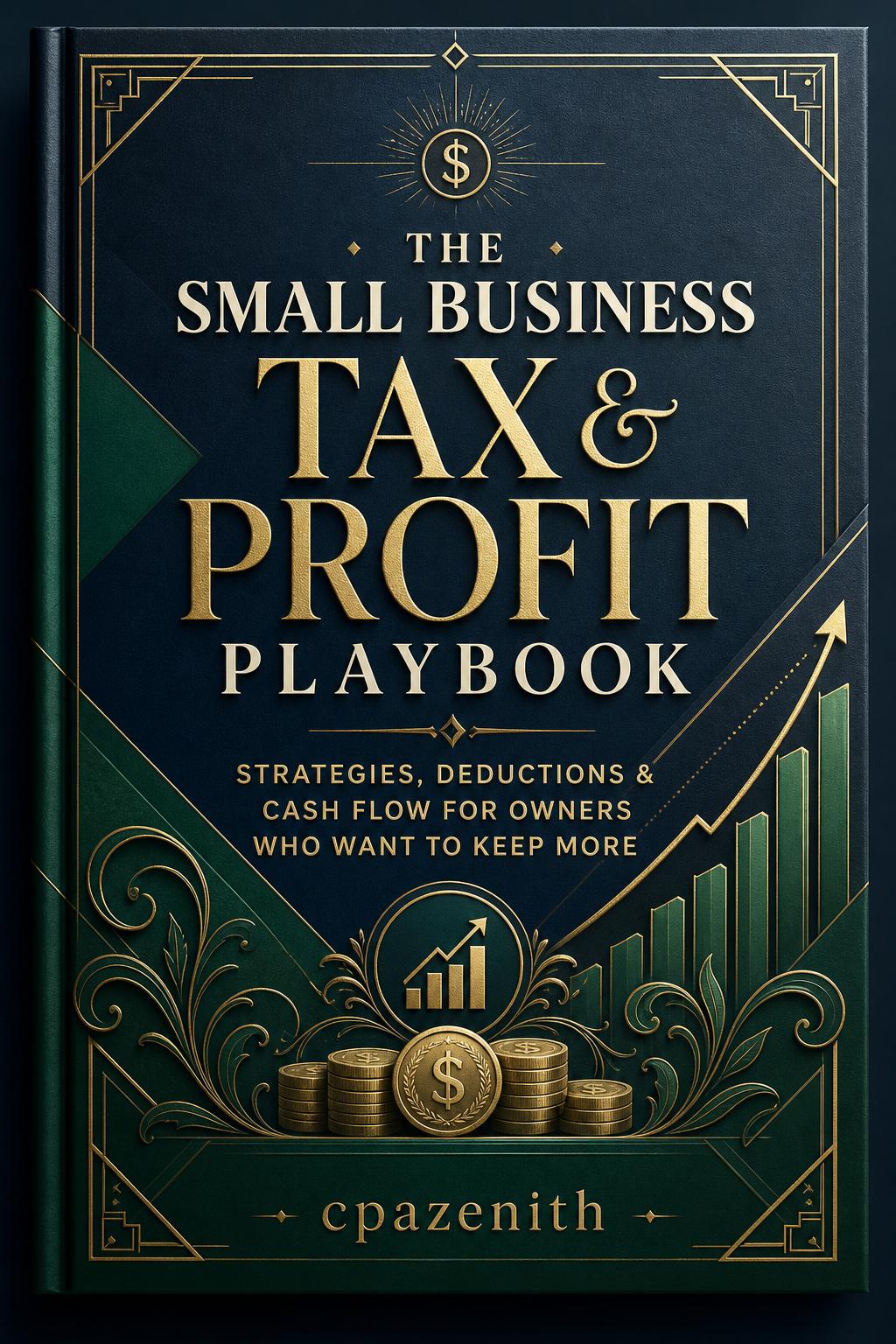
The Small Business Tax & Profit Playbook
A CPA-ready guide to deductions, quarterly taxes, S-Corp strategy, owner pay, cash flow, and year-round tax planning.
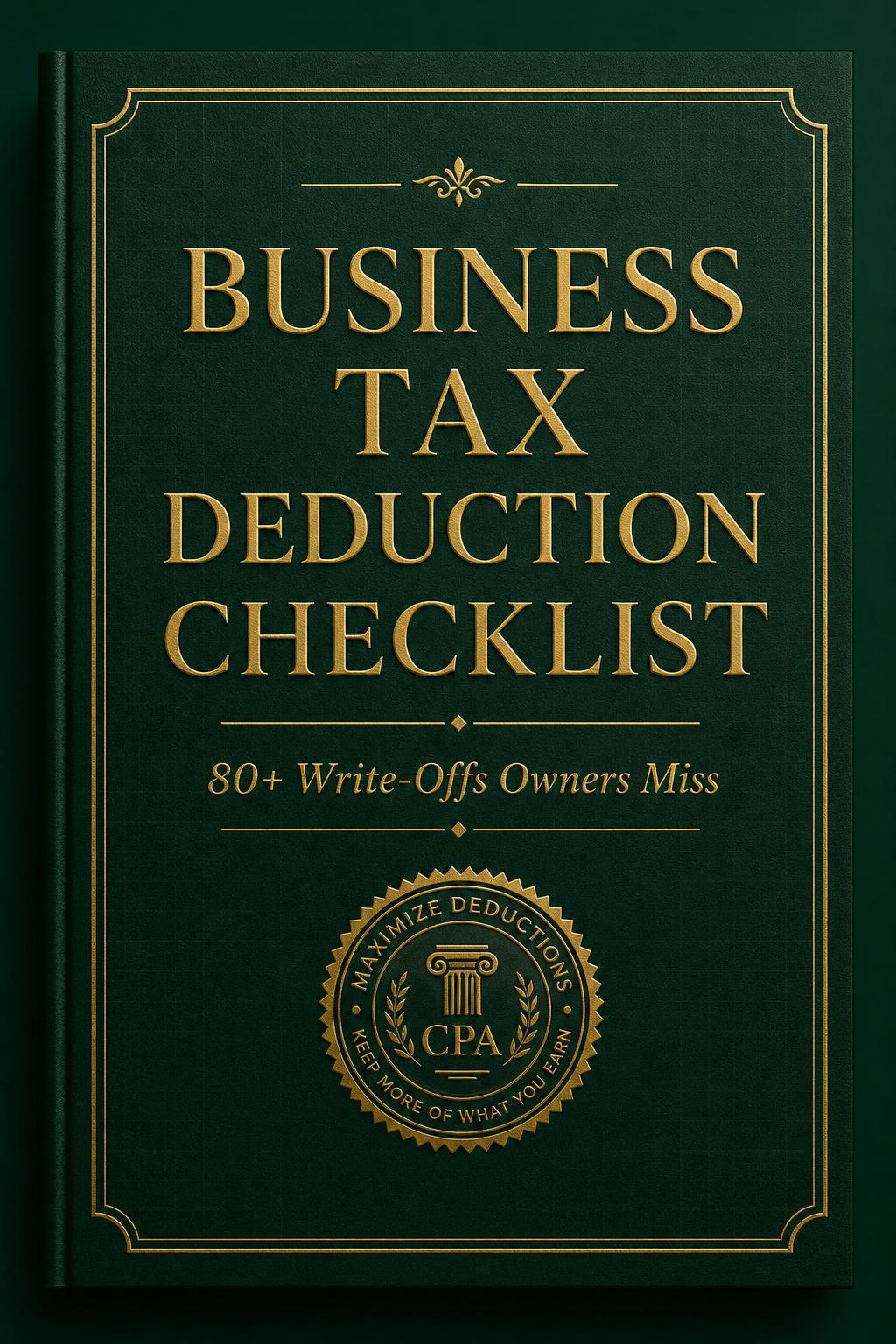
Business Tax Deduction Checklist
A CPA-curated checklist of 80+ business deductions most owners miss — organized by category so you can sweep it before filing.
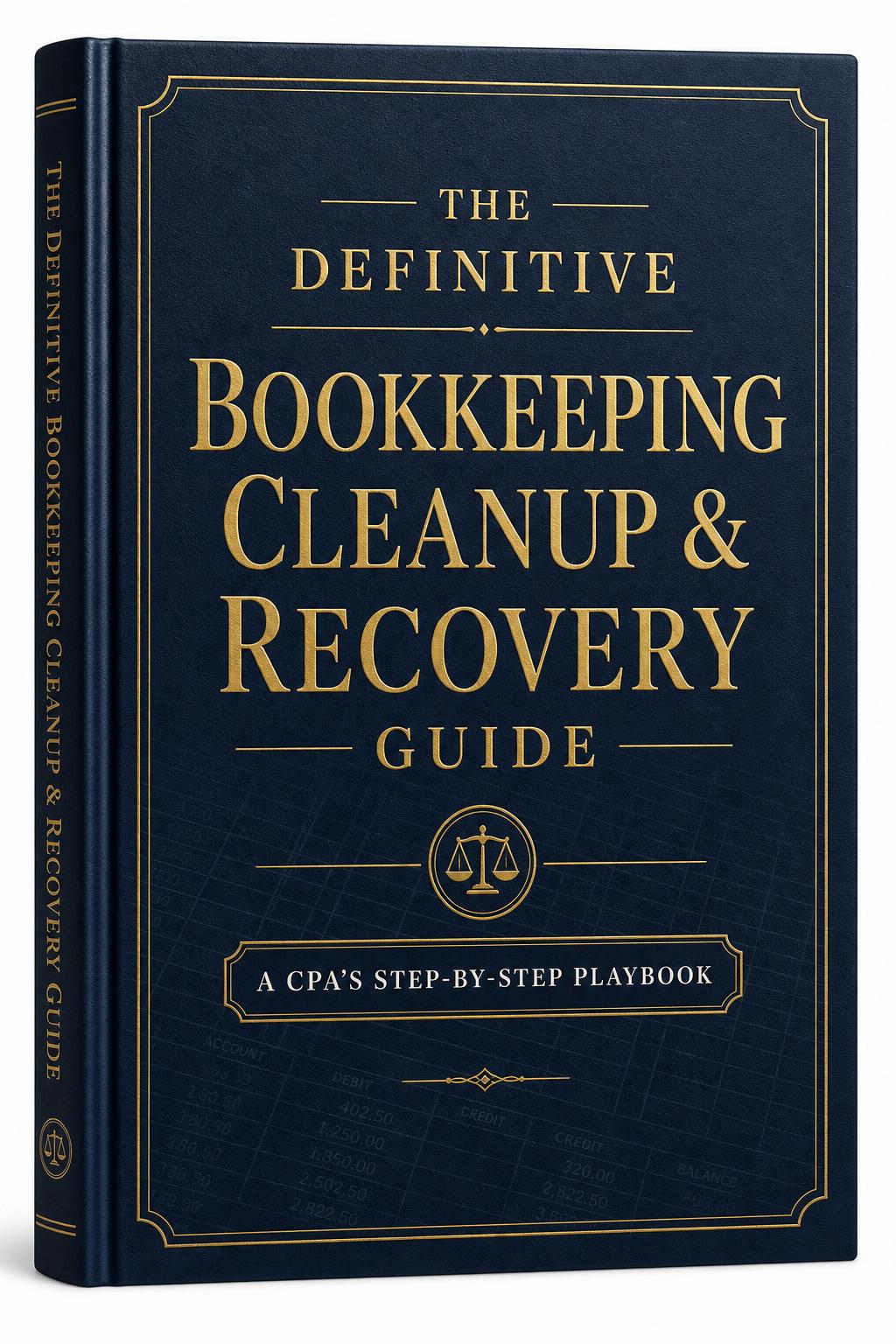
The Definitive Bookkeeping Cleanup & Recovery Guide
The CPA's step-by-step playbook for diagnosing messy books, reconstructing missing history, and restoring a clean, audit-ready ledger.
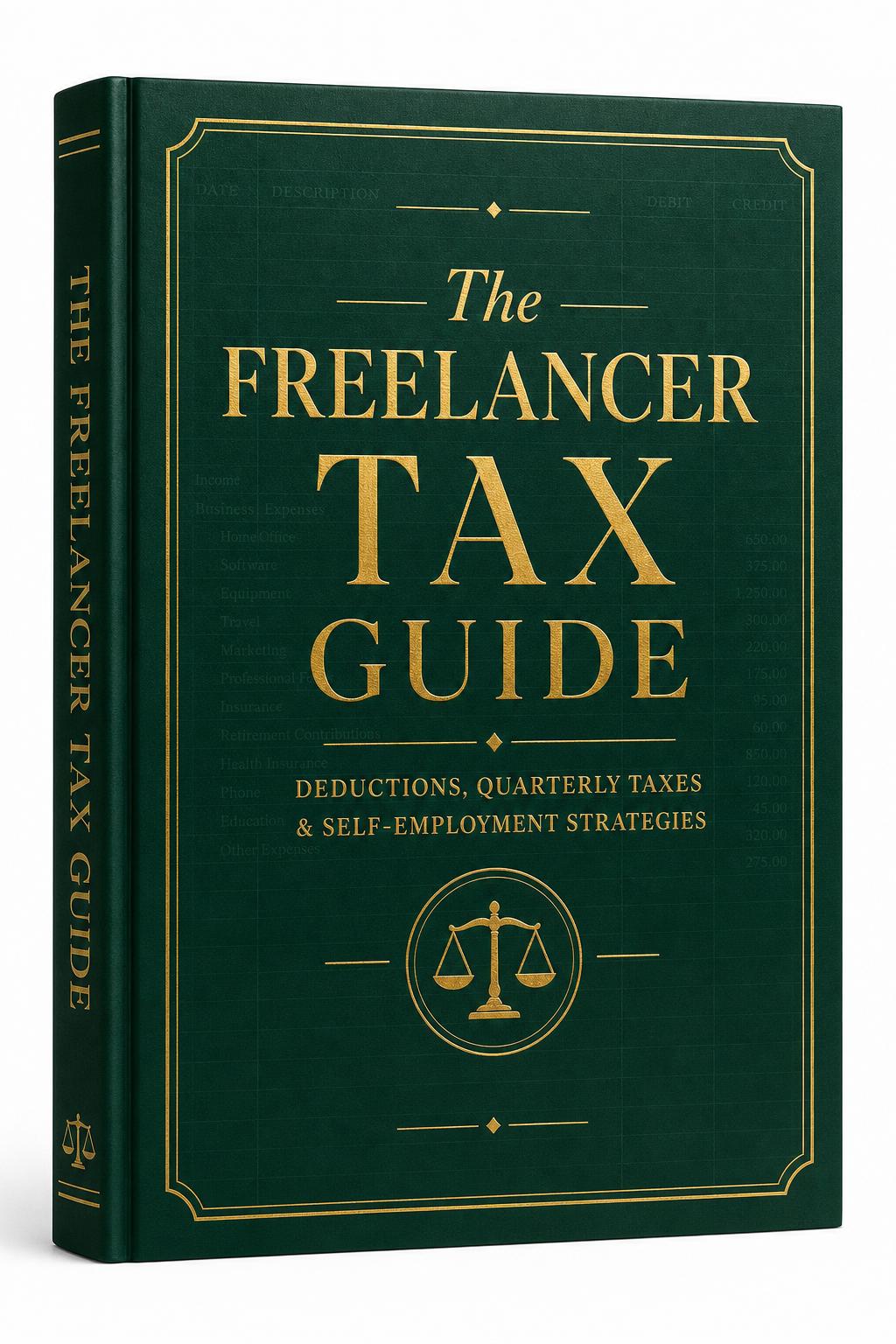
The Freelancer Tax Guide
The practical tax playbook for freelancers, contractors, and solo creatives — deductions, quarterly estimates, and self-employment strategies.

The Year-End Tax Planning Guide
The CPA's December playbook — practical strategies to reduce your tax bill before the year closes.
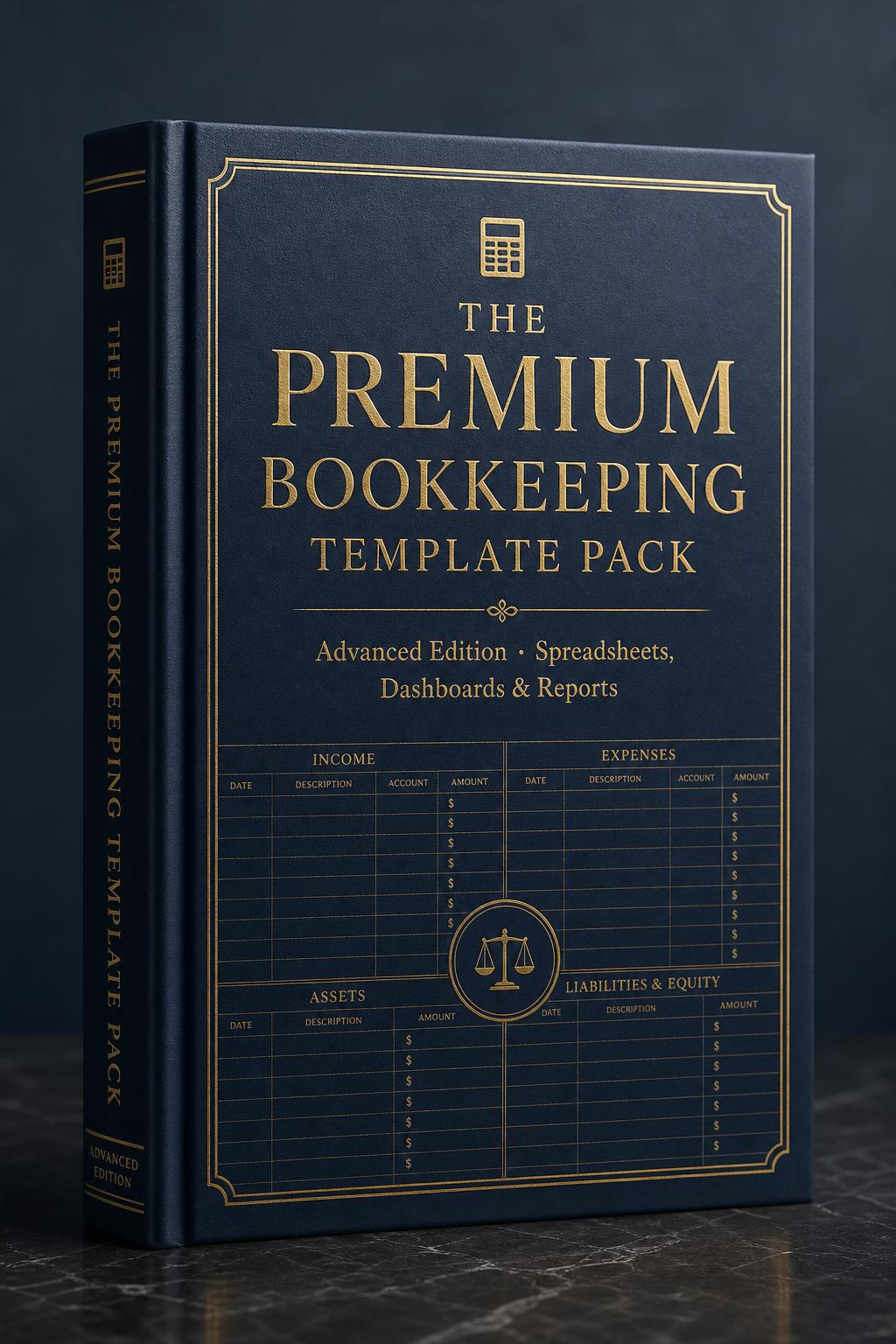
The Premium Bookkeeping Template Pack
Automated dashboards, multi-account reconciliations, and CPA-ready reporting workbooks for serious owners and bookkeepers.
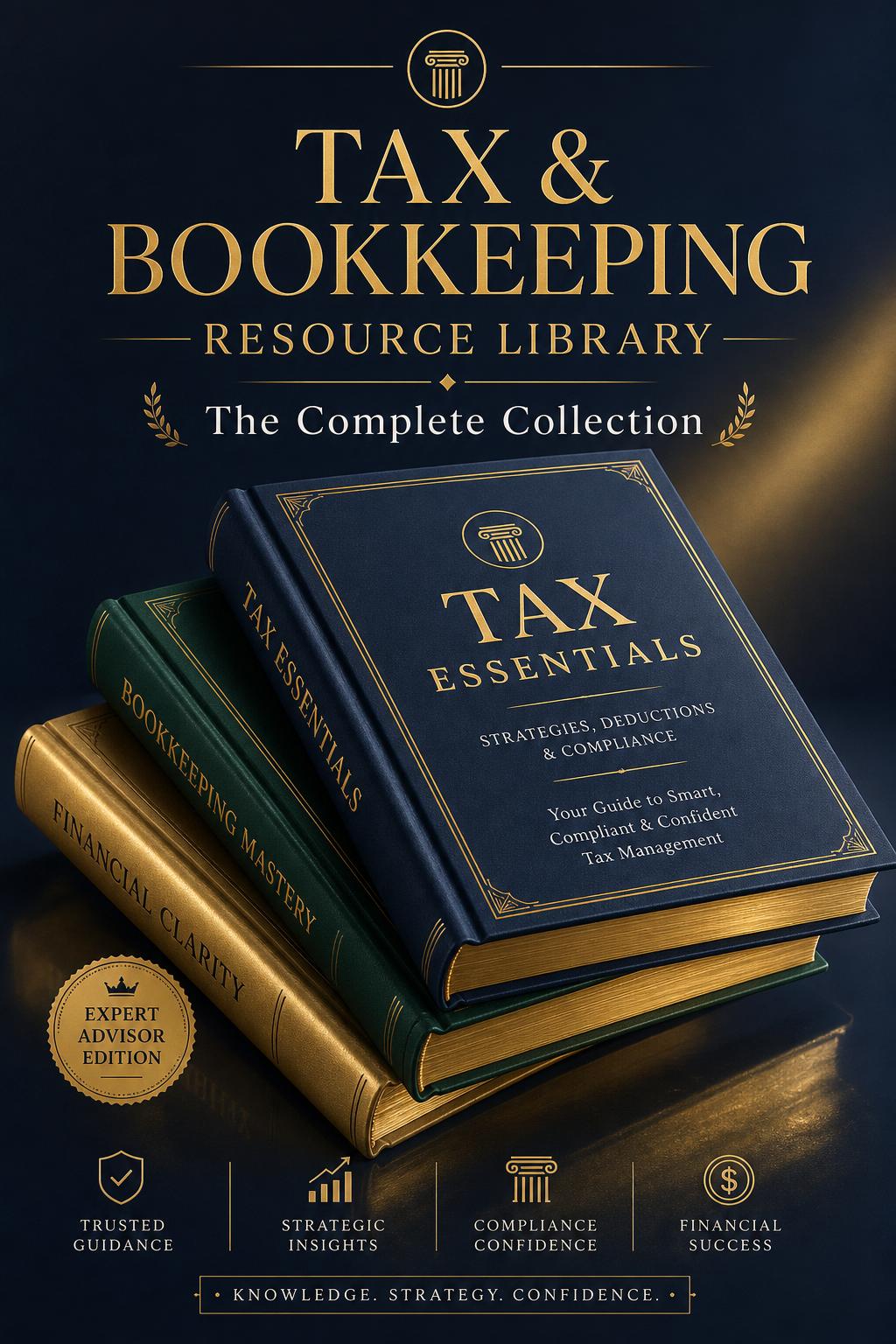
Tax & Bookkeeping Resource Library
Our complete advisor-grade collection — every premium asset an owner needs to run clean books, lower taxes, and recover messy ledgers, in one bundle.