Hiring · 7 min read

How to Find a CPA Near You

Finding a CPA near you is less about geography and more about fit. With virtual practices the norm, the right CPA might be three blocks away or three states over — what matters is licensing, specialty match, responsiveness, and price transparency.

Start with what you actually need

Before you Google 'CPA near me,' decide what work you want them to do. Annual tax filing is different from quarterly tax planning, which is different from bookkeeping or fractional CFO support.

  • Annual personal or business tax return
  • Quarterly estimated tax planning
  • Monthly bookkeeping and reconciliations
  • Payroll setup and filings
  • S-Corp election and reasonable comp analysis
  • IRS notice response or representation

Where to search

  • Verified directories like CPAZenith with license-checked listings
  • Your state board of accountancy (every state publishes a license lookup)
  • Referrals from other owners in your industry or co-working network
  • AICPA's Find-a-CPA tool for general practitioners
  • Industry associations (NAR, REI groups, restaurant associations) for specialists

Verify the license before the first call

Anyone can call themselves an 'accountant.' Only a CPA who holds an active license in their state can sign attestation work and represent you before the IRS. Always confirm the license is active and in good standing.
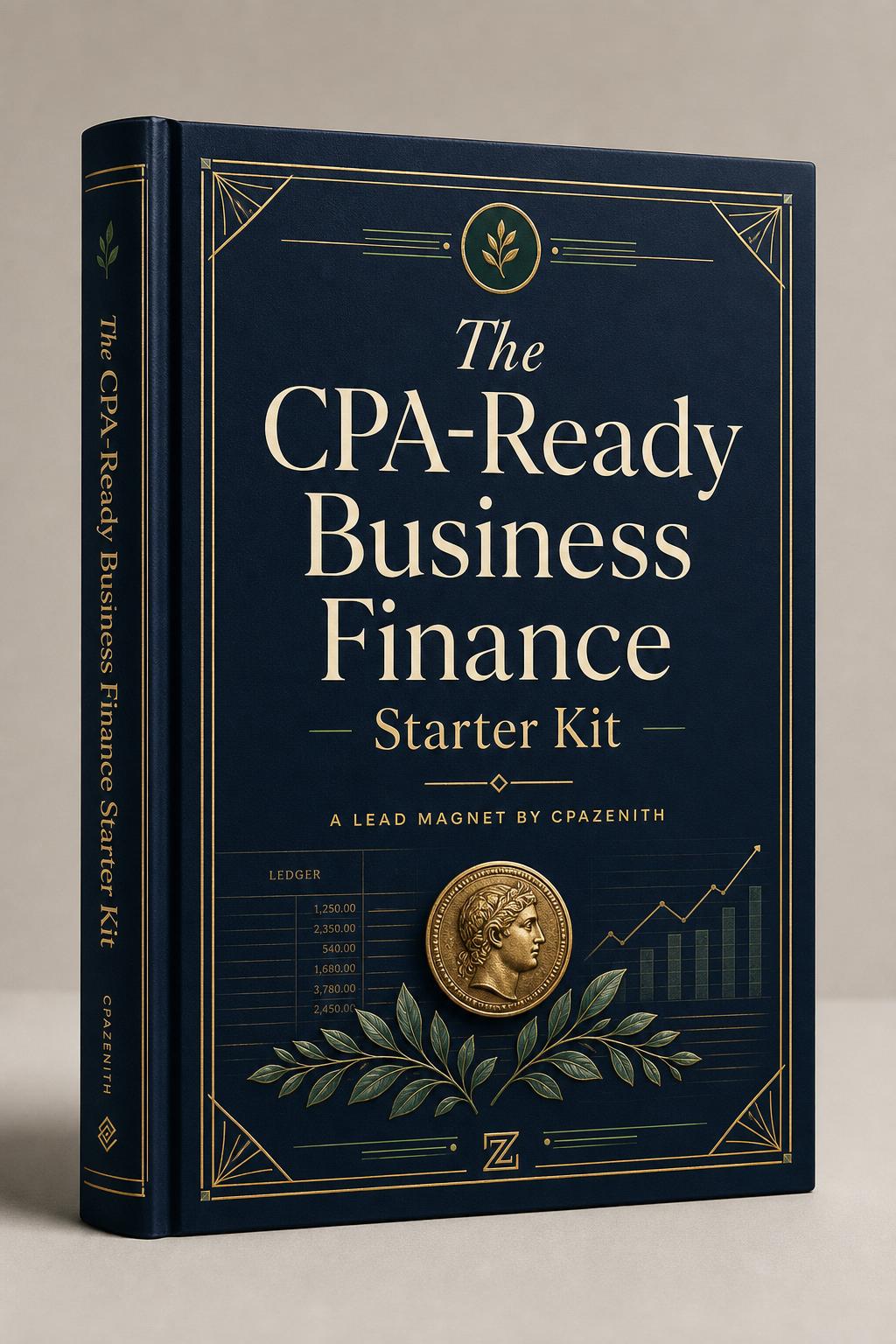
The CPA-Ready Business Finance Starter Kit cover

Free download

The CPA-Ready Business Finance Starter Kit

A practical, advisor-grade workbook for owners and founders — the foundations your CPA wishes every client showed up with. Books, taxes, cash flow, and entity decisions, in one place.

  • Monthly bookkeeping rhythm
  • Tax-ready document checklist
  • Entity & S-Corp decision guide
  • Cash flow & owner pay basics

No signup required. Informational only — consult your CPA for advice.

Ready for the next step?

See the full Lead-Magnet Funnel — from free checklist to advisor-grade systems.

Open the funnel

Screen for specialty fit

  • Industry experience (real estate, ecommerce, trucking, restaurants, startups)
  • Entity type (LLC, S-Corp, partnership, C-Corp)
  • Multi-state filings if you operate in more than one state
  • Software stack (QuickBooks, Xero, NetSuite, Gusto)
  • Volume — does the firm work with businesses your size?

Compare quotes from at least three

Pricing varies wildly. Get three written quotes that spell out scope, deliverables, response time, and what triggers extra fees. A CPA who refuses to put scope in writing is a red flag.

Local vs virtual: does it matter?

For most small businesses, no. A licensed CPA in any U.S. state can prep your federal return and most state returns. Choose local only if you need in-person meetings, signed documents notarized regularly, or representation in a state-specific audit.

Frequently asked

Do I need a local CPA?

Usually no. Federal taxes are federal, and most state returns can be handled remotely. Pick local only if in-person meetings are a hard requirement for you.

How fast can I hire one?

You can usually have a signed engagement letter within a week. During Jan–Apr many CPAs pause new clients, so start in summer or fall when capacity opens up.

What does a CPA cost?

Tax-only work runs $400–$2,500 for a small business return. Monthly bookkeeping starts around $300/mo and scales with transaction volume. Fractional CFO work is $1,500–$8,000/mo.

How do I check a CPA license?

Search the state board of accountancy where they're licensed. Most boards return status, expiration date, and any disciplinary actions in under 30 seconds.

What if I have IRS problems already?

Look specifically for a CPA, Enrolled Agent, or tax attorney who lists IRS representation as a service. General preparers may not be comfortable handling notices or audits.

Next step

Need a real human? Find a verified CPA in your city.