Hiring · 8 min read

How to Choose a Real Estate CPA

Real estate is one of the most tax-advantaged asset classes in the U.S. tax code — but only if your CPA actually knows the playbook. A general CPA can file a Schedule E. A real-estate CPA structures depreciation, passive loss elections, cost segregation, and 1031 exchanges so you keep more after-tax cash.

What a real estate CPA does differently

  • Cost segregation studies to accelerate depreciation
  • Real estate professional status (REPS) qualification
  • Short-term rental loophole analysis (Augusta, 7-day average)
  • 1031 exchange planning and timing
  • Passive activity loss grouping and PAL releases
  • Entity structuring across multiple LLCs and series

Questions to ask before hiring

  • How many real estate investor clients do you work with?
  • Do you handle cost segregation studies in-house or refer out?
  • What is your stance on the short-term rental loophole?
  • Can you walk me through a 1031 reverse exchange timeline?
  • Do you prepare K-1s for syndications you're not the GP on?

Red flags to avoid

If a CPA can't explain bonus depreciation rules in plain English, doesn't know what a 1031 intermediary is, or treats every rental as 'just a Schedule E,' keep looking. Real estate tax law has too many specific elections for a generalist to catch them all.
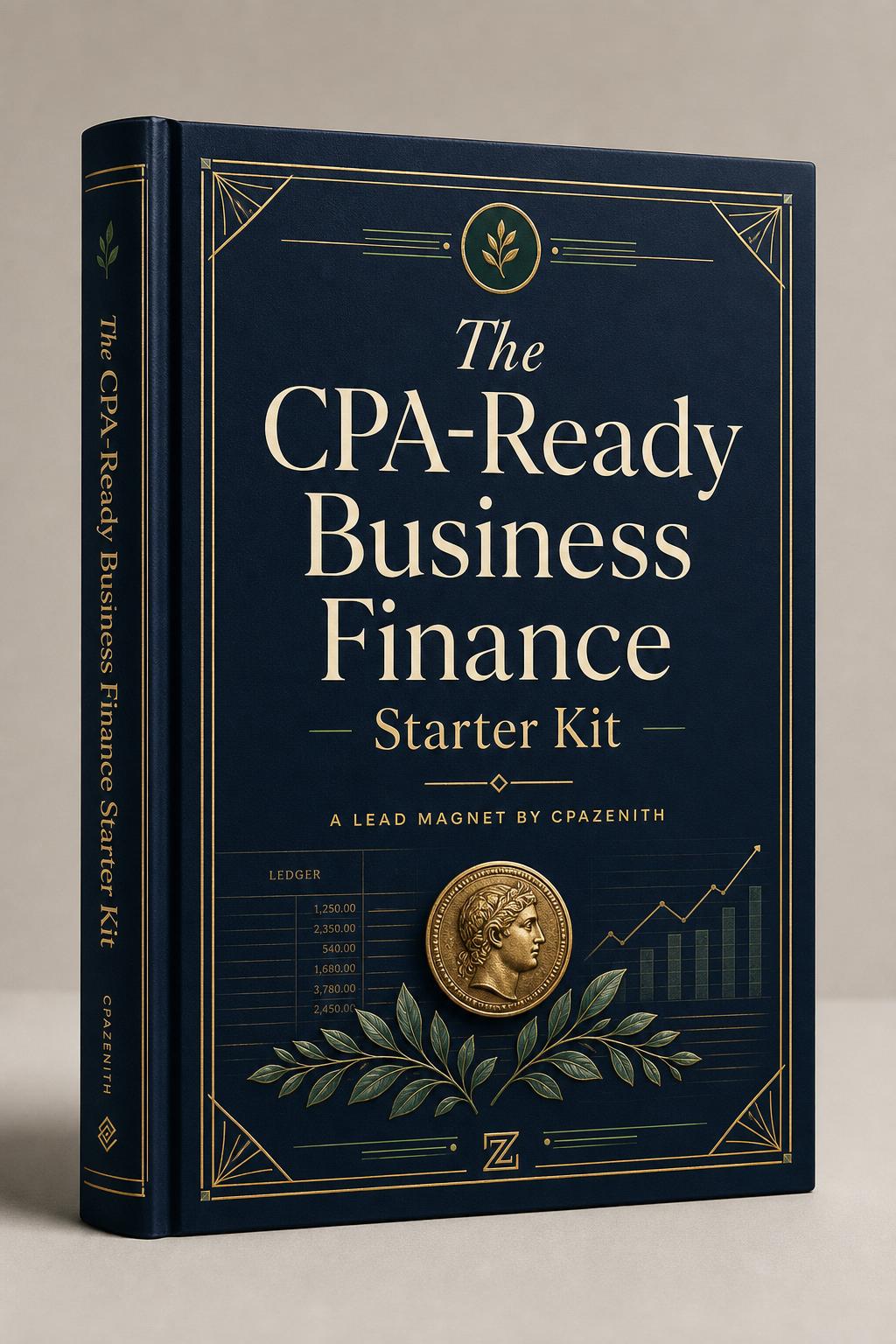
The CPA-Ready Business Finance Starter Kit cover

Free download

The CPA-Ready Business Finance Starter Kit

A practical, advisor-grade workbook for owners and founders — the foundations your CPA wishes every client showed up with. Books, taxes, cash flow, and entity decisions, in one place.

  • Monthly bookkeeping rhythm
  • Tax-ready document checklist
  • Entity & S-Corp decision guide
  • Cash flow & owner pay basics

No signup required. Informational only — consult your CPA for advice.

Ready for the next step?

See the full Lead-Magnet Funnel — from free checklist to advisor-grade systems.

Open the funnel

Pricing for real estate CPAs

Expect to pay a premium over generalist CPAs. A single rental schedule might be $250–$500 added to a personal return; a portfolio of 5–10 properties typically runs $1,500–$3,500/year for tax prep alone, with cost segregation studies billed separately ($2,500–$6,000 per property).

Local market knowledge

State and local tax matters. A CPA who works with investors in your market understands the transfer taxes, local LLC fees, and city/county rental registration rules that catch out-of-state preparers.

Frequently asked

Do I need a CPA who only works with real estate?

Not exclusively, but at least 25–30% of their book should be real estate clients. That ensures they keep current on the rules that change every year.

What is cost segregation and is it worth it?

It's an engineering-based study that reclassifies parts of a building into shorter depreciation lives. For most properties above $500k, it pays back in year one through accelerated deductions.

Can a real estate CPA help with short-term rentals?

Yes — and they should. The STR loophole (averaging 7 days or less) is one of the most powerful tax strategies for high earners with W-2 income.

What about syndication K-1s?

Any competent real estate CPA prepares and interprets K-1s from LP investments, including handling passive loss carryforwards correctly.

Do I need a CPA in the state where my property is?

No. Federal and most state returns can be handled remotely. Local property tax appeals are a separate specialty and usually handled by a property tax consultant, not a CPA.

Next step

Need a real human? Find a verified CPA in your city.