Texas
Texas Accountants & CPA Firms
Verified Texas CPAs in Houston, Dallas, Austin, San Antonio, and beyond.
Texas accountants and CPA firms span energy and oil/gas, real estate, healthcare, construction, and a fast-growing tech sector. Every Texas CPA on CPAZenith is verified with the Texas State Board of Public Accountancy (TSBPA).
License verification
How to verify a Texas CPA license
Texas CPAs are licensed and disciplined by the Texas State Board of Public Accountancy. Every license is searchable for free. Take two minutes to confirm an active license, then look for any disciplinary history before you sign an engagement letter.
1. Get the CPA's full name & license number
A licensed CPA will share both without hesitation — anyone who won't is a red flag.
2. Search the Texas board
Open the Texas State Board of Public Accountancy licensee search and look up by name or license number.
3. Confirm status & check discipline
An Active license with a current expiration date is the bar. Read any consent orders before hiring.
Best services
What Texas CPAs do best
The services CPAZenith's Texas firms are most often hired for.
Tax preparation
Individual and small business federal + state returns.
Find providers
Payroll
Full-service payroll, multi-state filings, W-2 / 1099 year-end.
Find providers
Bookkeeping
Monthly close, reconciliations, and QuickBooks / Xero cleanup.
Find providers
Audit & assurance
Audited, reviewed, and compiled financial statements.
Find providers
Small business CPA
S-corp elections, entity structuring, owner tax planning.
Find providers
Cities served
Texas CPAs by city
Local hiring guides, pricing context, and verified profiles for CPAs in the cities where Texas small businesses concentrate.
Who does what
CPA vs EA vs tax preparer
"Accountant" is unregulated. Only a CPA can sign audited financials, and only a CPA or EA can represent you before the IRS without restriction.
| Attribute | CPA | Enrolled Agent | Tax preparer (PTIN) |
|---|---|---|---|
| Regulated by | State board of accountancy | U.S. Treasury / IRS | IRS (PTIN only) |
| Exam | Uniform CPA Exam (4 sections) | Special Enrollment Exam (3 parts) | None required for PTIN |
| Education | 150 college credits, typically a master's | No degree required | No degree required |
| Can represent you in an IRS audit | Yes — unlimited representation | Yes — unlimited representation | Limited (only returns they prepared, if AFSP) |
| Can sign audited or reviewed financial statements | Yes | No | No |
| Typical work | Tax, audit, advisory, attest, complex planning | Tax prep, IRS representation, planning | Seasonal return prep |
| Hire when… | You need audited financials, complex tax, or strategic advisory. | You need affordable tax expertise and IRS representation. | Your return is simple and your budget is tight. |
Tax & compliance context
Texas tax environment & CPA licensing
What CPAs in Texas encounter most often — the state's tax structure, the industries that drive demand, and how to confirm a Texas CPA's license.
Texas tax environment
Texas has no state personal income tax and no corporate income tax — replaced by a margin (franchise) tax on businesses above the $2.47M no-tax threshold. Sales tax is 6.25% state plus local up to 8.25% combined. Property taxes are among the highest in the country, which shapes most local tax planning conversations.
Summary only — confirm rates and filing requirements with the Texas Department of Revenue and your CPA before relying on them.
Top industries
- Energy & oil/gas
- Real estate
- Healthcare
- Construction
- Tech & startups
Verify a Texas CPA license
Every U.S. CPA is licensed by a state board of accountancy. The Texas Board publishes a free licensee lookup you can run in under a minute. NASBA's CPAverify aggregates participating boards in one search, and the IRS Return Preparer Office covers Enrolled Agents.
FAQ
Frequently asked questions
Who regulates Texas CPAs?+
The Texas State Board of Public Accountancy (TSBPA) issues, renews, and disciplines all Texas CPA licenses. The TSBPA online license search is free and authoritative.
Does Texas have an income tax?+
No personal or corporate income tax. Instead, Texas levies the franchise (margin) tax on businesses above the $2.47M no-tax threshold. CPAs in Texas spend most of their state-tax time on franchise tax, sales tax, and the property tax planning that comes with TX's high property burden.
When do Texas CPA licenses renew?+
Texas CPA licenses renew annually based on the licensee's birth month. CPAs must complete 120 CPE hours every 3 years, with a minimum of 20 per year and 4 hours of ethics every 2 years.
Can a CPA in another state practice in Texas?+
Yes — under Texas mobility rules, CPAs in good standing under a substantially equivalent license may practice in Texas without obtaining a Texas license, with limited exceptions for firms doing attest work.
Skip the guesswork
Every Texas CPA in our directory is license-verified.
We confirm an active license with the Texas State Board of Public Accountancy for every firm we list.
Advisor-grade guides
Downloadable ebooks & templates
CPA-ready playbooks and templates you can use today — instant downloads, no signup required.
The Small Business Tax & Profit Playbook
A CPA-ready guide to deductions, quarterly taxes, S-Corp strategy, owner pay, cash flow, and year-round tax planning.
Business Tax Deduction Checklist
A CPA-curated checklist of 80+ business deductions most owners miss — organized by category so you can sweep it before filing.
The Definitive Bookkeeping Cleanup & Recovery Guide
The CPA's step-by-step playbook for diagnosing messy books, reconstructing missing history, and restoring a clean, audit-ready ledger.
The Freelancer Tax Guide
The practical tax playbook for freelancers, contractors, and solo creatives — deductions, quarterly estimates, and self-employment strategies.
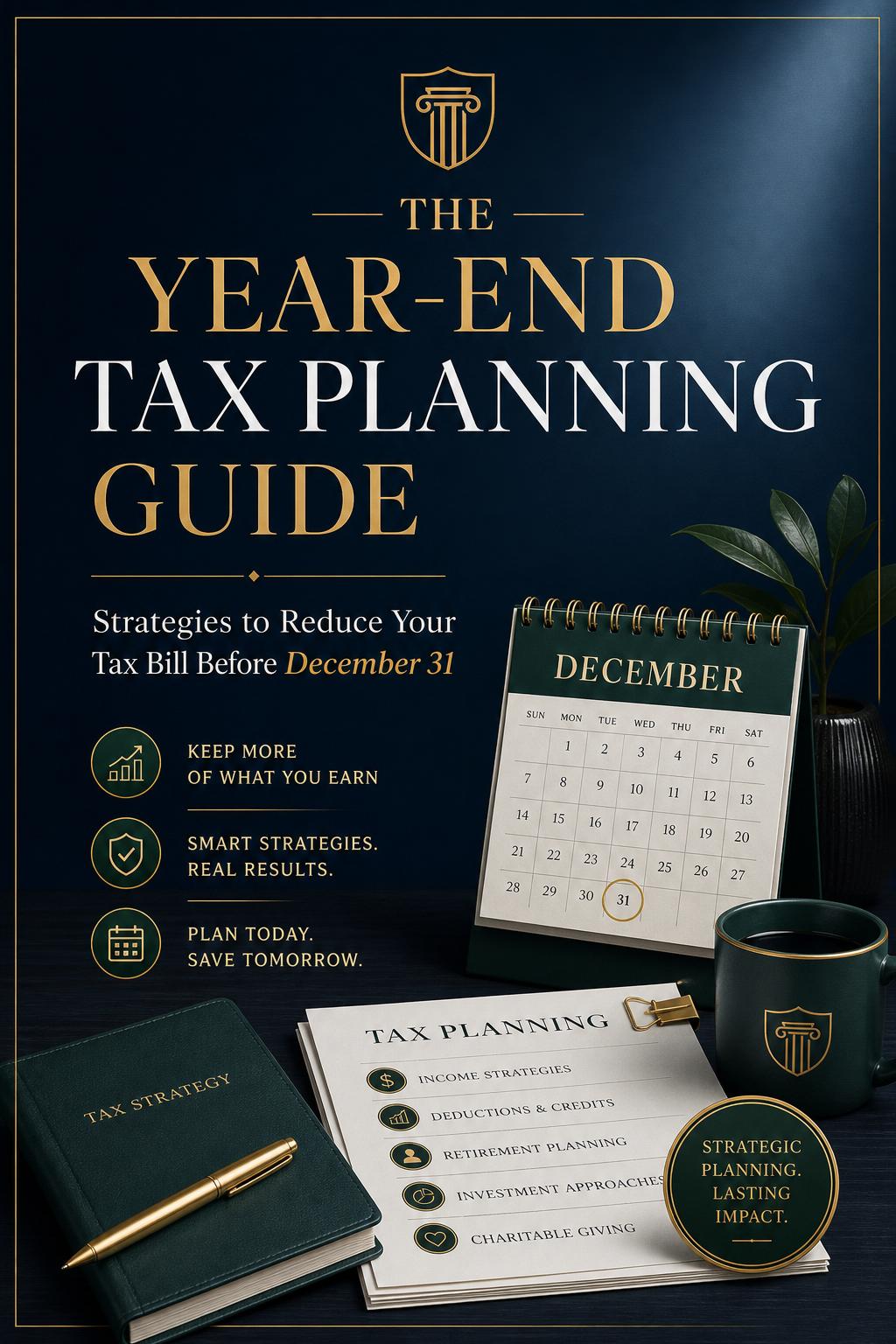
The Year-End Tax Planning Guide
The CPA's December playbook — practical strategies to reduce your tax bill before the year closes.
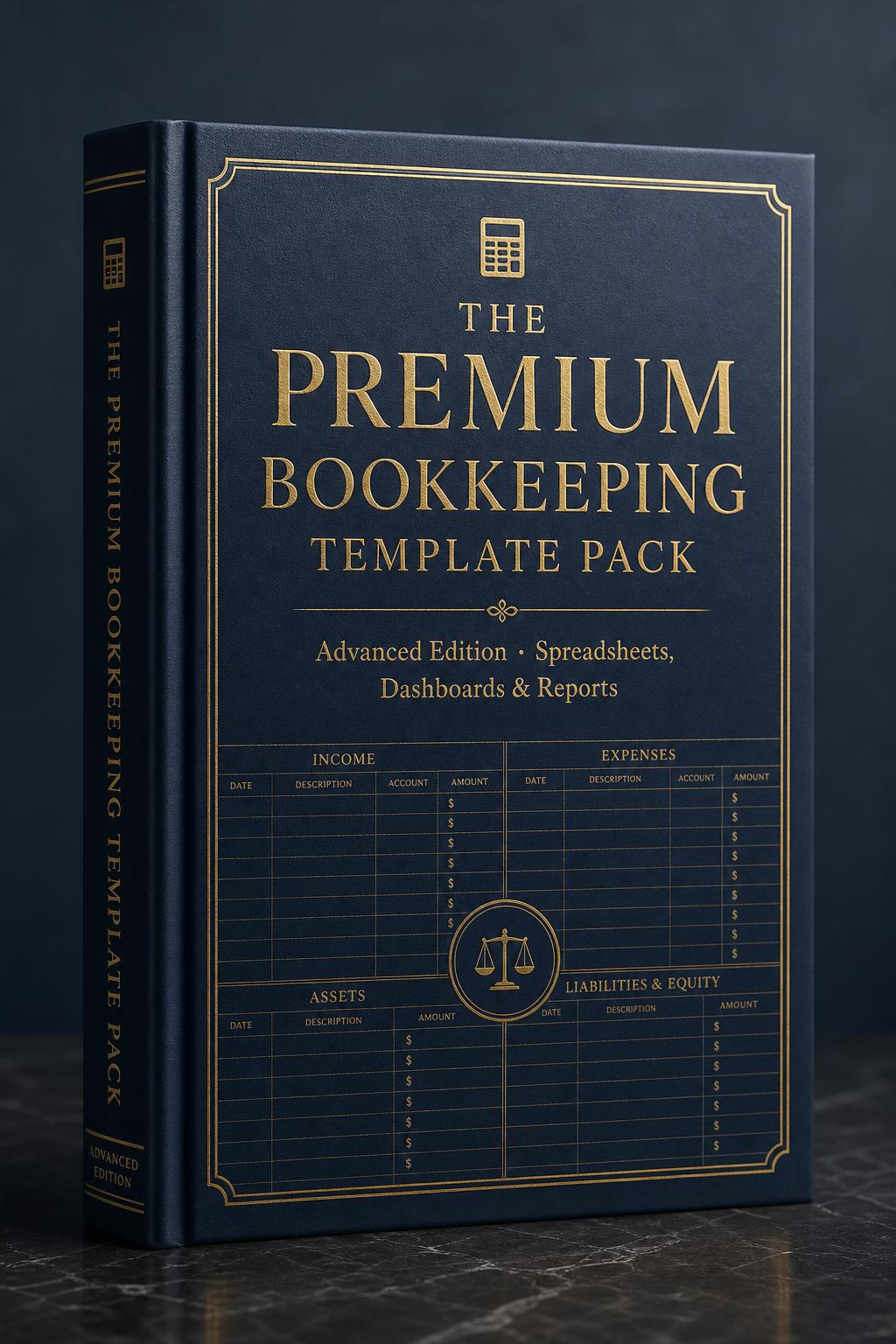
The Premium Bookkeeping Template Pack
Automated dashboards, multi-account reconciliations, and CPA-ready reporting workbooks for serious owners and bookkeepers.
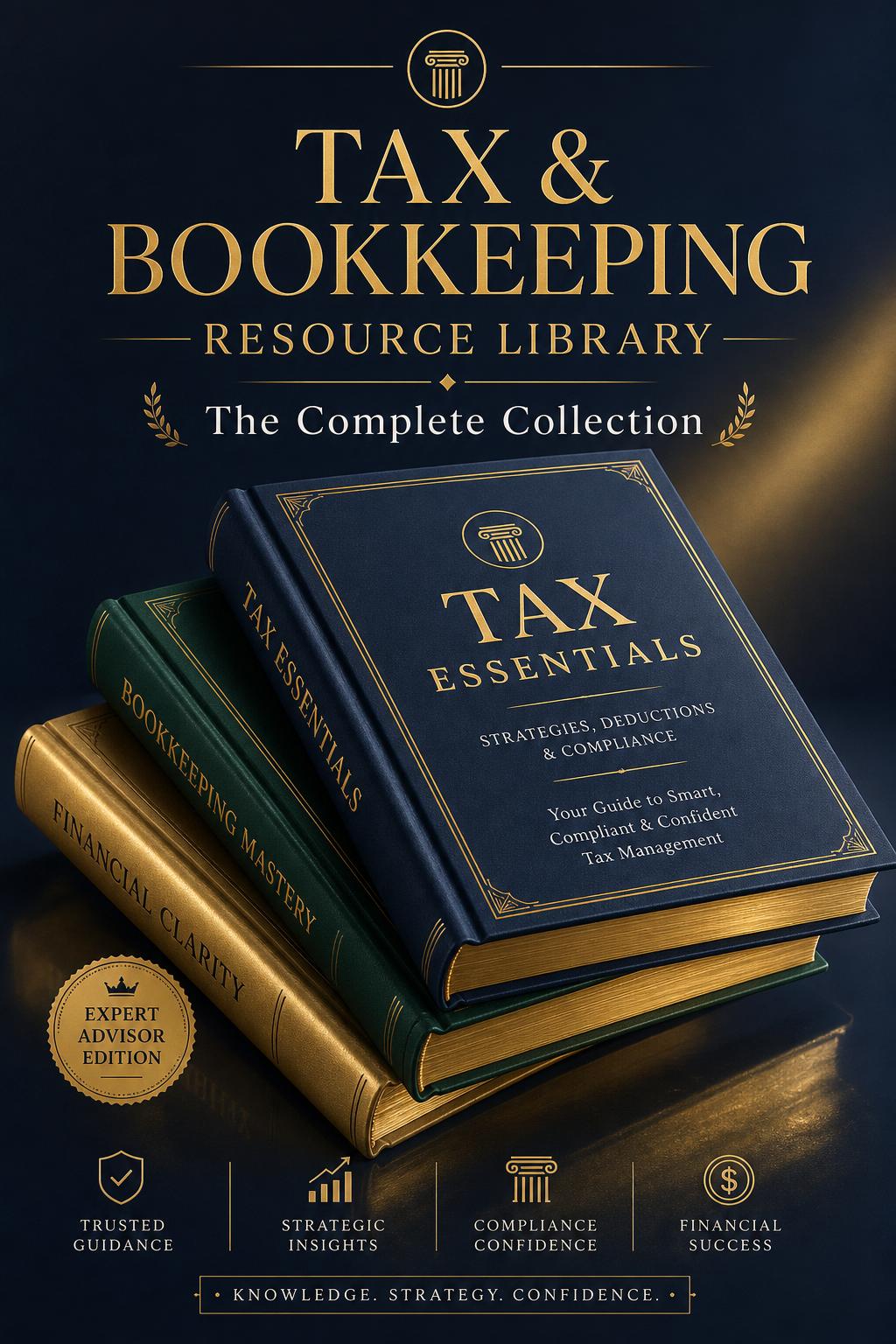
Tax & Bookkeeping Resource Library
Our complete advisor-grade collection — every premium asset an owner needs to run clean books, lower taxes, and recover messy ledgers, in one bundle.