Bookkeeping · Payroll
Do bookkeepers do payroll?
Short answer: yes. Most modern bookkeeping firms run payroll, file payroll taxes, and issue W-2s and 1099s at year-end — either in-house or through a partner platform like Gusto, QuickBooks Online Payroll, or ADP Run. Here's exactly what's included, what usually costs extra, and when you should use a CPA, payroll company, or PEO instead.
Quick answer
- Yes — most bookkeeping firms run payroll for their clients, either in-house or through Gusto, QuickBooks Payroll, or ADP Run.
- Typical scope: pay runs, direct deposit, payroll tax withholding and deposits, quarterly 941s, annual 940, and year-end W-2 / 1099 filings.
- Bundled bookkeeping + payroll pricing usually runs $300–$1,800 per month for a 1–25 employee business.
- What's usually NOT included: HR advisory, benefits administration, workers comp brokering, or multi-state nexus tax planning.
Standard scope
What a bookkeeper actually does on payroll
Pay run processing
Hours imported from time tracking, gross-to-net calculations, direct deposit funded, paystubs issued each cycle.
Payroll tax deposits
Federal 941, FUTA, state withholding, and SUTA deposits made on the correct schedule (semi-weekly, monthly, or quarterly).
Quarterly & annual filings
Form 941 each quarter, Form 940 annually, plus state equivalents — filed and reconciled to the GL.
W-2 and 1099 year-end
W-2s to employees and W-3 to SSA by January 31. 1099-NEC to contractors paid $600+, with copies filed to the IRS.
New hire reporting
State new-hire reports filed within the 20-day window (or whatever your state requires) so child-support enforcement and unemployment systems stay current.
GL integration
Payroll entries (wages, ER taxes, withholdings, net pay) auto-posted to your bookkeeping system so the books always tie to the payroll register.
What's usually NOT bundled
Where you'll need someone else
- HR policy writing, employee handbooks, or labor-law compliance advice
- Health insurance, 401(k), or other benefits brokering
- Workers comp policy placement (though they will run the payroll-based audit)
- Multi-state nexus analysis when you hire across state lines
- Garnishment intake and ongoing court correspondence
- Employee disputes, terminations, or unemployment claim hearings
For HR, benefits, and workers comp, most small businesses pair their bookkeeper with an HR consultant, an insurance broker, or move to a PEO once headcount crosses ~10 employees. A good bookkeeper will tell you when you've outgrown the bundle.
Pricing
What bookkeeping + payroll actually costs
| Engagement | Typical price | What's included |
|---|---|---|
| Bookkeeping only | $200–$1,500/mo | Monthly close, bank rec, financial statements. No payroll. |
| Bookkeeping + Payroll (1–10 EEs) | $400–$900/mo | Everything above plus weekly or biweekly payroll, tax filings, W-2s. |
| Bookkeeping + Payroll (11–25 EEs) | $700–$1,800/mo | Same scope with higher per-employee payroll fees and more frequent reconciliations. |
| Bookkeeping + Payroll + PEO | $2,000+/mo | Bookkeeper-managed PEO arrangement — benefits, workers comp, and HR included via the PEO. |
Ranges reflect 2026 market rates for U.S. small businesses with 1–25 employees. Higher transaction volume, accrual accounting, or multi-state payroll push the high end.
Compare options
Bookkeeper vs. CPA vs. payroll company vs. PEO
| Provider | Runs payroll? | Files taxes? | Tax advice | Best for |
|---|---|---|---|---|
| Bookkeeper | Yes — most modern firms | Files 941, 940, W-2, 1099 | Limited; refers complex issues to CPA | Small businesses wanting one vendor for books + payroll |
| CPA firm | Often — especially CAS firms | Yes, plus year-end income tax return | Full tax planning and entity advice | Businesses that want tax-integrated payroll |
| Payroll company (Gusto, ADP) | Yes — primary service | Files all payroll taxes | Software-driven, not personalized | DIY operators comfortable running it themselves |
| PEO (Justworks, Rippling PEO) | Yes, under PEO FEIN | Files everything under PEO | HR, benefits, workers comp included | Growing teams that want benefits without a broker |
How it works
The bookkeeper-run payroll workflow
- 1
1. Onboarding
Collect EIN, state IDs, prior payroll history, employee I-9s/W-4s, direct deposit info, and prior-quarter 941s. Set up the payroll platform (Gusto, QBO Payroll, ADP, etc.).
- 2
2. Each pay run
Bookkeeper imports hours from a time tracking tool (or you enter salaried + variable), reviews gross-to-net, funds the run, releases pay stubs and direct deposits.
- 3
3. Tax deposits
Payroll platform schedules federal and state tax deposits automatically; bookkeeper reviews and reconciles to bank withdrawals.
- 4
4. Monthly close
Payroll journal entries auto-post to the GL. Bookkeeper reconciles payroll-clearing accounts, ties wages to 941, and verifies ER tax expense lines.
- 5
5. Quarter end
941 filed for the quarter; state withholding and SUTA returns filed. Bookkeeper compares filings to GL wages.
- 6
6. Year end
W-2s issued to employees, W-3 to SSA, 1099-NECs to contractors. Annual 940 filed. Books closed and handed to the tax preparer.
Edge cases
When a bookkeeper isn't the right payroll fit
- You're growing past 25–50 employees. A PEO or in-house HR / payroll specialist scales better than a bookkeeper-managed payroll.
- You operate in 6+ states. Multi-state nexus and unemployment compliance gets specialized fast; a PEO or dedicated multi-state payroll provider is usually cleaner.
- You need certified payroll (construction, government contracts). Davis-Bacon and prevailing-wage filings require a payroll provider with that specific module.
- You have union payroll. Multi-employer pension contributions, fringe benefit calculations, and union dues require union-aware payroll software.
- You want bundled benefits (health, 401k, workers comp). A PEO bundles all three. A bookkeeper can integrate them, but you'll still need separate brokers.
Vetting
Questions to ask a bookkeeper about payroll
- Do you run payroll in-house or through a partner platform like Gusto or ADP?
- What is your per-employee per-month payroll fee, and what's bundled in the monthly bookkeeping retainer?
- Who is responsible if a 941 is filed late — you or me?
- Do you handle multi-state payroll if I hire a remote employee in another state?
- How do you reconcile payroll to the GL — auto-posted journal entry or manual?
- Do you handle 1099-NEC issuance at year-end, and is that an extra fee?
- What happens if I get an IRS payroll notice — do you respond on my behalf?
- Can you also handle workers comp audits and 401(k) data feeds?
FAQ
Bookkeepers, payroll, and the boundary in between
Do bookkeepers do payroll?+
Yes. Most modern bookkeeping firms either run payroll directly using software like Gusto, QuickBooks Online Payroll, ADP Run, or Patriot — or they manage your existing payroll account on your behalf. Pay runs, tax deposits, quarterly 941s, and year-end W-2 / 1099 issuance are all standard.
Can a bookkeeper file payroll taxes?+
Yes. A bookkeeper acting as your payroll provider files Form 941 quarterly, Form 940 annually, state withholding and unemployment returns, and issues W-2s and 1099s at year end. They sign as the third-party preparer or authorize the payroll platform to e-file on the business's behalf.
Is it cheaper to bundle bookkeeping and payroll with one provider?+
Almost always. A bundled bookkeeping + payroll engagement for a 1–10 employee business typically runs $400–$900/month total. Running them separately (a bookkeeper at $300–$500 plus a payroll company at $150–$300) usually costs more and creates reconciliation overhead because payroll wages have to be re-keyed into the books each month.
Do I need a CPA to run payroll instead of a bookkeeper?+
No — payroll itself does not require a CPA license. The IRS only requires that whoever files your 941 has either a PTIN or is authorized as a third-party designee. A bookkeeper, an Enrolled Agent, or a payroll-company employee can all legally process payroll. The benefit of a CPA-run payroll is tax integration: the same firm preparing your year-end return is the one closing your payroll books.
What if I have employees in multiple states?+
Multi-state payroll adds complexity — you'll need state withholding accounts and unemployment accounts in each state where an employee lives or works. Most bookkeepers can handle 2–5 state payrolls easily; beyond that, ask specifically about their multi-state experience and whether nexus tax registration is included or billed separately.
Will my bookkeeper handle 1099-NEC filings?+
Most will. Bookkeepers typically collect W-9s from contractors during the year, track payments by vendor in the GL, and issue 1099-NECs to anyone paid $600+ by the January 31 deadline. Some firms include this in the monthly retainer; others charge a flat year-end fee ($75–$300 depending on contractor count).
Can a bookkeeper handle benefits and 401(k)?+
They can connect benefits and 401(k) deductions into the payroll run and reconcile contributions to provider statements, but they typically don't broker the policies themselves. For benefits placement you'll work with an insurance broker or a PEO. Once the plan is live, the bookkeeper handles the payroll-side mechanics.
What's the difference between a bookkeeper running payroll and using a PEO?+
A bookkeeper runs payroll under your company's own EIN — you control the policies and shop your own benefits. A PEO (Professional Employer Organization) employs your workers under the PEO's EIN, bundles benefits / workers comp / HR, and files payroll taxes under the PEO. PEOs are easier for benefits but more expensive (~$100–$200/EE/month) and reduce your control.
Do bookkeepers handle workers' comp?+
They don't sell the policy, but they run the payroll classifications correctly so the annual workers' comp audit goes smoothly. They'll also produce the wage reports the auditor requests. Some bookkeepers integrate with pay-as-you-go workers comp providers (Hourly, NEXT) that pull live payroll data so you never get a surprise audit bill.
How do I switch from a payroll company to a bookkeeper-run payroll?+
Mid-quarter switches are doable but messy because year-to-date wages need to migrate cleanly. The cleanest cutover is January 1 — your prior provider files Q4 and year-end W-2s, and your new bookkeeper starts fresh on Jan 1. If you must switch mid-year, your bookkeeper imports year-to-date earnings, taxes, and deductions per employee so W-2s are correct at year end.
General information; not professional advice. Confirm scope and pricing with a licensed provider.
Related
Browse bundled providers and payroll directories
Advisor-grade guides
Downloadable ebooks & templates
CPA-ready playbooks and templates you can use today — instant downloads, no signup required.
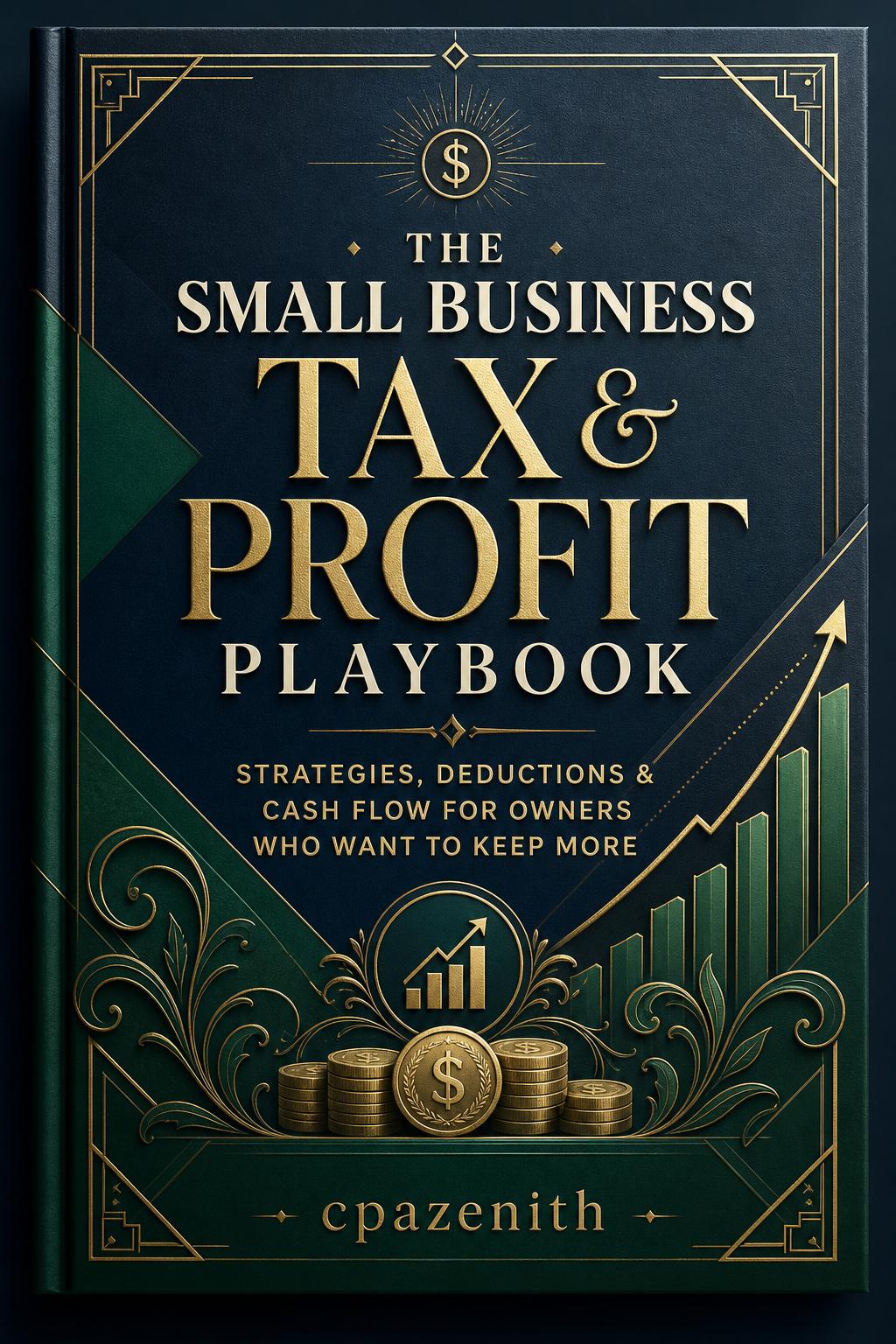
The Small Business Tax & Profit Playbook
A CPA-ready guide to deductions, quarterly taxes, S-Corp strategy, owner pay, cash flow, and year-round tax planning.
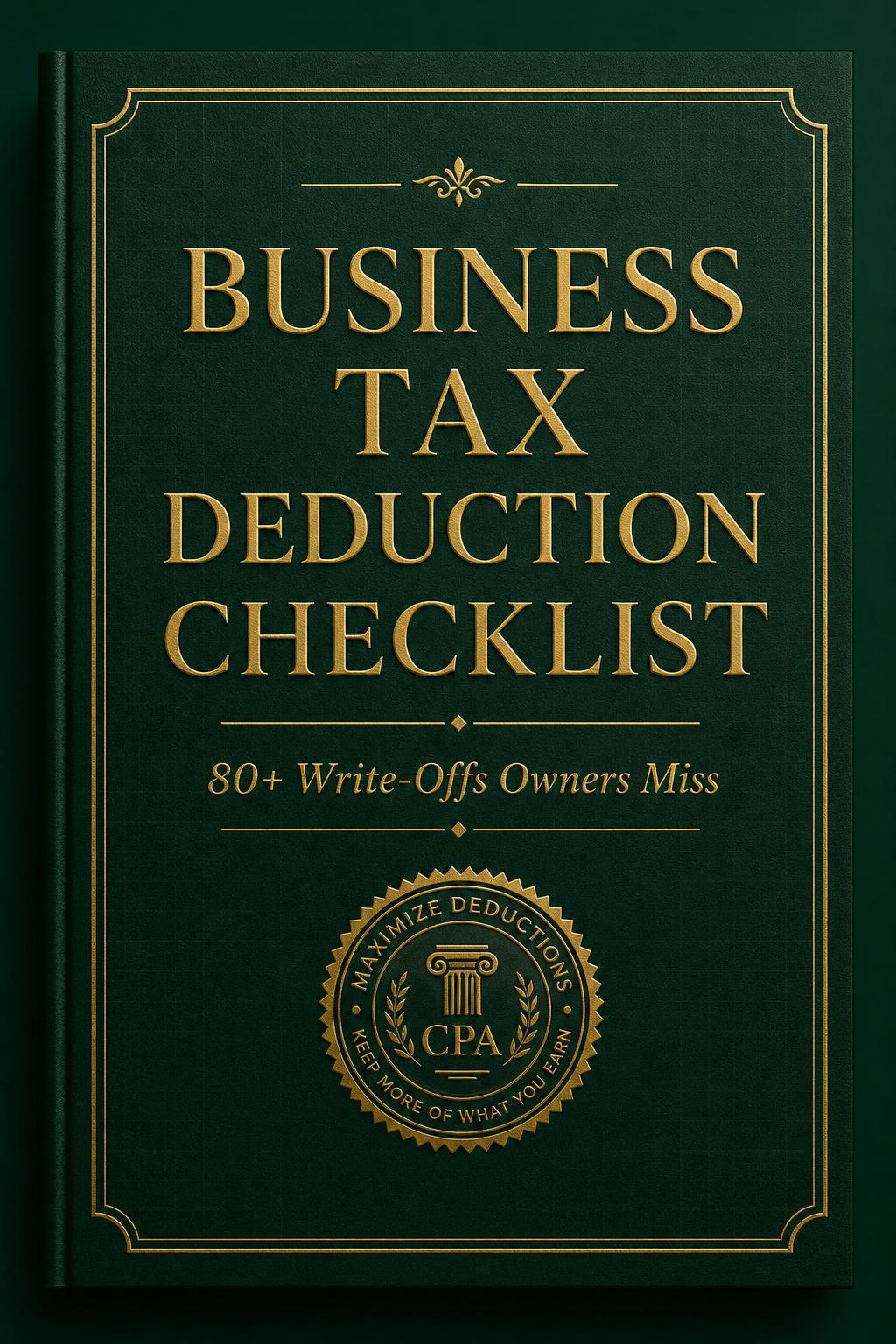
Business Tax Deduction Checklist
A CPA-curated checklist of 80+ business deductions most owners miss — organized by category so you can sweep it before filing.
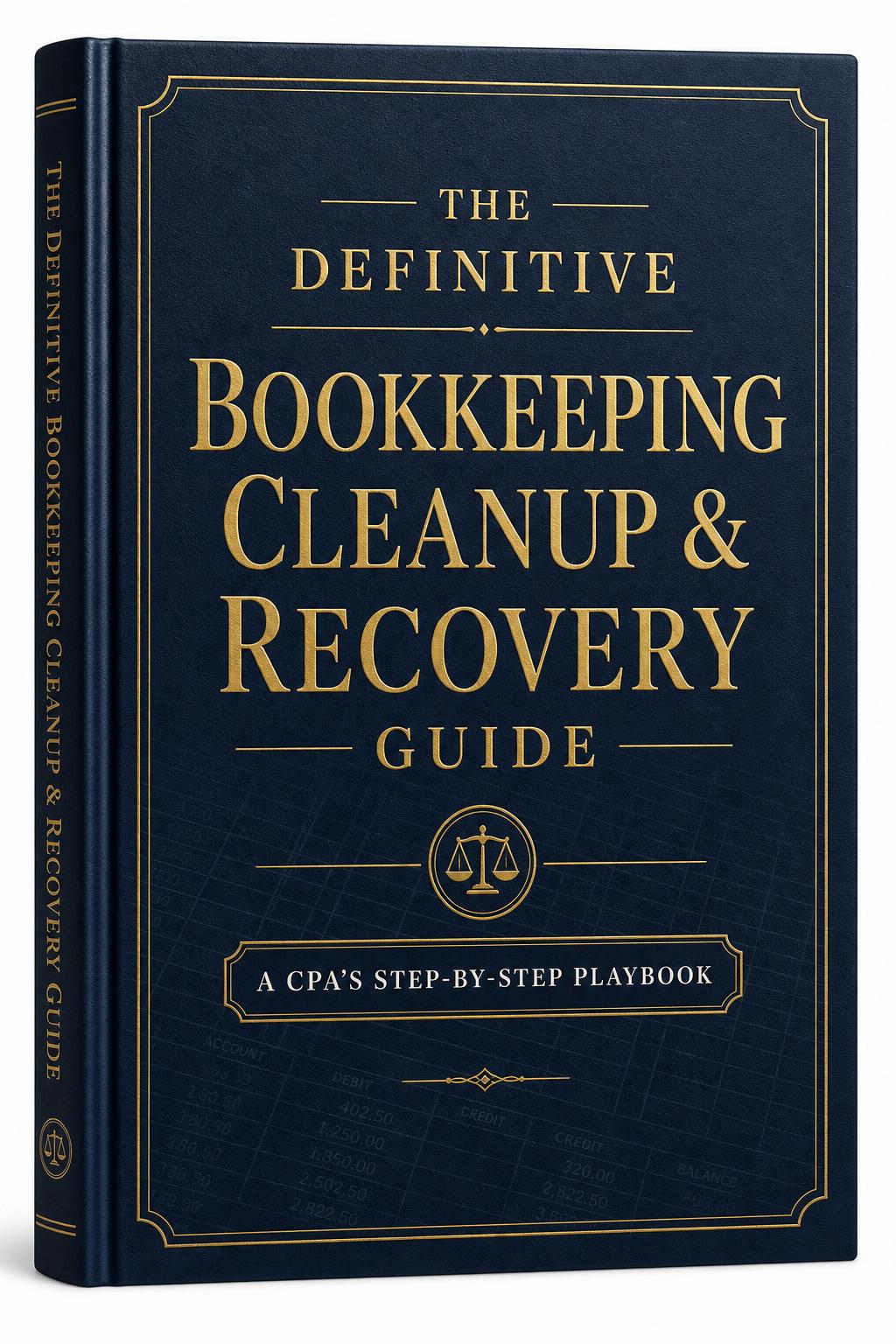
The Definitive Bookkeeping Cleanup & Recovery Guide
The CPA's step-by-step playbook for diagnosing messy books, reconstructing missing history, and restoring a clean, audit-ready ledger.

The Freelancer Tax Guide
The practical tax playbook for freelancers, contractors, and solo creatives — deductions, quarterly estimates, and self-employment strategies.

The Year-End Tax Planning Guide
The CPA's December playbook — practical strategies to reduce your tax bill before the year closes.
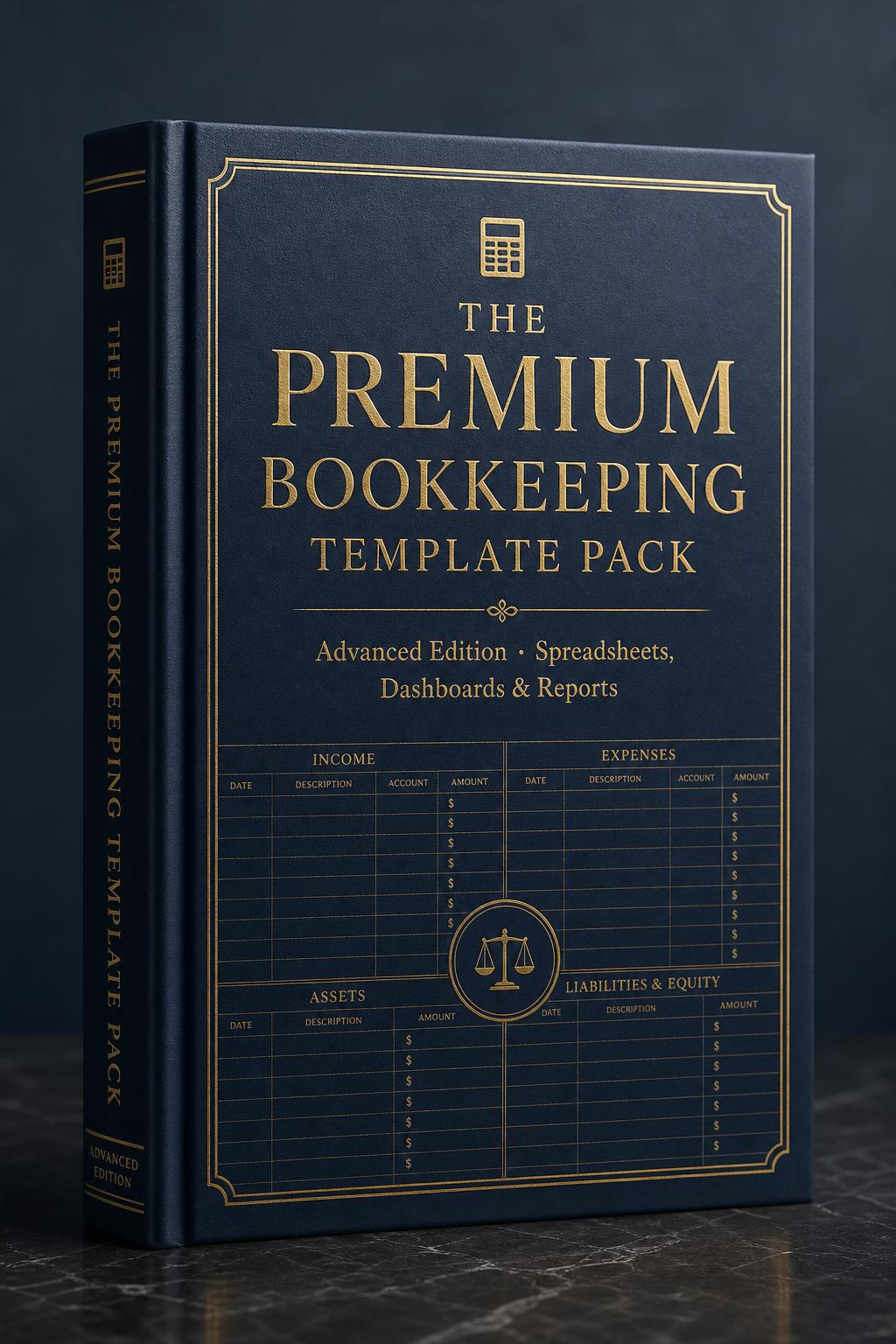
The Premium Bookkeeping Template Pack
Automated dashboards, multi-account reconciliations, and CPA-ready reporting workbooks for serious owners and bookkeepers.

Tax & Bookkeeping Resource Library
Our complete advisor-grade collection — every premium asset an owner needs to run clean books, lower taxes, and recover messy ledgers, in one bundle.