E-commerce CFO Dashboard
Revenue isn't profit and platform ROAS isn't your ROAS. Enter one period's totals and this builds the real P&L waterfall — after fees, returns, fulfillment, ads, COGS and overhead — plus the ROAS and CAC you actually need to beat.
Net revenue
$90,400.00
AOV $38.71
Gross profit
$37,700.00
COGS $52,700.00
Contribution profit
-$8,600.00
-$2.26/unit
Operating profit
-$24,000.00
-26.5% margin
Blended ROAS
2.92
break-even 5.87
Marketing efficiency (MER)
3.77
Blended CAC
$11.43
break-even $4.97
New-customer share
68%
Revenue needed for a 15% operating margin at today's cost ratios: not reachable — contribution margin is below the target
Units needed to cover fixed overhead + ad spend + owner comp: n/a — per-unit contribution is not positive
Margin before ads: 17.0% · contribution/order: -$2.77
These are estimates. Want real numbers from a real CPA?
Real fee benchmarks for tax prep, bookkeeping, payroll, and advisory — by service and business type.
How it works
- Enter the period's totals: gross sales and every deduction (discounts, returns, marketplace + payment fees, fulfillment, FBA, packaging), plus orders, units, and customer counts.
- Add each product's landed unit cost and units sold — that's COGS.
- Add ad spend and attributed revenue per channel; enter the platform-reported ROAS if you have it.
- Net revenue = gross − discounts/returns/chargebacks/cancellations − marketplace/payment fees. Contribution profit then subtracts fulfillment, packaging and ad spend; operating profit subtracts fixed overhead.
- Break-even ROAS = 100 ÷ margin-before-ads %. Break-even CAC = contribution per order before ads.
Assumptions
- One period at a time, entered as aggregate totals (not per-order).
- COGS is unit cost × units sold from the product list; no landed-cost allocation or inventory reconciliation in this view.
- Owner compensation is tracked separately and not deducted before operating profit.
- Customer-mix estimates assume similar average order value for new vs. returning buyers.
- Nothing is saved — reloading resets to the sample data.
Frequently asked questions
Related
This tool provides estimates for general planning only and is not tax, legal, or accounting advice. Verify with a licensed CPA for your specific situation.
Get more than a number
Talk to a verified CPA next
Free matching
Get 3 free CPA quotes
Tell us what you need. Up to 3 verified CPAs reply within 1 business day. No fees, no pressure.
Request 3 quotesSide-by-side
Compare CPAs
Stack verified pros next to each other on pricing, specialties, and experience before you reach out.
Compare CPAsFree PDF
2026 CPA Pricing Guide
Real fee benchmarks for tax prep, bookkeeping, payroll, and advisory — by service and business type.
Download free guideAdvisor-grade guides
Downloadable ebooks & templates
CPA-ready playbooks and templates you can use today — instant downloads, no signup required.
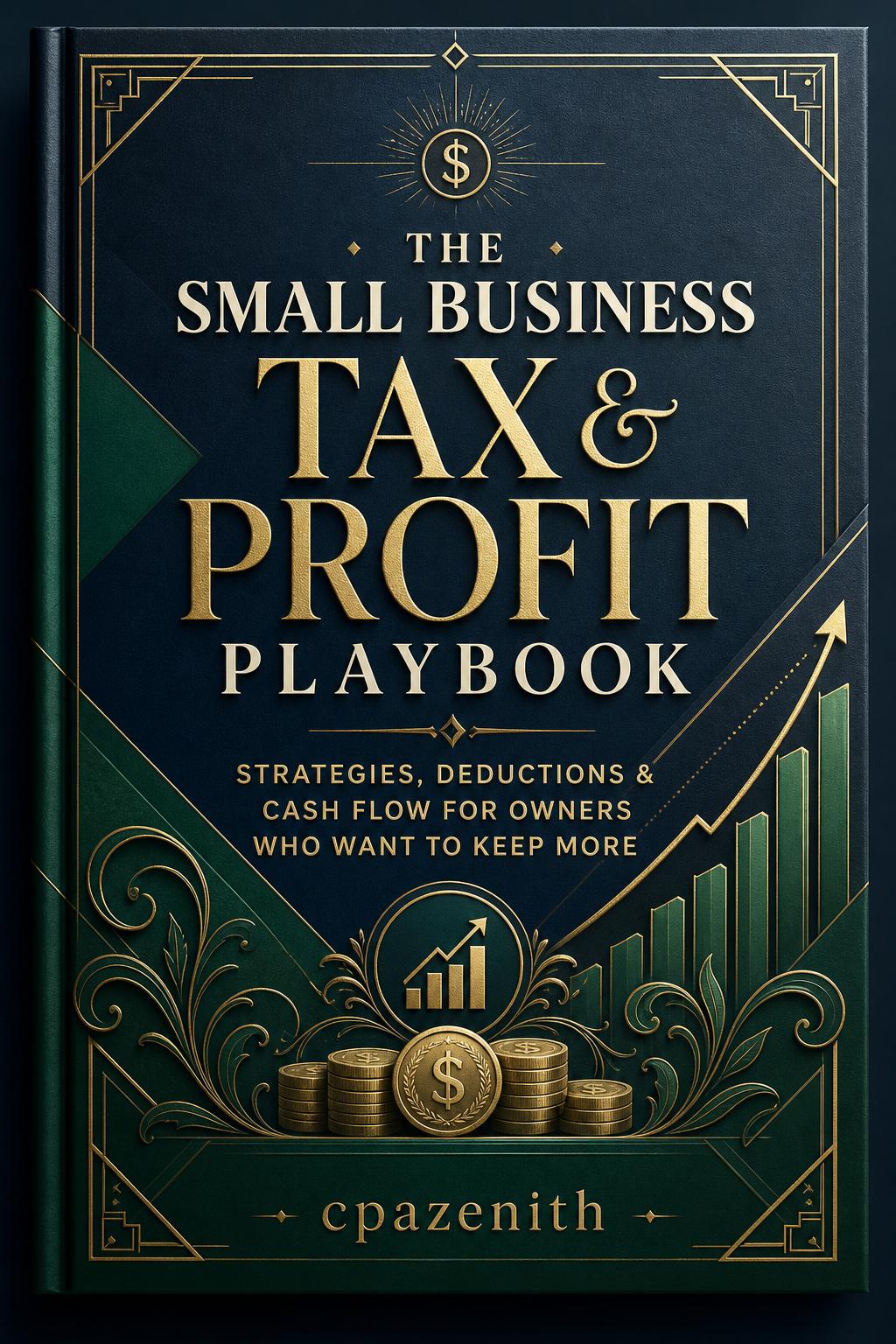
The Small Business Tax & Profit Playbook
A CPA-ready guide to deductions, quarterly taxes, S-Corp strategy, owner pay, cash flow, and year-round tax planning.
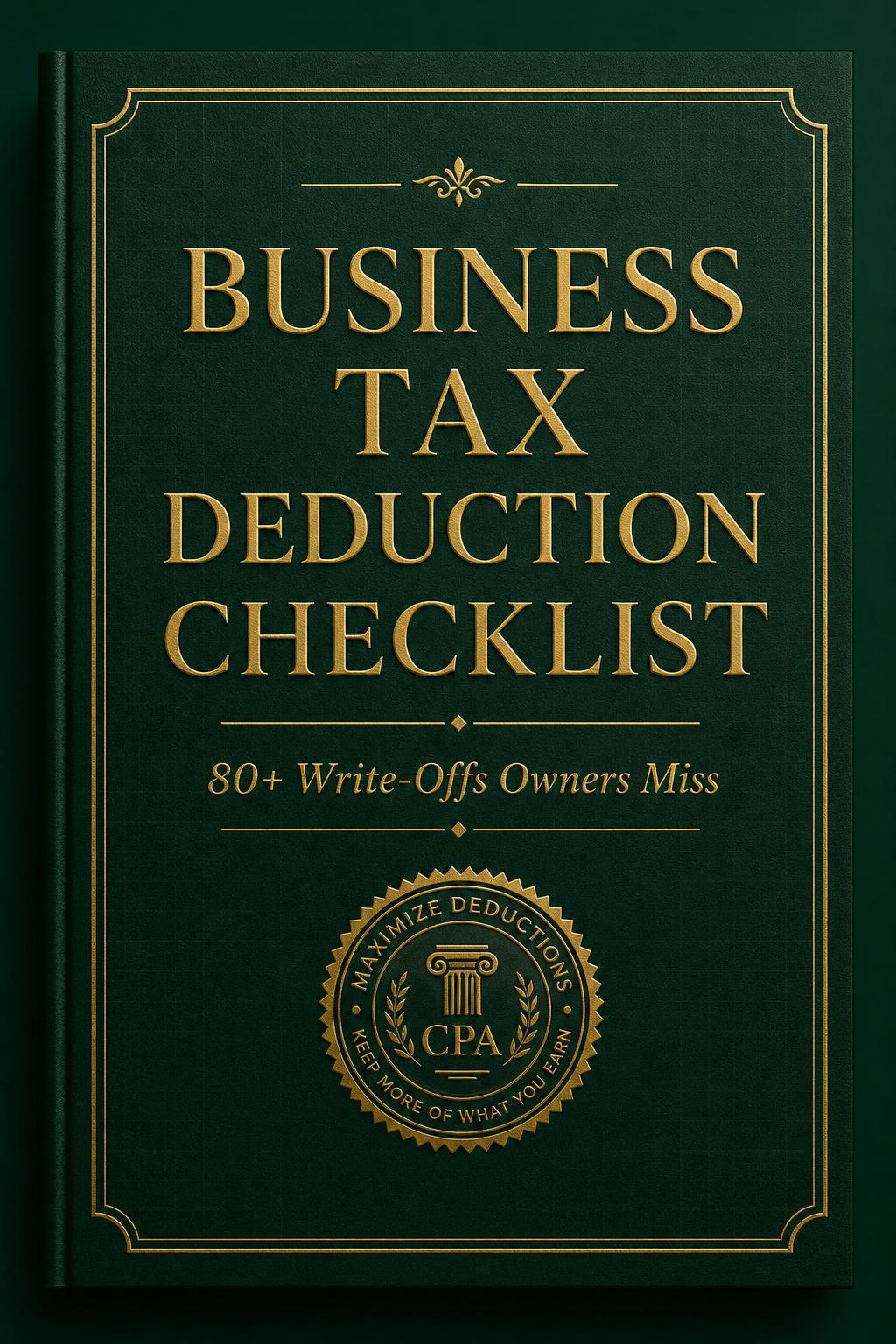
Business Tax Deduction Checklist
A CPA-curated checklist of 80+ business deductions most owners miss — organized by category so you can sweep it before filing.
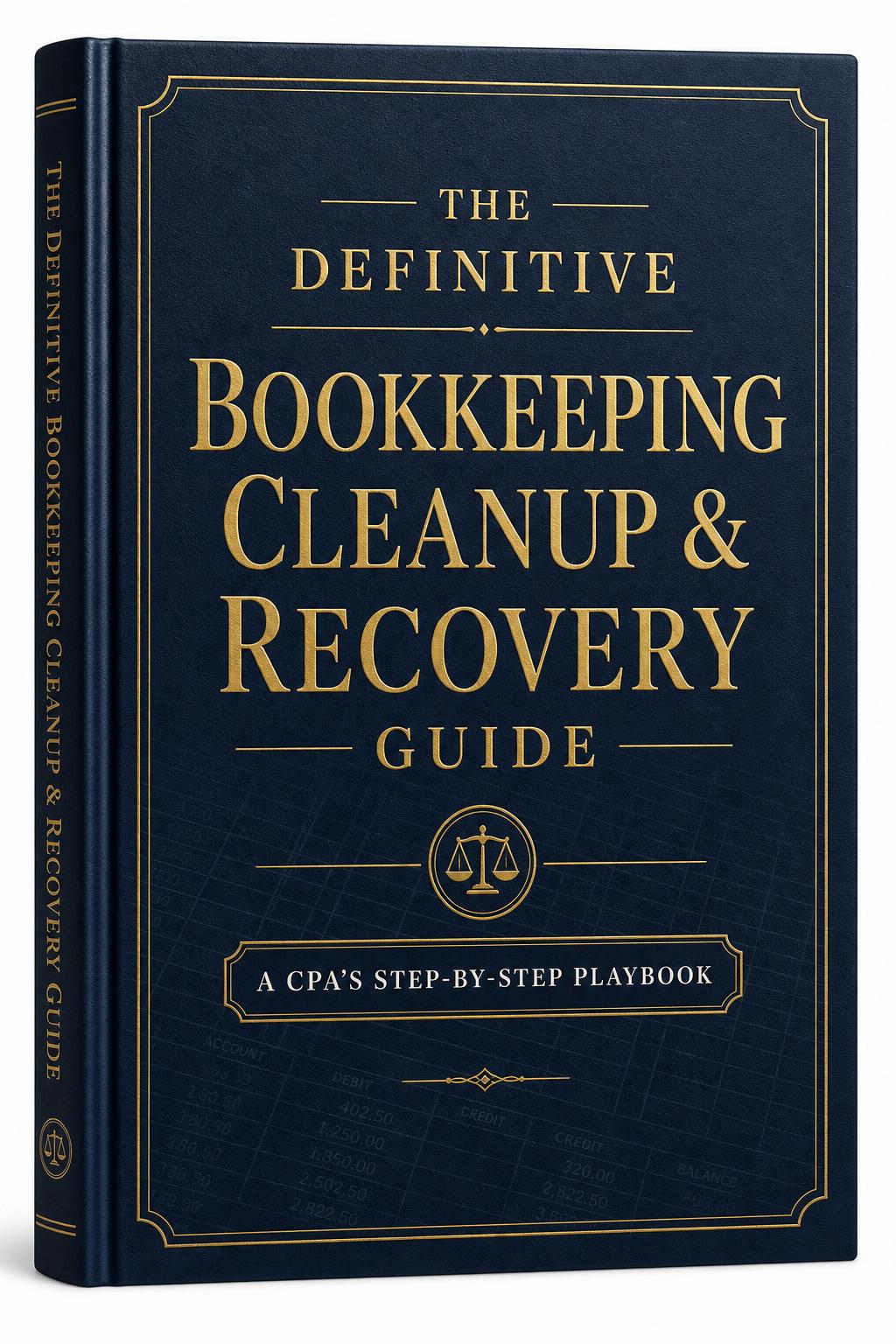
The Definitive Bookkeeping Cleanup & Recovery Guide
The CPA's step-by-step playbook for diagnosing messy books, reconstructing missing history, and restoring a clean, audit-ready ledger.
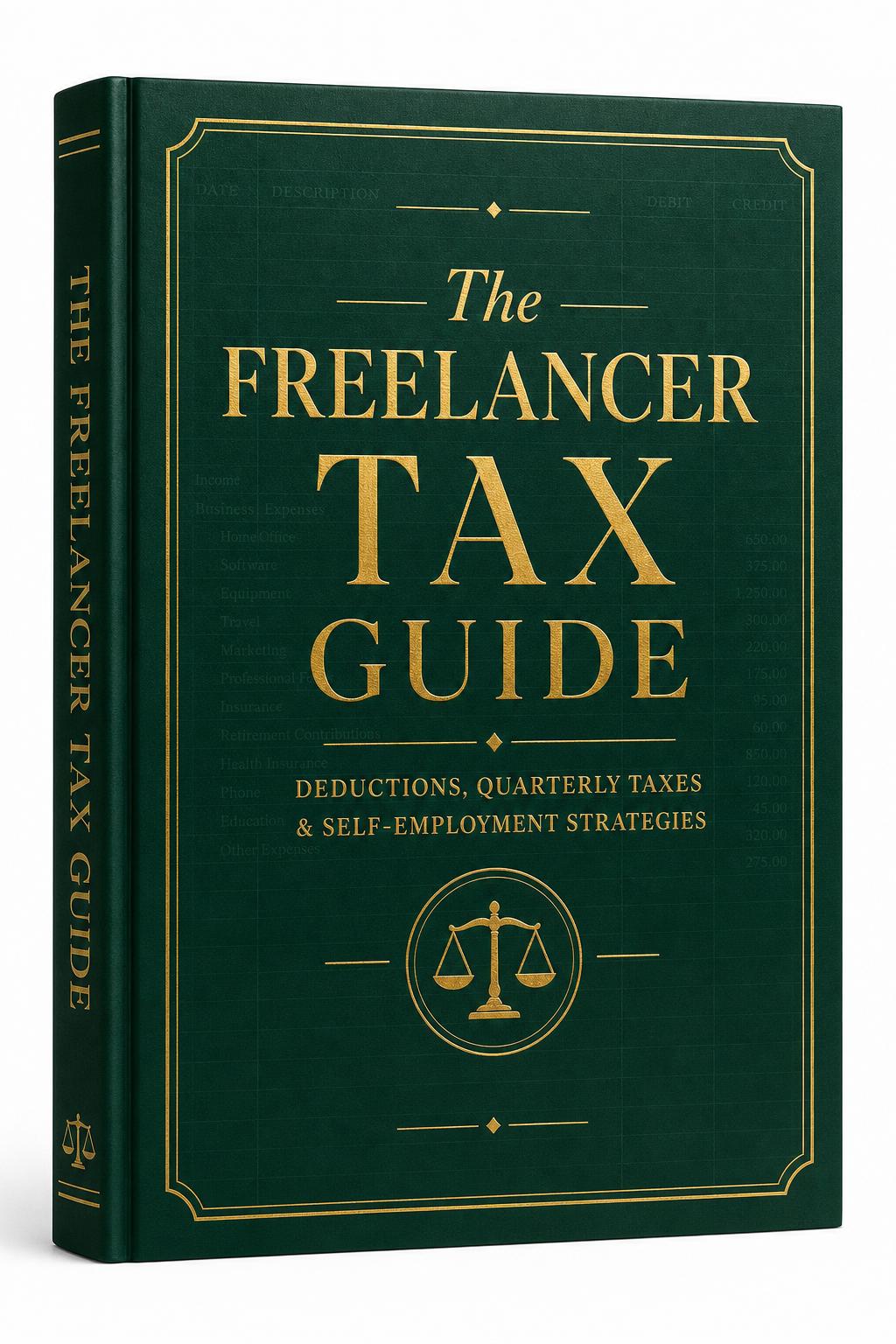
The Freelancer Tax Guide
The practical tax playbook for freelancers, contractors, and solo creatives — deductions, quarterly estimates, and self-employment strategies.
The Year-End Tax Planning Guide
The CPA's December playbook — practical strategies to reduce your tax bill before the year closes.
The Premium Bookkeeping Template Pack
Automated dashboards, multi-account reconciliations, and CPA-ready reporting workbooks for serious owners and bookkeepers.
Tax & Bookkeeping Resource Library
Our complete advisor-grade collection — every premium asset an owner needs to run clean books, lower taxes, and recover messy ledgers, in one bundle.