Side-by-side comparison
CPA vs Accountant: What's the Difference?
Hire a CPA when you need licensed assurance, IRS representation, or signed financial statements. Hire a non-CPA accountant for day-to-day bookkeeping, controller work, or general financial analysis where a license isn't required.
TL;DR
The short version
Choose CPA
Choose a CPA for tax filings, audits, attest work, and IRS representation.
Choose Accountant (non-CPA)
Choose a non-CPA accountant for internal accounting, controller roles, FP&A, and bookkeeping.
Use both
Most growing businesses use both — an in-house or outsourced accountant for day-to-day, and a CPA firm at quarter / year end.
At a glance
CPA vs Accountant (non-CPA)
| Factor | CPA | Accountant (non-CPA) |
|---|---|---|
| License & oversight | State-licensed by the Board of Accountancy; subject to AICPA ethics + peer review | No license required; no state regulator |
| Typical education | 150 credit hours + bachelor's; passed all 4 CPA exam sections | Bachelor's in accounting or finance is typical (not required) |
| Continuing education | Roughly 40 CPE hours/year (varies by state) | Not required |
| Can sign audit / review reports | Yes — only CPAs can issue attest reports | No |
| Can represent you before the IRS | Yes, in all matters | No (unless they're also an EA or attorney) |
| Typical fees | $200–$600+/hour; flat fees for returns | $25–$90/hour for bookkeepers; $80–$200/hour for senior accountants |
| Best for | Tax filings, audits, IRS representation, complex planning | Day-to-day accounting, monthly close, controller / FP&A work |
CPA in depth
- Holds an active CPA license from a U.S. state board — verify it on the state's lookup tool
- Carries professional liability (E&O) insurance, often required by the state
- Bound by AICPA Code of Professional Conduct and state ethics rules
- Can sign audited, reviewed, and compiled financial statements that banks, investors, and grantors trust
- Has unlimited IRS practice rights (Circular 230) — represents you in audits, appeals, and tax court
Accountant (non-CPA) in depth
- Often a bookkeeper, staff accountant, controller, or CFO without licensure
- Handles AP/AR, payroll posting, monthly close, budgets, and management reporting
- Can prepare internal financial statements but cannot issue them as assurance to third parties
- Cannot sign your tax return as a paid preparer unless they hold a PTIN — and even then, can't represent you in an audit
- Strong choice for an internal or outsourced finance team where you already have a CPA firm of record
How to decide
- Identify the deliverable: tax return, audit, signed financials, or operational accounting?
- If a third party (IRS, bank, investor, grantor) needs to rely on the work, hire a CPA.
- If the work is internal (close the books, forecast cash, run payroll), a non-CPA accountant is usually enough.
- Verify any CPA's license number on the state Board of Accountancy site before signing an engagement letter.
- Pair the two: outsource your monthly close to an accountant or bookkeeper, then use a CPA firm for tax and assurance.
How most teams hire both
- Bookkeeper or staff accountant categorizes transactions and reconciles bank/credit accounts monthly
- Controller or fractional CFO closes the books and produces management reports
- CPA firm reviews year-end trial balance, files federal and state returns, and handles IRS notices
- CPA firm performs any required audit, review, or compilation for lenders or investors
- Quarterly tax planning meeting between the CPA and the in-house team aligns estimates and entity strategy
Typical fees
What it costs
CPA hourly
$200–$600+
Accountant hourly
$25–$200
Notes
Outsourced bookkeeping packages typically run $300–$1,500/month. A small-business tax return prepared by a CPA usually runs $1,200–$5,000 depending on entity and complexity.
FAQ
CPA vs Accountant: What's the Difference? — common questions
Is every CPA an accountant?+
Yes. CPA (Certified Public Accountant) is a license layered on top of an accounting background. Every CPA must first qualify as an accountant — but only those who pass the CPA exam, meet state experience requirements, and keep up CPE earn the CPA designation.
Can a non-CPA accountant file my taxes?+
Anyone with an IRS Preparer Tax Identification Number (PTIN) can prepare a federal return for a fee. But non-CPA, non-EA, non-attorney preparers have only limited representation rights — they can't represent you in an audit or appeals. For anything beyond a simple return, hire a CPA or an Enrolled Agent.
Do I really need a CPA if my business is small?+
Not always. Under roughly $250K revenue with a single owner, a bookkeeper plus tax software (or a tax-only EA) is often sufficient. Once you elect S-corp, add a partner, hit multi-state revenue, or sell equity, the CPA becomes worth the cost.
How do I verify someone is actually a CPA?+
Every state Board of Accountancy publishes an online license lookup. Search by name or license number to confirm the license is active and in good standing. Reject anyone who refuses to share their license number.
What does 'CPA candidate' mean?+
Someone studying for the CPA exam who has not yet passed all four sections or met the experience requirement. They are not yet a CPA and cannot sign attest reports or claim the designation.
This information is general and does not constitute professional advice. Consult a licensed professional for guidance specific to your situation.
Related
Keep exploring
By city
Find the right pro near you
Take the next step
Pick the right fit for you
Free matching
Get 3 free CPA quotes
Tell us what you need. Up to 3 verified CPAs reply within 1 business day. No fees, no pressure.
Request 3 quotesSide-by-side
Compare CPAs
Stack verified pros next to each other on pricing, specialties, and experience before you reach out.
Compare CPAsFree PDF
2026 CPA Pricing Guide
Real fee benchmarks for tax prep, bookkeeping, payroll, and advisory — by service and business type.
Download free guideAdvisor-grade guides
Downloadable ebooks & templates
CPA-ready playbooks and templates you can use today — instant downloads, no signup required.
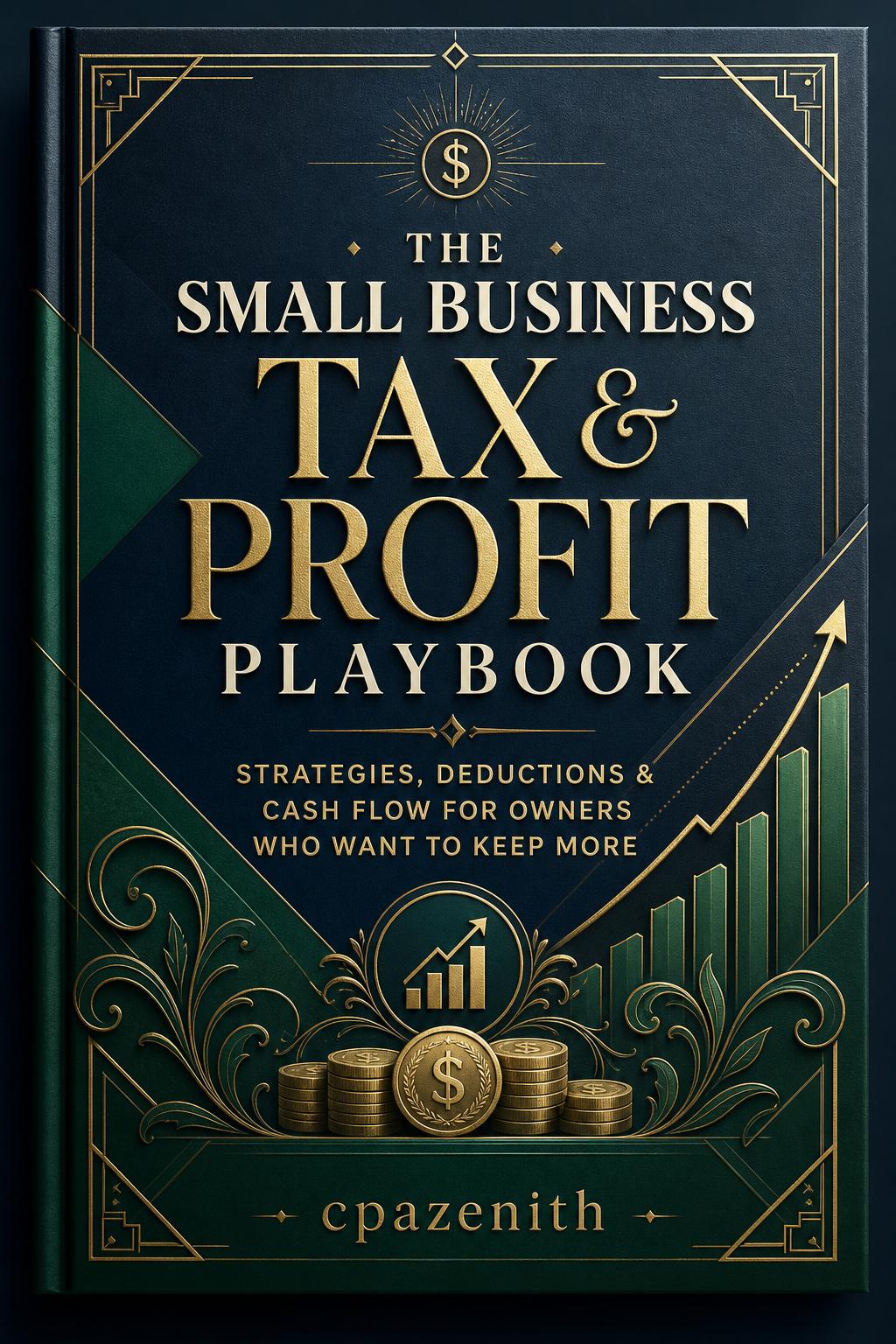
The Small Business Tax & Profit Playbook
A CPA-ready guide to deductions, quarterly taxes, S-Corp strategy, owner pay, cash flow, and year-round tax planning.
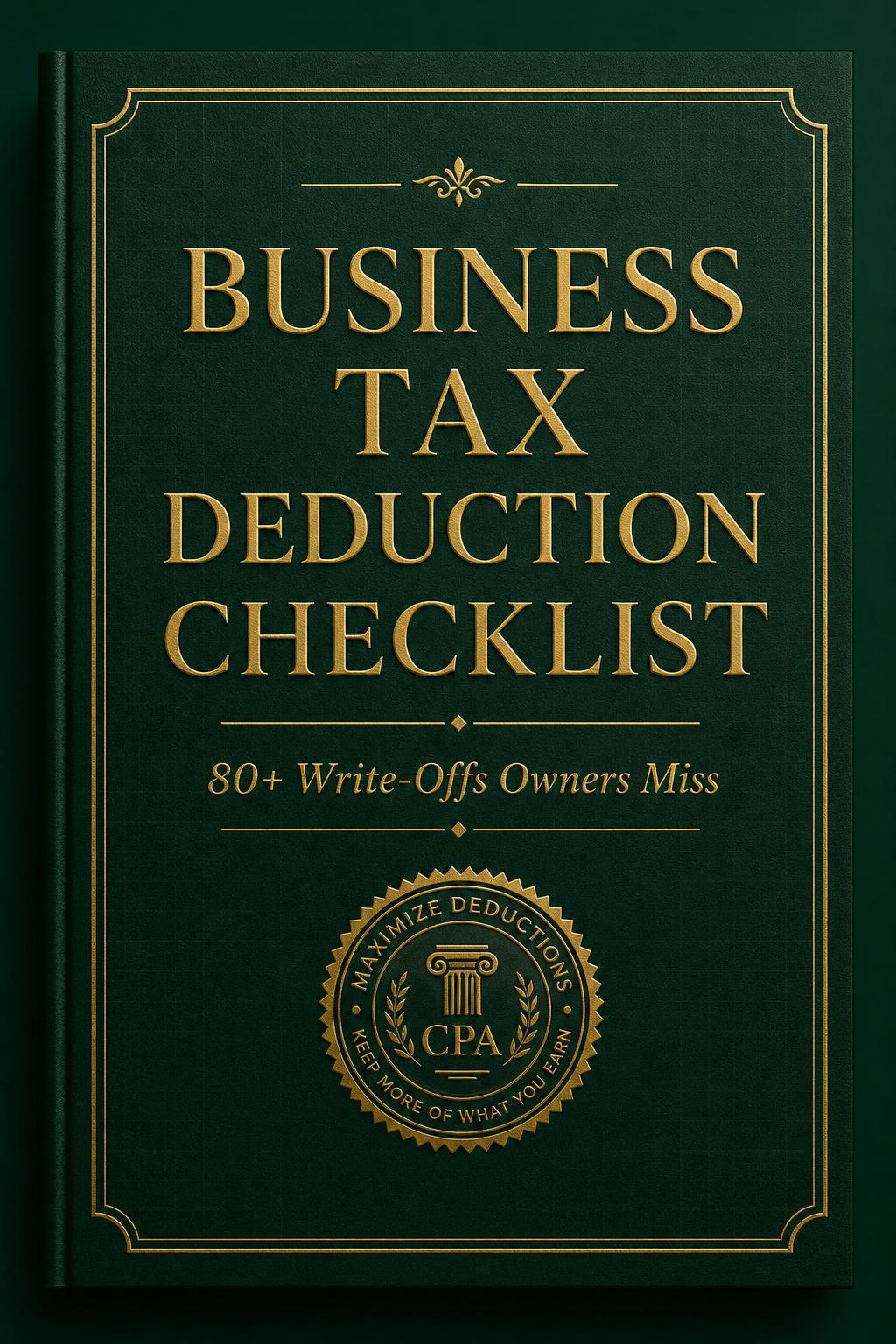
Business Tax Deduction Checklist
A CPA-curated checklist of 80+ business deductions most owners miss — organized by category so you can sweep it before filing.
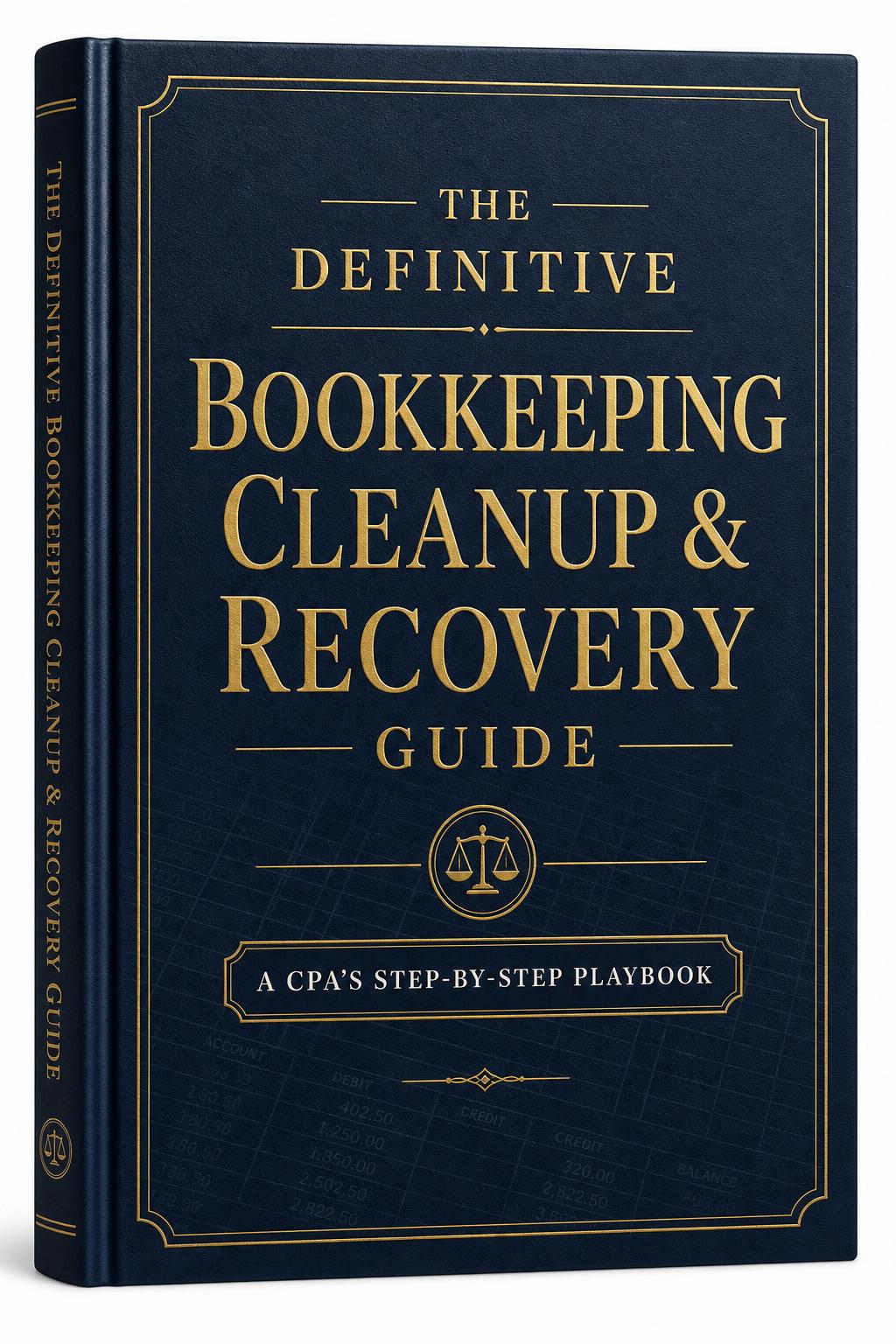
The Definitive Bookkeeping Cleanup & Recovery Guide
The CPA's step-by-step playbook for diagnosing messy books, reconstructing missing history, and restoring a clean, audit-ready ledger.
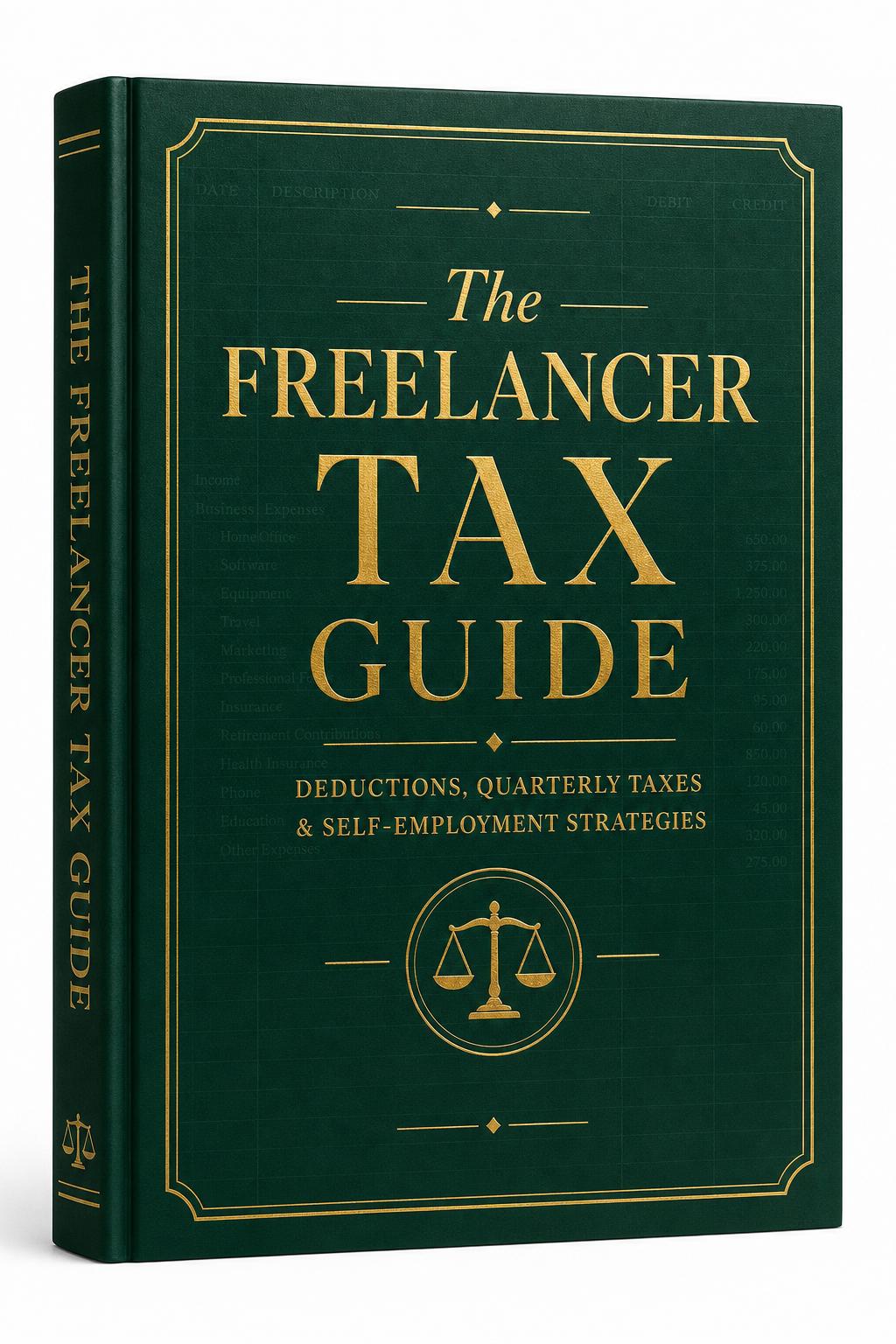
The Freelancer Tax Guide
The practical tax playbook for freelancers, contractors, and solo creatives — deductions, quarterly estimates, and self-employment strategies.
The Year-End Tax Planning Guide
The CPA's December playbook — practical strategies to reduce your tax bill before the year closes.
The Premium Bookkeeping Template Pack
Automated dashboards, multi-account reconciliations, and CPA-ready reporting workbooks for serious owners and bookkeepers.
Tax & Bookkeeping Resource Library
Our complete advisor-grade collection — every premium asset an owner needs to run clean books, lower taxes, and recover messy ledgers, in one bundle.