CPA Directory ecosystem
CPA firms — multi-partner accounting practices
A CPA firm gives you bench depth — audit, tax, advisory, and attest under one roof. Use this guide to pick the right firm size and practice area for your business.
Get help with QuickBooks, bookkeeping, payroll, tax planning, controller support, and CFO advisory from professionals who understand your business needs.
Firm size
Sole practitioner vs regional vs national
Firm size dictates pricing, responsiveness, and bench depth. Match it to the complexity of your work, not your revenue.
- Sole / micro (1–5 staff): personal service, lower fees, limited bench
- Local / regional (10–100 staff): full service, mid-market sweet spot
- Top 100 / national: SEC-registrant work, audit, complex multi-state
- Big 4 (Deloitte, EY, KPMG, PwC): public companies and global advisory
Practice areas
What CPA firms offer beyond tax
Most firms cluster around four practice lines. The right firm has at least two that match your needs.
- Tax — compliance, planning, IRS representation
- Assurance — audits, reviews, compilations
- Advisory / consulting — CFO, M&A, valuation
- Outsourced accounting — bookkeeping, controller, payroll
Need help with bookkeeping, QuickBooks, tax, or CFO support?
Tell us what service you need and where your business is located.
FAQ
Common questions
What's the difference between a CPA firm and a solo CPA?
A firm has multiple licensed CPAs plus support staff. Solos work alone or with one or two assistants. Firms can absorb client growth and cover specialized work; solos offer deeper personal relationships at lower cost.
How do I evaluate a CPA firm?
Check peer review status, partner-to-staff ratio, industry concentration, software stack, and turnaround SLAs. Ask for three references in your industry and a sample engagement letter.
How much do CPA firms charge?
Partner rates run $300–$650/hr; senior managers $200–$400/hr; staff $100–$200/hr. Fixed-fee monthly retainers for SMBs typically run $1,500–$8,000.
Need accounting, bookkeeping, tax, or CFO support?
CPAZenith helps businesses connect with accounting professionals for QuickBooks setup, bookkeeping, payroll, tax planning, fractional CFO services, outsourced controller support, and industry-specific accounting.
Tell us what service you need and where your business is located.
Get matched with a CPA firm
Tell us about your situation in 90 seconds. We'll match you with up to 3 verified providers — free, no obligation.
Get matched
Request a consultation for CPA firms — multi-partner accounting practices
Share a few details — a vetted CPA will reach out within one business day.
Advisor-grade guides
Downloadable ebooks & templates
CPA-ready playbooks and templates you can use today — instant downloads, no signup required.
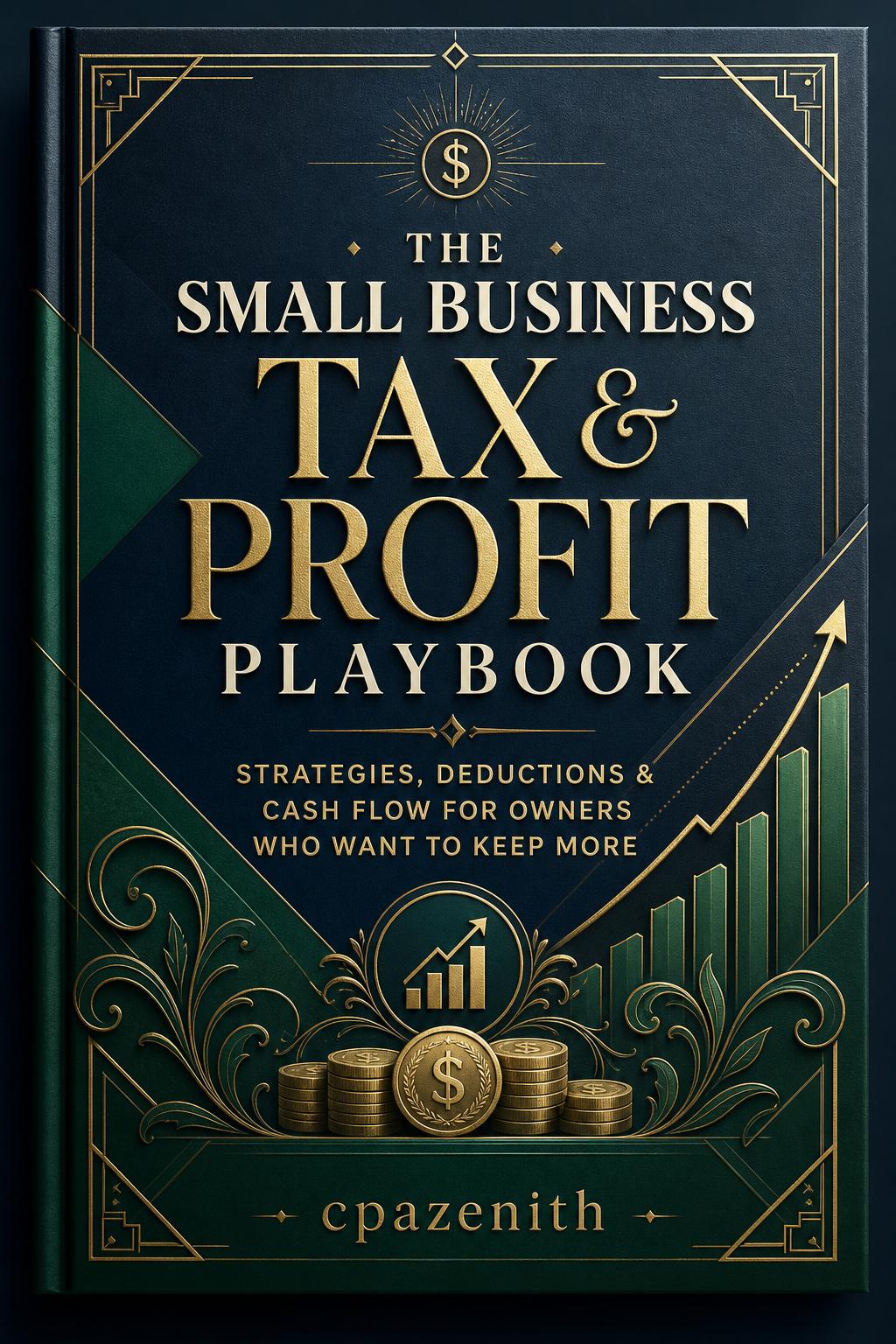
The Small Business Tax & Profit Playbook
A CPA-ready guide to deductions, quarterly taxes, S-Corp strategy, owner pay, cash flow, and year-round tax planning.
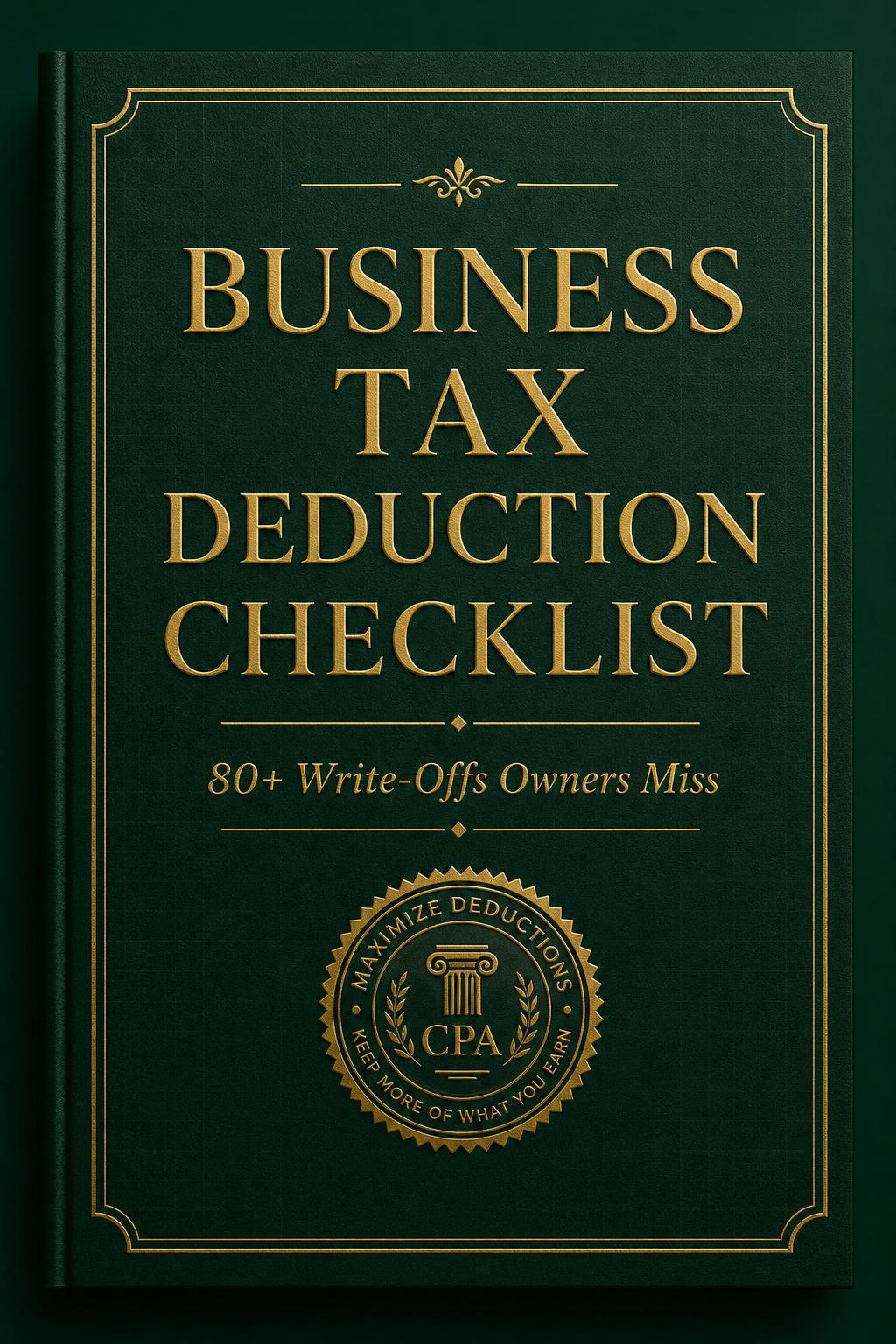
Business Tax Deduction Checklist
A CPA-curated checklist of 80+ business deductions most owners miss — organized by category so you can sweep it before filing.
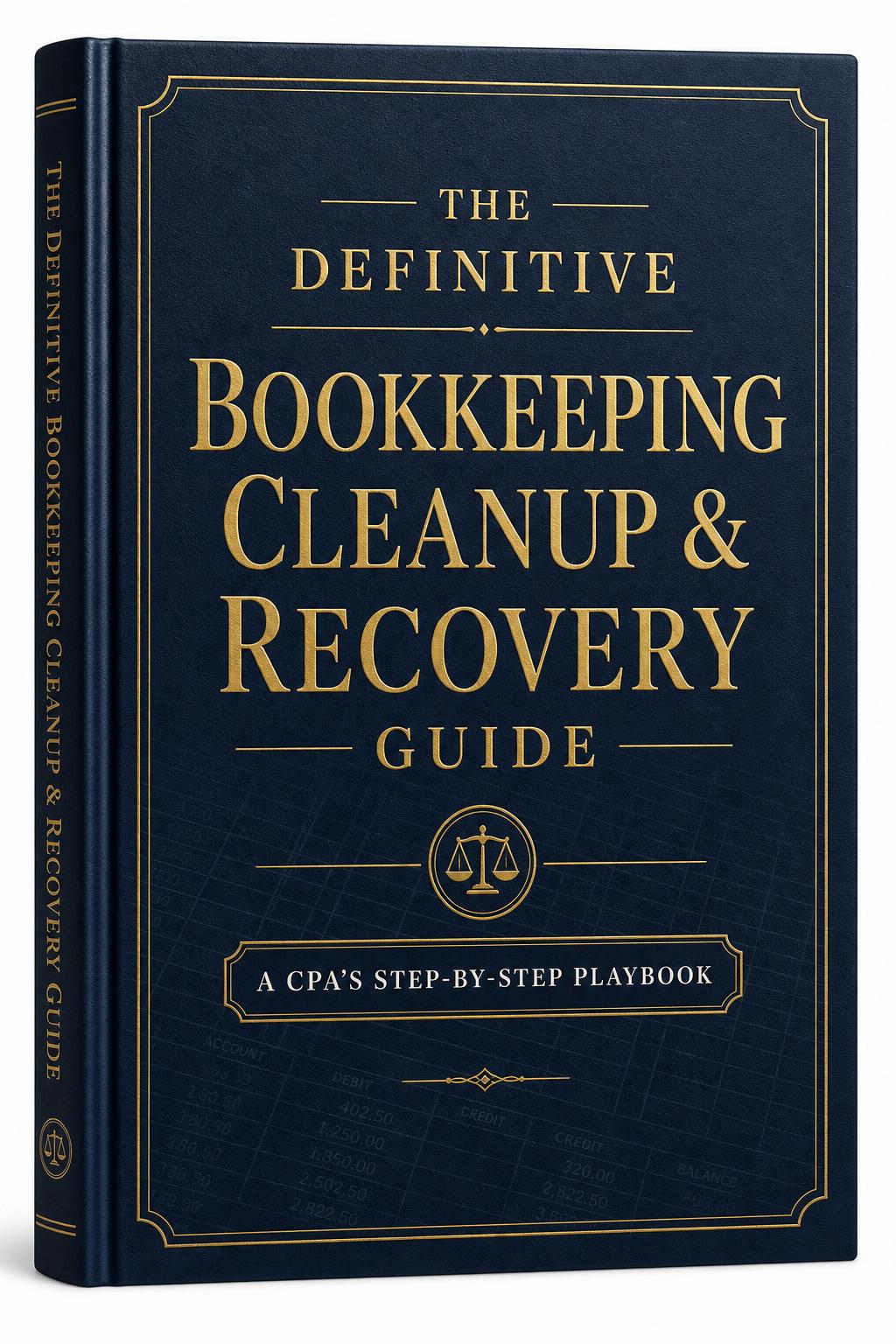
The Definitive Bookkeeping Cleanup & Recovery Guide
The CPA's step-by-step playbook for diagnosing messy books, reconstructing missing history, and restoring a clean, audit-ready ledger.
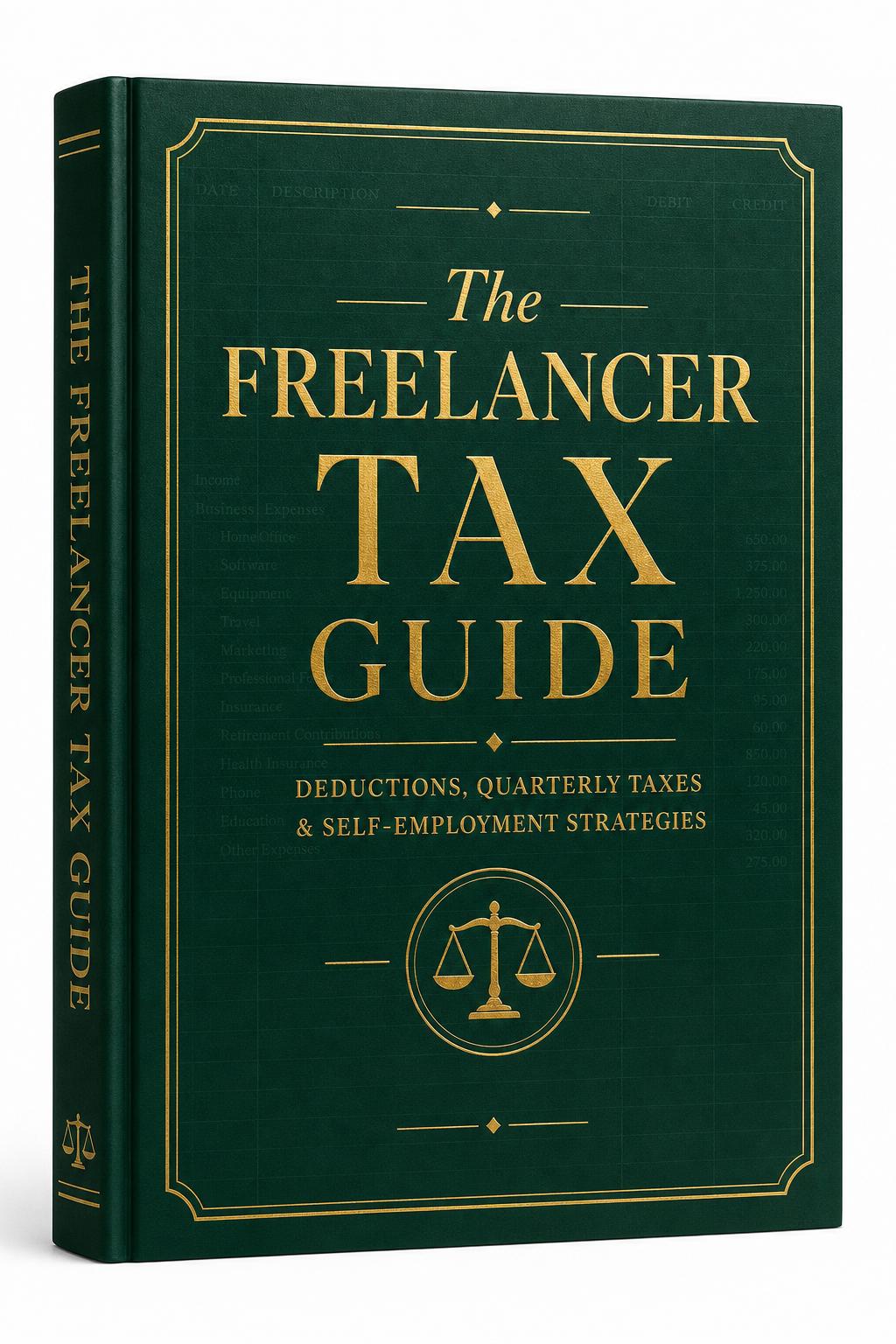
The Freelancer Tax Guide
The practical tax playbook for freelancers, contractors, and solo creatives — deductions, quarterly estimates, and self-employment strategies.

The Year-End Tax Planning Guide
The CPA's December playbook — practical strategies to reduce your tax bill before the year closes.
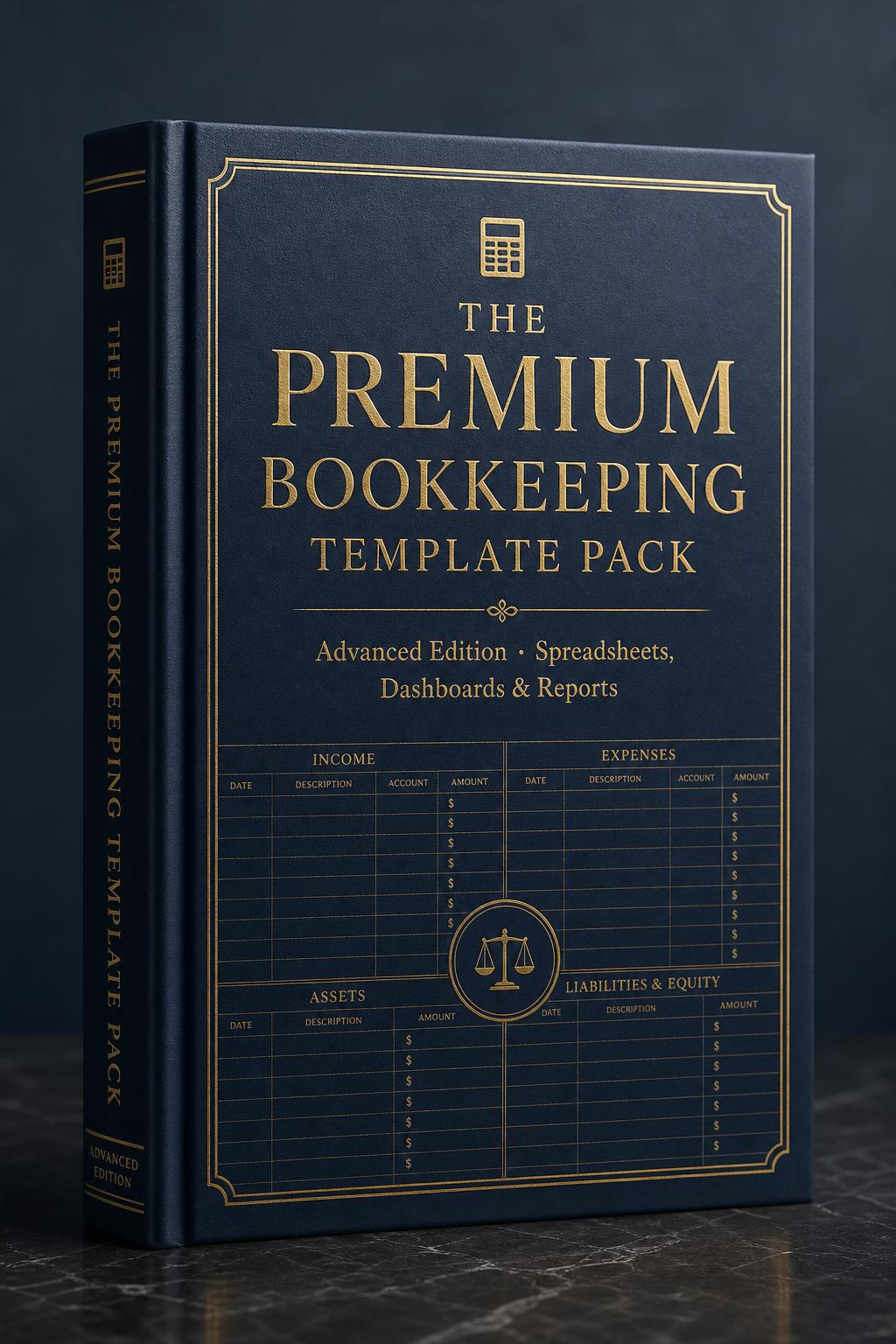
The Premium Bookkeeping Template Pack
Automated dashboards, multi-account reconciliations, and CPA-ready reporting workbooks for serious owners and bookkeepers.
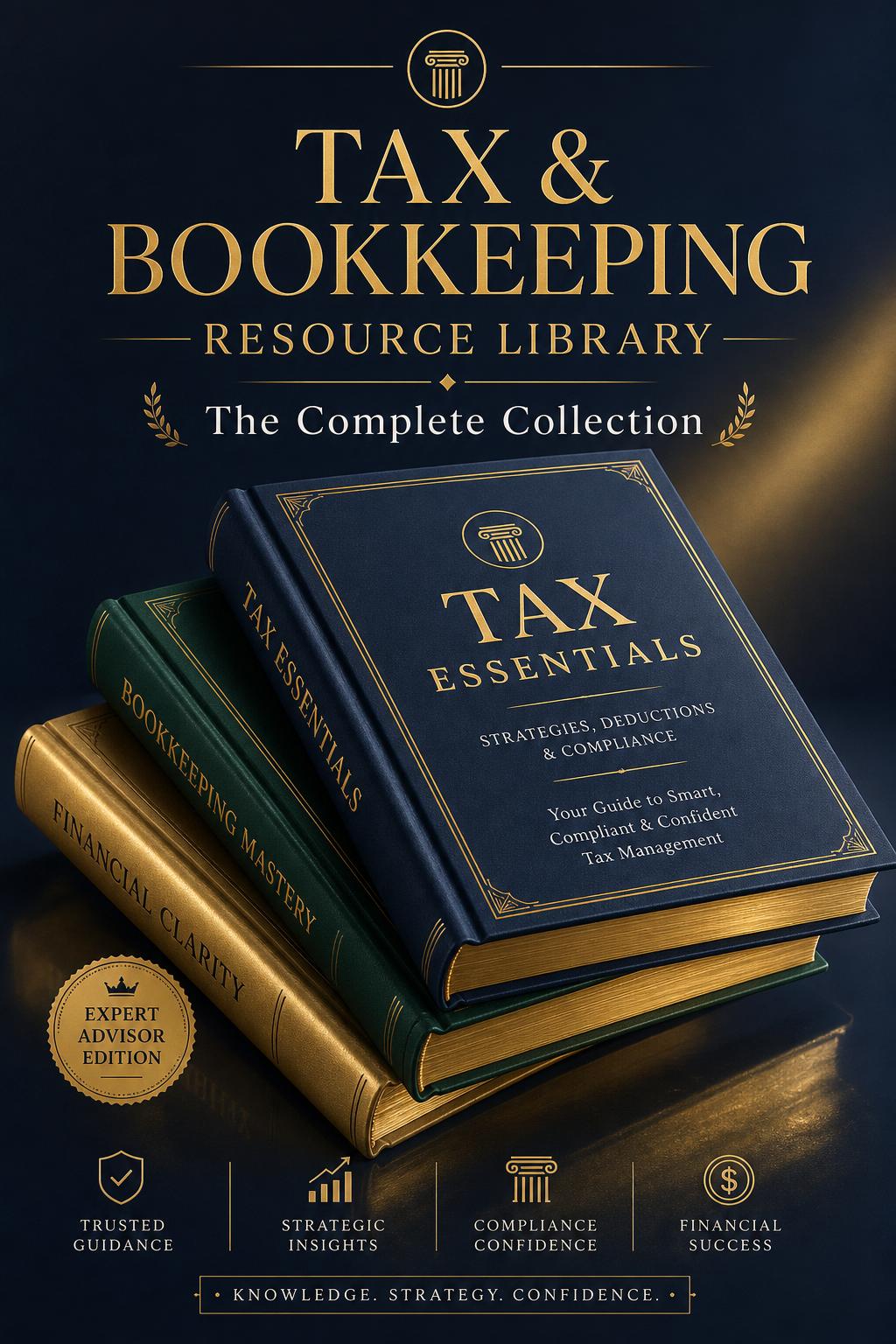
Tax & Bookkeeping Resource Library
Our complete advisor-grade collection — every premium asset an owner needs to run clean books, lower taxes, and recover messy ledgers, in one bundle.