• CPA & bookkeeping support
  • QuickBooks setup and cleanup
  • Monthly reporting
  • Tax planning
  • CFO advisory
  • Virtual and local support

Serving

  • Small businesses
  • Nonprofits
  • Real estate investors
  • Restaurants
  • Contractors
  • Healthcare practices
  • Eco & green businesses

Tax · 5 min read

Small Business Tax Planning Tips for Phoenix Companies

Tax planning is one of the most important financial habits for Phoenix small business owners. Waiting until tax season can lead to missed deductions, cash flow stress, and surprise tax bills. Good tax planning helps business owners prepare throughout the year.

Who Should Plan

Whether you run a consulting firm, restaurant, construction company, real estate business, ecommerce store, or professional service company, tax planning should be part of your regular financial process.

Keep Clean Books All Year

Accurate bookkeeping is the foundation of tax planning. If your records are incomplete, your CPA may not be able to identify deductions or estimate your tax liability properly.

Keep your books updated monthly so you can track:

  • Revenue
  • Expenses
  • Profit
  • Payroll
  • Owner draws
  • Loan payments
  • Contractor payments
  • Equipment purchases

Track Business Deductions

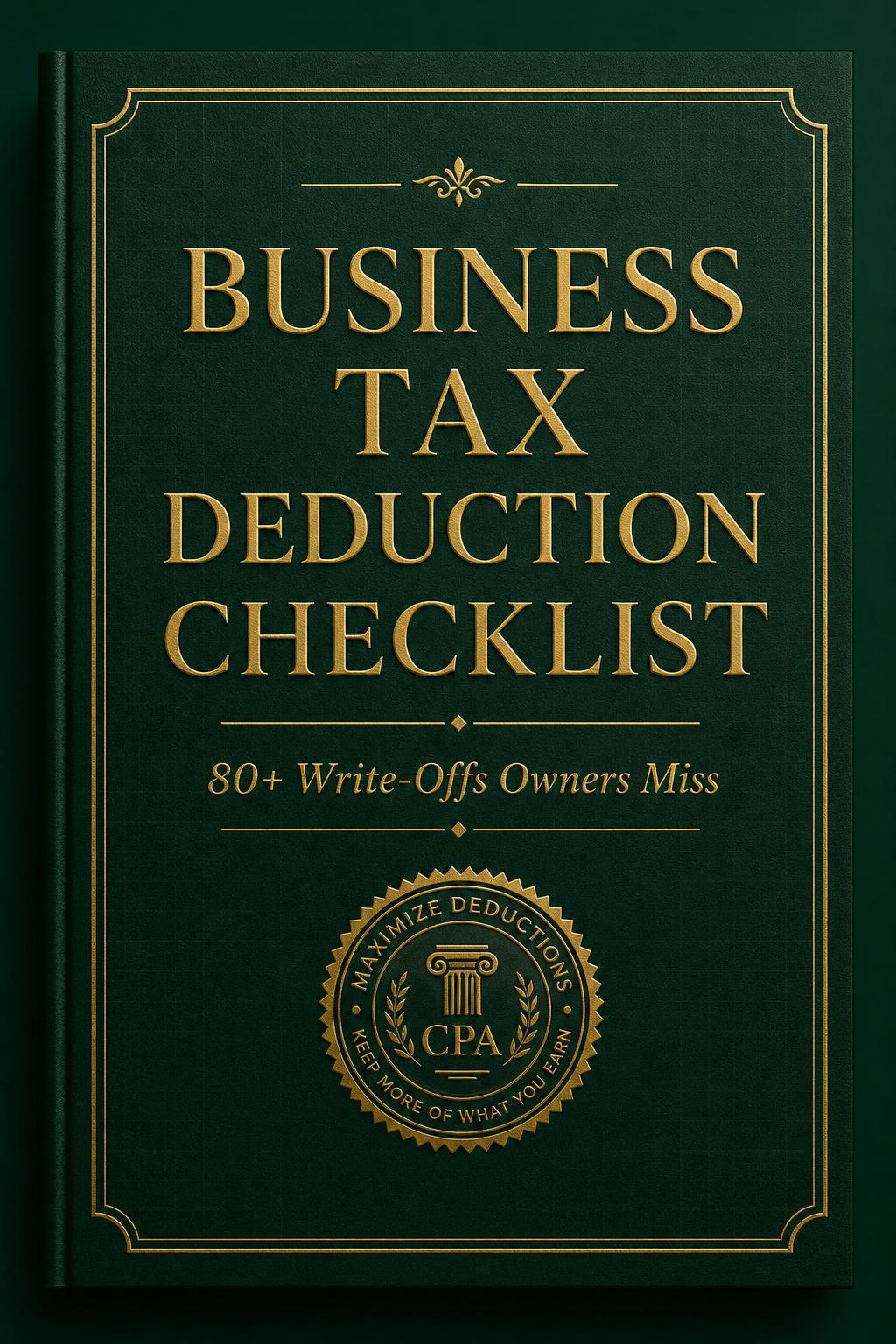
Phoenix companies should carefully track deductible business expenses. Common deductions may include:

  • Office rent
  • Business insurance
  • Software subscriptions
  • Marketing expenses
  • Professional fees
  • Vehicle expenses
  • Equipment
  • Travel
  • Meals
  • Payroll expenses
  • Contractor payments

Plan for Quarterly Taxes

Many business owners must pay estimated taxes throughout the year. If you do not plan for quarterly payments, you may face penalties or a large tax bill.

A CPA can help estimate quarterly payments based on your profit, business structure, and expected income.
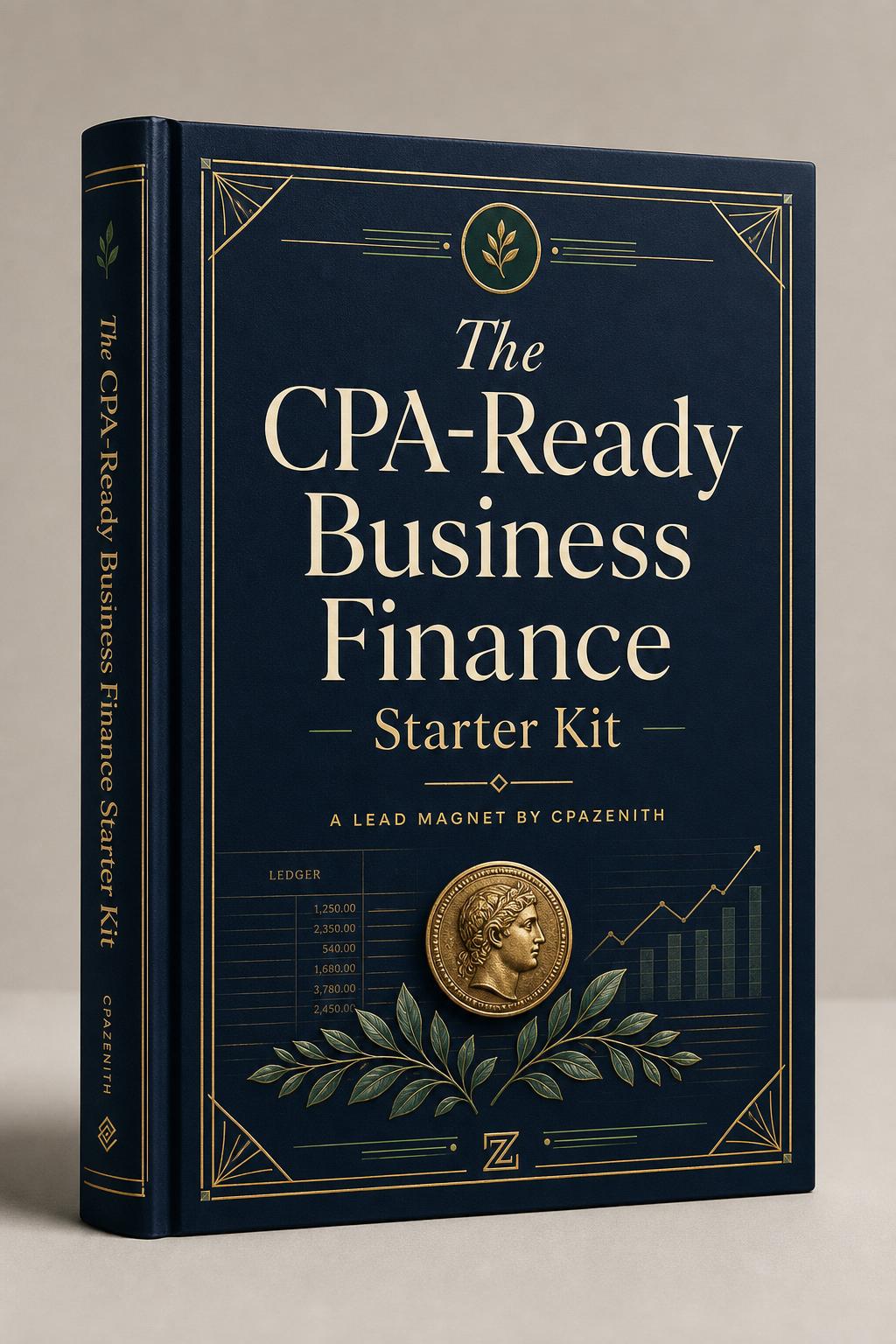
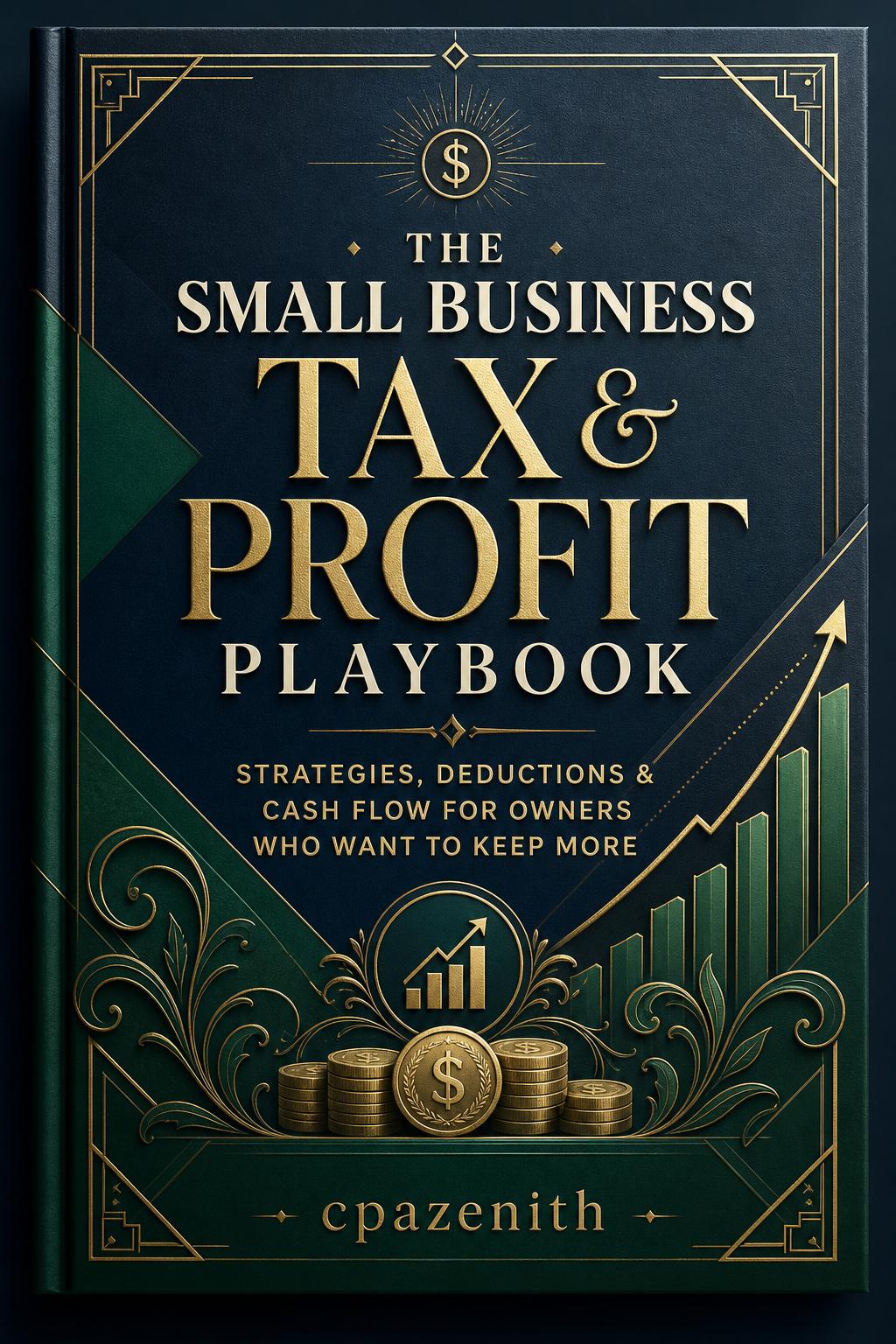
The CPA-Ready Business Finance Starter Kit cover

Free download

The CPA-Ready Business Finance Starter Kit

A practical, advisor-grade workbook for owners and founders — the foundations your CPA wishes every client showed up with. Books, taxes, cash flow, and entity decisions, in one place.

  • Monthly bookkeeping rhythm
  • Tax-ready document checklist
  • Entity & S-Corp decision guide
  • Cash flow & owner pay basics

No signup required. Informational only — consult your CPA for advice.

Ready for the next step?

See the full Lead-Magnet Funnel — from free checklist to advisor-grade systems.

Open the funnel

Review Your Entity Structure

Your business structure affects how income is taxed. Sole proprietorships, LLCs, S corporations, partnerships, and corporations are taxed differently.

As your business grows, it may be worth reviewing whether your current entity structure still makes sense. For example, some businesses consider S corporation election after reaching a certain profit level.

Separate Business and Personal Finances

Mixing business and personal finances creates accounting problems. Use separate business bank accounts and credit cards. This makes bookkeeping cleaner and helps protect the accuracy of your financial records.

Work With a CPA Before Year-End

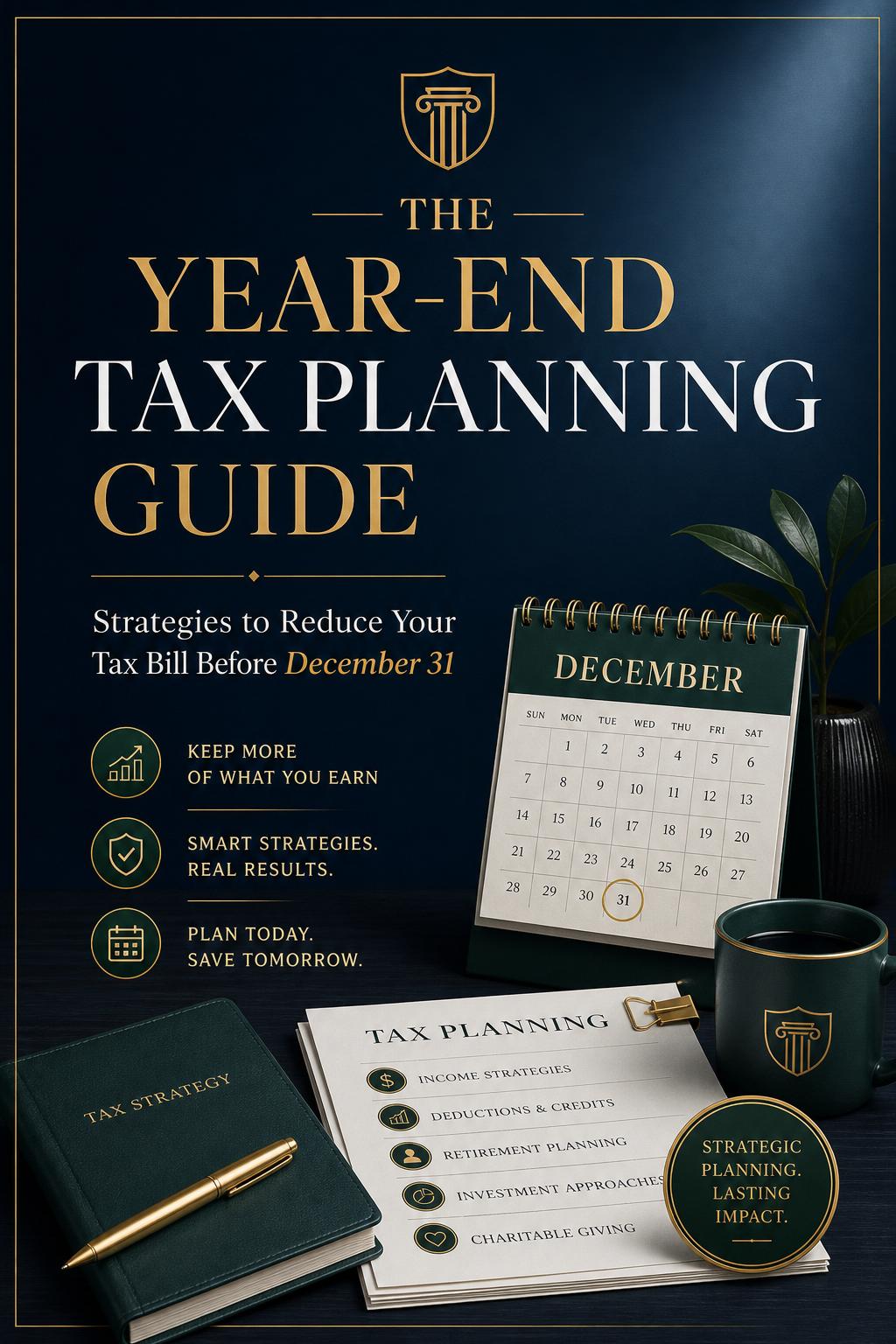
The best time to plan is before the year ends. Once December 31 passes, many tax-saving opportunities may be limited. Schedule a tax planning meeting before year-end to review income, deductions, payroll, retirement contributions, and equipment purchases.

Find tax planning CPAs, bookkeeping providers, and payroll services for Phoenix businesses on CPAZenith.

Frequently asked

When should small businesses start tax planning?

Tax planning should happen throughout the year, not just during tax season.

Do Phoenix small businesses need a CPA?

Many businesses benefit from CPA support, especially if they have employees, contractors, or growing revenue.

What is the biggest tax mistake small businesses make?

Waiting until tax season to organize records and estimate taxes.

Next step

Need a real human? Find a verified CPA in your city.