Bookkeeping · 7 min read

P&L Statement Explained for Small Business Owners

Your Profit & Loss (P&L) — also called an income statement — tells you whether the business actually made money. If you can read it, you can run the business.

The five sections of a P&L

  • Revenue — everything you earned (not what you collected)
  • Cost of Goods Sold (COGS) — direct costs to deliver the sale
  • Gross Profit — Revenue minus COGS
  • Operating Expenses — rent, payroll, software, marketing
  • Net Income — what's left after every expense

The numbers owners should watch

  • Gross margin % = Gross Profit ÷ Revenue
  • Operating margin % = Operating Income ÷ Revenue
  • Net margin % = Net Income ÷ Revenue
  • Trend: each line month-over-month and vs. last year
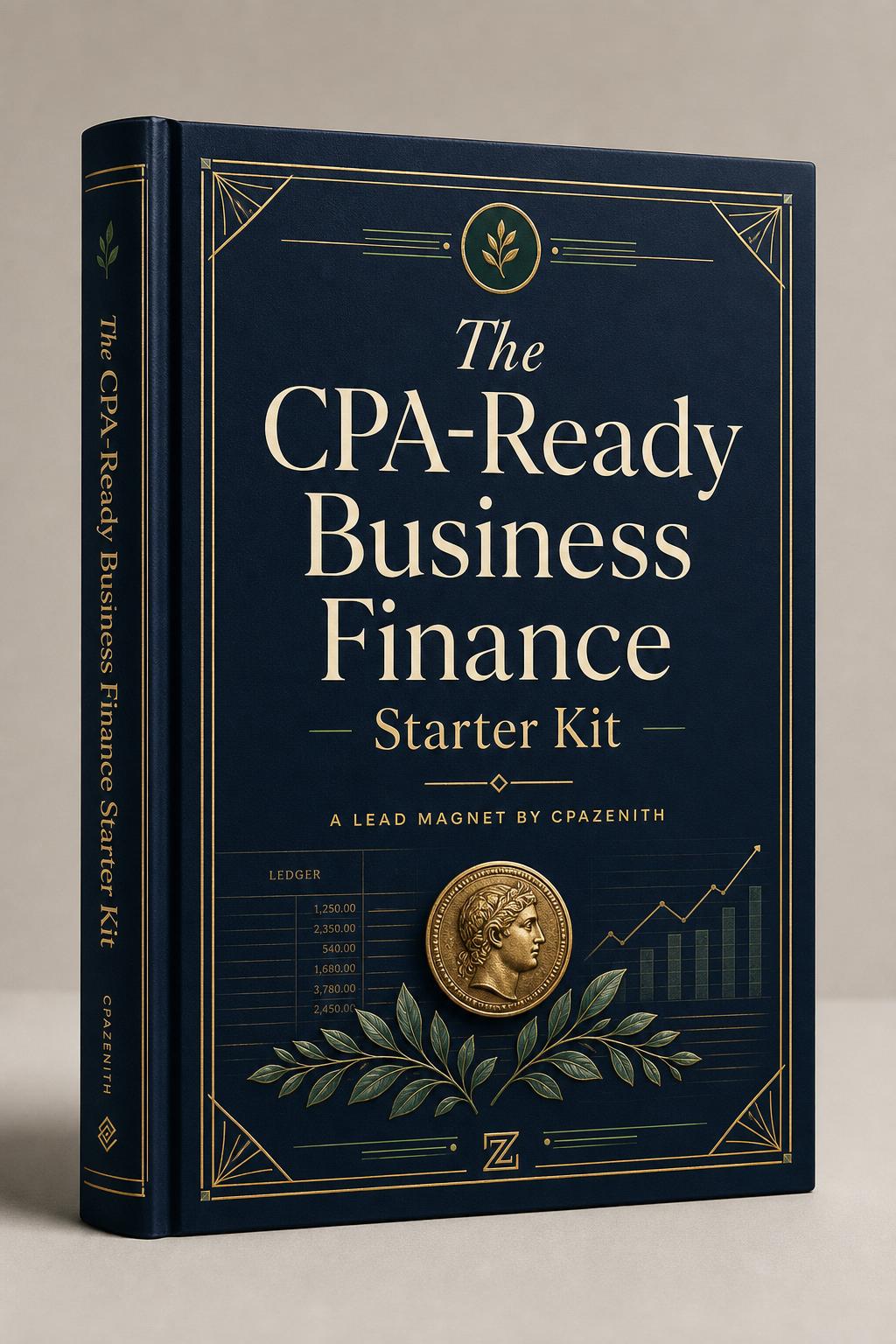
The CPA-Ready Business Finance Starter Kit cover

Free download

The CPA-Ready Business Finance Starter Kit

A practical, advisor-grade workbook for owners and founders — the foundations your CPA wishes every client showed up with. Books, taxes, cash flow, and entity decisions, in one place.

  • Monthly bookkeeping rhythm
  • Tax-ready document checklist
  • Entity & S-Corp decision guide
  • Cash flow & owner pay basics

No signup required. Informational only — consult your CPA for advice.

Ready for the next step?

See the full Lead-Magnet Funnel — from free checklist to advisor-grade systems.

Open the funnel

Why your P&L doesn't match your bank account

P&L is accrual (earned and incurred). Your bank balance is cash (received and paid). Big AR balances, prepaid expenses, and loan principal all break the link between profit and cash.

Frequently asked

What's a healthy net profit margin for a small business?

It depends on the industry, but service businesses often target 15–25% net, product businesses 5–15%. Compare against your own trend before benchmarking against others.

Next step

Need a real human? Find a verified CPA in your city.