Entity · 8 min read

LLC vs S-Corp Tax Basics

An LLC is a legal structure. S-Corp is a tax election. Owners often combine the two to cut self-employment tax — but only after net profit consistently clears the break-even line.

Default LLC taxation

A single-member LLC files on Schedule C. A multi-member LLC files Form 1065. All net profit is subject to 15.3% self-employment tax on top of income tax.

What changes with the S-Corp election

  • Owner-employees take a reasonable W-2 salary
  • Remaining profit flows through as a distribution
  • Distributions avoid the 15.3% SE tax
  • Owner must run payroll, file 941s, W-2, and 1120-S
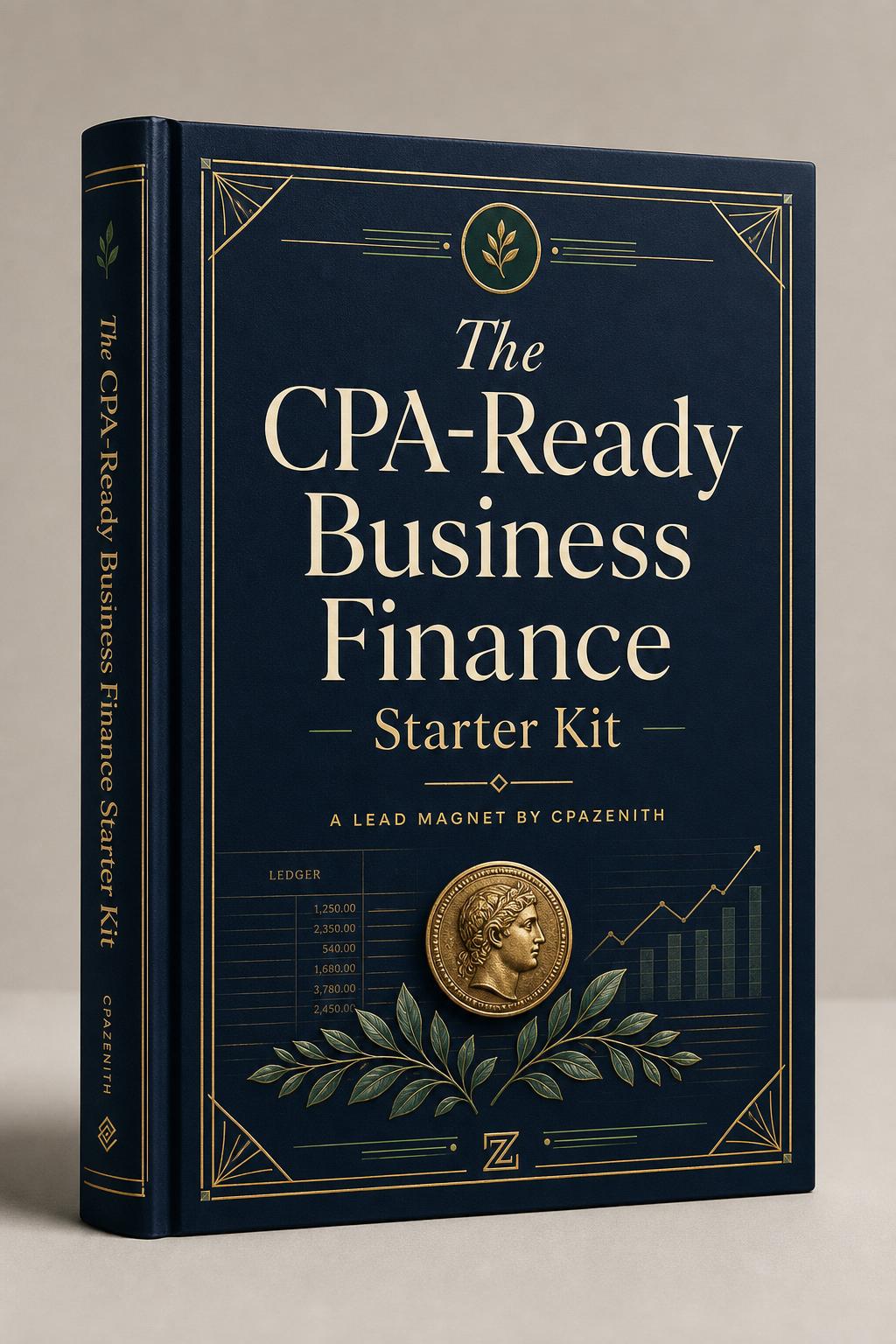
The CPA-Ready Business Finance Starter Kit cover

Free download

The CPA-Ready Business Finance Starter Kit

A practical, advisor-grade workbook for owners and founders — the foundations your CPA wishes every client showed up with. Books, taxes, cash flow, and entity decisions, in one place.

  • Monthly bookkeeping rhythm
  • Tax-ready document checklist
  • Entity & S-Corp decision guide
  • Cash flow & owner pay basics

No signup required. Informational only — consult your CPA for advice.

Ready for the next step?

See the full Lead-Magnet Funnel — from free checklist to advisor-grade systems.

Open the funnel

When the math works

Most CPAs see the S-Corp begin to pay for itself around $50K–$80K of consistent net profit, once payroll, separate tax return, and admin costs are factored in.

Bookkeeping changes you must make

  • Separate owner payroll from distributions in the books
  • Track an accurate basis and shareholder equity
  • Reimburse owner expenses via an accountable plan

Next step

Need a real human? Find a verified CPA in your city.