Omaha, NE · Small Business CPAs
Find a Small Business CPA in Omaha, NE
Verified CPAs who specialize in small businesses — sole proprietors, LLCs, S-corps, and partnerships. From quarterly estimates to entity strategy and exit planning, find a CPA who actually knows your industry. Serving Omaha, NE and the surrounding region — Omaha CPAs serve insurance, financial services, agribusiness, and the Berkshire Hathaway ecosystem.
Why Omaha clients hire smb cpas
Local context for small business cpas in Omaha, NE
Dominant local industries
- Insurance & financial services
- Agribusiness & food processing
- Berkshire Hathaway ecosystem
- Healthcare systems
- Logistics & rail
Nebraska tax climate
Nebraska has a graduated personal income tax topping at 5.84% and a graduated corporate income tax to 5.84% (rates declining). Sales tax is 5.5% state plus local up to 2%.
Key local deadline
Apr 15
Nebraska individual income tax due — graduated to 5.84% top rate.
When to hire
- Annual revenue is approaching or above $250K
- You're considering an S-corp election or entity restructure
- You've started taking owner draws or paying yourself a salary
- You hired your first employee or contractor
- You're preparing to raise capital, take a loan, or sell the business
What they do
- Business and personal tax returns (1120-S, 1065, 1040, Schedule C)
- Quarterly estimated taxes and reasonable-compensation analysis
- Entity selection, S-corp election (Form 2553), and restructures
- Bookkeeping oversight, monthly close, and management reporting
- R&D credits, QBI optimization, retirement plan strategy
Typical fees
What it costs
Low end
$500
per month
High end
$3,500
per month
Notes
Tax-only engagements: $1,200–$4,000 per year. Full bookkeeping + tax: $500–$2,500/mo. CFO-level advisory: $2,500–$10,000/mo.
Compare
Small Business CPA vs General Tax Preparer
| Factor | Small Business CPA | General Tax Preparer |
|---|---|---|
| Year-round planning | Quarterly check-ins, proactive strategy | Filing season only |
| Entity strategy | S-corp, LLC, partnership, restructures | Limited |
| Reasonable comp analysis | Standard offering | Not typically offered |
| IRS representation | Unlimited | Limited unless EA or CPA |
| Typical engagement | Monthly retainer | Per-return flat fee |
Questions to ask
- How many businesses my size and in my industry do you serve?
- Do you handle bookkeeping in-house or refer it out?
- What's included in your monthly retainer vs. billed separately?
- Will you run reasonable-compensation analysis annually for my S-corp?
- What's your process when I get an IRS notice?
- Do you offer year-end tax planning meetings, and when?
Red flags
- Only contacts you once a year at tax time
- No clear scope or written engagement letter
- Doesn't ask about your goals, just your shoebox of receipts
- Can't explain entity election trade-offs in plain English
- Outsources everything offshore without disclosing it
Documents to prepare
- Last 2 years of business and personal returns
- Current YTD P&L and balance sheet
- Payroll reports and W-2/1099 summaries
- Bank, credit card, and merchant statements
- Operating agreement, EIN letter, S-corp election confirmation if applicable
By city
Small Business CPAs in Omaha in major U.S. cities
Related
Other specialties you might need
Verified directory
Small Business CPAs serving Omaha, NE
As smb cpas in Omaha claim profiles, they will appear here. Be among the first listed.
FAQ
Small Business CPAs in Omaha — common questions
How much does small business cpas cost in Omaha?+
Omaha small business cpas typically charge $500–$3,500 per month. Tax-only engagements: $1,200–$4,000 per year. Full bookkeeping + tax: $500–$2,500/mo. CFO-level advisory: $2,500–$10,000/mo.
Do I need a Nebraska-licensed CPA to work with a small business cpas in Omaha?+
For Nebraska state filings, your preparer should hold a CPA license from the Nebraska Board of Accountancy or be an Enrolled Agent. Out-of-state pros can prepare your federal return but should not sign as a CPA on Nebraska returns. Nebraska has a graduated personal income tax topping at 5.84% and a graduated corporate income tax to 5.84% (rates declining).
When should a small business hire a CPA?+
Most owners benefit from a CPA once revenue crosses $100K, when you incorporate, or when you hire employees. Below that, a tax preparer or bookkeeper may be sufficient.
How much should a small business spend on accounting?+
A common benchmark is 1–2% of revenue. A $500K business typically spends $5K–$10K annually across bookkeeping, payroll, and tax.
Should I form an LLC or an S-corp?+
An LLC is a legal structure; an S-corp is a tax election. Many small businesses form an LLC and elect S-corp tax treatment once profits exceed ~$60K to save on self-employment tax. A CPA can model the savings vs. added compliance cost.
Can a CPA do my bookkeeping too?+
Many CPAs offer bookkeeping in-house or partner with a bookkeeping team. Having one firm own both gives you clean books and tax-ready financials without the handoffs.
What if I'm behind on bookkeeping?+
Look for a CPA or bookkeeper who advertises catch-up or cleanup engagements. Expect a one-time fee based on months behind and transaction volume, then a normal monthly cadence.
Get matched
Get 3 quotes from smb cpas in Omaha
Free, no obligation. We'll route your request to up to 3 vetted small business cpas serving Omaha, NE.
Take the next step
Move forward with a local CPA
Free matching
Get 3 free CPA quotes
Tell us what you need. Up to 3 verified CPAs reply within 1 business day. No fees, no pressure.
Request 3 quotesSide-by-side
Compare CPAs
Stack verified pros next to each other on pricing, specialties, and experience before you reach out.
Compare CPAsFree PDF
2026 CPA Pricing Guide
Real fee benchmarks for tax prep, bookkeeping, payroll, and advisory — by service and business type.
Download free guideInternal links
More for smb cpas buyers in Omaha
Advisor-grade guides
Downloadable ebooks & templates
CPA-ready playbooks and templates you can use today — instant downloads, no signup required.
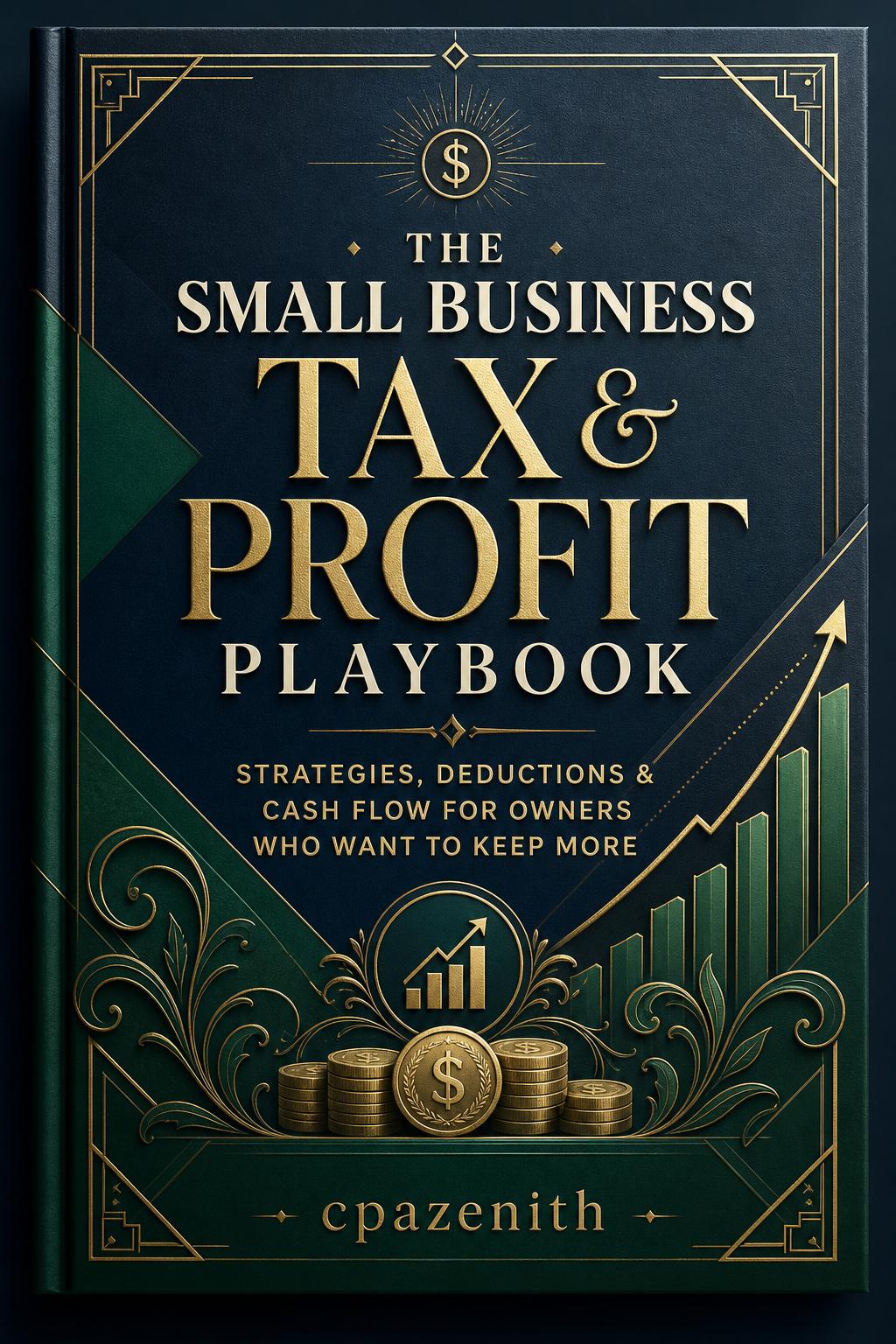
The Small Business Tax & Profit Playbook
A CPA-ready guide to deductions, quarterly taxes, S-Corp strategy, owner pay, cash flow, and year-round tax planning.
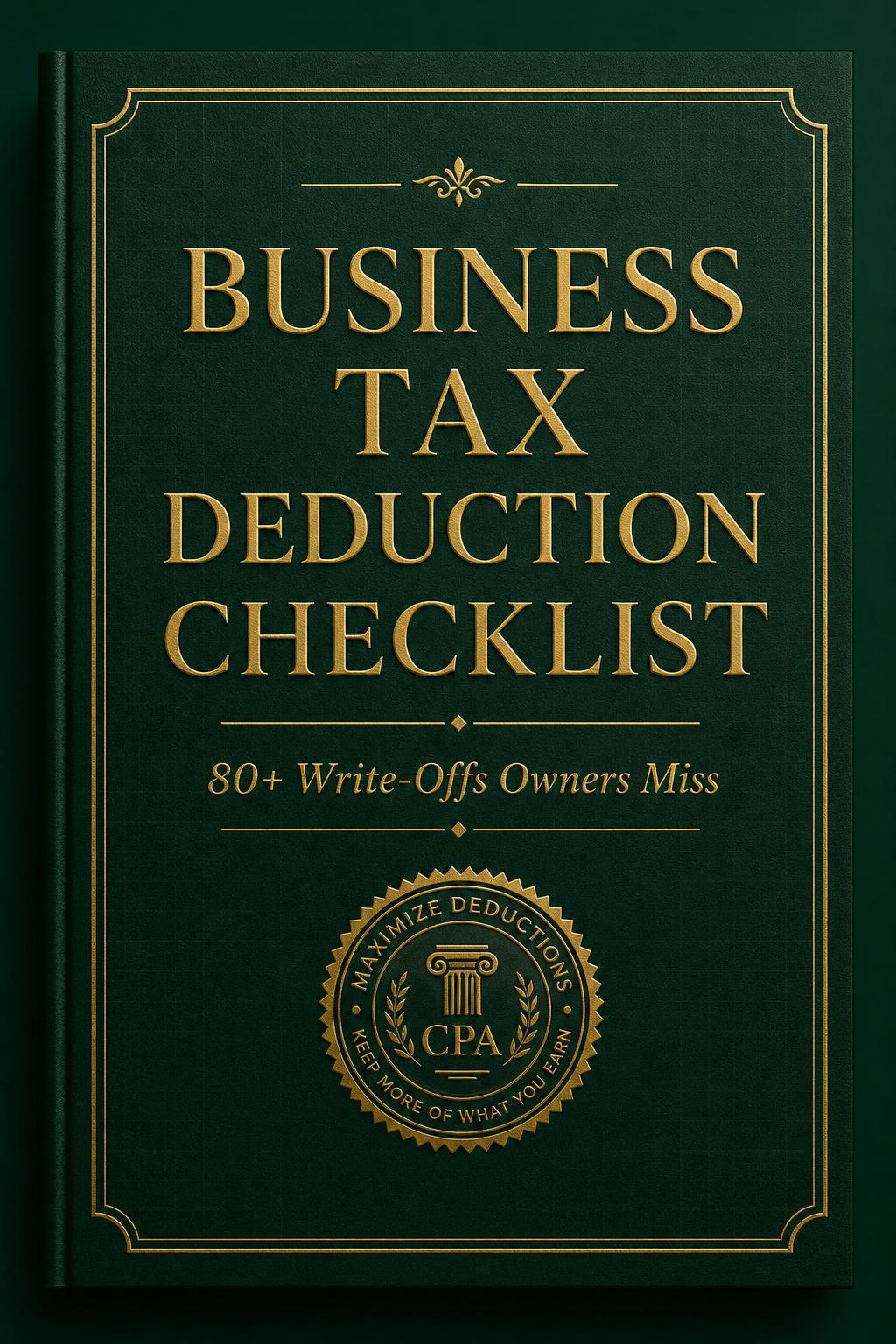
Business Tax Deduction Checklist
A CPA-curated checklist of 80+ business deductions most owners miss — organized by category so you can sweep it before filing.
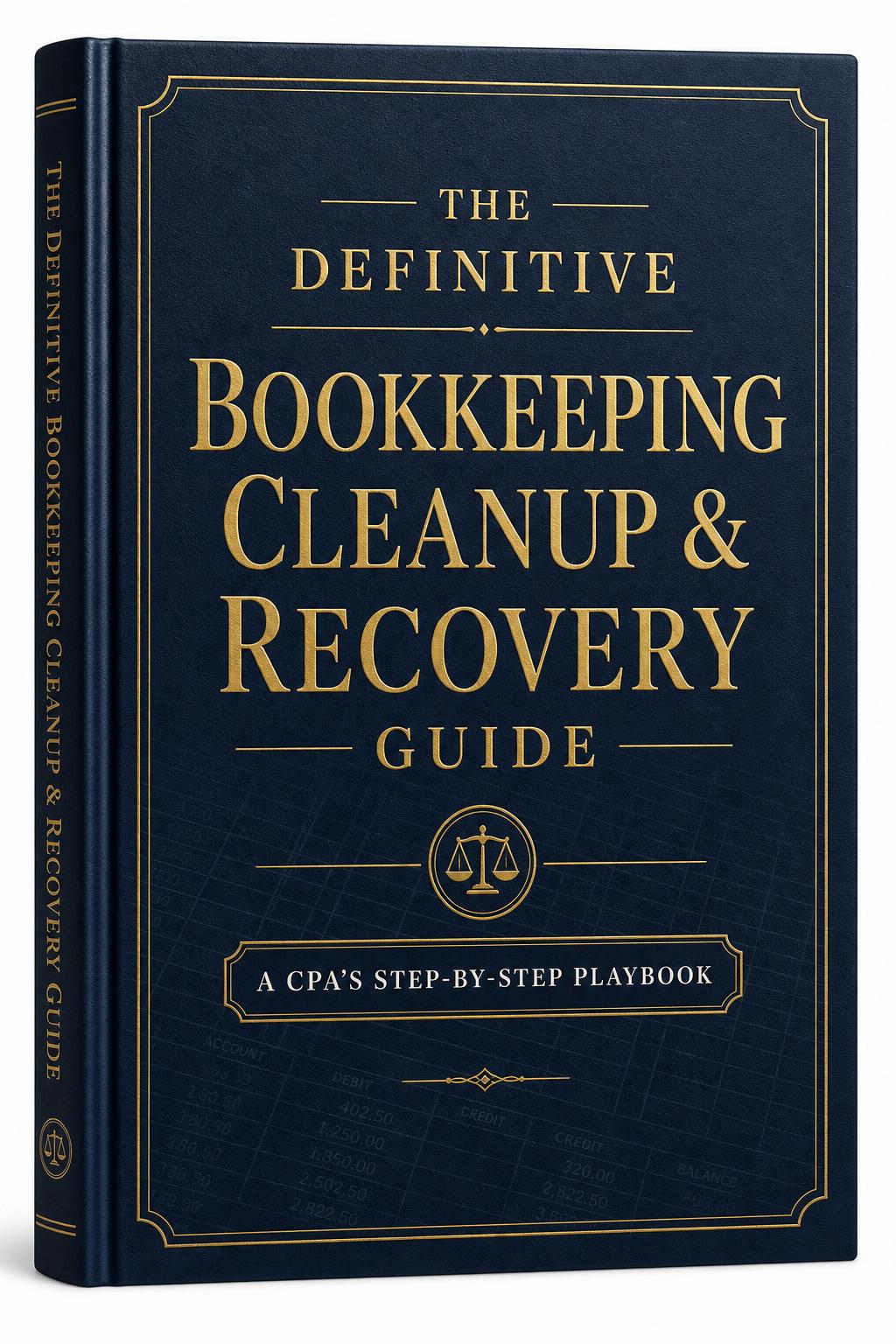
The Definitive Bookkeeping Cleanup & Recovery Guide
The CPA's step-by-step playbook for diagnosing messy books, reconstructing missing history, and restoring a clean, audit-ready ledger.
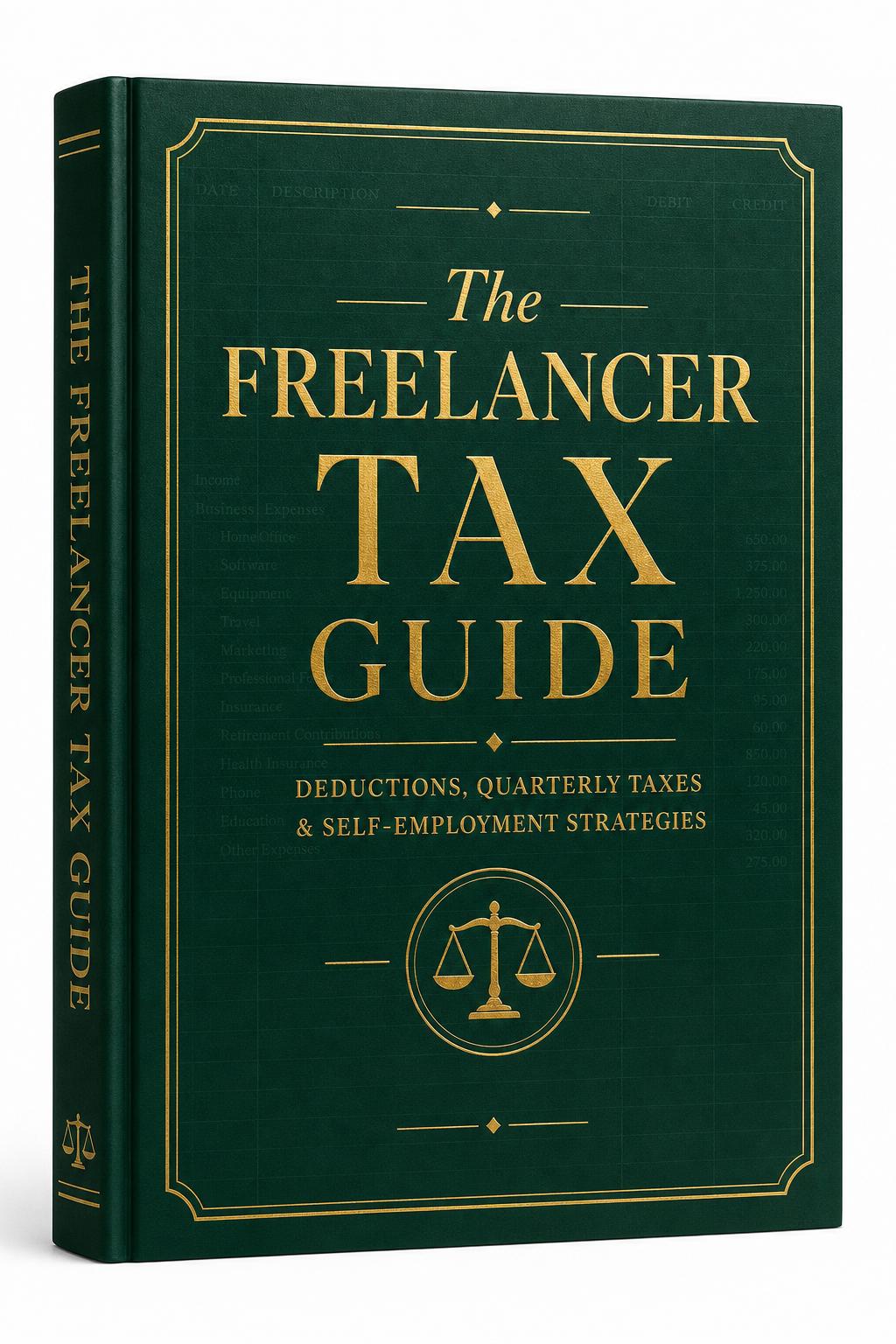
The Freelancer Tax Guide
The practical tax playbook for freelancers, contractors, and solo creatives — deductions, quarterly estimates, and self-employment strategies.
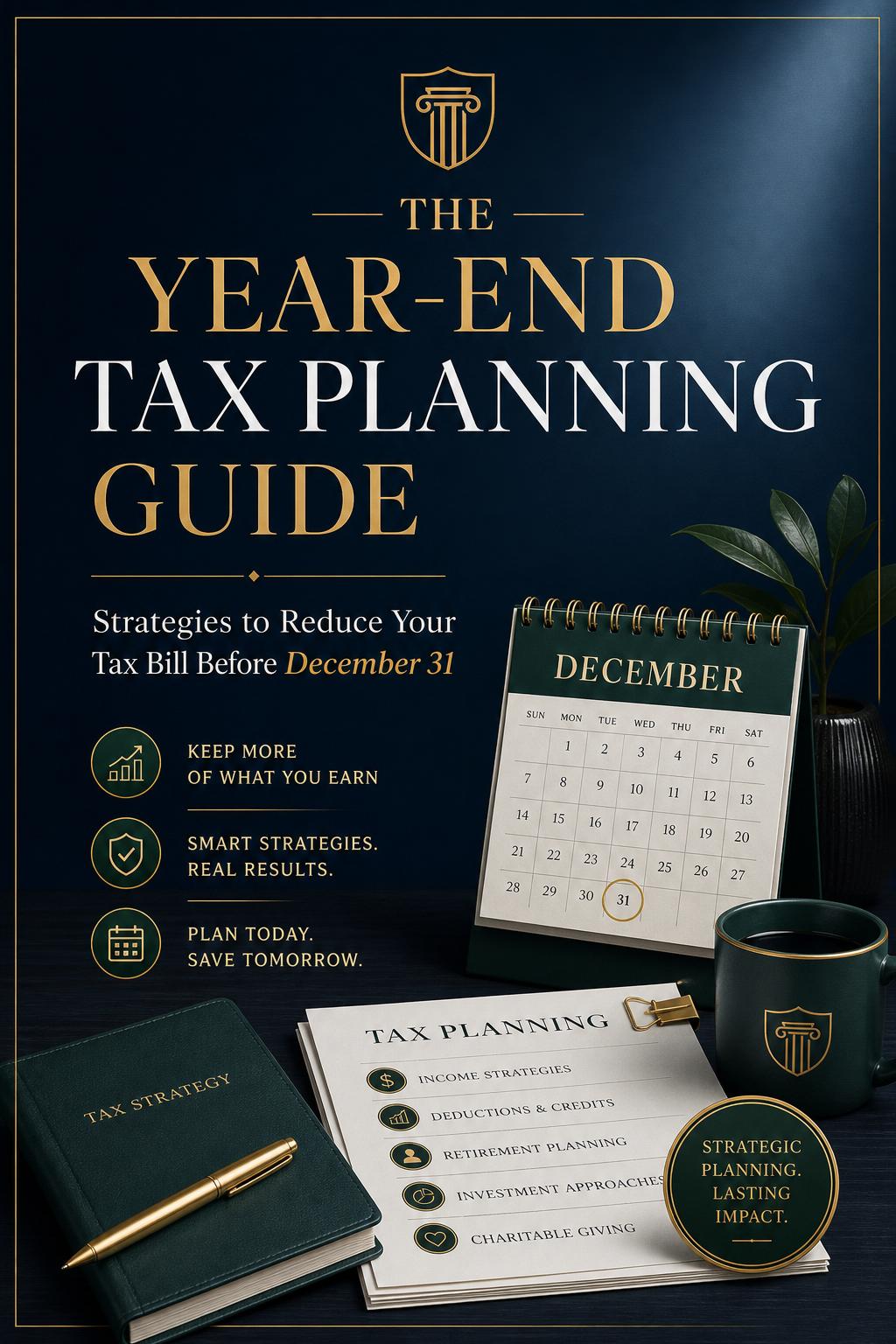
The Year-End Tax Planning Guide
The CPA's December playbook — practical strategies to reduce your tax bill before the year closes.
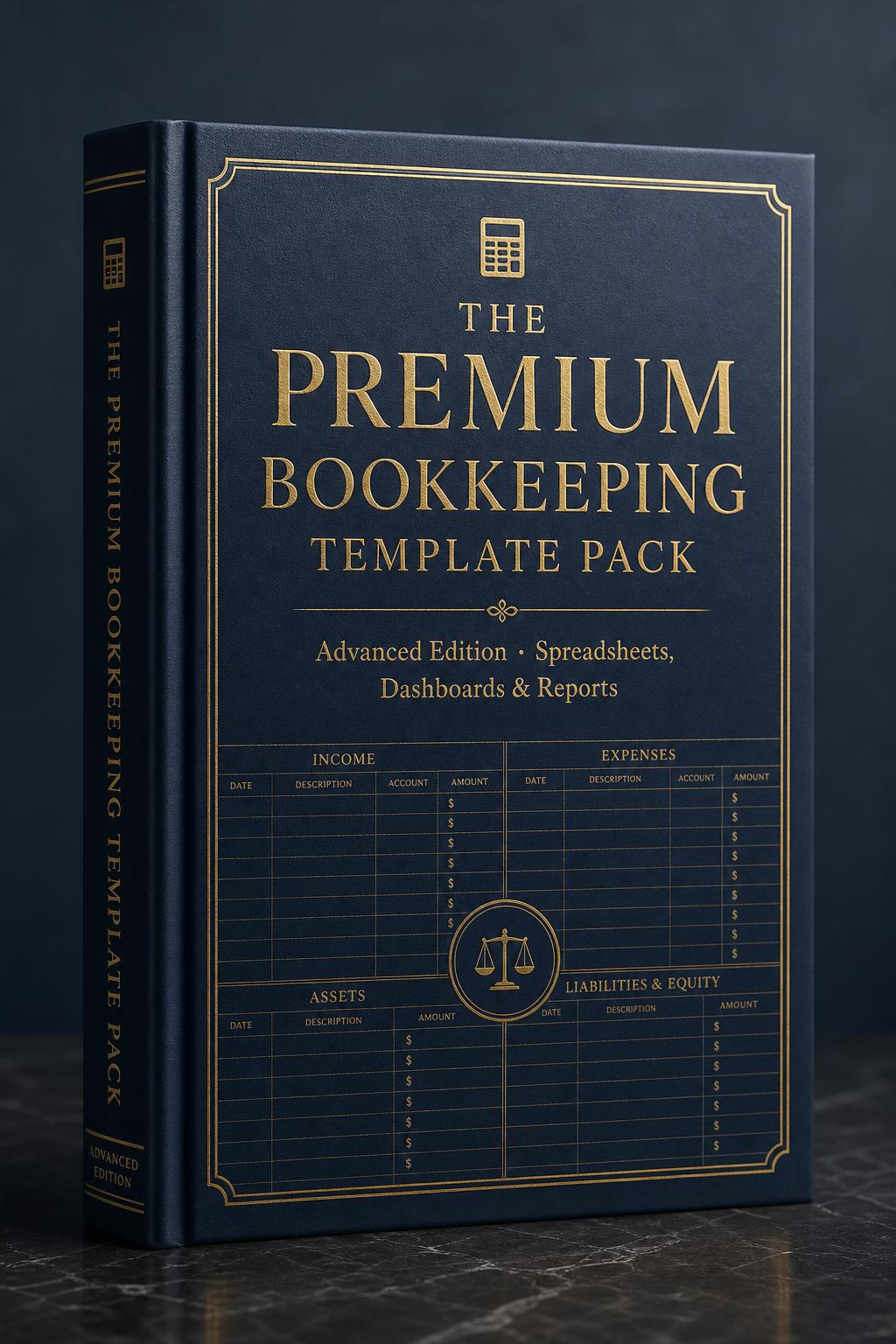
The Premium Bookkeeping Template Pack
Automated dashboards, multi-account reconciliations, and CPA-ready reporting workbooks for serious owners and bookkeepers.
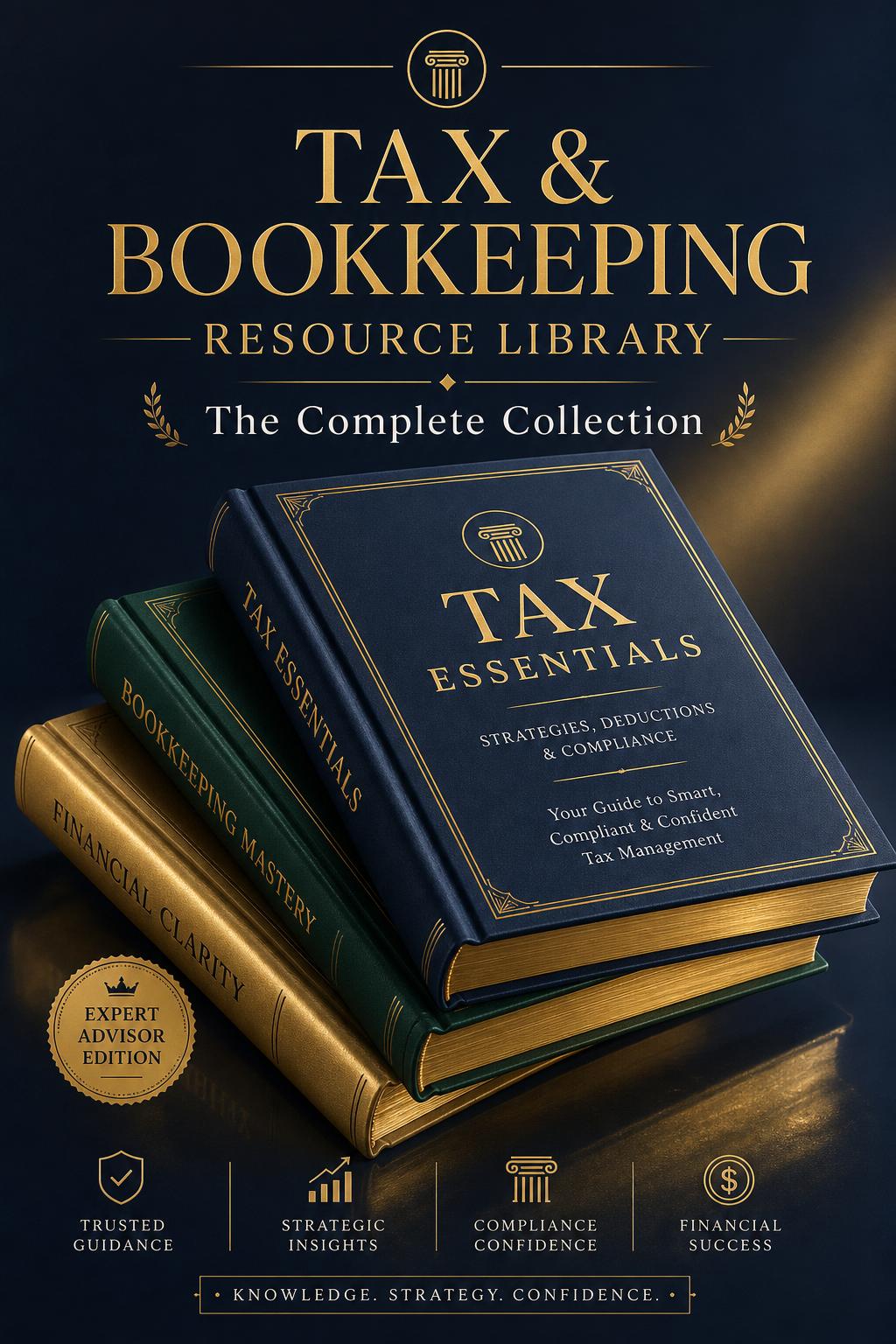
Tax & Bookkeeping Resource Library
Our complete advisor-grade collection — every premium asset an owner needs to run clean books, lower taxes, and recover messy ledgers, in one bundle.