Trucking Accountants
Find Trucking Accountants and CPAs
Find accountants for trucking companies, owner-operators, fleet operators, dispatch businesses, and transportation companies.
Why specialization matters
Why trucking businesses need specialized accounting
Trucking has its own tax filings, depreciation rules, and revenue mechanics. A generalist CPA rarely sees them often enough to do them well.
Per-mile & per-load P&L
Revenue and cost tracked by truck, lane, and load so you know which freight actually makes money.
IFTA & DOT compliance
Quarterly IFTA filings, HVUT Form 2290, UCR, and DOT-aligned payroll handled on schedule.
Equipment depreciation
Section 179, bonus depreciation, and repair-vs-capitalization decisions on tractors and trailers.
Factoring reconciliations
Advance, reserve, and fee statements tied back to invoices so revenue and AR stay accurate.
Solo drivers
Owner-operator bookkeeping
Most owner-operators run as a sole proprietor, single-member LLC, or S-corp. A trucking bookkeeper separates personal and business mileage from day one, tracks per-diem documentation in line with IRS substantiation rules, and decides whether your tractor and trailer are leased or owned — because the tax treatment, depreciation schedule, and balance sheet impact are entirely different.
Expect monthly categorization of fuel, repairs, tolls, scales, ELD subscriptions, insurance premiums, and lumper fees — plus 1099-NEC reporting for any contract drivers, mechanics, or dispatchers you pay over $600 in the year.
Deductions
Fuel, mileage, repairs, insurance, and equipment
The deductions that move the needle on a trucking return — and the substantiation a trucking CPA expects you to keep.
- IFTA fuel tax credit and apportioned fuel purchases by jurisdiction
- Standard mileage vs. actual expense method — and when each wins
- Section 179 and bonus depreciation on tractors, trailers, and APUs
- Repairs vs. capital improvements (engine overhauls, tire replacements)
- Insurance: liability, cargo, physical damage, occupational accident, workers comp
- Per-diem meal allowance for OTR drivers (DOT special rate)
- Cell phone, ELD subscriptions, dispatch software, and load board fees
- Tolls, scales, parking, lumper fees, and broker payment processing
Payroll
Payroll for drivers
The W-2 company driver vs. 1099 owner-operator distinction is one of the most-audited issues in trucking. Misclassifying a company driver as a contractor triggers payroll-tax back assessments, state unemployment penalties, and workers comp exposure that can crater a small fleet.
A trucking accountant structures per-diem pay correctly, handles state unemployment and workers comp filings in every state your drivers operate from, and integrates DOT hours-of-service reports into payroll so per-mile, per-hour, and per-load pay all reconcile.
Filings
IFTA and trucking tax considerations
Quarterly IFTA returns reconcile fuel purchased and miles driven across every U.S. and Canadian jurisdiction your trucks operate in. Errors here are common — and audits are routine — so a trucking accountant pulls ELD mileage and fuel-card data directly rather than relying on driver logs.
Plan for HVUT (Form 2290) due August 31 for any truck over 55,000 pounds, UCR registration based on fleet size, and state-specific heavy-use, weight-distance, or apportioned plate (IRP) filings in states like New York, Kentucky, New Mexico, and Oregon.
Cash
Cash flow challenges in trucking
Brokers and shippers commonly pay 30–60 days after a load is delivered, while fuel, driver pay, and truck notes are due weekly. That mismatch is why so many small carriers use factoring — and why a trucking accountant builds a weekly cash forecast that layers in factoring advances, fuel advances, and recurring fixed costs.
Factoring fees, recourse vs. non-recourse arrangements, and reserve releases are all booked separately so your gross revenue, net margin, and AR balance all stay accurate. Seasonal lane-rate swings (produce season, retail peak, January slowdown) get modeled into the forecast instead of hitting you in real time.
Fleets
Bookkeeping for fleets
Once you operate more than one truck, per-unit accounting is non-negotiable. Here's what a fleet-grade bookkeeper produces every month.
Per-truck P&L
Revenue, fuel, maintenance, and driver pay rolled up by unit so underperformers are obvious.
Fuel card reconciliation
Comdata, EFS, and RTS fuel card statements matched to IFTA mileage and driver assignments.
Maintenance reserve
Accrued maintenance and tire reserves modeled per mile so cash is set aside before failures.
Dispatch revenue recognition
Dispatch-as-a-service revenue, percentage splits, and 1099 reporting handled cleanly.
Due diligence
Questions to ask a trucking accountant
Do you have clients who are owner-operators or small fleets?+
Ask for current clients in your exact business model — single-truck owner-operator under a carrier's authority, leased-on, or 2–25 truck fleet. The accounting differs significantly, and you want a CPA who already runs the play.
How do you track IFTA mileage and fuel purchases?+
A strong trucking accountant integrates with your ELD (Motive, Samsara, KeepTruckin) and fuel card provider so apportioned miles and gallons by jurisdiction flow into the quarterly IFTA filing without manual entry.
Can you reconcile factoring advances and fee statements?+
Yes — factoring complicates revenue, AR, and reserves. Your accountant should book the gross invoice, the advance, the reserve, and the fee separately so your P&L reflects real margin and your AR ties to outstanding reserves.
Do you handle per-diem pay and DOT payroll compliance?+
Per-diem pay structures, the DOT meal allowance, and hours-of-service-aligned pay all affect payroll tax treatment. Confirm the firm runs trucking payroll in Gusto, ADP, or a trucking-specific provider with these structures already built.
How do you treat equipment leases vs. financed purchases?+
Operating leases, capital leases, and TRAC leases each get different accounting and tax treatment. A trucking CPA will model the total cost — including residual buyout and Section 179 implications — before you sign.
What is your experience with Section 179 and bonus depreciation?+
Heavy trucks (over 26,000 GVWR) qualify for full Section 179 expensing up to the annual cap, with bonus depreciation layered on top. Ask for examples of how the firm has structured equipment purchases to optimize current-year deductions without wasting future basis.
Can you produce per-truck P&Ls and a fleet-level consolidated statement?+
Yes — this requires class tracking or department coding in QuickBooks Online or a trucking-specific system like Rigbooks or Truckbytes. Confirm the firm sets this up from day one, not as an afterthought.
How do you handle cash flow when brokers pay 30–60 days out?+
A trucking accountant builds a weekly cash forecast that layers in factoring advances, fuel advances, expected broker payments, and recurring fixed costs (truck note, insurance, ELD subscriptions) so you know exactly when cash is tight.
Local
Find trucking accountants near you
Ready to find a trucking accountant?
Get matched with a CPA or bookkeeper who already runs the books for owner-operators and small fleets.
Advisor-grade guides
Downloadable ebooks & templates
CPA-ready playbooks and templates you can use today — instant downloads, no signup required.

The Small Business Tax & Profit Playbook
A CPA-ready guide to deductions, quarterly taxes, S-Corp strategy, owner pay, cash flow, and year-round tax planning.

Business Tax Deduction Checklist
A CPA-curated checklist of 80+ business deductions most owners miss — organized by category so you can sweep it before filing.
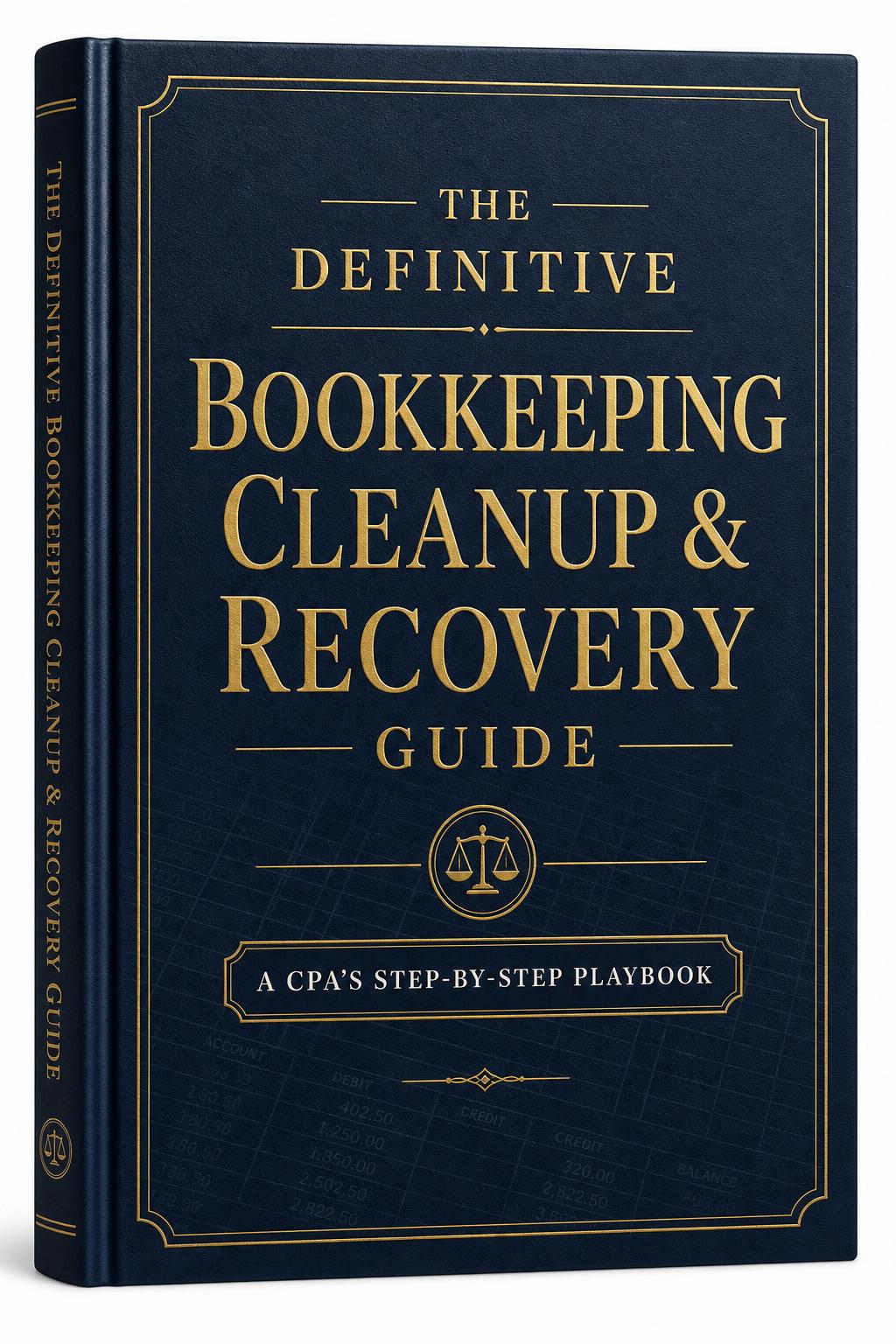
The Definitive Bookkeeping Cleanup & Recovery Guide
The CPA's step-by-step playbook for diagnosing messy books, reconstructing missing history, and restoring a clean, audit-ready ledger.

The Freelancer Tax Guide
The practical tax playbook for freelancers, contractors, and solo creatives — deductions, quarterly estimates, and self-employment strategies.

The Year-End Tax Planning Guide
The CPA's December playbook — practical strategies to reduce your tax bill before the year closes.
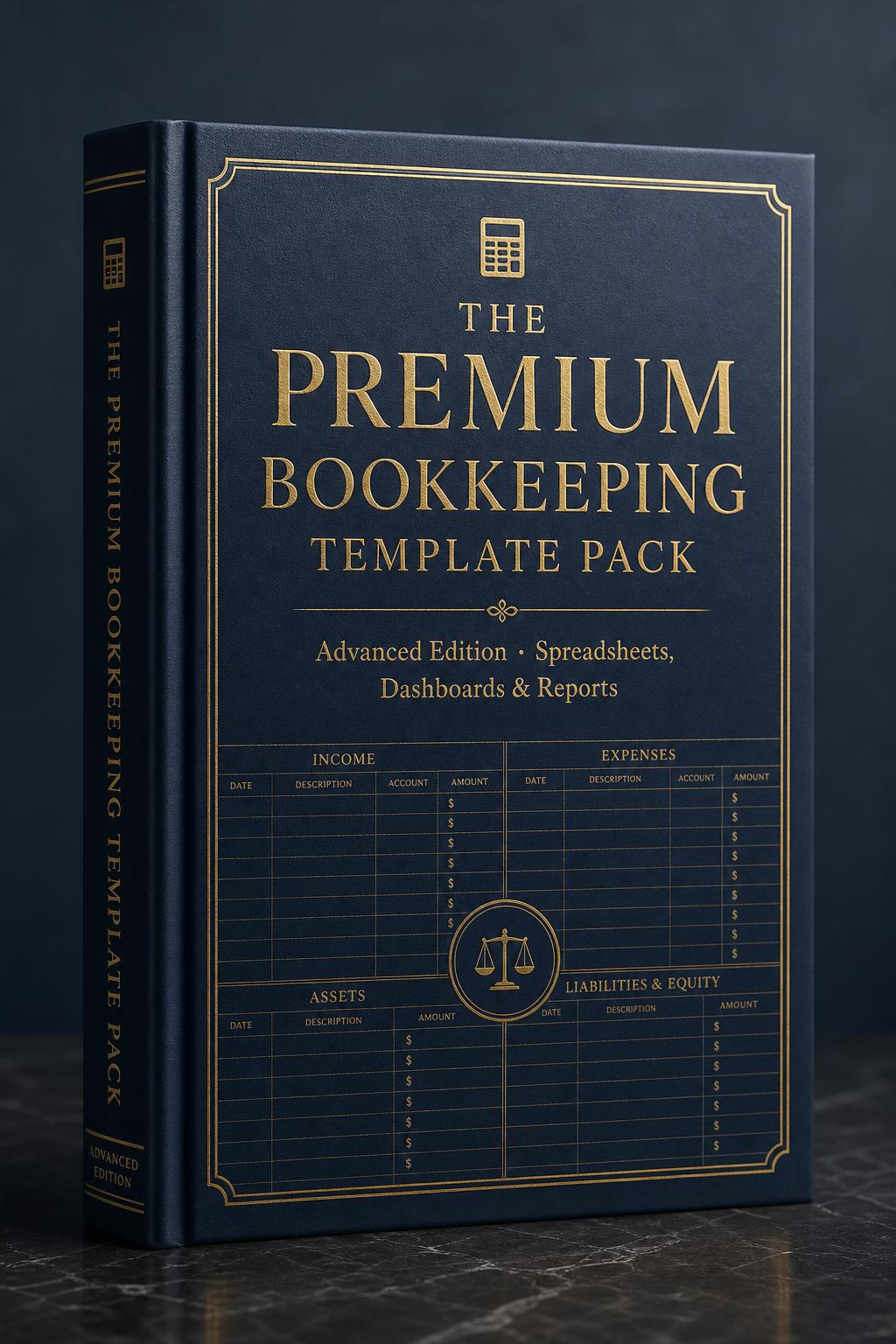
The Premium Bookkeeping Template Pack
Automated dashboards, multi-account reconciliations, and CPA-ready reporting workbooks for serious owners and bookkeepers.

Tax & Bookkeeping Resource Library
Our complete advisor-grade collection — every premium asset an owner needs to run clean books, lower taxes, and recover messy ledgers, in one bundle.