Cash Flow · 7 min read

How to Pay Yourself as a Business Owner

How you pay yourself depends on your entity, your profit, and how much risk you want with the IRS. The two big questions: which mechanism (draw, salary, distribution) and how much.

Sole prop and single-member LLC — owner draw

There is no payroll. You move money from the business account to your personal account whenever you need it. Every dollar of net profit is taxed (income tax plus 15.3% SE tax) whether you withdraw it or not.

Multi-member LLC and partnership — guaranteed payments + distributions

  • Guaranteed payments are owner compensation, deducted by the partnership
  • Distributions are profit splits per the operating agreement
  • Both flow through to the partner's personal return

S-Corp — reasonable W-2 salary + distributions

Owner-employees must run payroll and take a reasonable W-2 salary before pulling profit as a distribution. The salary is subject to payroll tax; the distribution is not. The IRS audits this — too-low salaries get recharacterized.

  • Benchmark salary against what you'd pay someone else for the role
  • Document the basis: industry comps, hours, responsibilities
  • File 941s quarterly and W-2 in January
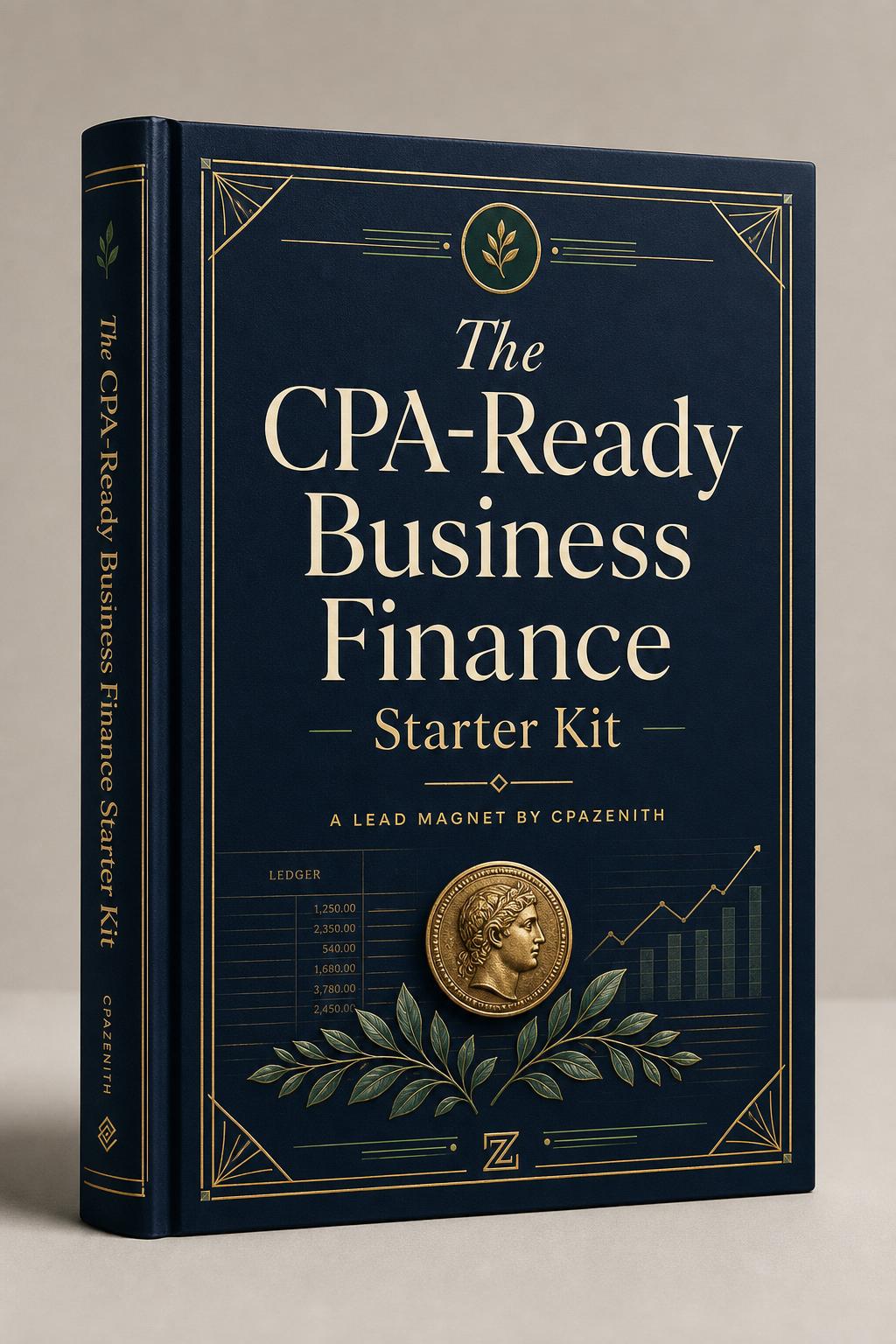
The CPA-Ready Business Finance Starter Kit cover

Free download

The CPA-Ready Business Finance Starter Kit

A practical, advisor-grade workbook for owners and founders — the foundations your CPA wishes every client showed up with. Books, taxes, cash flow, and entity decisions, in one place.

  • Monthly bookkeeping rhythm
  • Tax-ready document checklist
  • Entity & S-Corp decision guide
  • Cash flow & owner pay basics

No signup required. Informational only — consult your CPA for advice.

Ready for the next step?

See the full Lead-Magnet Funnel — from free checklist to advisor-grade systems.

Open the funnel

How much to pay yourself

  • Owner pay first — set a baseline you can live on every month
  • Reserve 25–35% of net profit for taxes in a separate account
  • Keep 1–3 months of operating cash in the business
  • Take additional distributions quarterly from what remains

Common mistakes

  • Treating draws as expenses (they aren't deductible)
  • Skipping payroll on an S-Corp and only taking distributions
  • Forgetting to set aside taxes from each draw
  • Co-mingling personal and business spending

Frequently asked

Can I pay myself before the business is profitable?

Yes — owners typically still need to take a draw. Just plan for the tax impact and avoid creating debt to fund draws long-term.

What is a reasonable S-Corp salary?

There is no fixed formula. Most CPAs benchmark using BLS or industry data and aim for what an arms-length employee would earn for the same role.

Recommended next step

Download the Small Business Tax & Profit Playbook

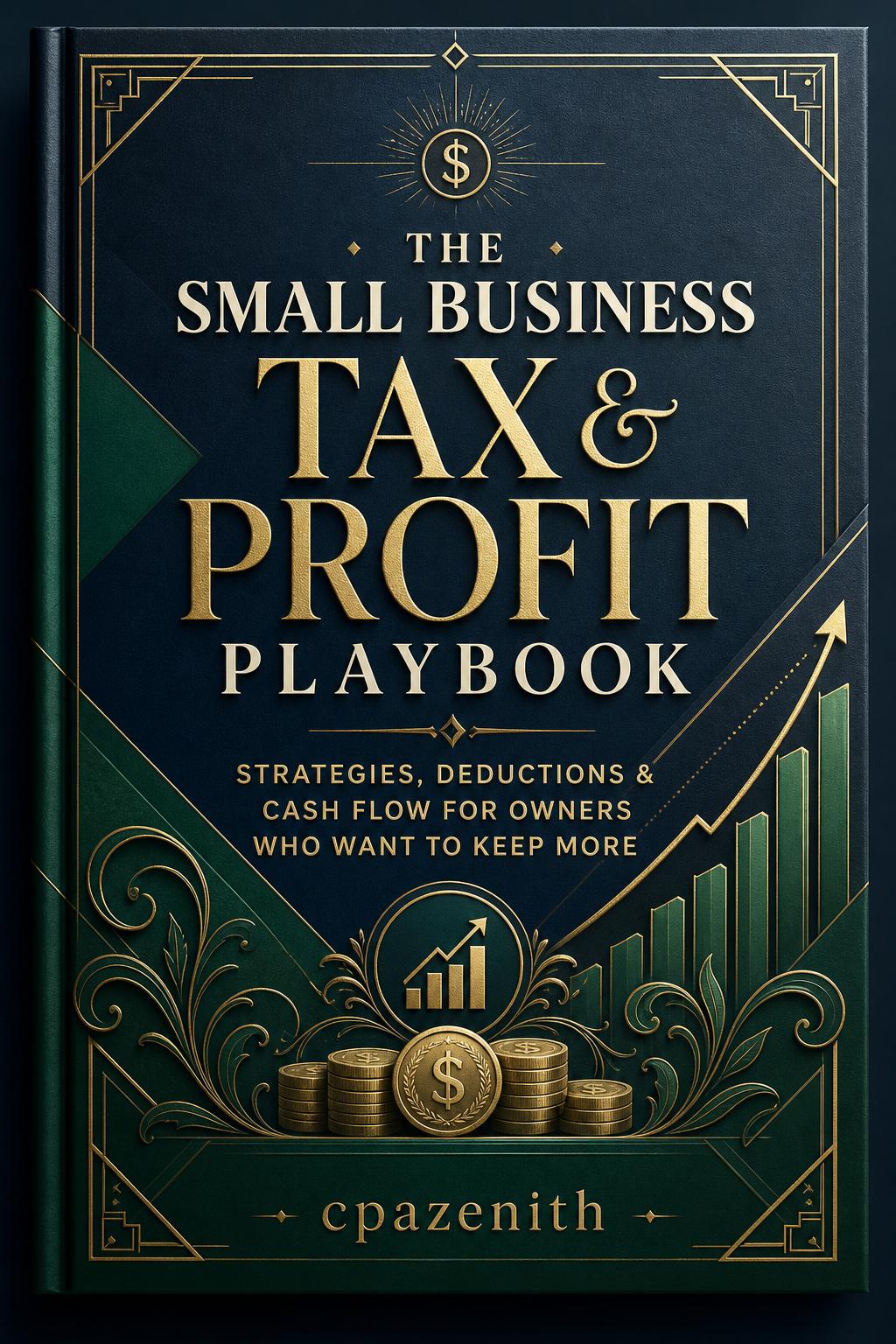
The CPA-grade playbook behind every guide in this cluster — 80+ deductions, quarterly tax planning, LLC vs. S-Corp strategy, owner pay, and cash flow systems in one PDF.

Next step

Need a real human? Find a verified CPA in your city.