Cash Flow · 7 min read

Fractional CFO Services: When Does a Startup Need One?

Many startups need financial leadership before they can afford a full-time Chief Financial Officer. That is where fractional CFO services can help. A fractional CFO provides high-level financial strategy on a part-time or outsourced basis. For growing startups, a fractional CFO can help with cash flow, forecasting, fundraising, pricing, budgeting, reporting, and financial decision-making.

What is a fractional CFO?

A fractional CFO is an experienced finance professional who works with a company part-time or on a contract basis. Unlike a bookkeeper or tax preparer, a fractional CFO focuses on strategy, planning, analysis, and financial leadership.

They help founders understand where the business is going, not just what happened in the past.

What does a fractional CFO do?

A fractional CFO may build financial forecasts, create budgets, review cash flow, prepare investor reports, analyze pricing, monitor key performance indicators, support fundraising, and advise on growth decisions.

They may also coordinate with accountants, bookkeepers, payroll providers, lenders, and investors.

When does a startup need a fractional CFO?

A startup may need a fractional CFO when the founder needs better financial visibility, is preparing to raise capital, is growing quickly, is struggling with cash flow, or needs help making strategic financial decisions.

If the business has revenue but lacks clear forecasting, budgeting, or reporting, a fractional CFO may be the right next step.

Signs you need CFO-level help

You may need fractional CFO services if you do not know your cash runway, your margins are unclear, expenses are rising quickly, or investors are asking for better financial reports.

You may also need help if you are deciding whether to hire, expand, borrow money, raise capital, launch a new product, or enter a new market.
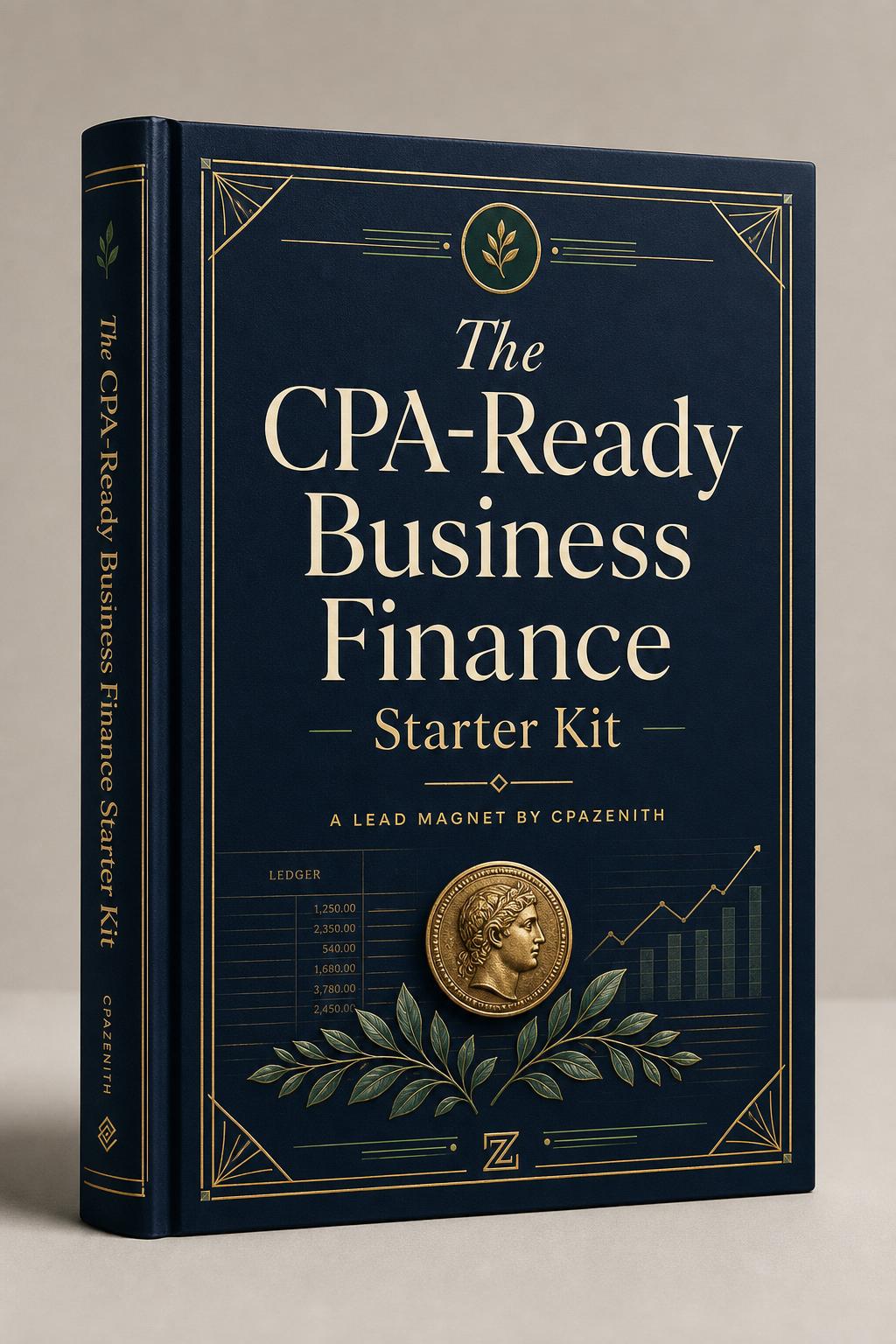
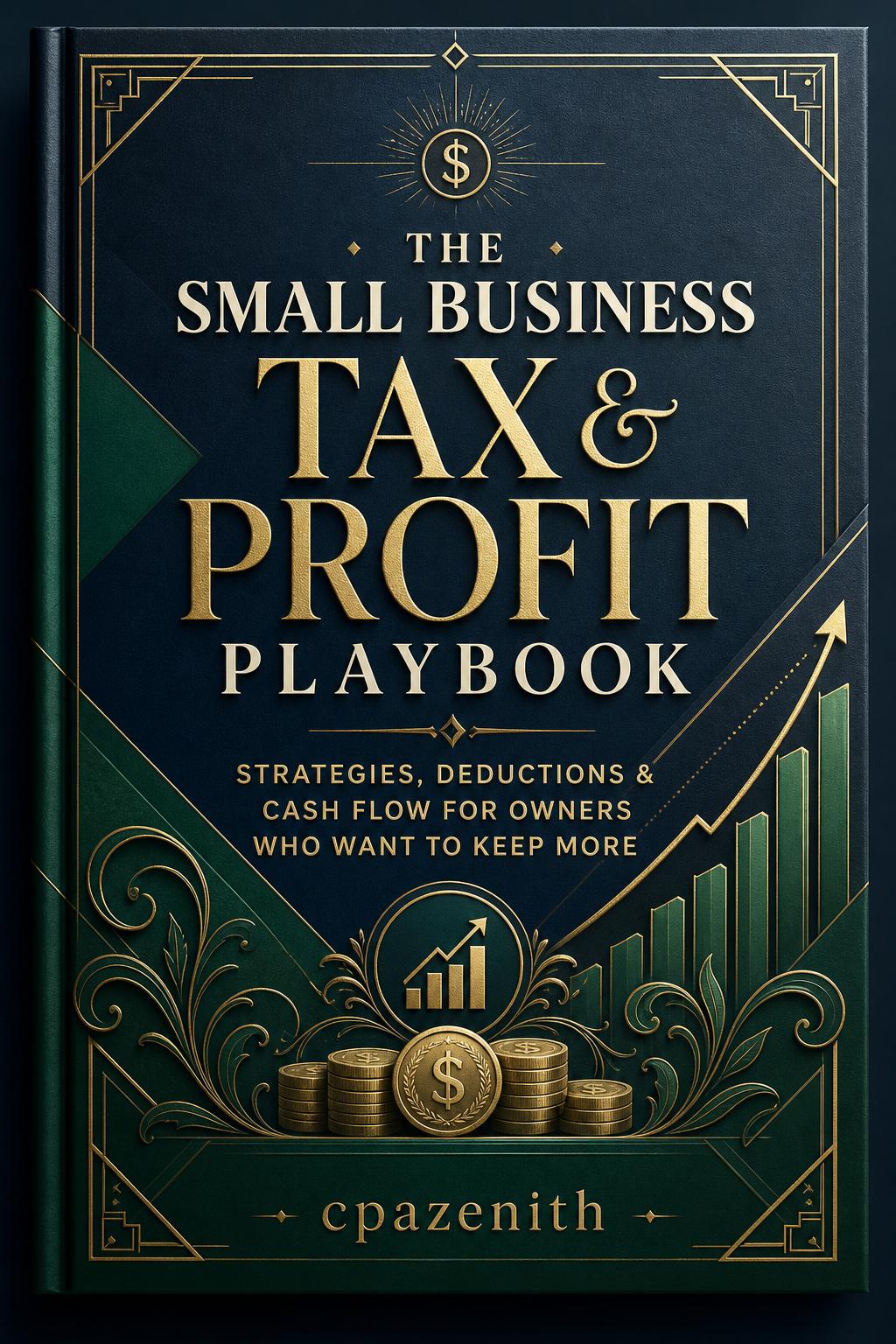
The CPA-Ready Business Finance Starter Kit cover

Free download

The CPA-Ready Business Finance Starter Kit

A practical, advisor-grade workbook for owners and founders — the foundations your CPA wishes every client showed up with. Books, taxes, cash flow, and entity decisions, in one place.

  • Monthly bookkeeping rhythm
  • Tax-ready document checklist
  • Entity & S-Corp decision guide
  • Cash flow & owner pay basics

No signup required. Informational only — consult your CPA for advice.

Ready for the next step?

See the full Lead-Magnet Funnel — from free checklist to advisor-grade systems.

Open the funnel

Fractional CFO vs CPA

A CPA often focuses on tax, compliance, accounting, and financial reporting. A fractional CFO focuses on financial strategy, forecasting, cash flow, and decision support.

Some firms offer both CPA and fractional CFO services, which can be valuable for startups that need tax compliance and strategic finance together.

Fractional CFO vs bookkeeper

A bookkeeper records transactions and maintains accurate books. A fractional CFO uses those books to guide decisions.

Without bookkeeping, the CFO does not have reliable data. Without CFO analysis, the founder may not know how to use the data.

How a fractional CFO supports fundraising

Startups preparing to raise capital need financial projections, investor-ready reports, use-of-funds planning, and clear assumptions. A fractional CFO can help prepare these materials and explain the financial story.

This support can make investor conversations more professional and credible.

Final thoughts

A startup needs a fractional CFO when financial decisions become too important to manage casually. If the company is growing, raising capital, or making major strategic moves, CFO-level guidance can be a smart investment.

Need financial strategy without hiring a full-time CFO? CPAZenith offers fractional CFO support for startups and growing businesses.

Frequently asked

How is a fractional CFO different from a CPA?

A CPA focuses on tax, compliance, and accounting. A fractional CFO focuses on forward-looking strategy — forecasting, budgeting, cash flow, fundraising, and decision support.

When can a startup afford a fractional CFO?

Most startups bring one on once monthly revenue and decision complexity make the cost of bad financial choices higher than the cost of part-time CFO support — often well before a full-time CFO is feasible.

Next step

Need a real human? Find a verified CPA in your city.