Bookkeeping · 7 min read

Chart of Accounts for Small Businesses

Your chart of accounts is the backbone of your books. Get it right and every report tells a clear story; get it wrong and you'll be re-categorizing transactions for years.

The five account types

  • Assets — what the business owns (cash, AR, equipment)
  • Liabilities — what the business owes (AP, loans, credit cards)
  • Equity — owner contributions, distributions, retained earnings
  • Income — revenue from operations
  • Expenses — costs of operating the business

A standard numbering convention

  • 1000s — Assets
  • 2000s — Liabilities
  • 3000s — Equity
  • 4000s — Income
  • 5000s — Cost of Goods Sold
  • 6000s — Operating Expenses
  • 7000s — Other Income / Expense
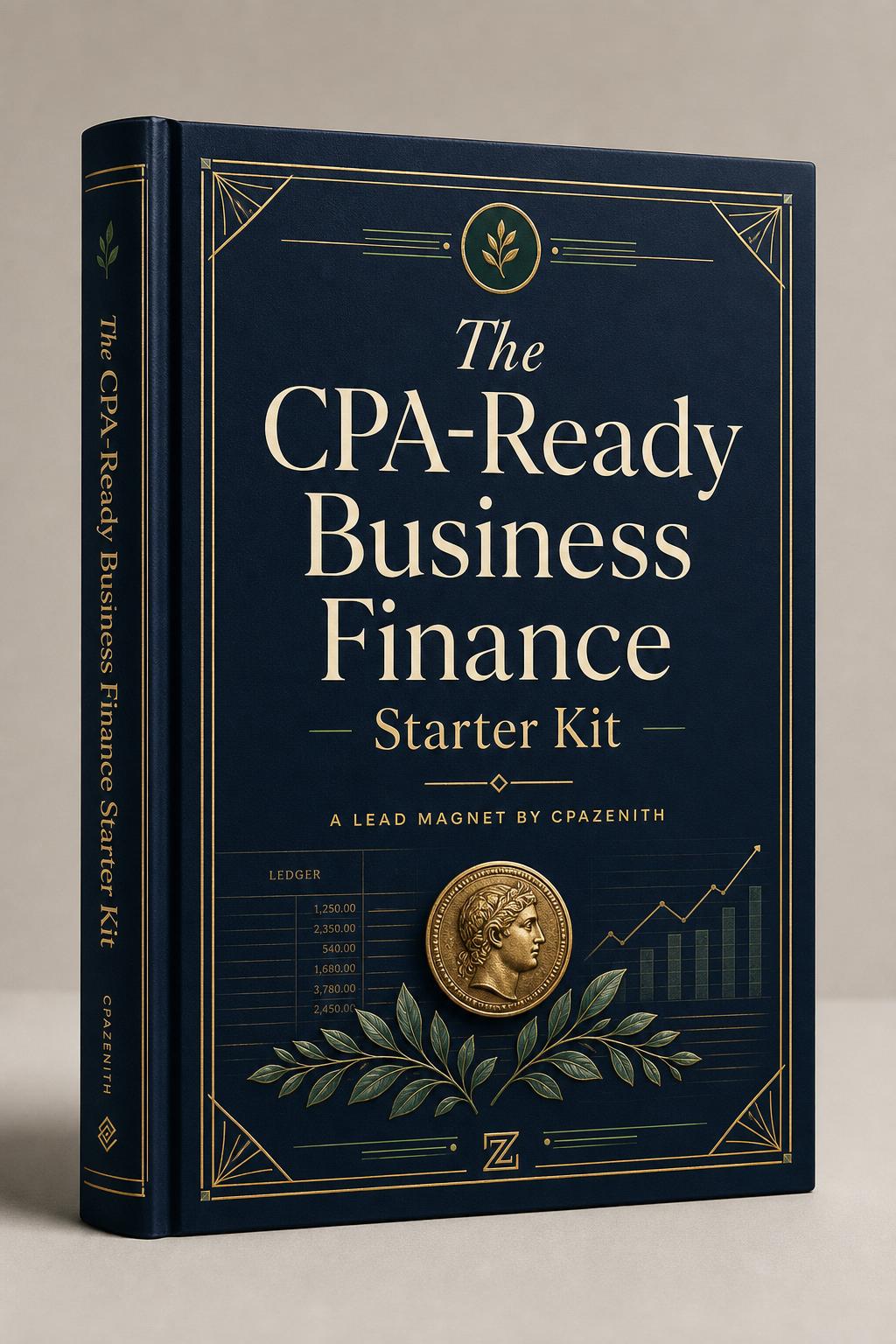
The CPA-Ready Business Finance Starter Kit cover

Free download

The CPA-Ready Business Finance Starter Kit

A practical, advisor-grade workbook for owners and founders — the foundations your CPA wishes every client showed up with. Books, taxes, cash flow, and entity decisions, in one place.

  • Monthly bookkeeping rhythm
  • Tax-ready document checklist
  • Entity & S-Corp decision guide
  • Cash flow & owner pay basics

No signup required. Informational only — consult your CPA for advice.

Ready for the next step?

See the full Lead-Magnet Funnel — from free checklist to advisor-grade systems.

Open the funnel

Keep it lean — start with these accounts

  • Operating Bank, Savings, Merchant Clearing
  • Accounts Receivable, Accounts Payable, Credit Card
  • Owner Contributions, Owner Draws / Distributions, Retained Earnings
  • Sales / Service Revenue (split by line of business if material)
  • COGS (only if you sell physical product or have direct labor)
  • Standard operating expenses: rent, payroll, software, marketing, travel, meals, professional fees, insurance, supplies

Mistakes that ruin the chart

  • Creating an account for every vendor (use vendor names instead)
  • Mixing personal categories into business accounts
  • Renaming default accounts mid-year (breaks trend reports)
  • Sub-accounts five levels deep that no one will ever read

Frequently asked

Should I use the default chart of accounts in QuickBooks?

Start with it, but trim aggressively. Most defaults include 40+ accounts a small business will never use. Fewer, well-named accounts produce more useful reports.

How often should I edit the chart of accounts?

Rarely, and never mid-year if you can avoid it. Mergers of accounts mid-year break month-over-month and year-over-year comparisons.

Recommended next step

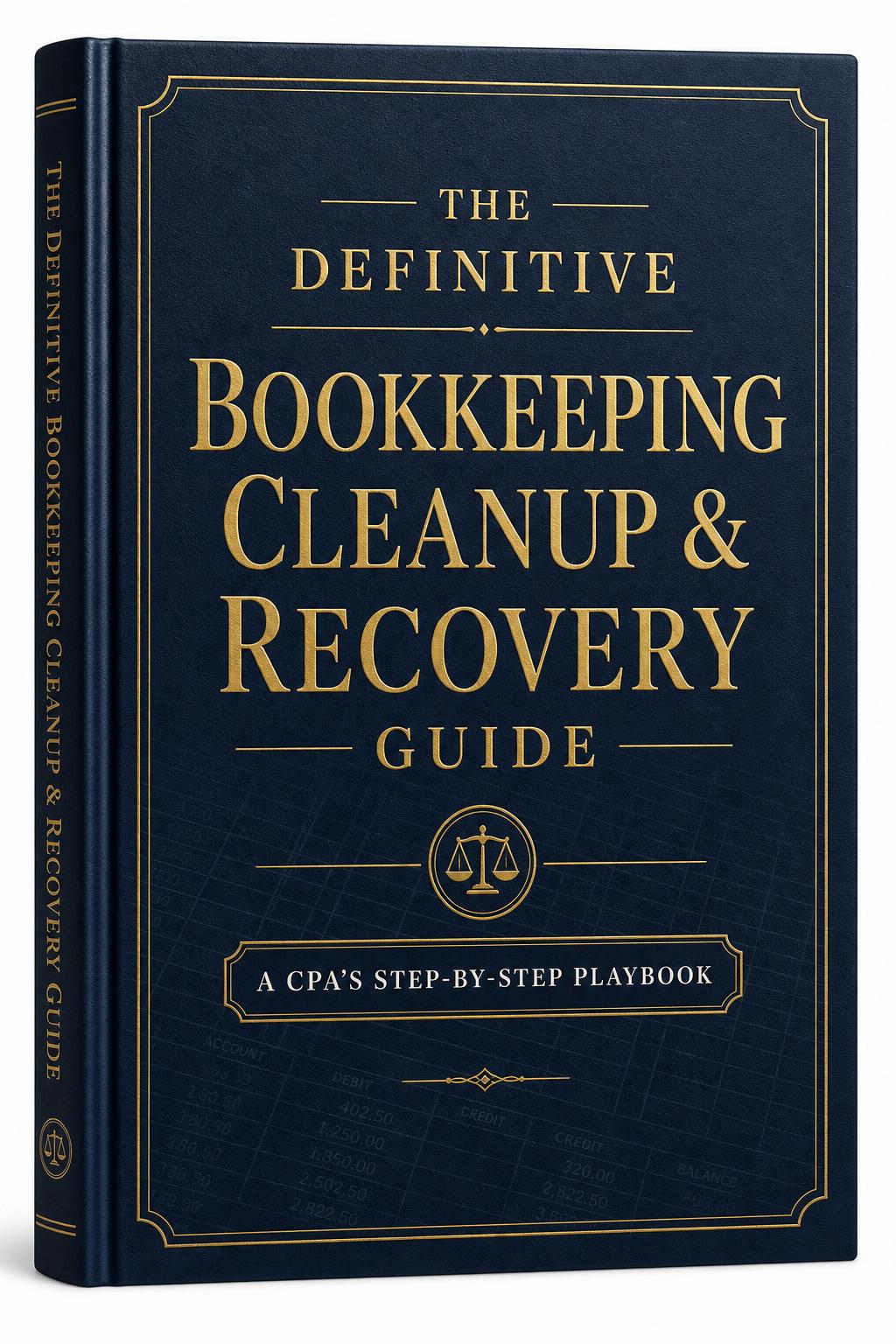
Download the Bookkeeping Template Pack or Bookkeeping Cleanup Guide

Two CPA-built resources behind every guide in this cluster — pick the templates if your books are current, or the cleanup guide if you're catching up.

Bookkeeping Template Pack

Automated P&L, balance sheet, cash flow & reconciliations

Bookkeeping Cleanup Guide

Step-by-step playbook to fix messy or behind books

Next step

Need a real human? Find a verified CPA in your city.