Bookkeeping · 6 min read

Bookkeeper vs CPA

Owners often hire a CPA when what they actually need is a bookkeeper — and pay 3x for the privilege. Here's how the two roles differ and how to staff them in order.

What a bookkeeper does

  • Records and categorizes daily transactions
  • Reconciles bank, credit card, and merchant accounts monthly
  • Produces P&L and balance sheet reports
  • Manages AP, AR, and basic payroll workflows
  • Keeps the books CPA-ready throughout the year

What a CPA does

  • Prepares and files federal and state tax returns
  • Advises on entity structure, owner pay, and tax strategy
  • Represents you in front of the IRS
  • Reviews or audits financial statements for lenders or investors
  • Handles complex transactions (sales, acquisitions, equity grants)

The CPA-Ready Business Finance Starter Kit cover

Free download

The CPA-Ready Business Finance Starter Kit

A practical, advisor-grade workbook for owners and founders — the foundations your CPA wishes every client showed up with. Books, taxes, cash flow, and entity decisions, in one place.

  • Monthly bookkeeping rhythm
  • Tax-ready document checklist
  • Entity & S-Corp decision guide
  • Cash flow & owner pay basics

No signup required. Informational only — consult your CPA for advice.

Ready for the next step?

See the full Lead-Magnet Funnel — from free checklist to advisor-grade systems.

Open the funnel

Typical cost difference

  • Bookkeeper: $40–$100/hour or $300–$800/month flat fee
  • CPA: $150–$400/hour, plus annual return fees of $800–$3,500+
  • Using a CPA to do bookkeeping work is the most common money leak in small business finance

Who to hire first

Most owners should hire a bookkeeper first to keep the books current, then engage a CPA quarterly or annually for tax work and planning. The bookkeeper feeds clean data to the CPA — that division of labor is what keeps fees down.

Frequently asked

Can one person do both roles?

Sometimes. A CPA firm with a bookkeeping team can handle both, but you'll usually pay separately for each service. The roles are distinct disciplines even when housed under one roof.

When should I upgrade from bookkeeper to CPA?

You don't upgrade — you add. As the business grows, you keep the bookkeeper for daily work and bring on a CPA for tax strategy, planning, and complex filings.

Recommended next step

Download the Bookkeeping Template Pack or Bookkeeping Cleanup Guide

Two CPA-built resources behind every guide in this cluster — pick the templates if your books are current, or the cleanup guide if you're catching up.

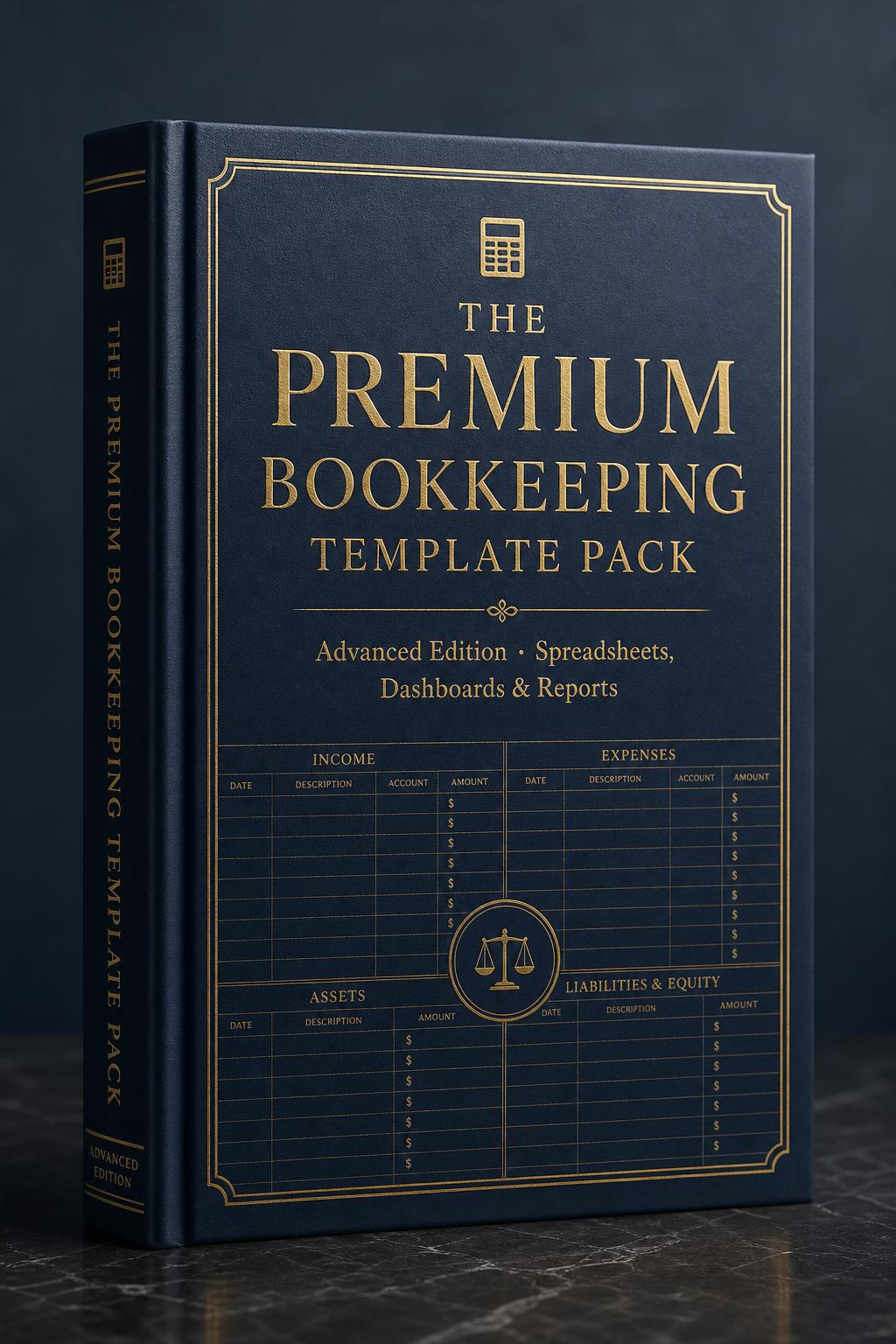
Bookkeeping Template Pack

Automated P&L, balance sheet, cash flow & reconciliations

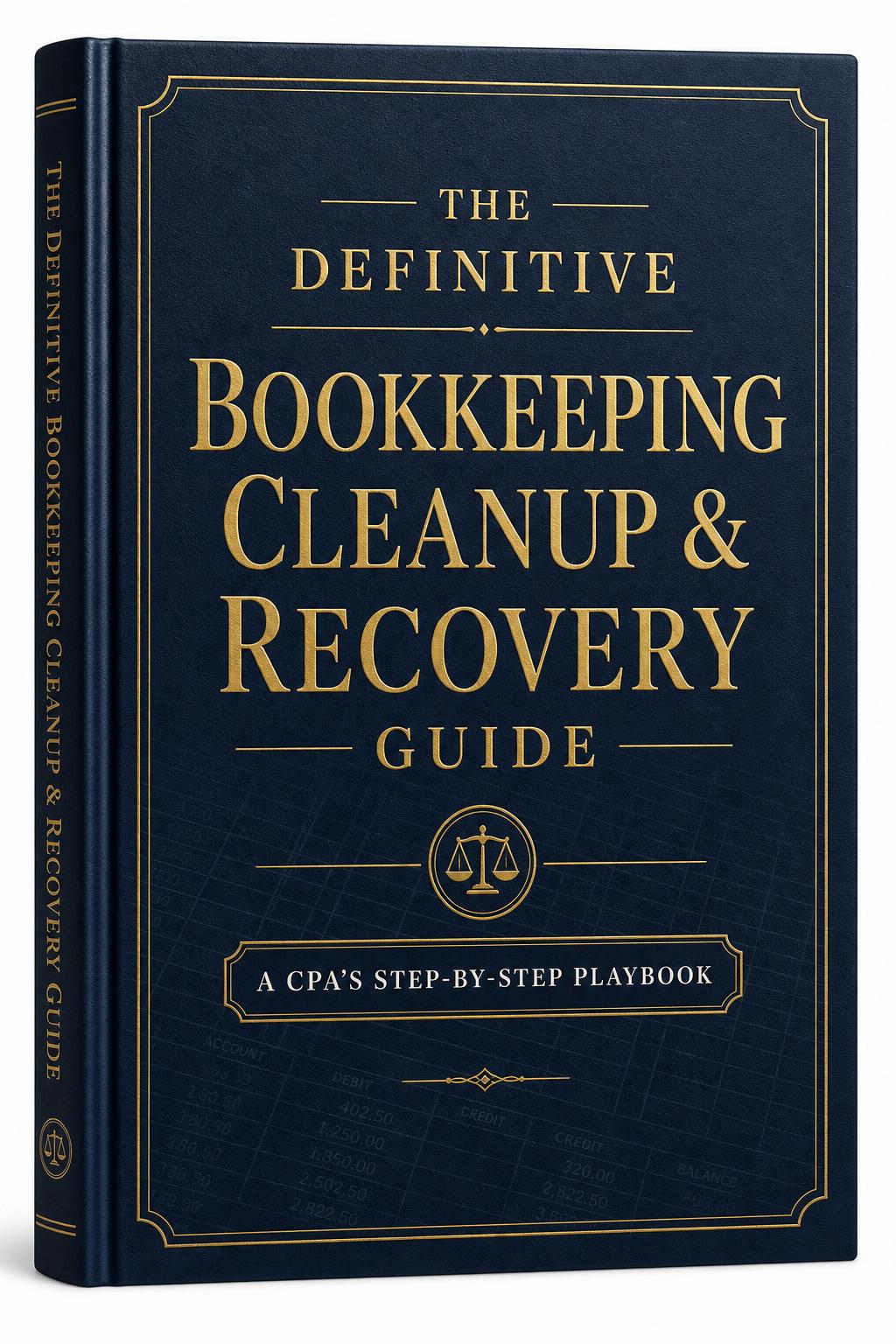
Bookkeeping Cleanup Guide

Step-by-step playbook to fix messy or behind books

Next step

Need a real human? Find a verified CPA in your city.