Bookkeeping · 7 min read

Balance Sheet Explained

If the P&L shows performance, the balance sheet shows position. It's a snapshot of what the business owns, what it owes, and what's left for the owner — on a single date.

The three sections

  • Assets — cash, AR, inventory, equipment, prepaid expenses
  • Liabilities — AP, credit cards, accrued payroll, loans
  • Equity — owner contributions, distributions, retained earnings

The accounting equation

Assets = Liabilities + Equity. Always. If the balance sheet doesn't balance, the books are broken — not the report.
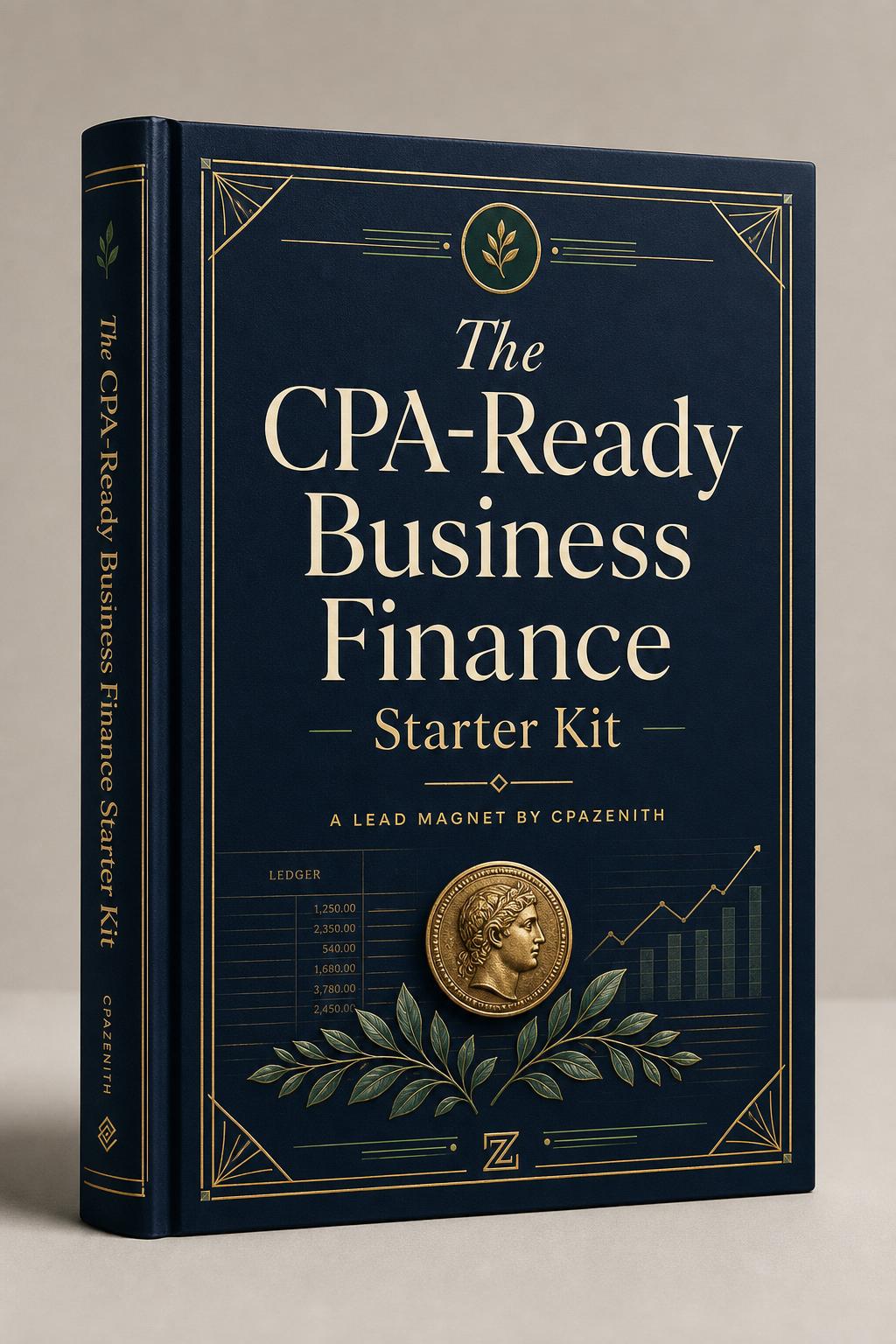
The CPA-Ready Business Finance Starter Kit cover

Free download

The CPA-Ready Business Finance Starter Kit

A practical, advisor-grade workbook for owners and founders — the foundations your CPA wishes every client showed up with. Books, taxes, cash flow, and entity decisions, in one place.

  • Monthly bookkeeping rhythm
  • Tax-ready document checklist
  • Entity & S-Corp decision guide
  • Cash flow & owner pay basics

No signup required. Informational only — consult your CPA for advice.

Ready for the next step?

See the full Lead-Magnet Funnel — from free checklist to advisor-grade systems.

Open the funnel

What owners should actually look at

  • Cash balance — does it match the bank?
  • Accounts Receivable — is anything over 60 days old?
  • Credit Card balances — paid down or growing?
  • Loan balances — matching the lender amortization?
  • Retained Earnings — moves only by net income and prior-period adjustments

Red flags that signal a bookkeeping problem

  • Negative cash on an account (means missing deposits)
  • Negative AR or negative AP (categorization errors)
  • Opening Balance Equity with a non-zero amount (incomplete setup)
  • Retained Earnings that swings unexpectedly mid-year
  • Undeposited Funds growing every month

Frequently asked

How often should I review the balance sheet?

Monthly, right after closing the books. Owners often look only at the P&L and miss balance sheet errors that distort tax filings.

Why does my retained earnings number look wrong?

Retained earnings should only change when you close a fiscal year or post a prior-period adjustment. Mid-year changes almost always mean a transaction was posted directly to it by accident.

Recommended next step

Download the Bookkeeping Template Pack or Bookkeeping Cleanup Guide

Two CPA-built resources behind every guide in this cluster — pick the templates if your books are current, or the cleanup guide if you're catching up.

Bookkeeping Template Pack

Automated P&L, balance sheet, cash flow & reconciliations

Bookkeeping Cleanup Guide

Step-by-step playbook to fix messy or behind books

Next step

Need a real human? Find a verified CPA in your city.