Tax · 8 min read
How to Prepare for Tax Season as a Small Business Owner
Tax season pain is almost always a bookkeeping problem in disguise. The owners who breeze through April are the ones who closed December cleanly, reconciled their accounts, and walked into the CPA meeting with a tidy file — not a shoebox.
Step 1 — Close the books for December
- Reconcile every bank, credit card, and loan account through 12/31
- Categorize the last month of transactions
- Book year-end journal entries (depreciation, accruals, owner draws)
- Lock the prior year so categories stop drifting
Step 2 — Pull the documents your CPA will ask for
- Year-end P&L, balance sheet, and general ledger
- Bank, credit card, and loan statements (12/31 balances)
- Payroll reports (W-2s, W-3, 941s) and 1099s filed
- Asset purchases over $2,500 with invoices
- Vehicle mileage log and home office square footage
- Health insurance, retirement, and HSA contributions
Step 3 — Run a deduction sweep
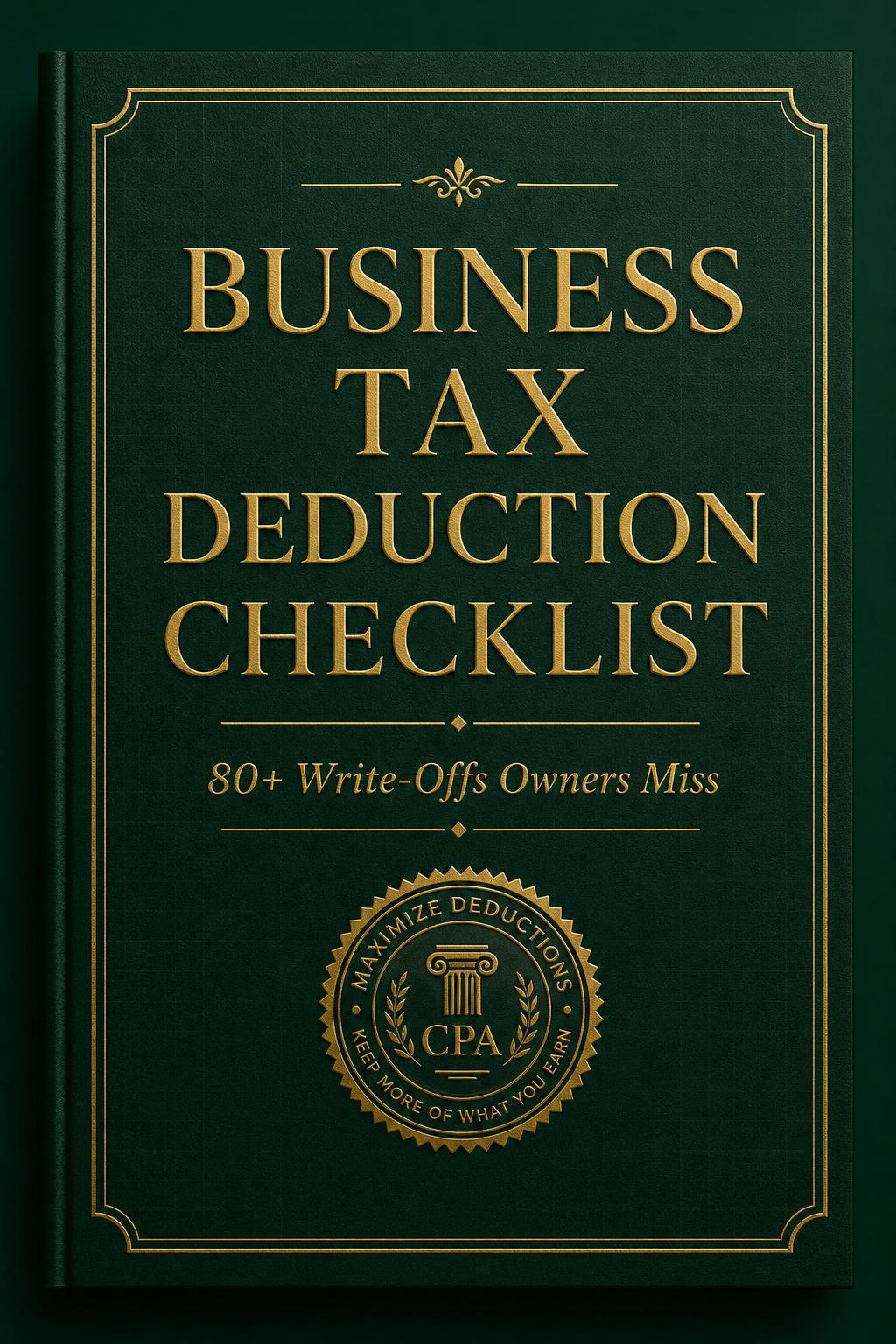
Go category by category through the deduction checklist before your CPA appointment. The categories owners miss most: software subscriptions paid on personal cards, mileage, home office, education, business gifts, and bank/merchant fees.