Tax · 7 min read

How to Choose a Small Business CPA

The right CPA pays for themselves in deductions, planning, and time you get back. The wrong one costs you twice — once in fees, once in missed strategy. Pick deliberately.

Verify the credentials

  • Active CPA license in their state (search the state board of accountancy)
  • Active PTIN with the IRS
  • No open disciplinary actions
  • EA, CPA, or attorney if they'll represent you before the IRS

Match fit to your situation

  • Experience with your entity type (S-Corp, LLC, partnership)
  • Experience with your industry (real estate, e-commerce, professional services)
  • Comfortable with your software stack (QuickBooks, Xero, payroll provider)
  • Available for planning calls year-round, not just at filing

Understand the fee structure

  • Flat fee vs. hourly — flat fees are easier to budget
  • What's included: return prep, bookkeeping review, planning, IRS notices
  • Out-of-scope work pricing and approval process
  • Whether prior-year returns are included in the engagement
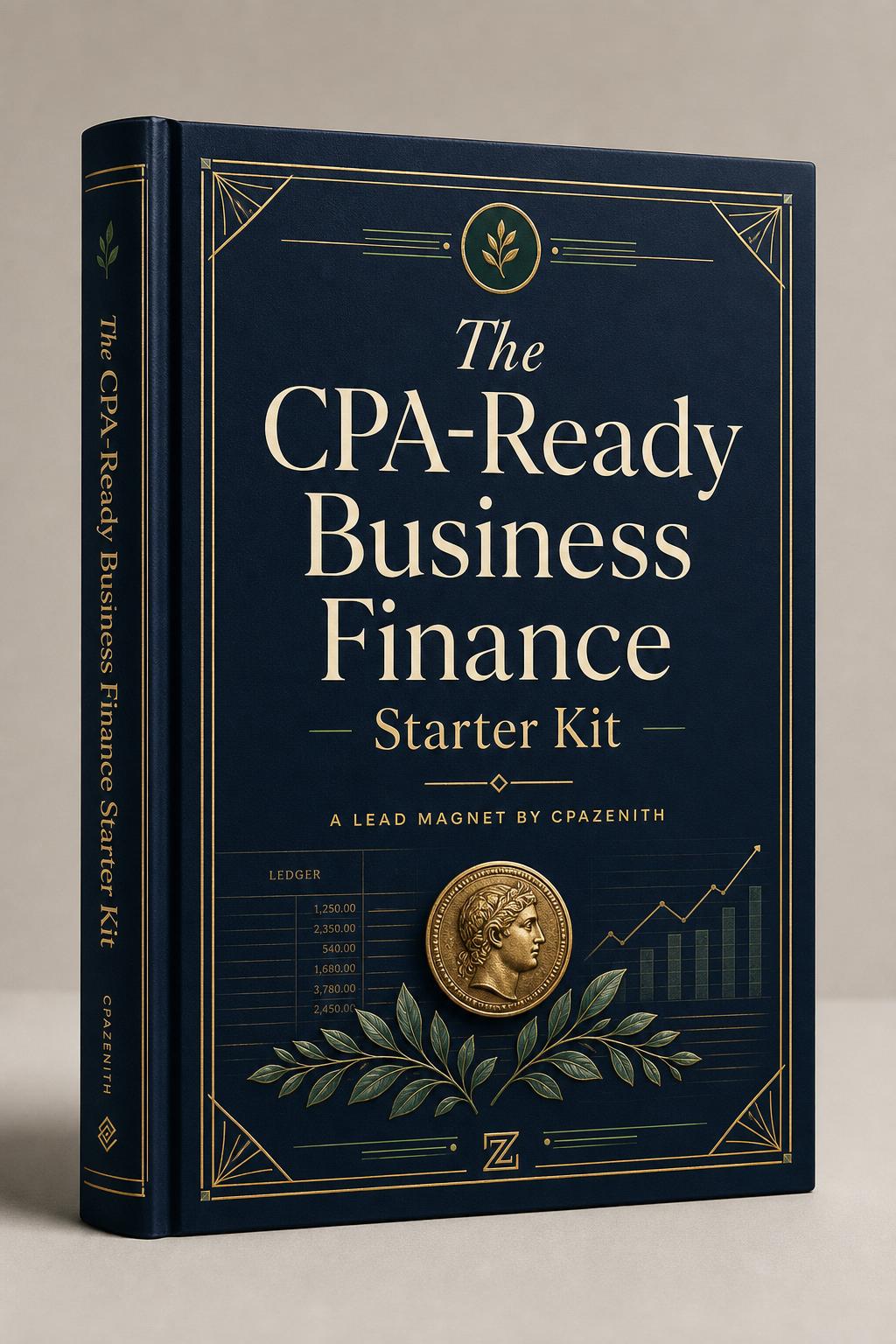
The CPA-Ready Business Finance Starter Kit cover

Free download

The CPA-Ready Business Finance Starter Kit

A practical, advisor-grade workbook for owners and founders — the foundations your CPA wishes every client showed up with. Books, taxes, cash flow, and entity decisions, in one place.

  • Monthly bookkeeping rhythm
  • Tax-ready document checklist
  • Entity & S-Corp decision guide
  • Cash flow & owner pay basics

No signup required. Informational only — consult your CPA for advice.

Ready for the next step?

See the full Lead-Magnet Funnel — from free checklist to advisor-grade systems.

Open the funnel

Questions to ask in the first call

  • Who actually prepares the return — you or a staff preparer?
  • How do you handle planning during the year?
  • How do you communicate (portal, email, phone)?
  • What does a typical client like me pay annually, all in?
  • If I bring you a deduction question in July, what's the response time?

Red flags that should stop you

  • Guaranteed refunds or aggressive promises before reviewing your situation
  • Refusal to sign the return as preparer
  • Fees based on a percentage of your refund
  • No engagement letter or written scope
  • Won't share their license number or PTIN

Frequently asked

Do I need a CPA or is an EA enough?

Both can prepare returns and represent you before the IRS. CPAs typically handle more complex entity and planning work; EAs are tax specialists and often more affordable for straightforward returns.

How much should I expect to pay?

Small business returns typically run $800–$3,500 depending on entity type, complexity, and whether bookkeeping is included. Planning retainers add on top.

Recommended next step

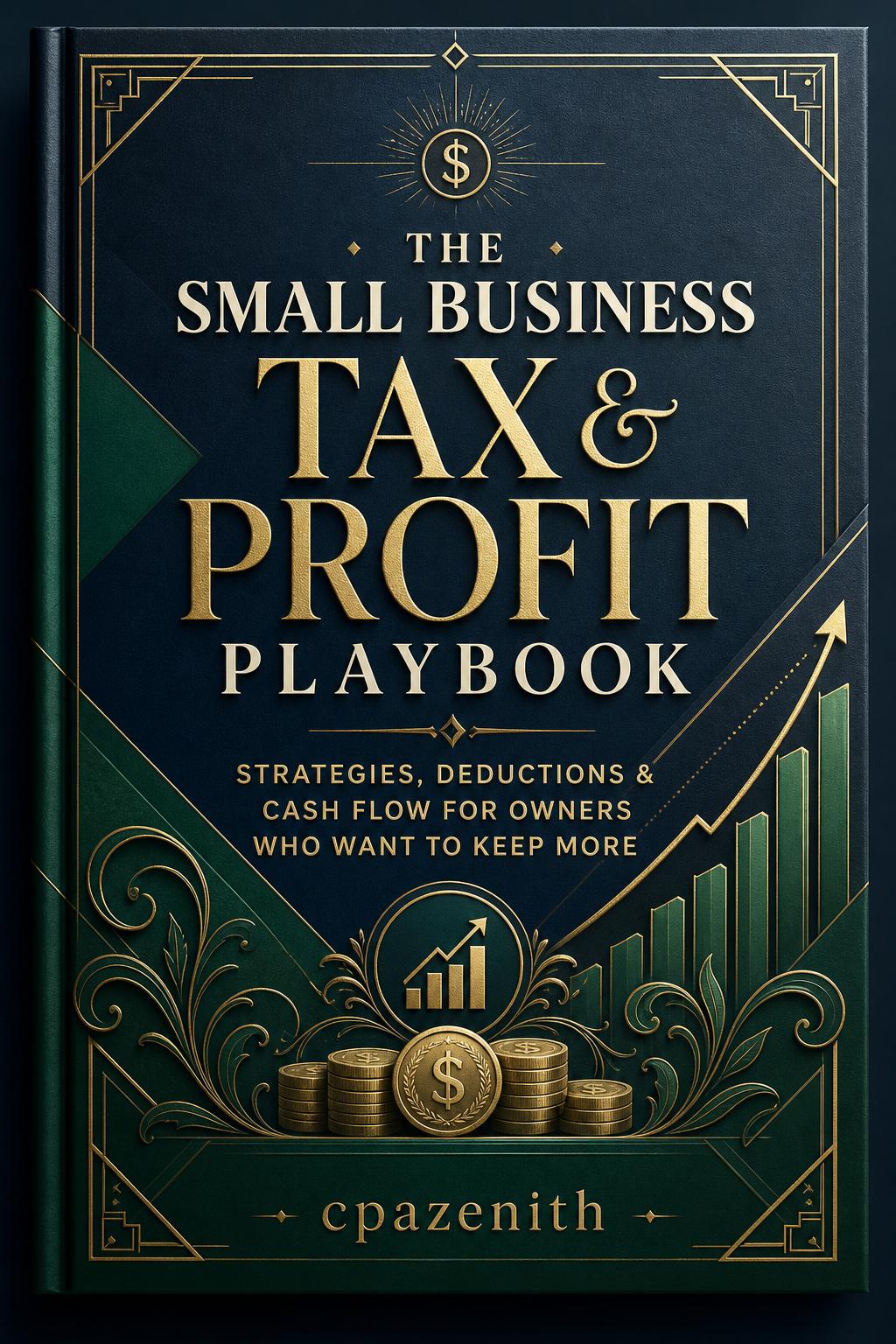
Download the Small Business Tax & Profit Playbook

The CPA-grade playbook behind every guide in this cluster — 80+ deductions, quarterly tax planning, LLC vs. S-Corp strategy, owner pay, and cash flow systems in one PDF.

Next step

Need a real human? Find a verified CPA in your city.