Tax · 7 min read

CPA for Startups: When Should a Founder Hire One?

Starting a business is exciting, but the financial side can become complicated quickly. Many founders begin with a spreadsheet, a bank account, and a simple bookkeeping app. That may work in the earliest stage, but as revenue grows, expenses increase, investors enter the picture, or payroll begins, a startup often needs more than basic bookkeeping. A Certified Public Accountant, or CPA, can help founders make smarter decisions about taxes, entity structure, cash flow, compliance, and financial reporting. The right time to hire one is usually earlier than most founders think.

What does a CPA do for a startup?

A CPA helps a startup move from informal financial tracking to professional financial management. This may include tax planning, entity selection, bookkeeping oversight, payroll compliance, financial statements, investor reporting, and year-end tax preparation.

For startups, the CPA's role is not only to file tax returns. A good CPA helps founders understand how financial decisions today may affect taxes, funding, profitability, and future exits.

When should a founder hire a CPA?

A founder should consider hiring a CPA when the business moves beyond the idea stage and begins handling real money. This includes receiving customer payments, paying contractors, buying equipment, raising capital, applying for loans, or hiring employees.

A CPA is especially valuable when the founder is choosing between an LLC, S corporation, C corporation, partnership, or sole proprietorship. Business structure affects taxation, liability, investor readiness, payroll requirements, and how profits are distributed.

Signs your startup needs a CPA

You may need a CPA if you are unsure how to separate personal and business finances, how to classify workers, how to deduct expenses, or how to prepare for estimated tax payments. You may also need one if your startup is growing fast, operating in multiple states, preparing for outside investment, or dealing with complex founder equity.

Another clear sign is when your books no longer give you confidence. If you do not know your true monthly profit, cash burn, tax liability, or runway, a CPA can help clean up your financial system and establish reliable reporting.

CPA vs bookkeeper for startups

A bookkeeper records transactions, reconciles accounts, and keeps financial records organized. A CPA provides higher-level tax, compliance, and advisory services. Most startups eventually need both.

A bookkeeper helps keep the books accurate each month. A CPA reviews the financial picture, prepares tax filings, provides strategy, and helps avoid costly mistakes. Together, they create a financial system that supports growth.
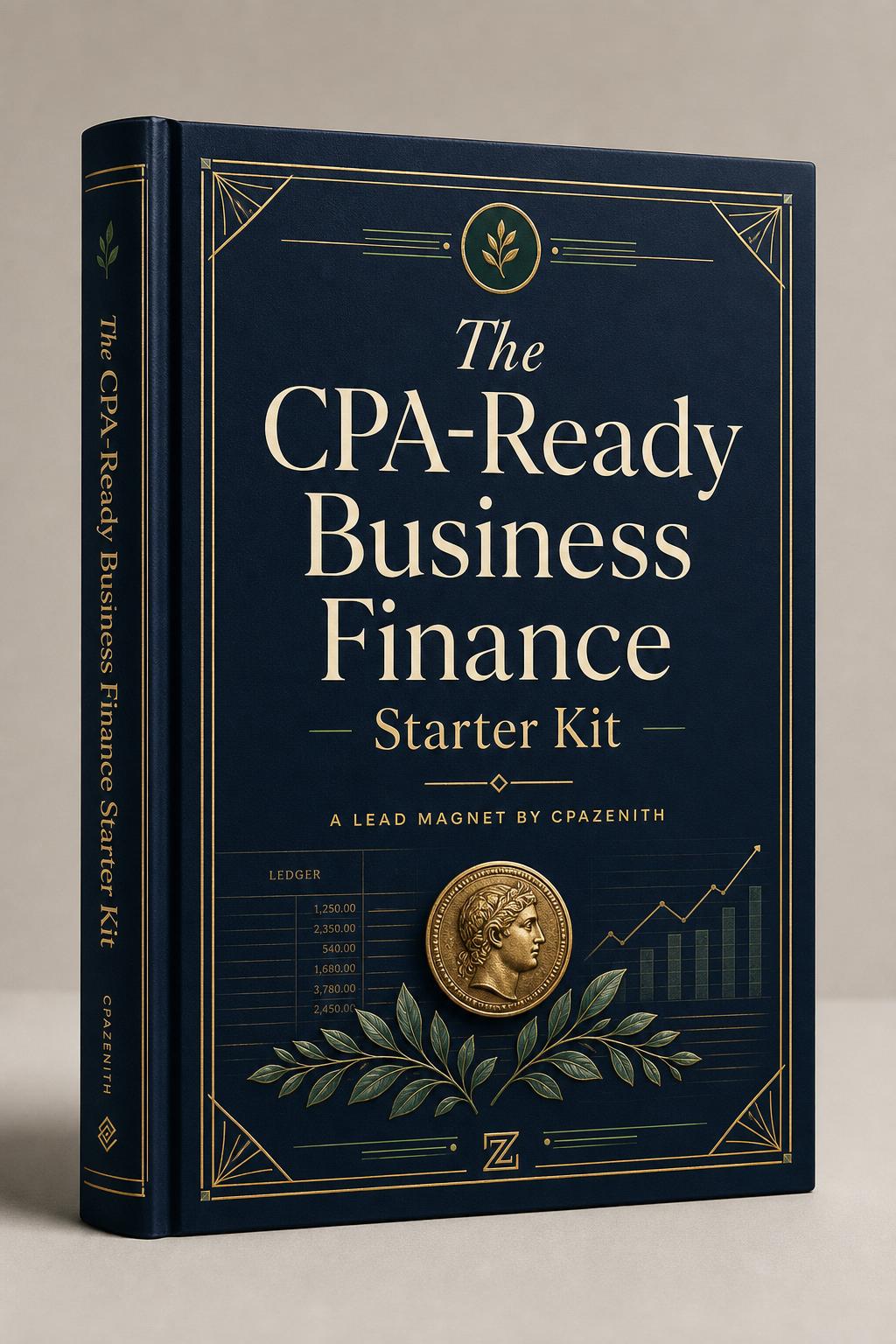
The CPA-Ready Business Finance Starter Kit cover

Free download

The CPA-Ready Business Finance Starter Kit

A practical, advisor-grade workbook for owners and founders — the foundations your CPA wishes every client showed up with. Books, taxes, cash flow, and entity decisions, in one place.

  • Monthly bookkeeping rhythm
  • Tax-ready document checklist
  • Entity & S-Corp decision guide
  • Cash flow & owner pay basics

No signup required. Informational only — consult your CPA for advice.

Ready for the next step?

See the full Lead-Magnet Funnel — from free checklist to advisor-grade systems.

Open the funnel

How a CPA helps with taxes

Startups often miss deductions, misclassify expenses, or fail to plan for taxes until the end of the year. A CPA can help estimate tax obligations, identify deductible expenses, prepare federal and state filings, and advise on payroll taxes, sales taxes, and contractor payments.

For founder-led businesses, tax planning is especially important because the owner's personal tax return and business activity may be closely connected.

How a CPA helps with funding

If your startup plans to raise capital, apply for financing, or bring in partners, clean financial records matter. Investors and lenders may want to see accurate profit and loss statements, balance sheets, cash flow reports, projections, and tax returns.

A CPA can help prepare financials that look professional and support credibility during due diligence.

Questions to ask before hiring a startup CPA

Before hiring a CPA, ask whether they work with startups in your industry. Ask if they understand entity planning, payroll, contractor reporting, investor reporting, and tax planning for growing businesses.

You should also ask how they communicate, what accounting software they support, how often they review your books, and whether they provide proactive advice or only tax filing.

Final thoughts

A founder should hire a CPA when the business becomes financially active, not only when tax season arrives. The earlier you set up the right accounting and tax foundation, the easier it becomes to grow, raise capital, manage cash flow, and avoid compliance problems.

Need startup accounting, tax planning, or CPA guidance? Contact CPAZenith to discuss the right financial setup for your growing business.

Frequently asked

When is the right time to hire a CPA for my startup?

As soon as the business starts handling real money — taking customer payments, paying contractors, buying equipment, raising capital, or hiring employees. Earlier is almost always better than waiting until tax season.

Do I need both a bookkeeper and a CPA?

Most growing startups do. The bookkeeper keeps records accurate every month and the CPA handles tax strategy, compliance, and advisory work. They are complementary, not interchangeable.

Recommended next step

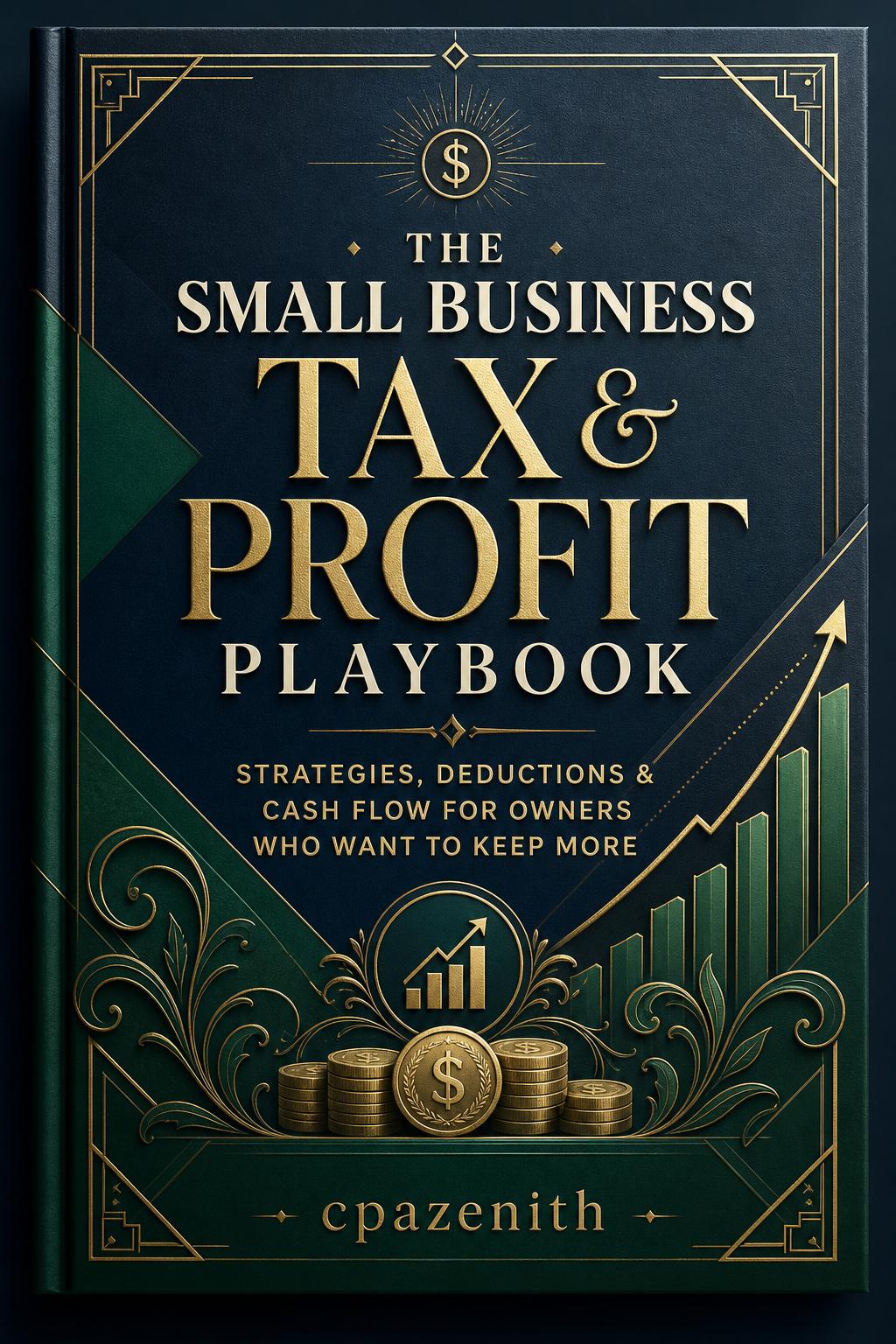
Download the Small Business Tax & Profit Playbook

The CPA-grade playbook behind every guide in this cluster — 80+ deductions, quarterly tax planning, LLC vs. S-Corp strategy, owner pay, and cash flow systems in one PDF.

Next step

Need a real human? Find a verified CPA in your city.