Ohio · Business Tax Services
Find Business Tax Services in Ohio
Ongoing business tax support — not just an annual return, but ongoing compliance, quarterly filings, and planning throughout the year. Compare providers who treat tax as a relationship, not a once-a-year event. Serving businesses across Ohio — Ohio's accountants serve Fortune 500 headquarters, manufacturing, and a vibrant Midwest small-business economy.
Why Ohio clients hire business tax
Local context for business tax services in Ohio
Dominant industries statewide
- Manufacturing
- Healthcare
- Insurance & finance
- Logistics
- Agriculture
Ohio tax climate
Ohio has no traditional corporate income tax — instead, the Commercial Activity Tax (CAT) applies to gross receipts above $3M. Personal income tax tops at 3.5%. Municipal income taxes (RITA / CCA) apply in most cities and are a frequent compliance pain point.
When to hire
- You want proactive tax planning, not just annual filing
- You're missing quarterly estimated tax deadlines
- Your entity structure hasn't been reviewed in years
- You operate in multiple states with different filing obligations
- You want one provider tracking your full tax compliance calendar
What they do
- Prepare federal, state, and local business tax returns
- Calculate and track quarterly estimated tax payments
- Maintain a compliance calendar across all filing obligations
- Advise on entity structure and tax-efficient decisions year-round
- Coordinate with bookkeeping to keep records tax-ready continuously
Typical fees
What it costs
Low end
$800
per year for core compliance, more for ongoing planning
High end
$5,000
per year for core compliance, more for ongoing planning
Notes
Annual business tax return preparation runs $800–$3,500 depending on entity complexity. Add ongoing quarterly planning and compliance-calendar management and expect $2,000–$5,000+/year, or a monthly retainer of $300–$1,000+ if bundled with bookkeeping.
Compare
Ongoing Business Tax Service vs Annual Tax Preparation Only
| Factor | Ongoing Business Tax Service | Annual Tax Preparation Only |
|---|---|---|
| Contact frequency | Year-round | Once annually |
| Quarterly estimates | Tracked and calculated | Your responsibility |
| Planning opportunities | Identified proactively | Rarely addressed |
| Multi-state compliance | Managed centrally | Often missed |
| Surprise tax bills | Less likely | More common |
Questions to ask
- Do you provide ongoing tax planning, or just annual return preparation?
- How do you track my compliance calendar across all filing obligations?
- Can you handle multi-state filings if I have nexus in several states?
- How often will we actually meet or talk outside of tax season?
- What's included in ongoing service versus billed as an add-on project?
- How do you coordinate with my bookkeeper to keep records tax-ready?
Red flags
- Only available around the filing deadline
- No system for tracking quarterly estimates or multi-state deadlines
- Reactive only — never proposes planning opportunities
- Can't clearly explain your current entity structure's tax implications
- No coordination with your bookkeeping, creating year-end scrambles
Documents to prepare
- Prior 1–2 years of business tax returns
- Current entity documents and structure
- List of states where you have any business activity
- Current bookkeeping records or financial statements
- Any tax notices received in the past year
By city
Business Tax Services in Ohio in major U.S. cities
Related
Other specialties you might need
Verified directory
Business Tax Services serving Ohio
As business tax in Ohio claim profiles, they will appear here. Be among the first listed.
FAQ
Business Tax Services in Ohio — common questions
How much does business tax services cost in Ohio?+
Ohio business tax services typically charge $800–$5,000 per year for core compliance, more for ongoing planning. Annual business tax return preparation runs $800–$3,500 depending on entity complexity. Add ongoing quarterly planning and compliance-calendar management and expect $2,000–$5,000+/year, or a monthly retainer of $300–$1,000+ if bundled with bookkeeping.
Do I need a Ohio-licensed CPA?+
For Ohio state filings, your preparer should hold a CPA license from the Ohio Board of Accountancy or be an Enrolled Agent. Out-of-state pros can prepare your federal return but should not sign as a CPA on Ohio returns. Ohio has no traditional corporate income tax — instead, the Commercial Activity Tax (CAT) applies to gross receipts above $3M.
What's the difference between business tax preparation and business tax services?+
Preparation refers narrowly to filing the annual return. Business tax services typically means an ongoing relationship covering quarterly estimates, compliance tracking, and planning throughout the year — not just a once-a-year transaction.
How much does ongoing business tax service cost?+
Core annual return preparation runs $800–$3,500 depending on entity complexity. Add ongoing planning and compliance management and expect $2,000–$5,000+/year total, or a monthly retainer if bundled with bookkeeping.
Do I need multi-state tax help?+
If you have employees, significant sales, or a physical presence in more than one state, you likely have multi-state filing obligations — a business tax service should identify and manage this proactively, not leave you to discover it later.
What are quarterly estimated taxes and why do they matter?+
Businesses and self-employed individuals generally must pay estimated taxes quarterly rather than in one lump sum. Missing these deadlines triggers penalties even if your annual return is filed correctly and on time.
Can business tax services help reduce what I owe?+
Proactive planning — entity structure, timing of income and expenses, available credits — can meaningfully reduce tax liability, but only when done throughout the year, not scrambled together at filing time.
Get matched
Get 3 quotes from business tax in Ohio
Free, no obligation. We'll route your request to up to 3 vetted business tax services serving Ohio.
Take the next step
Move forward with a local CPA
Free matching
Get 3 free CPA quotes
Tell us what you need. Up to 3 verified CPAs reply within 1 business day. No fees, no pressure.
Request 3 quotesSide-by-side
Compare CPAs
Stack verified pros next to each other on pricing, specialties, and experience before you reach out.
Compare CPAsFree PDF
2026 CPA Pricing Guide
Real fee benchmarks for tax prep, bookkeeping, payroll, and advisory — by service and business type.
Download free guideInternal links
More for business tax buyers in Ohio
Advisor-grade guides
Downloadable ebooks & templates
CPA-ready playbooks and templates you can use today — instant downloads, no signup required.

The Small Business Tax & Profit Playbook
A CPA-ready guide to deductions, quarterly taxes, S-Corp strategy, owner pay, cash flow, and year-round tax planning.
Business Tax Deduction Checklist
A CPA-curated checklist of 80+ business deductions most owners miss — organized by category so you can sweep it before filing.
The Definitive Bookkeeping Cleanup & Recovery Guide
The CPA's step-by-step playbook for diagnosing messy books, reconstructing missing history, and restoring a clean, audit-ready ledger.
The Freelancer Tax Guide
The practical tax playbook for freelancers, contractors, and solo creatives — deductions, quarterly estimates, and self-employment strategies.

The Year-End Tax Planning Guide
The CPA's December playbook — practical strategies to reduce your tax bill before the year closes.
The Premium Bookkeeping Template Pack
Automated dashboards, multi-account reconciliations, and CPA-ready reporting workbooks for serious owners and bookkeepers.
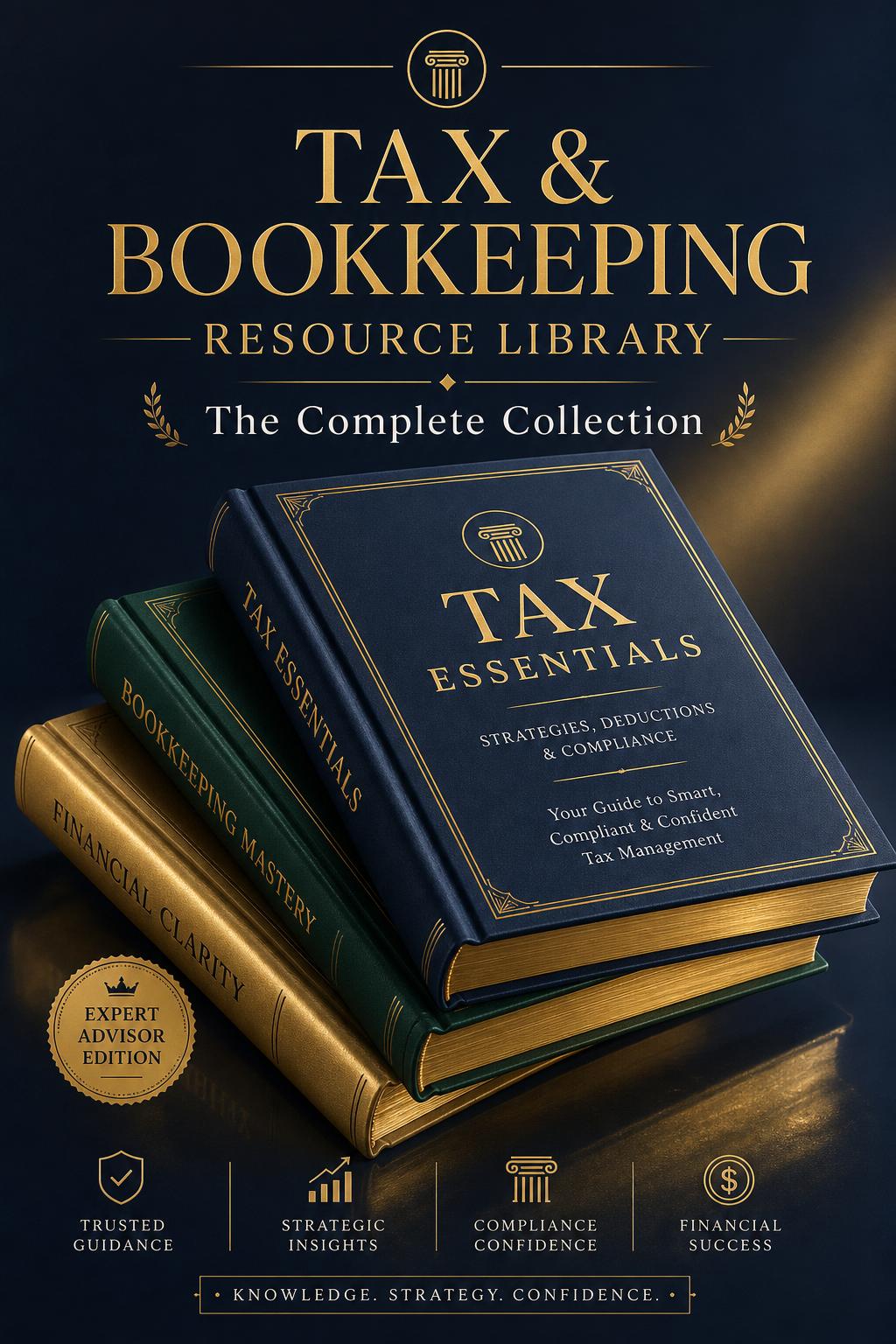
Tax & Bookkeeping Resource Library
Our complete advisor-grade collection — every premium asset an owner needs to run clean books, lower taxes, and recover messy ledgers, in one bundle.